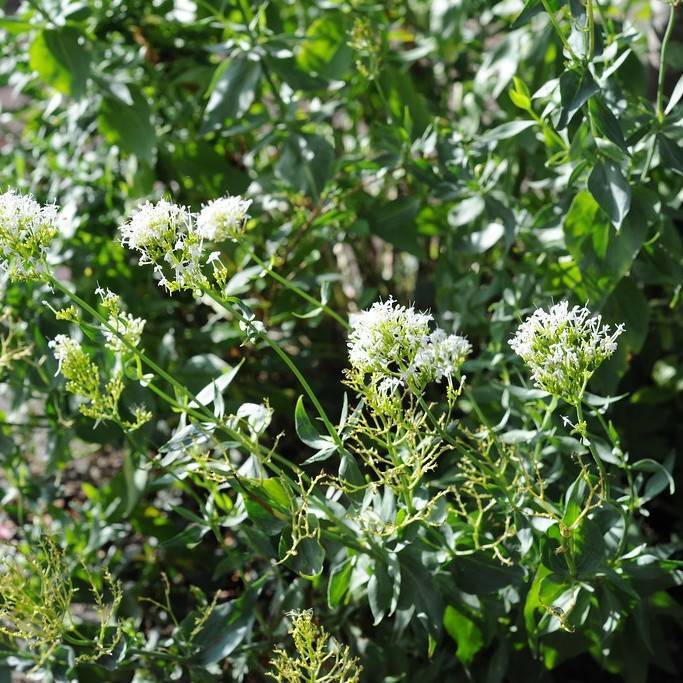
red valerian
Centranthus ruber 'Albus'
Overview
Red Valerian (Centranthus ruber 'Albus') is an amazing plant species that has a beautiful contrast of red & white blossoms on a lush evergreen bush. Its hardy nature makes it perfect for hot, dry climates and it blooms longer than other varieties of red valerian. It's also deer resistant and attracts beneficial pollinators such as honeybees, butterflies, and hummingbirds. Red Valerian is perfect for home gardens since it doesn’t require much maintenance and still provides magnificent blooms that last throughout the summer months. It's an excellent choice for all types of landscape borders and accents.
Care Guide
Watering
Water red valerian (Centranthus ruber 'Albus') deeply but infrequently during the growing season. A thorough soaking once every 2 to 3 weeks is usually enough. During the hottest summer months, increase waterings slightly; frequency and amount of water can be decreased during cool or wet weather. During dormant periods the plant will benefit from periodic watering, but usually no more than once a month. Be careful not to over water as wet soil can lead to root fungus.
Light
Red Valerian needs between 4 and 6 hours of sunlight a day. It should receive this sunlight evenly throughout the day with no more than 2 hours of consecutive sunlight. While it likes sunshine, it should not be planted in an area with direct sunlight for the entire day as this can burn the leaves. To help create optimal growing conditions for Red Valerian, it should be planted in an area that receives dappled shade throughout the day. If planted in a sunny area, it may require occasional supplemental watering.
Temperature
Hardiness zone 5–8.
Pruning
Red Valerian can be pruned in late spring and late summer. It is best to prune these plants lightly, removing just the spent flowers and some of the longest stems, to keep the plant from becoming unruly. The new flowers and foliage will then fill in the gaps and tidy up the look of the plant. Pruning in late spring or early summer stimulates new, fresh foliage and flowers; however, care must be taken not to over-prune as this can weaken the plant. Pruning in late summer encourages new growth which means plants have time to develop before winter.
Propagation
Cutting, Division, Layering Propagation, Seed Propagation
Uses & Symbolism
Attracts: Butterflies.
Diseases & Pests
Common pests: Drought resistant.
Related plants
Other plants you might like if you grow red valerian.
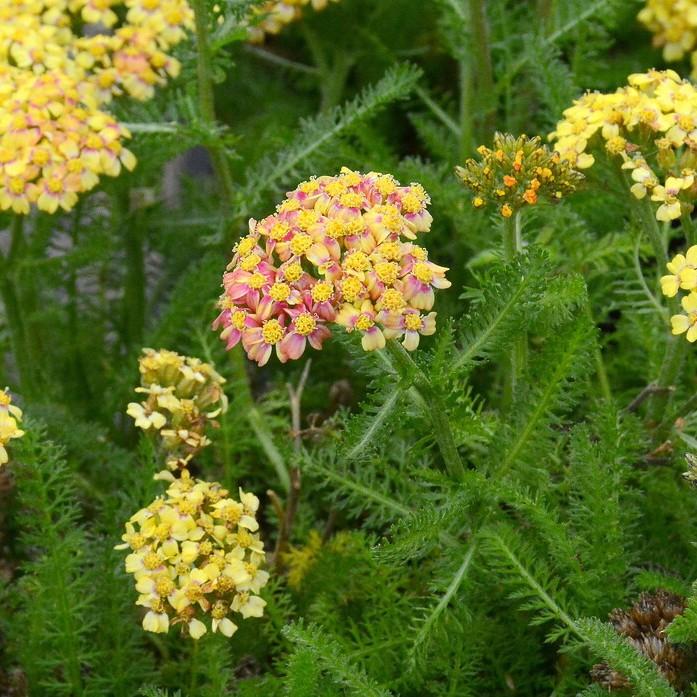
Alps yarrow
Achillea distans
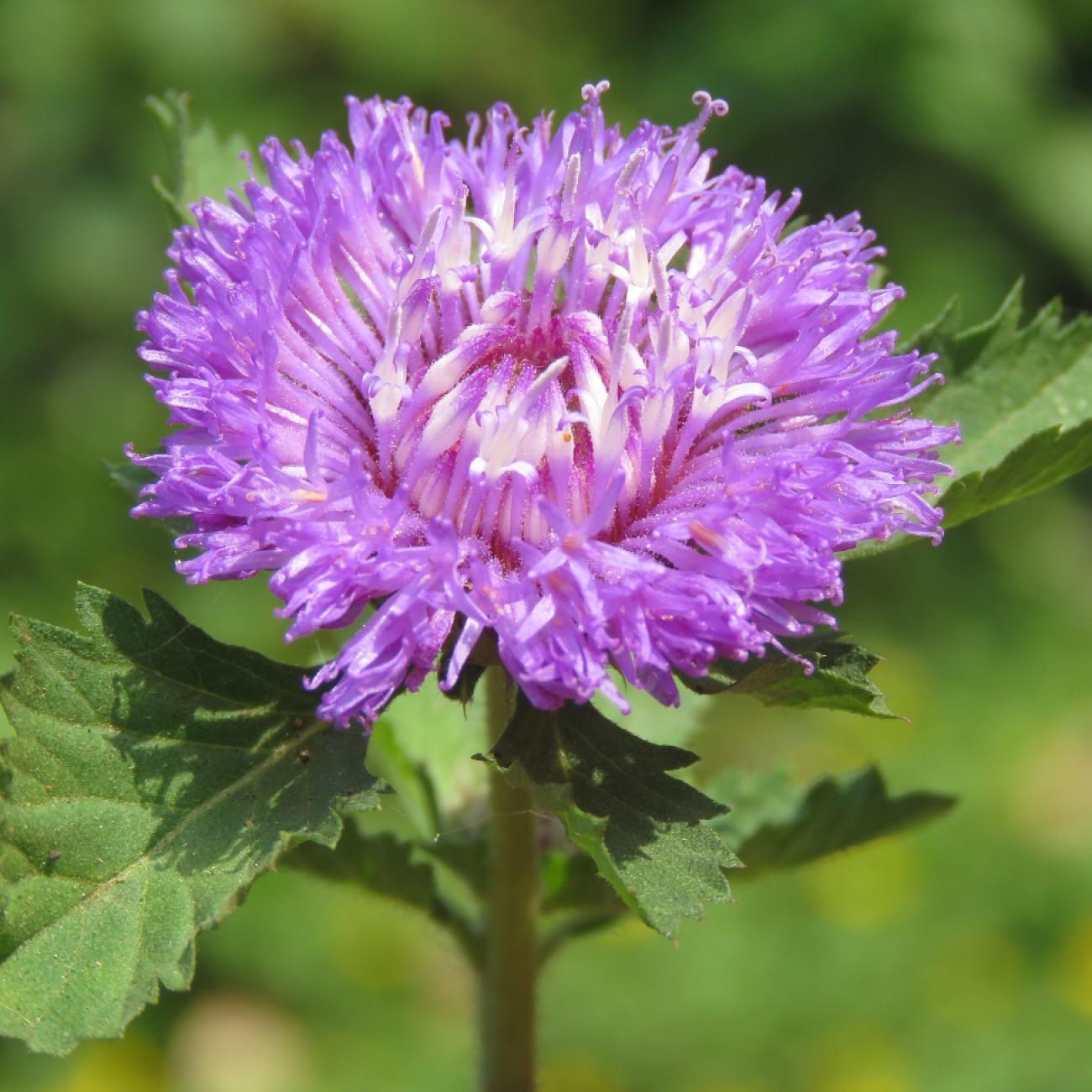
bachelor's button
Centratherum punctatum 'Button Beauty'
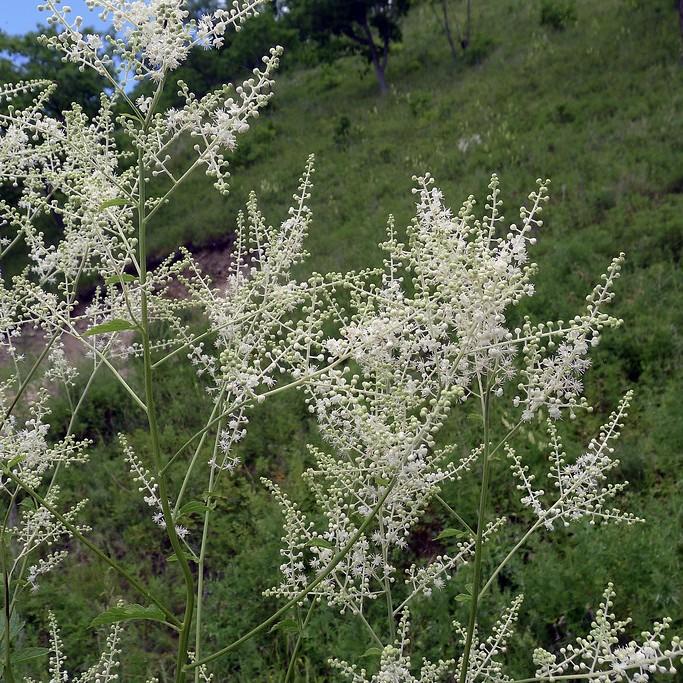
bugbane
Actaea dahurica
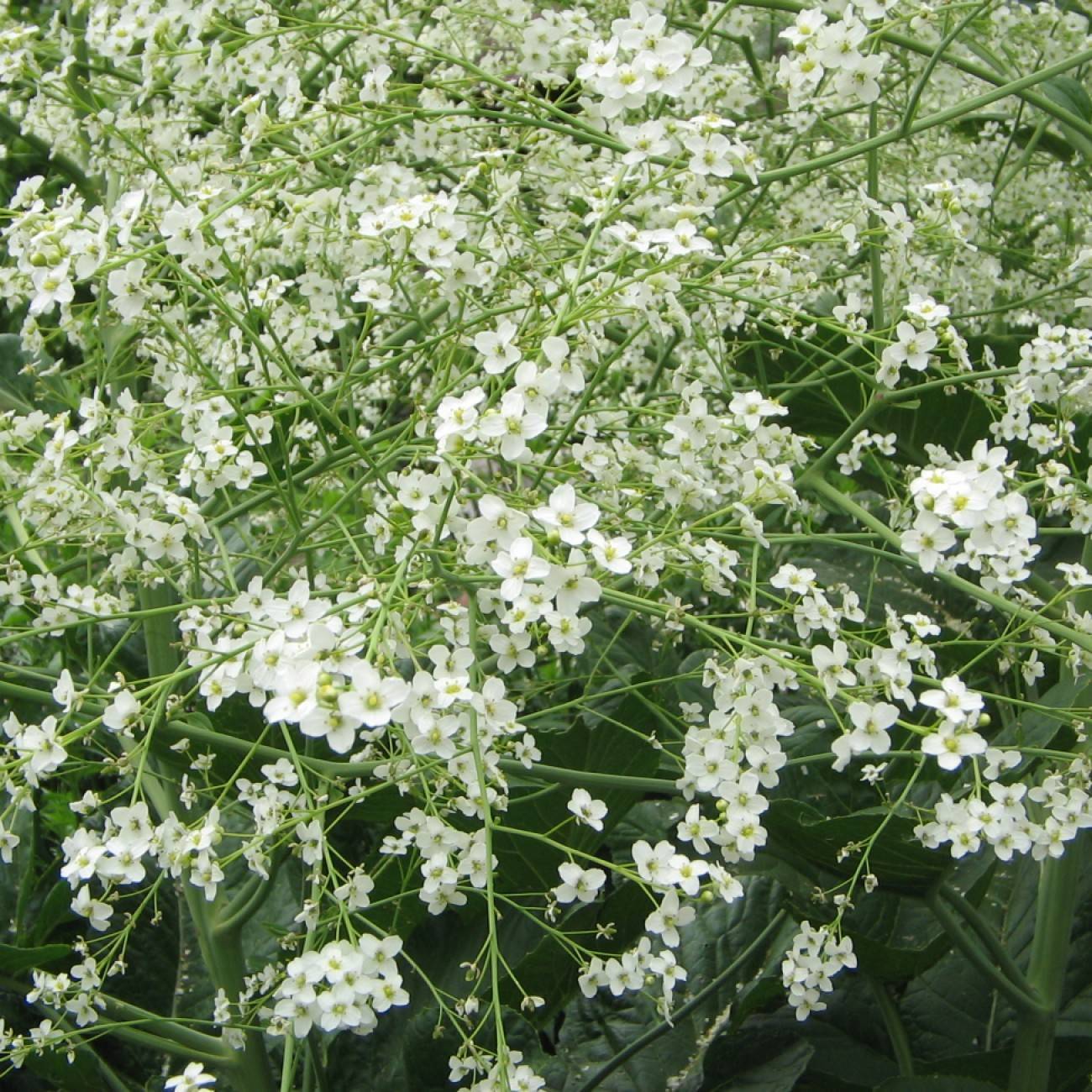
colewort
Crambe cordifolia
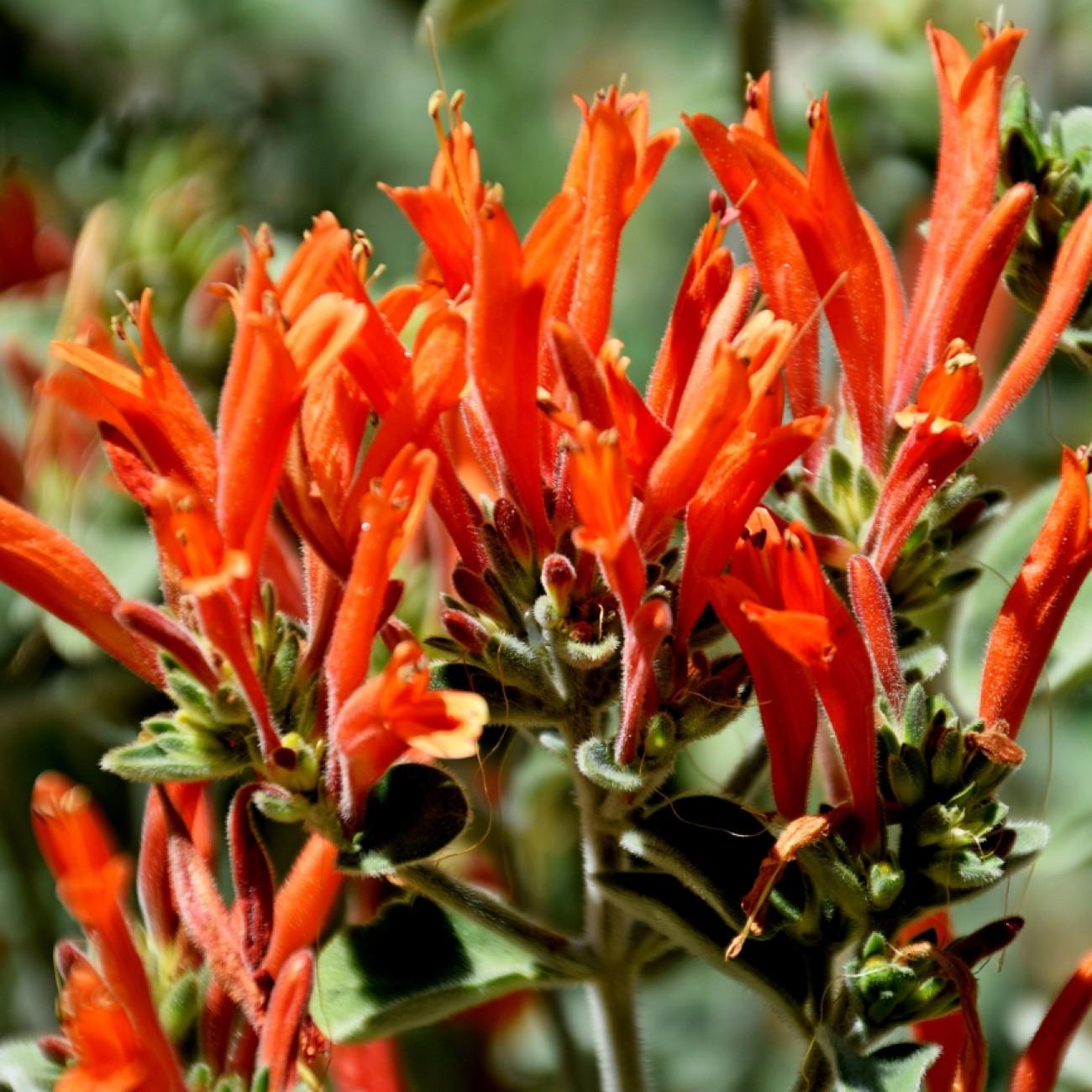
dicliptera
Dicliptera squarrosa
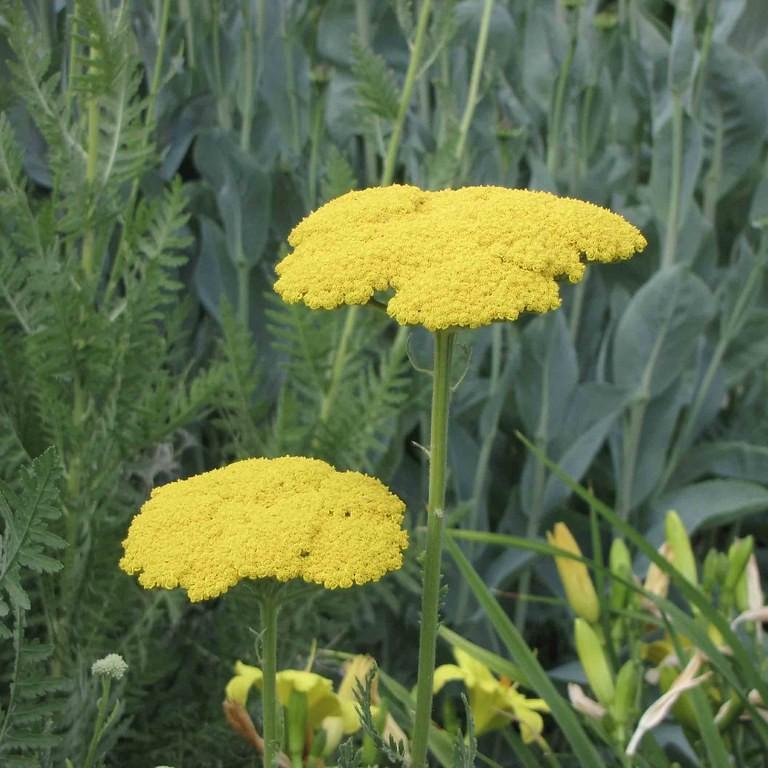
fern-leaf yarrow
Achillea filipendulina 'Gold Plate'
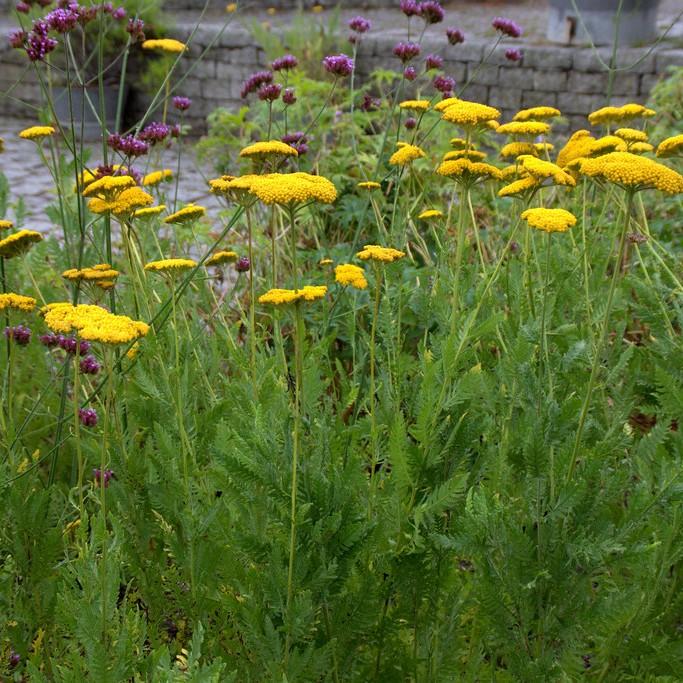
fern-leaf yarrow
Achillea filipendulina 'Parker's Variety'
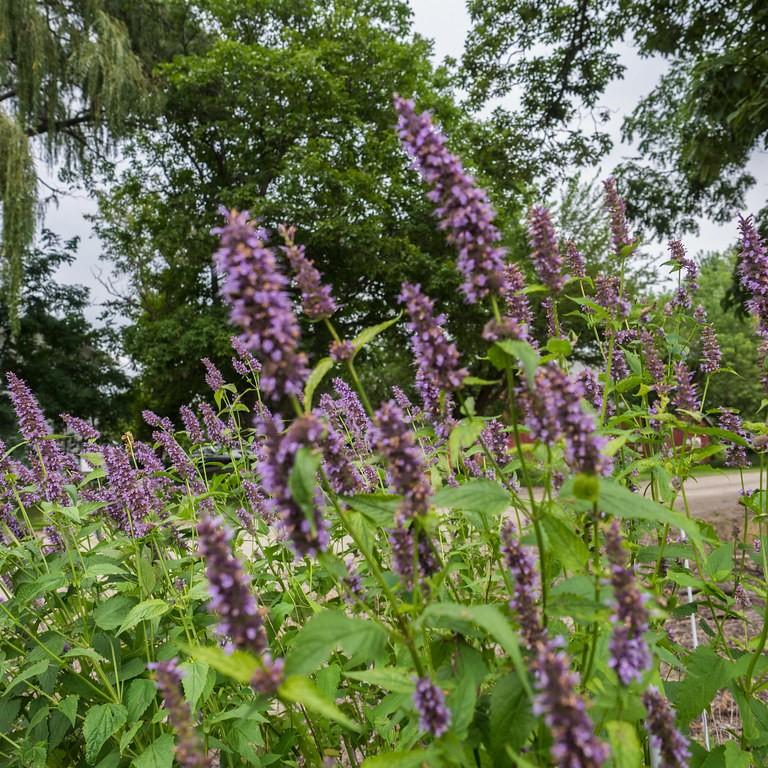
giant hyssop
Agastache 'Black Adder'