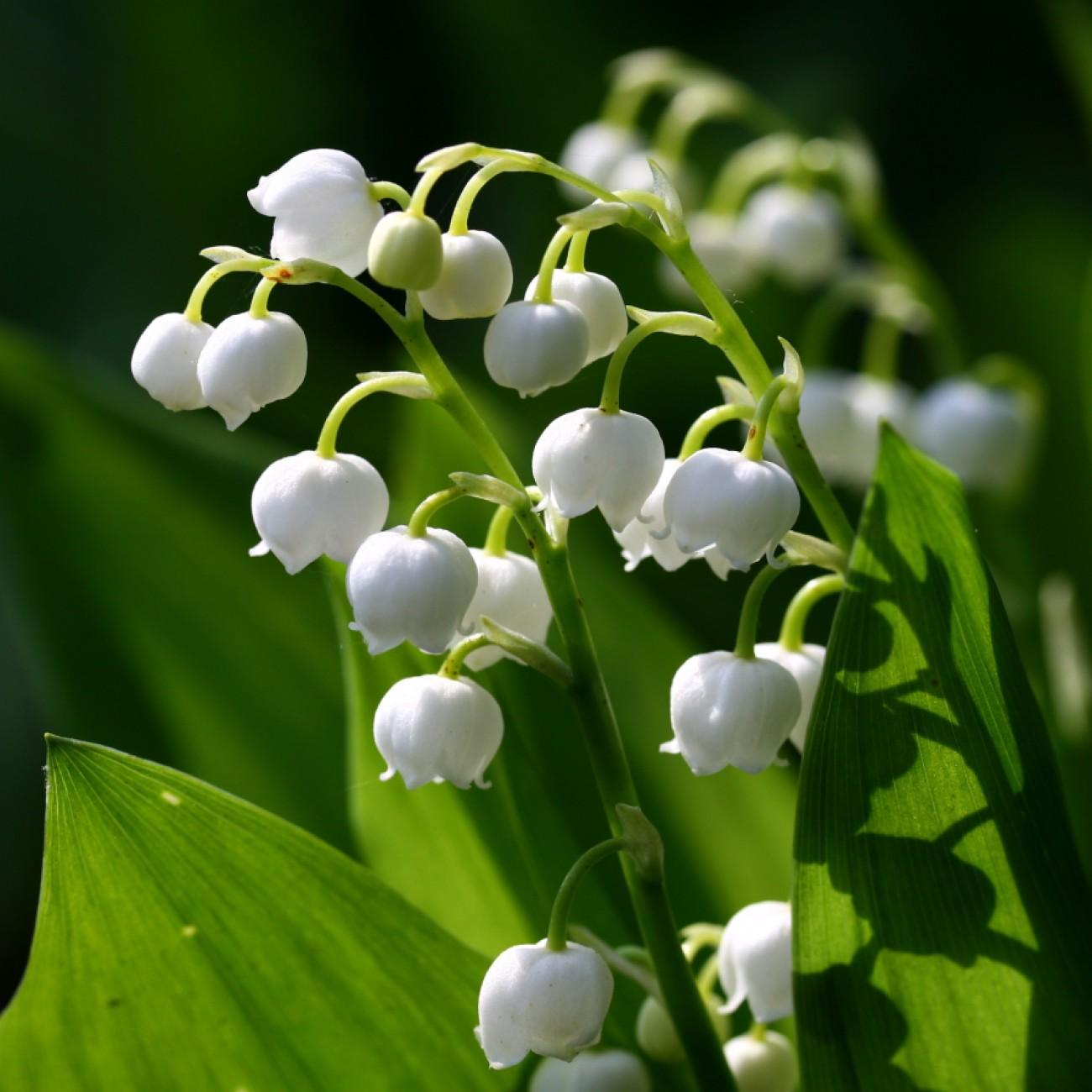
lily of the valley
Convallaria majalis 'Golden Slippers'
Overview
The lily of the valley (Convallaria majalis 'Golden Slippers') is an amazing plant species! It produces small, bell-shaped white flowers in clusters, which are held atop arching leafless stems. Its immaculate blooms give off a sweet, fragrant aroma. Its lush, bright green foliage looks lovely both in containers and in the garden. The golden slippers variety is the perfect choice for gardeners with a sunny spot and some shade in their garden. The foliage is striped with creamy yellow which pairs well with the white flower buds, creating a beautiful and unique display. With minimal care, you can enjoy gorgeous blooms year after year!
Care Guide
Watering
Lily of the valley is best watered when the top 1-2 inches of soil feel dry. If it is growing outdoors, water thoroughly once a week (unless there is a period of higher rainfall when you may not need to water it). Indoors, water once a week, or more often if the room temperature is higher than normal. Make sure to water evenly all the way around the plant, so that all the roots get enough moisture.
Light
Lily of the valley (Convallaria majalis 'Golden Slippers') need only a few hours of sunlight per day. They thrive in partial shade, such as in dappled shade under deciduous trees. Ideally, it's best to position lilies of the valley in an area where they will receive direct sun in the mornings for about 3 - 4 hours, and then be shaded in the afternoon. Avoid exposing them to direct, midday summer sunlight, as this can damage their foliage.
Temperature
Hardiness zone 3–7.
Pruning
When caring for a Lily of the Valley (Convallaria majalis 'Golden Slippers'), pruning is essential for maintaining the health and vigor of the plant. Pruning is recommended to be done in late winter or early spring, before new growth begins. Beginning in the second year after planting, the plant should be pruned when the flowers are done blooming. Grass-like green foliage is encouraged to fill in around the stalks. All dead, diseased, or damaged stems should be removed back to the base to allow new growth to develop. For advanced or overgrown plants, more aggressive pruning can be done. Clumps should be divided into smaller units, and 1-third of the clump should be cut back to the crown for rejuvenation. Light pruning can also be done in the summer to keep the plant from becoming too unruly.
Propagation
Division, Cutting, Seed Propagation, Layering Propagation
Related plants
Other plants you might like if you grow lily of the valley.
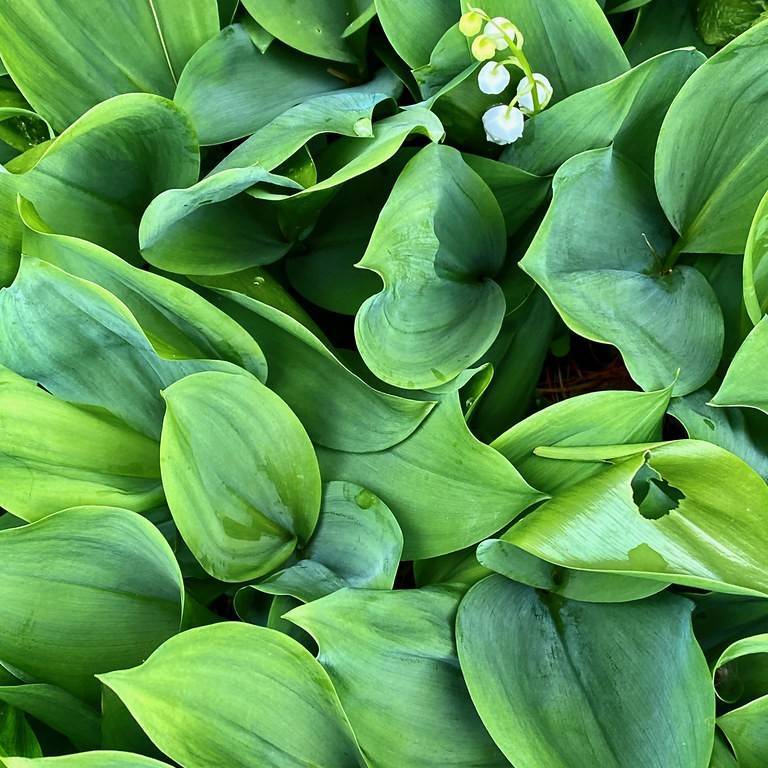
lily of the valley
Convallaria majalis
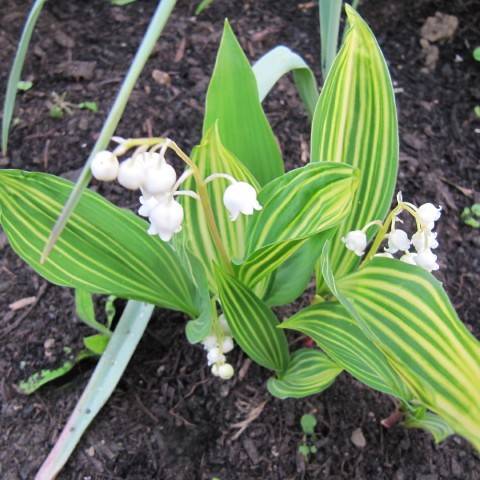
lily of the valley
Convallaria majalis 'Potsdam Stripe'
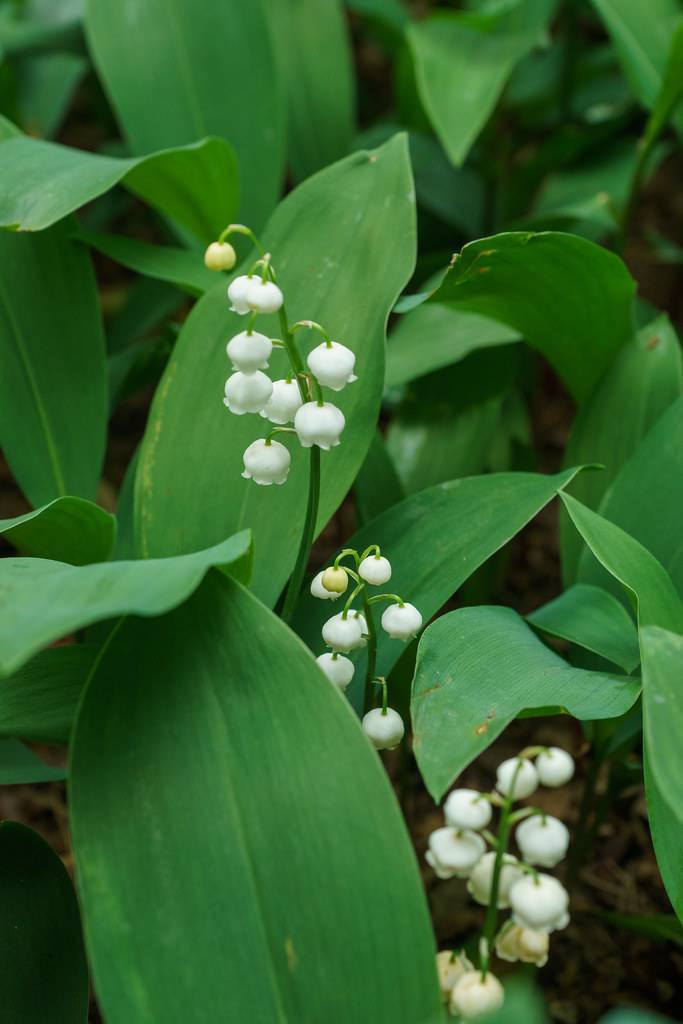
lily of the valley
Convallaria majalis var. rosea
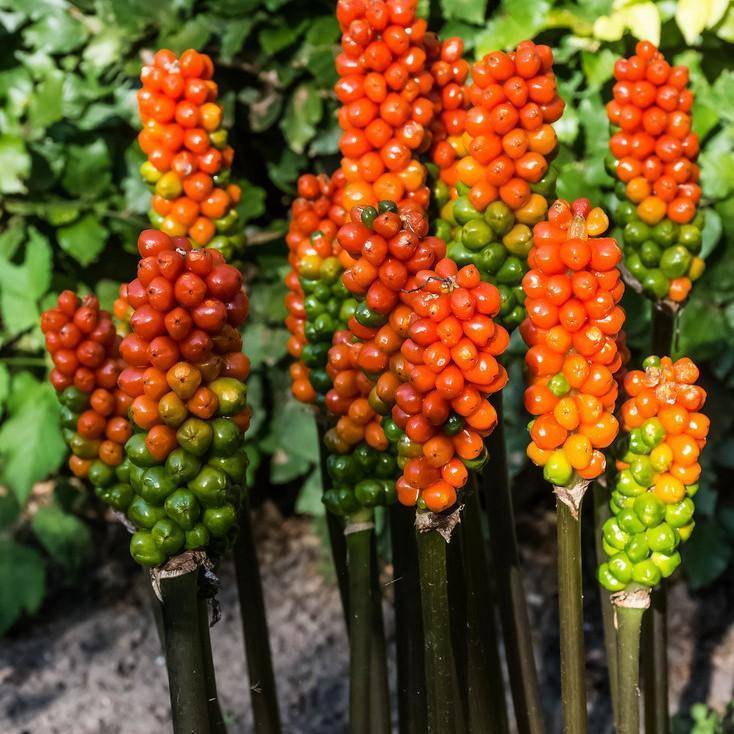
Italian arum
Arum italicum
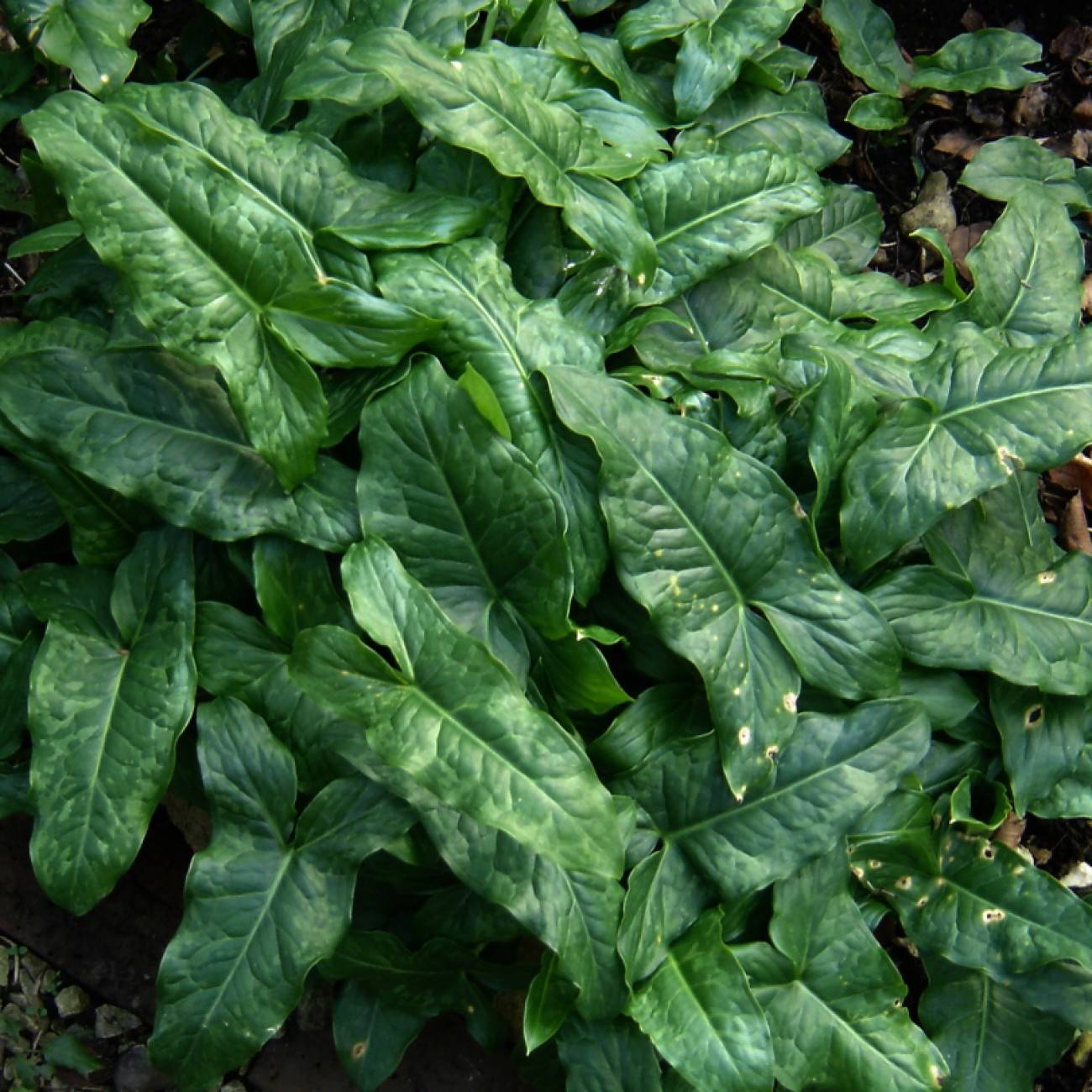
Italian arum
Arum italicum subsp. italicum 'Marmoratum'
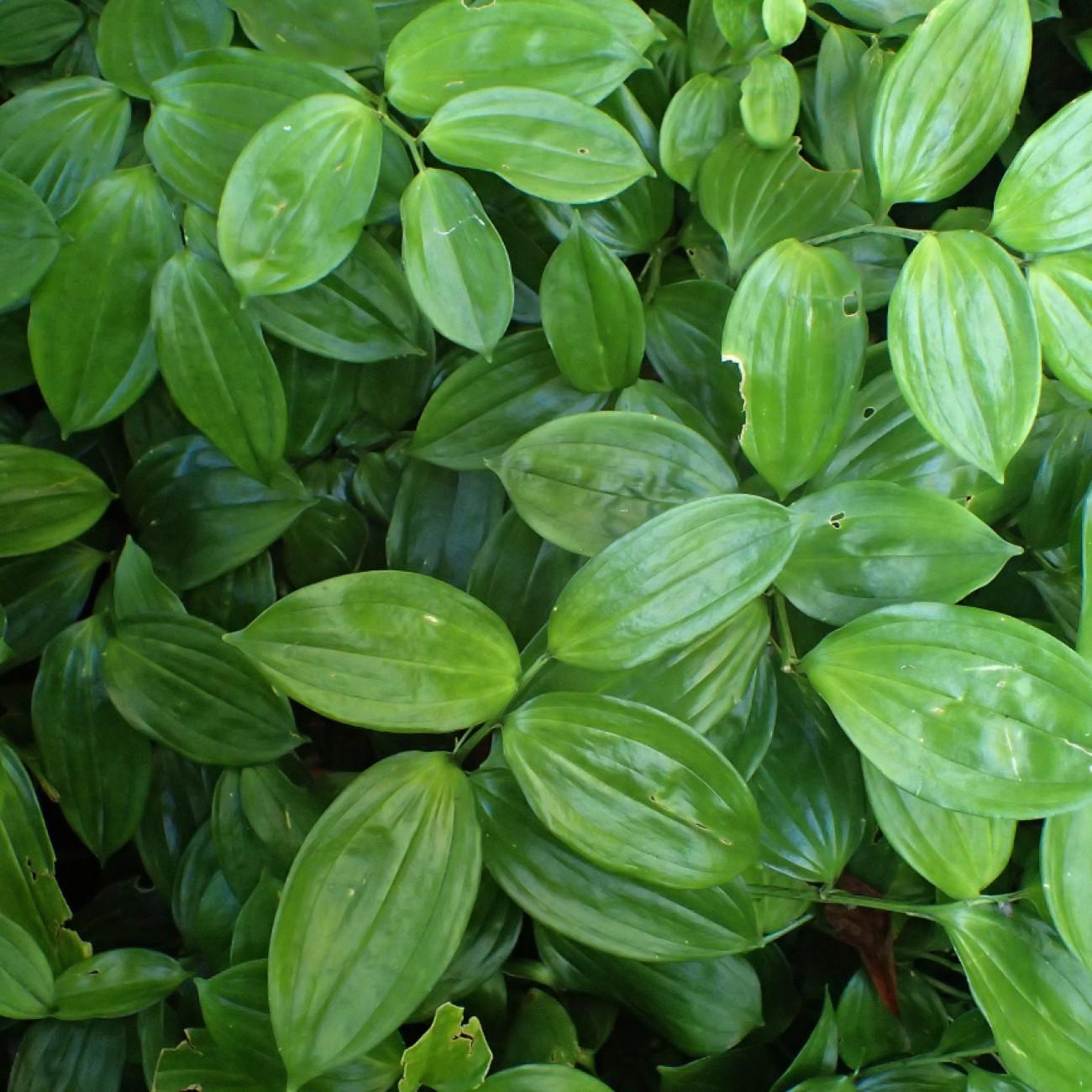
evergreen Solomon's seal
Disporopsis pernyi
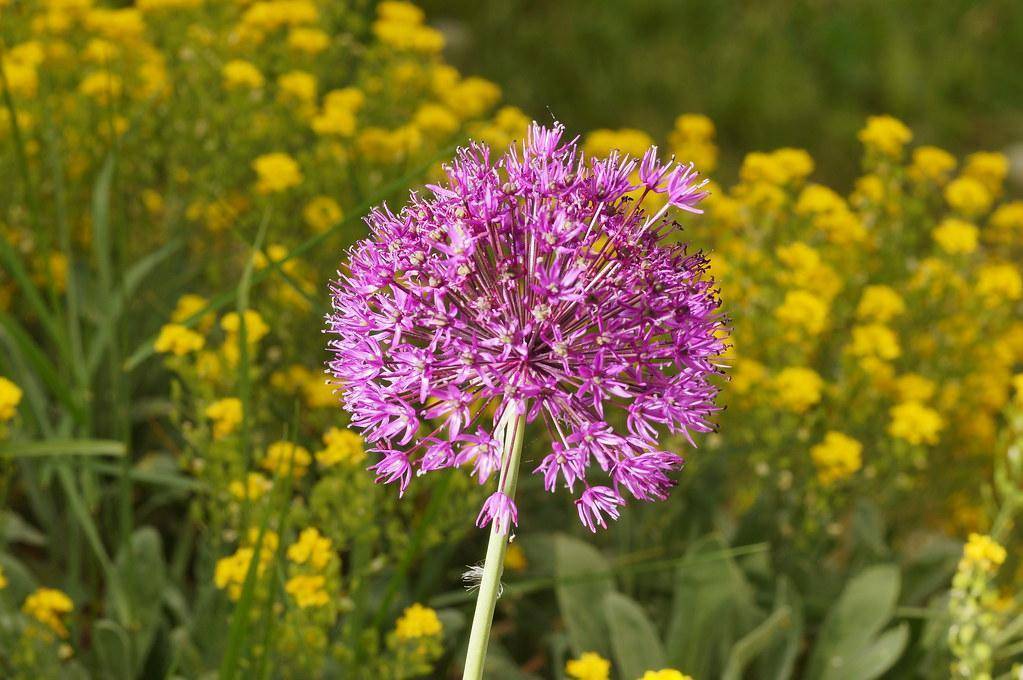
star of Persia
Allium cristophii
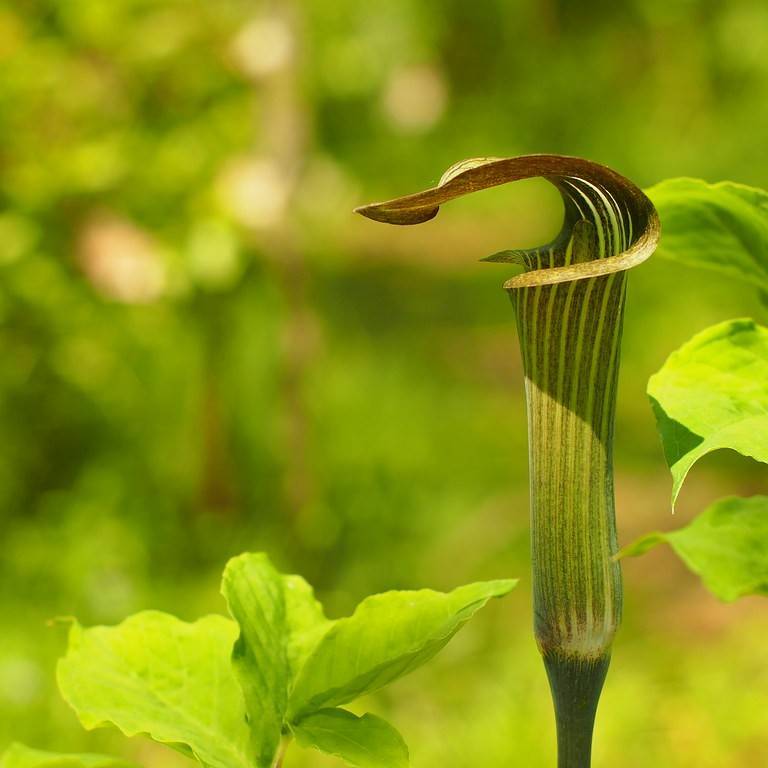
arisaema
Arisaema serratum