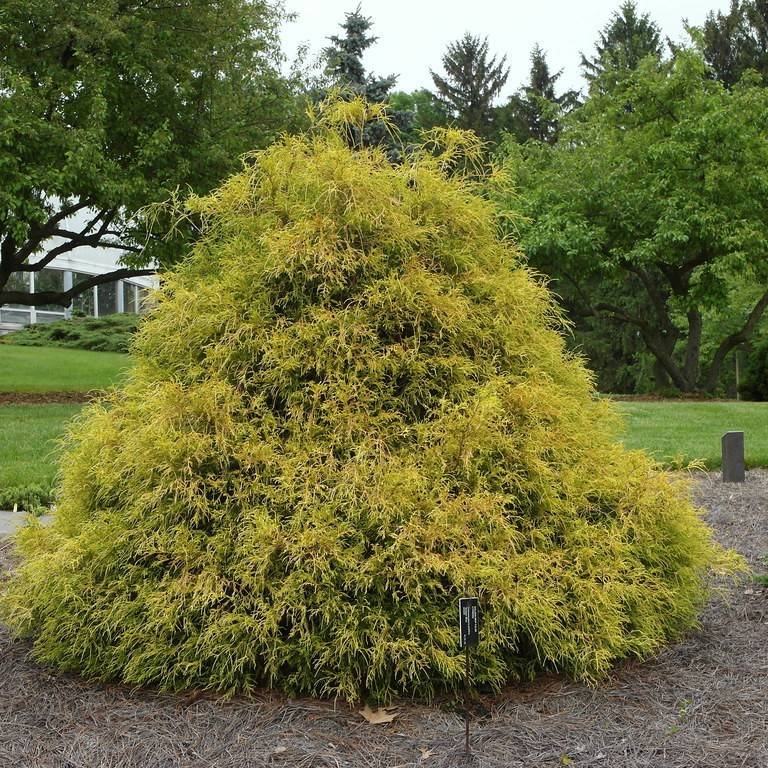
Japanese falsecypress
Chamaecyparis pisifera 'Vintage Gold'
Overview
Japanese falsecypress (Chamaecyparis pisifera 'Vintage Gold') is an impressive evergreen shrub with brilliant golden foliage that provides a stunning splash of color all year. Perfect for landscaping, it's easy to care for and can thrive in sun or partial shade. Its fan-like branches are covered in unique, thread-like needles and blue-green cones, creating a beautiful texture. Plus, this evergreen variety is heat tolerant and drought-resistant, making it suitable for even the warmest climates. With its remarkable color and low maintenance, Japanese falsecypress is an amazing addition to any garden.
Care Guide
Watering
This Japanese falsecypress species requires watering on a regular basis. During the summer months, it should be watered deeply twice a week, starting at its base. During the spring and fall months, it should be watered deeply once a week. During the winter months when the temperatures are cooler, watering can be reduced to once every 2 weeks. Always check the soil throughout the year to make sure that the soil is not drying out too quickly. If it does, give the plant an additional drink.
Light
Japanese falsecypress (Chamaecyparis pisifera 'Vintage Gold') is a slow growing conifer species that prefers full sun but can tolerate some shade. It will perform best when grown in an area that has a minimum of 4-6 hours of direct sunlight each day. The sunlight needs to be consistent throughout the day; indirect, dappled light is not ideal. In general, the more sunlight the plant receives, the faster it will grow. Additionally, morning sunlight is preferable since it helps to burn off any condensation that may build up on the foliage overnight.
Temperature
Hardiness zone 4–4.
Pruning
Japanese falsecypress (Chamaecyparis pisifera 'Vintage Gold') should be pruned lightly in late winter, just before the new growth starts. You can prune it more severely in late spring or summer, after the new growth has emerged. This will help to promote bushy, full growth. Make sure to use sharp pruners when cutting branches to ensure a clean cut, and prune all dead or damaged branches. To help retain the unique globe-shaped form, prune the branches to keep the circumference of the globe even and even out any misshapen branches.
Propagation
Cutting, Grafting Propagation, Layering Propagation, Division, Seed Propagation
Diseases & Pests
Common pests: Pest resistant, Disease resistant.
Related plants
Other plants you might like if you grow Japanese falsecypress.
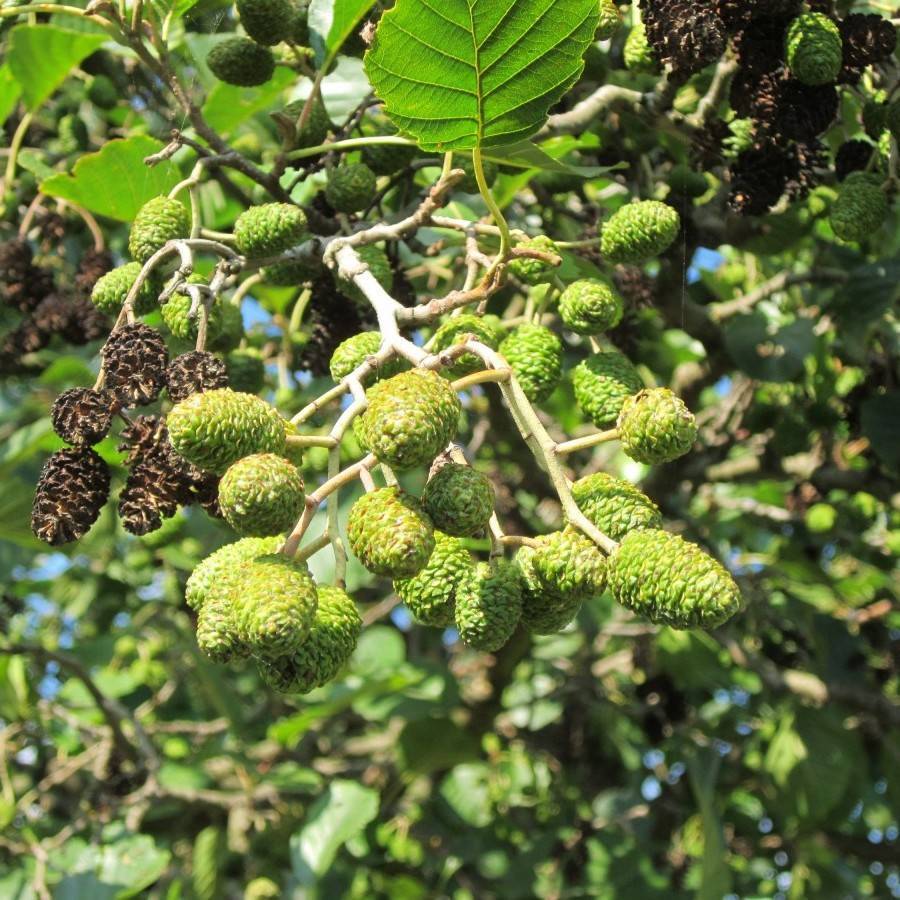
alder
Alnus mayrii
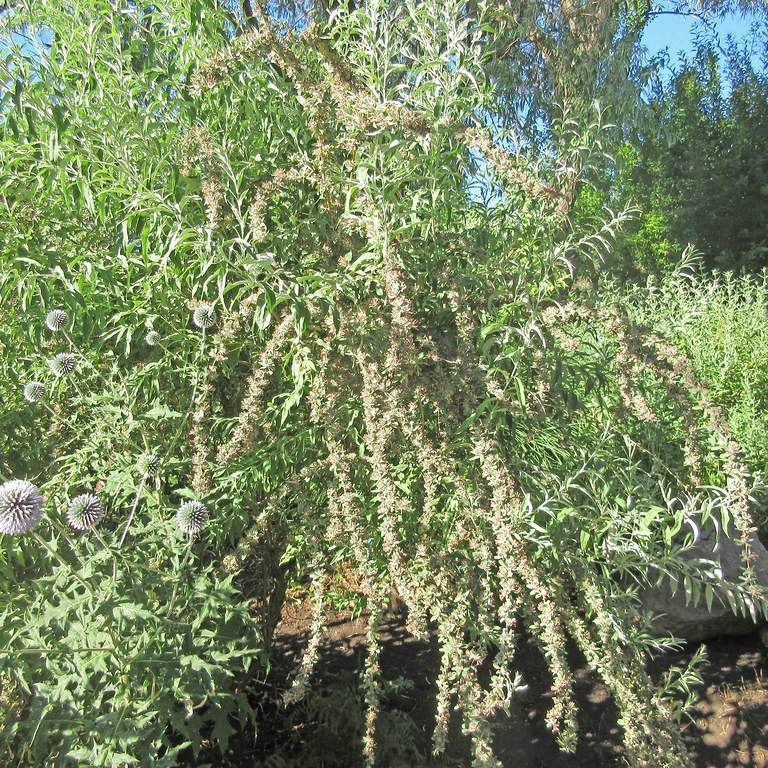
alternate-leaved butterfly bush
Buddleja alternifolia
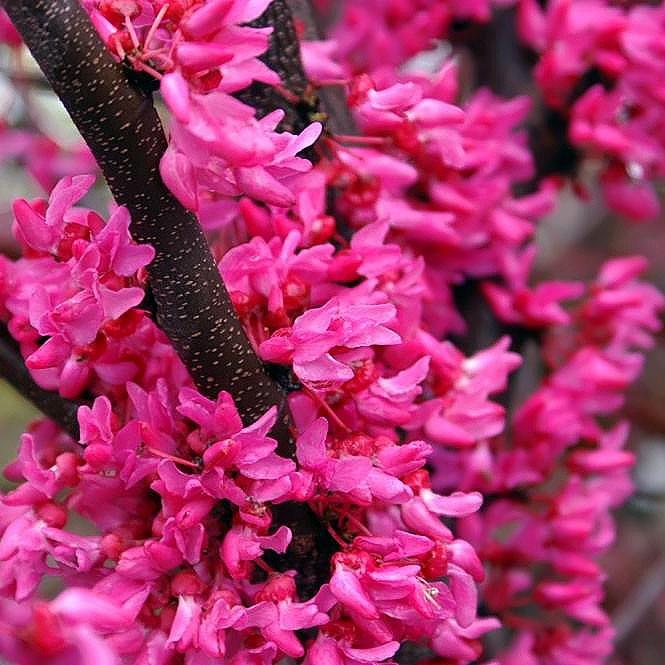
Appalachian Red Redbud
Cercis canadensis 'Appalachian Red'
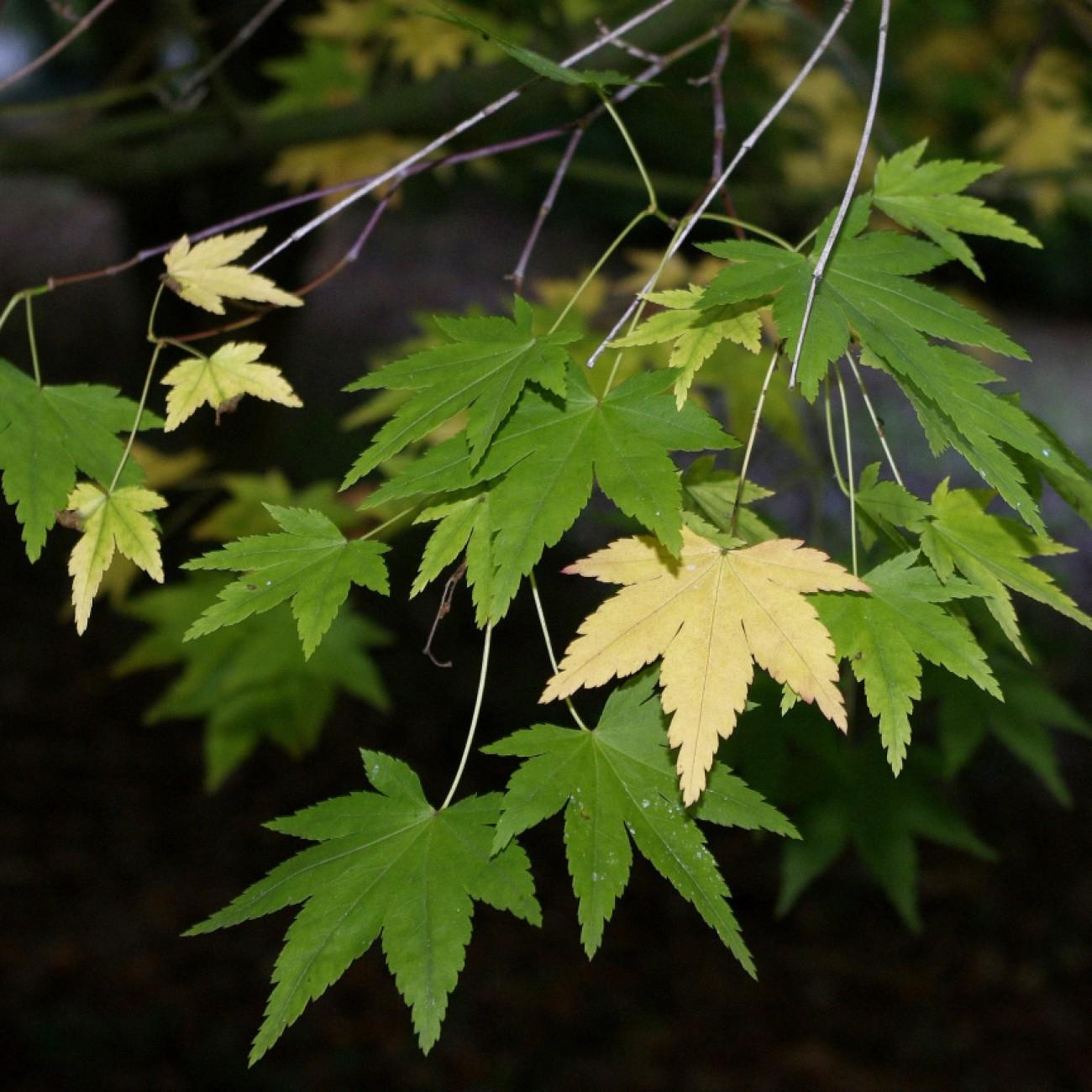
Arakawa Cork Bark Japanese Maple
Acer palmatum 'Arakawa'
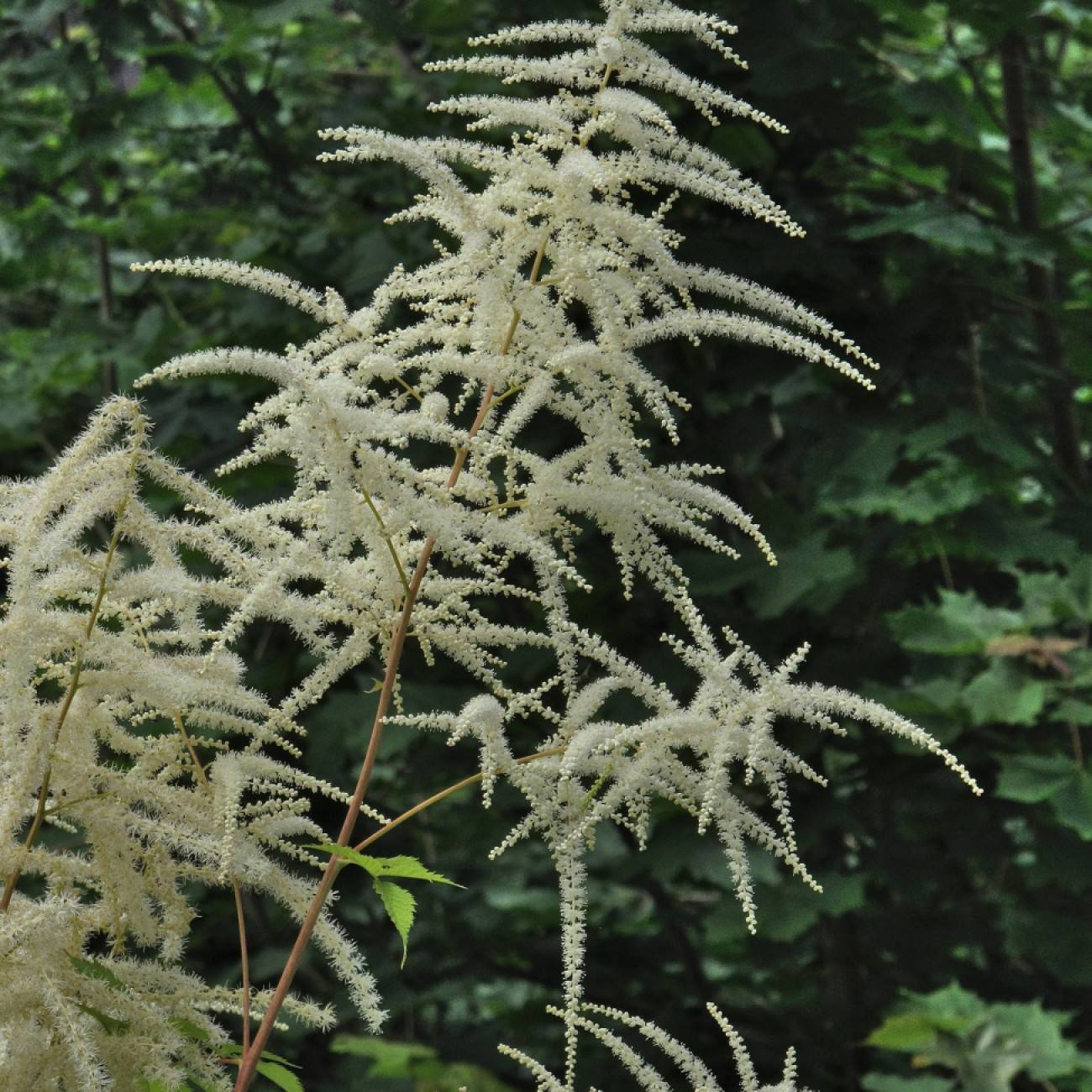
aruncus
Aruncus 'Horatio'
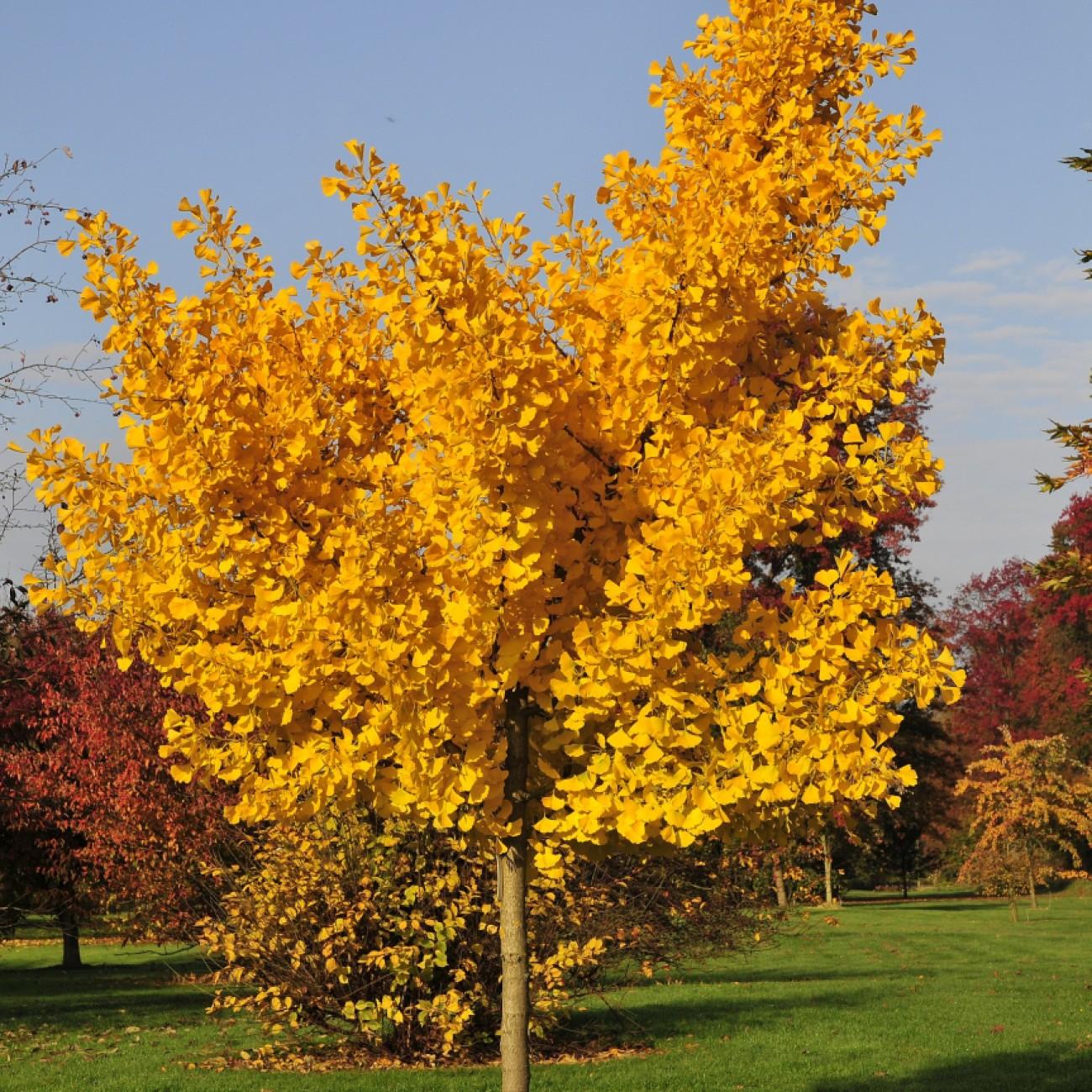
Autumn Gold Ginkgo
Ginkgo biloba 'Autumn Gold'
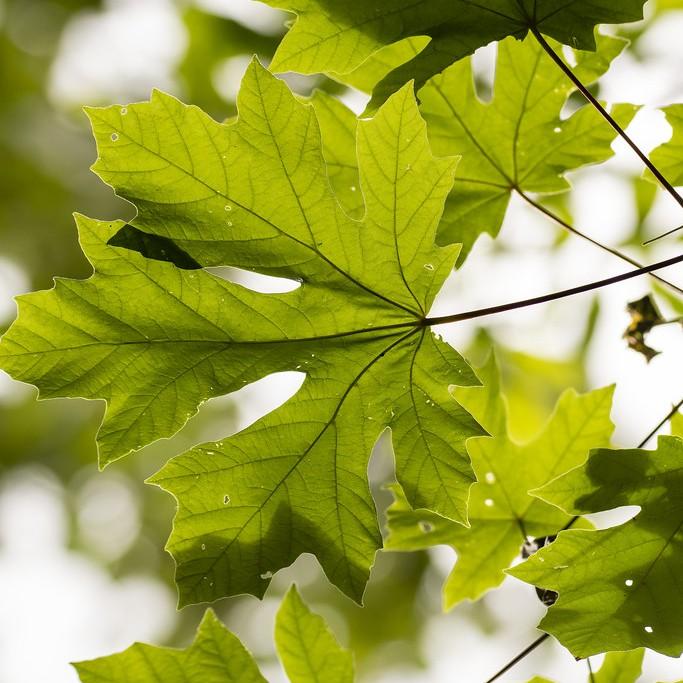
Big Leaf Maple
Acer macrophyllum
Black Gum
Nyssa sylvatica