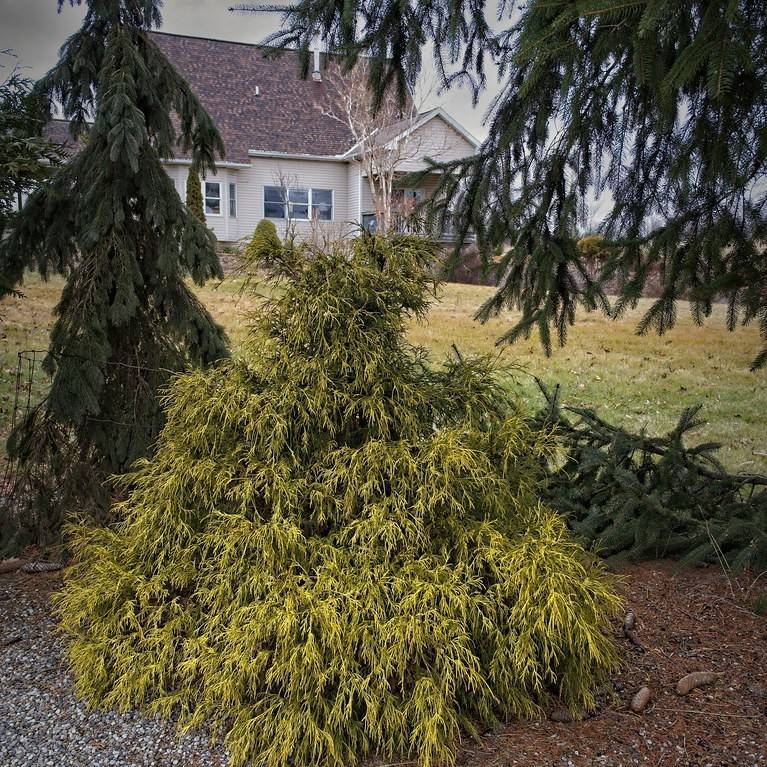
Japanese falsecypress
Chamaecyparis pisifera 'Golden Charm'
Overview
The Japanese falsecypress 'Golden Charm' is an amazing species of plant due to its sun-kissed golden foliage and bright yellow-green color. It provides year-round color and is usually a dwarf variety, growing between 2-4 feet tall and wide. The shrub is evergreen and is ideal for borders, containers, and mass plantings. It is low-maintenance and quite tolerant of drought, making it a great choice for beginner gardeners. It is also versatile and can be used in traditional and modern gardens. Not only beautiful, but also quite versatile, the 'Golden Charm' Japanese falsecypress is sure to become a favorite in any garden.
Care Guide
Watering
Japanese falsecypress (Chamaecyparis pisifera 'Golden Charm') should be watered when the top 1-2 inches of soil has gone dry. Water your plant deeply, once a week or whenever the top inch of soil has dried out -- this typically takes a full day or 2 in direct sun. Water until the excess seeps out of the drainage holes. Remember to discard any water accumulating in the drip tray to avoid overwatering.
Light
Japanese falsecypress (Chamaecyparis pisifera 'Golden Charm') is an ornamental evergreen shrub best suited for temperate climates and young plants should receive at least 4-6 hours of direct sunlight each day. If the shrub is planted in an area that does not receive full sun, it may not flower and may struggle to stay healthy. The best time for the plant to receive sunlight is during midday, and reducing the amount of afternoon sunlight may be beneficial in areas with very hot temperatures. In hotter regions, it is best to provide the plant with indirect sunlight or partial shade in order to ensure its best health.
Temperature
Hardiness zone 4–4.
Pruning
Japanese falsecypress (Chamaecyparis pisifera 'Golden Charm') should be pruned twice a year, once in late spring and once in early summer. The late spring pruning should be light, with just the removal of shoots and/or branches that misshapen the plant or interfere with walkways. The more major pruning should be done in early summer, after the new growth has fully matured. During this time, you can shape the tree, reaching into the depths of the tree and removing dead and diseased branches. You can also selectively remove any branches that are poking up too high or too out of proportion. It is important to never remove more than 1-third of the foliage in any given year.
Propagation
Cutting, Grafting Propagation, Layering Propagation, Division
Diseases & Pests
Common pests: Pest resistant, Disease resistant.
Related plants
Other plants you might like if you grow Japanese falsecypress.
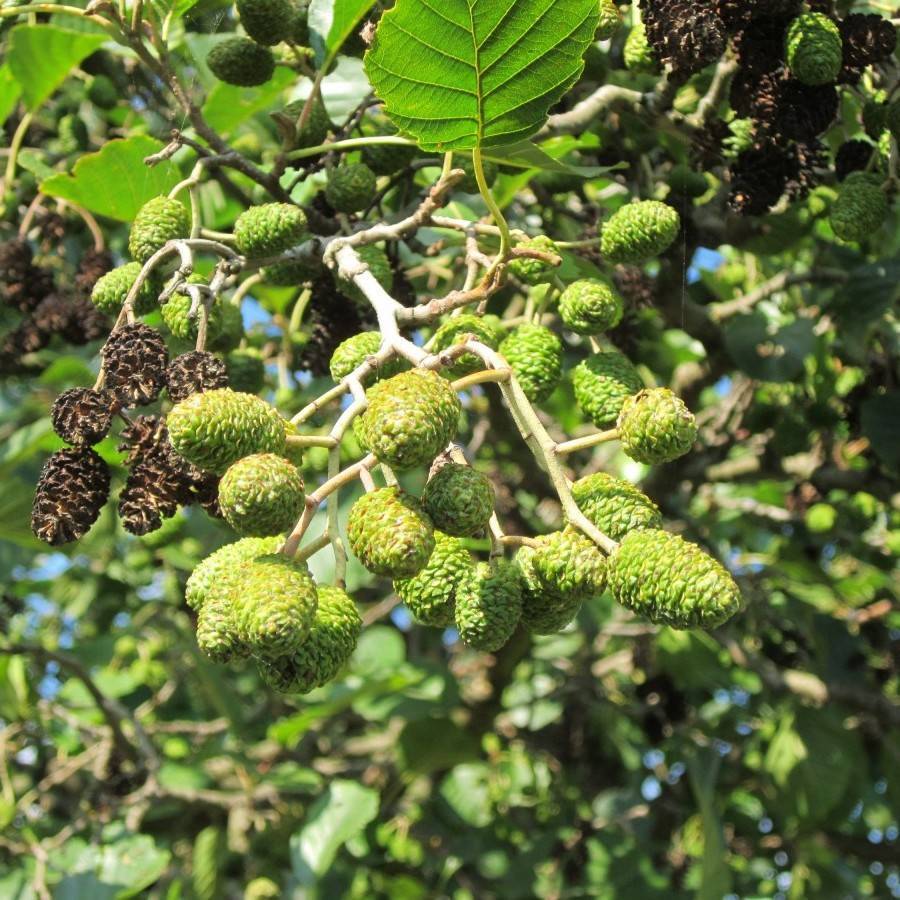
alder
Alnus mayrii
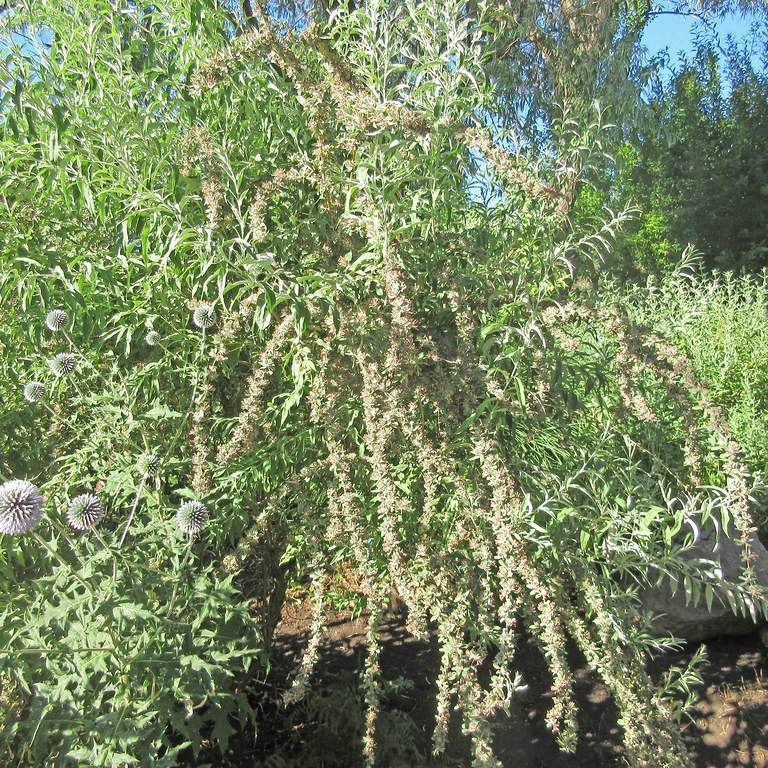
alternate-leaved butterfly bush
Buddleja alternifolia
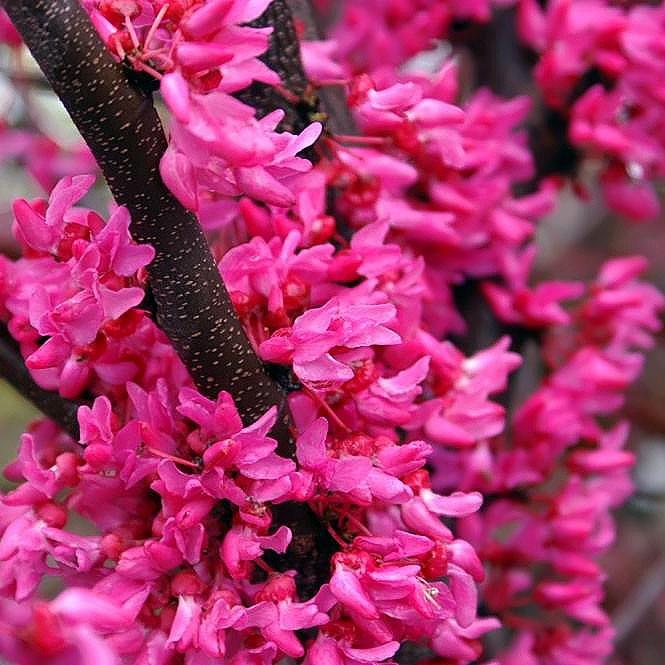
Appalachian Red Redbud
Cercis canadensis 'Appalachian Red'
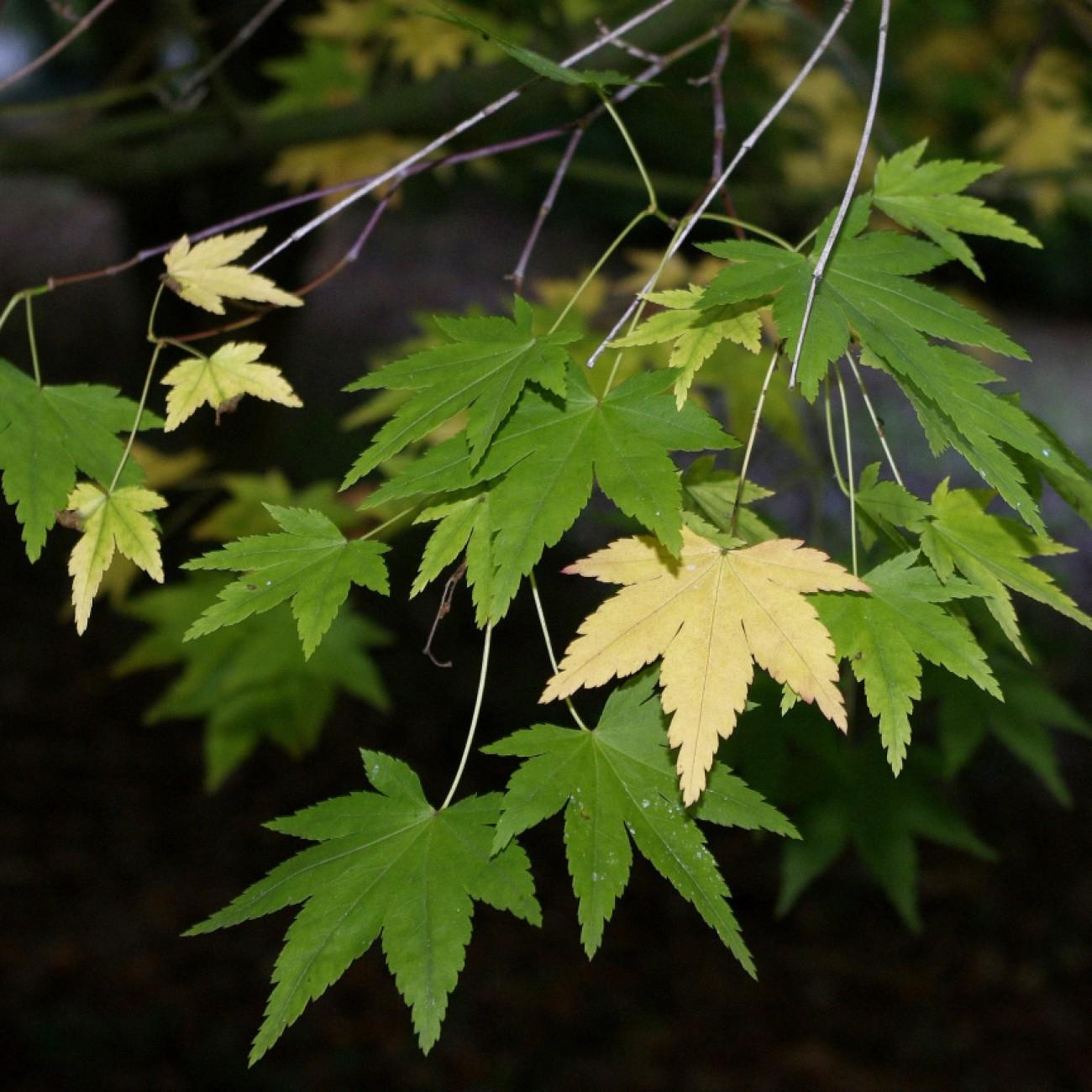
Arakawa Cork Bark Japanese Maple
Acer palmatum 'Arakawa'
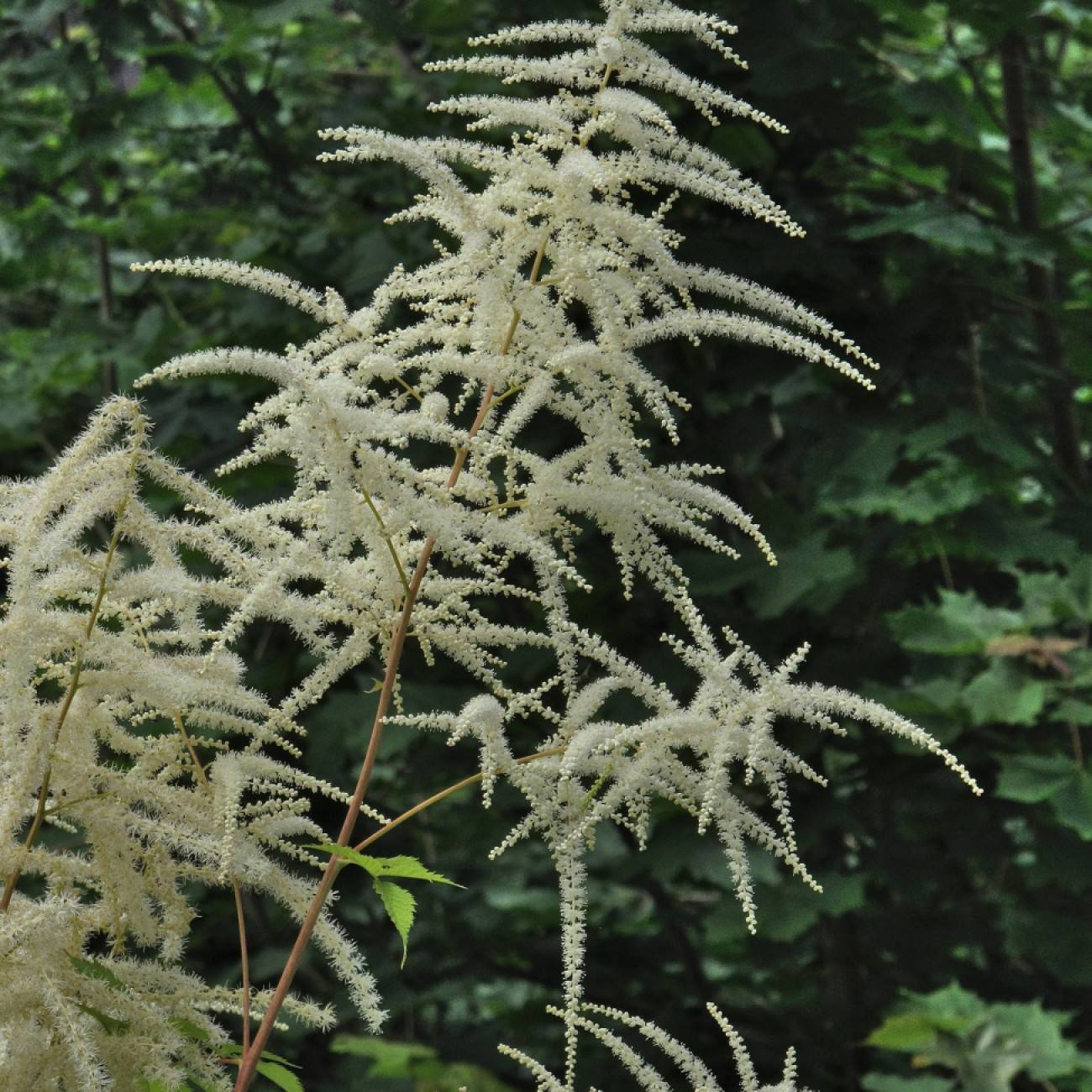
aruncus
Aruncus 'Horatio'
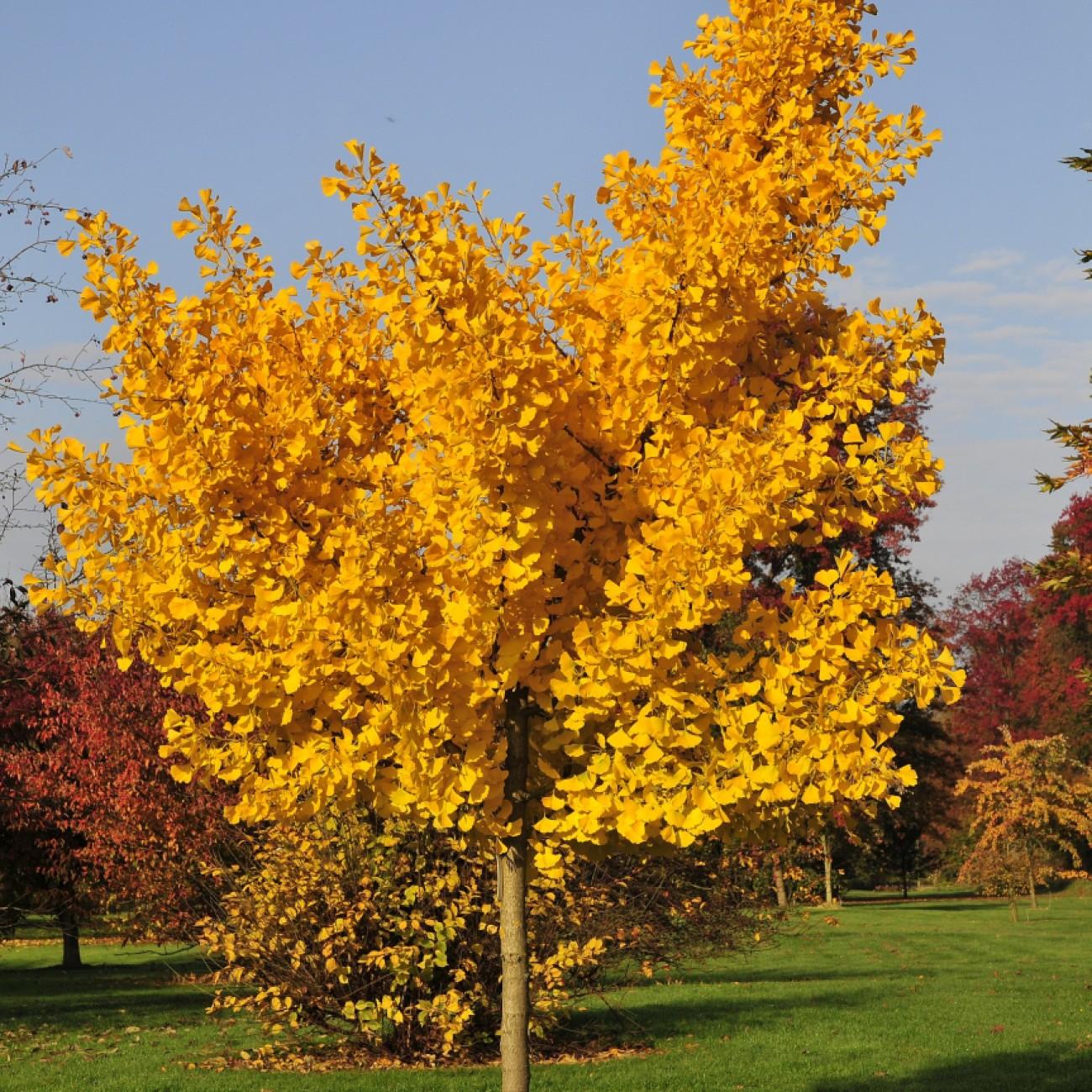
Autumn Gold Ginkgo
Ginkgo biloba 'Autumn Gold'
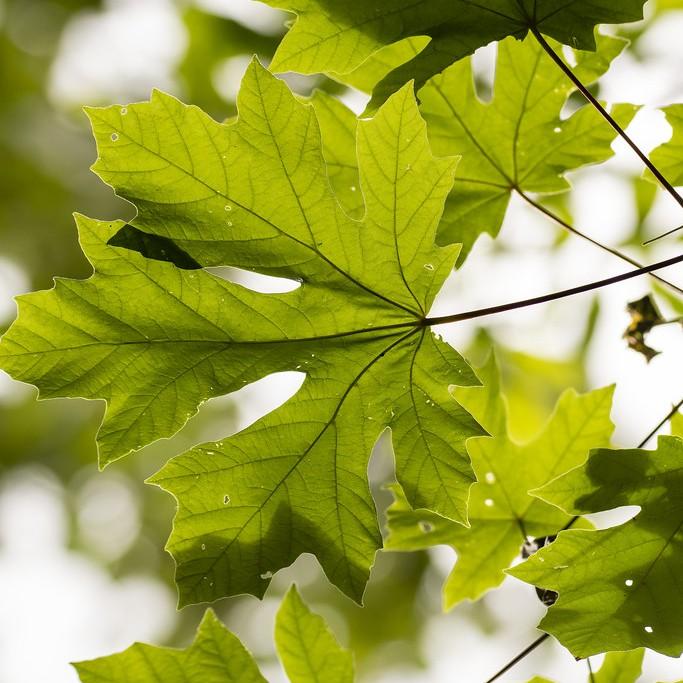
Big Leaf Maple
Acer macrophyllum
Black Gum
Nyssa sylvatica