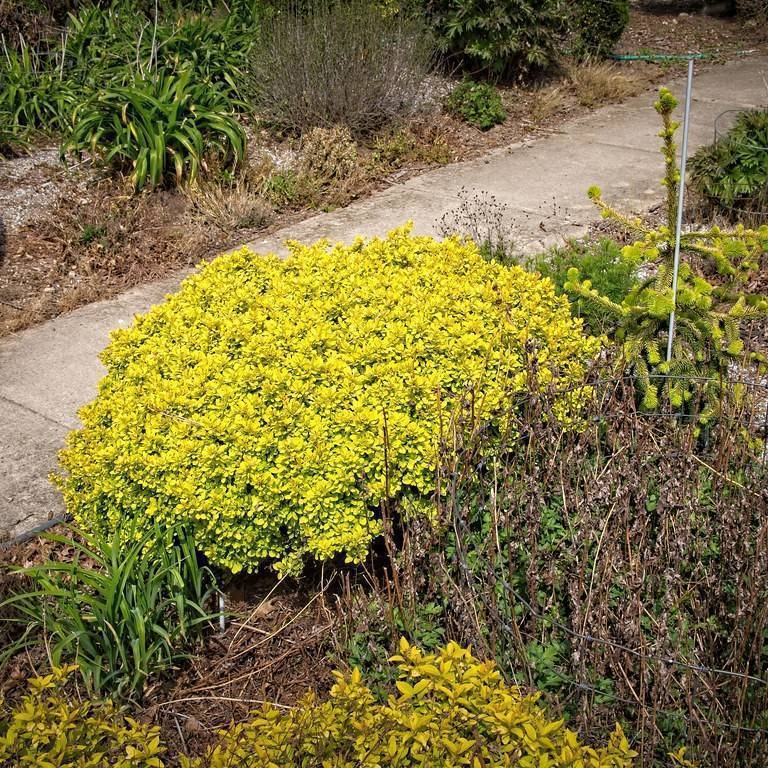
Japanese barberry
Berberis thunbergii 'Talago' SUNJOY GOLD BERET
Overview
The Japanese barberry (Berberis thunbergii 'Talago' SUNJOY GOLD BERET) is an amazing and versatile plant species ideal for a range of landscaping needs. It has a striking golden yellow foliage that adds visual interest to a garden, and when planted in large groups can provide a vibrant, eye-catching display. Its dense upright growth pattern makes it a great choice for hedging and barriers, as the barberry has excellent wind tolerant properties. Plus, its low-maintenance nature ensures it's easy to care for, requiring little pruning. Its hardiness and near invulnerability to disease and insects make it an ideal choice for an array of gardens and settings.
Care Guide
Watering
Water your Japanese barberry, Berberis thunbergii 'Talago' SUNJOY GOLD BERET, once a week during the growing season (spring to fall), making sure to soak the soil around the base of the plant. Water deeply, then let the soil dry out slightly before watering again. In the winter, allow the soil to dry out completely between waterings. If the soil feels dry to the touch, then it’s time to water your Japanese barberry.
Light
Japanese barberry (Berberis thunbergii 'Talago' SUNJOY GOLD BERET) is a low-maintenance shrub that can thrive in partial shade to full sun. It prefers 6 to 8 hours of direct sunlight a day, but it can tolerate a bit more in hotter climates. As with all plants, a sheltered spot is ideal. When planted in a locale with intense, afternoon sun, be sure to provide ample water. During the hottest times of the year, providing light afternoon shade can be beneficial.
Temperature
Hardiness zone 4–8.
Pruning
Pruning of the Japanese barberry (Berberis thunbergii 'Talago' SUNJOY GOLD BERET) should take place annually in early spring, when the new growth begins and the plant is still dormant. Prior to pruning, it is important to remove any dead, diseased, or damaged branches. Light shaping can also be done during early spring, and can be done either to remove crossing or crowded branches, to allow the light to penetrate the plant, or to help shape the plant into a desired form. After spring pruning, a light trimming is recommended in late summer to maintain the plant's shape. When pruning, be sure to avoid cutting into old wood with droopy branches, as this will reduce the plant's vigor and flowering potential.
Propagation
Cutting, Layering Propagation, Grafting Propagation, Division, Seed Propagation
Uses & Symbolism
Attracts: Birds.
Related plants
Other plants you might like if you grow Japanese barberry.
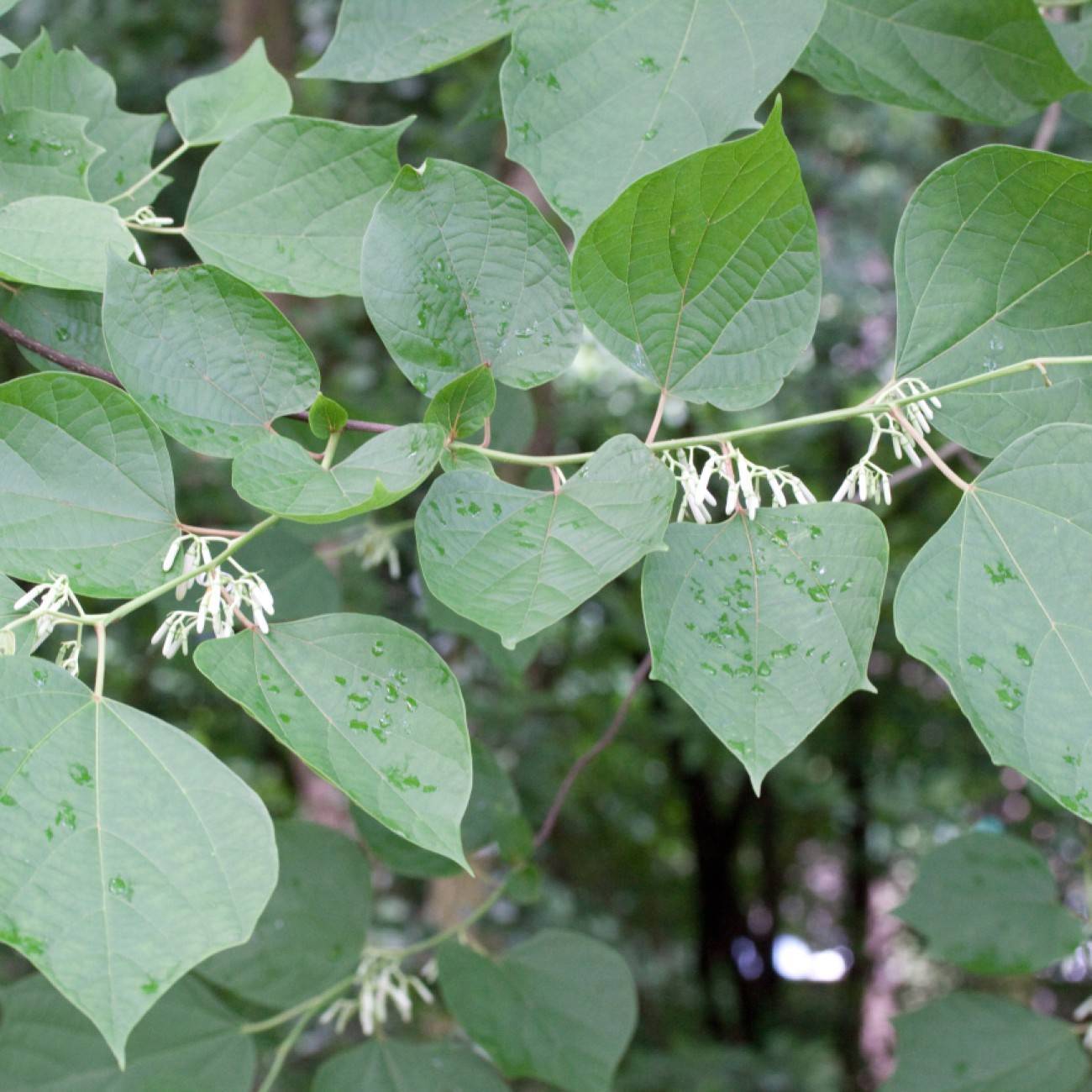
alangium
Alangium platanifolium var. macrophyllum
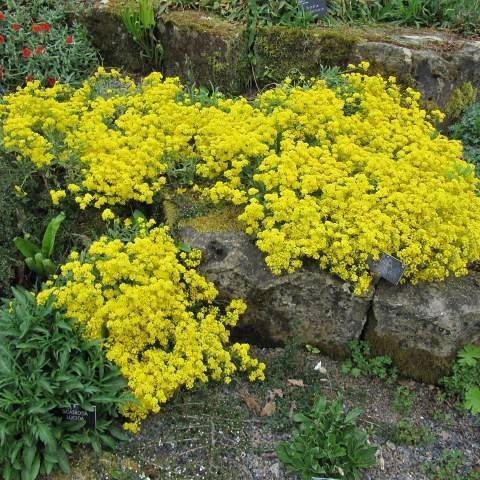
basket of gold
Aurinia saxatilis 'Gold Dust'
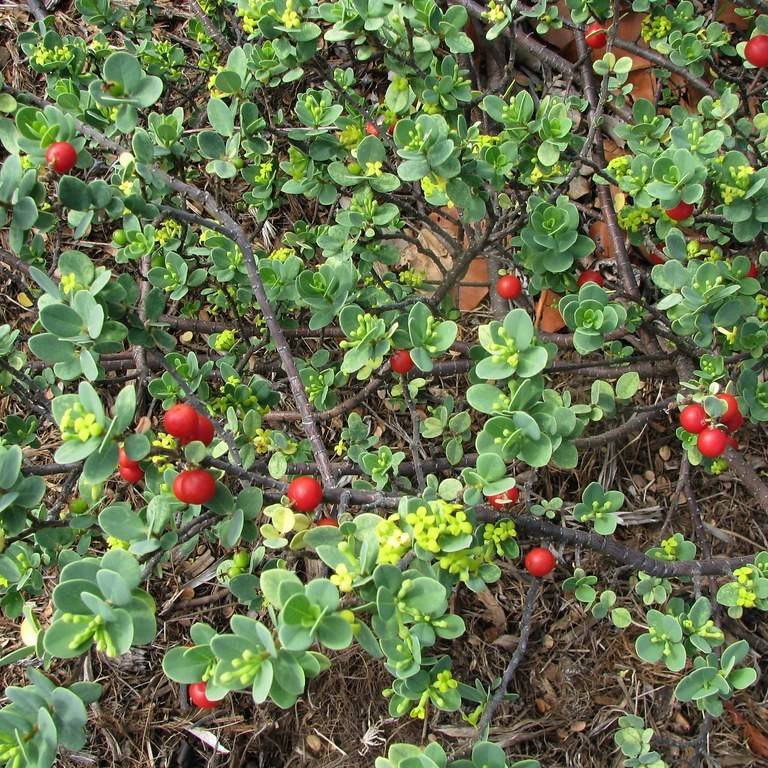
bearberry
Arctostaphylos uva-ursi 'Wood's Red'
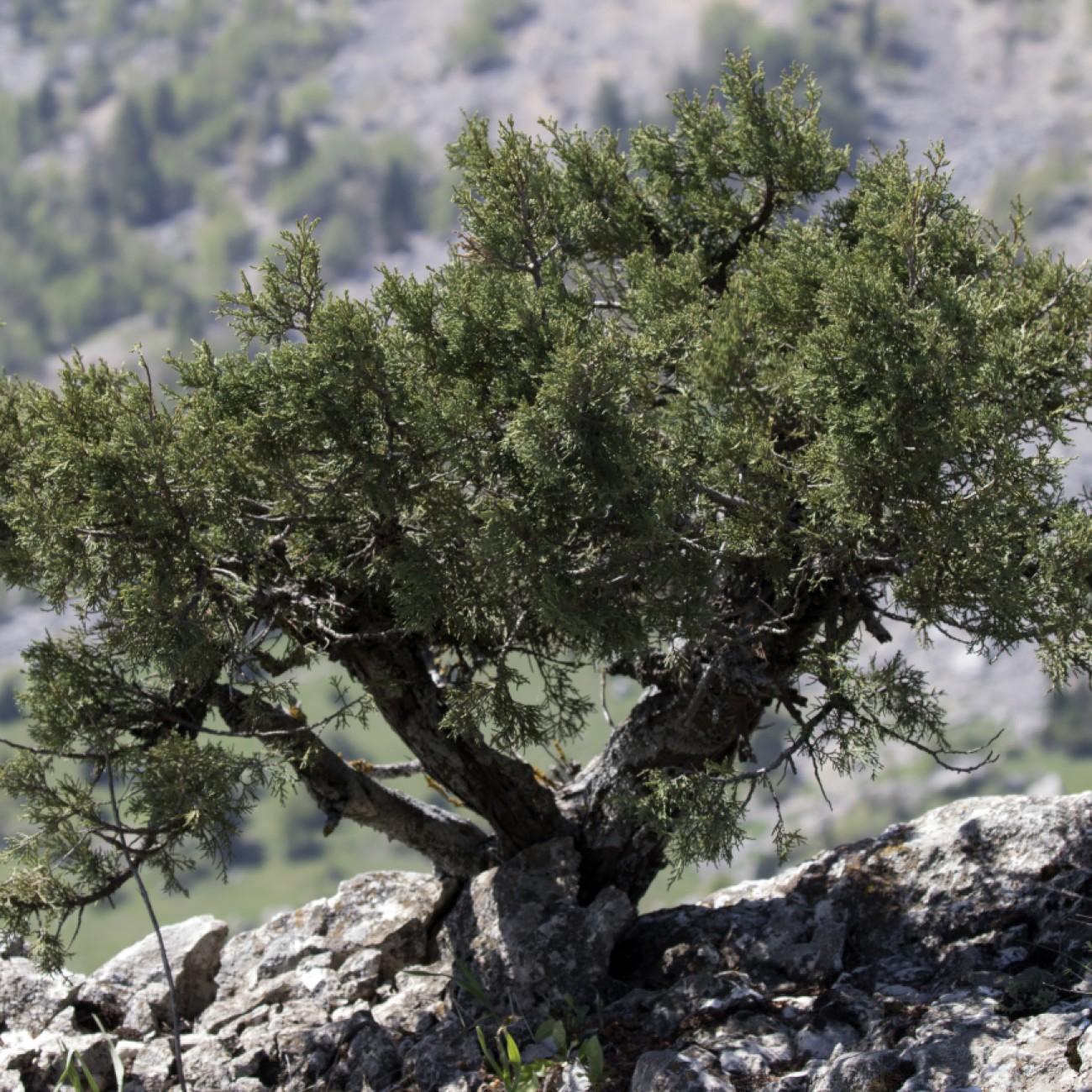
Blue Chip Juniper (tree form)
Juniperus horizontalis 'Blue Chip (tree form)'
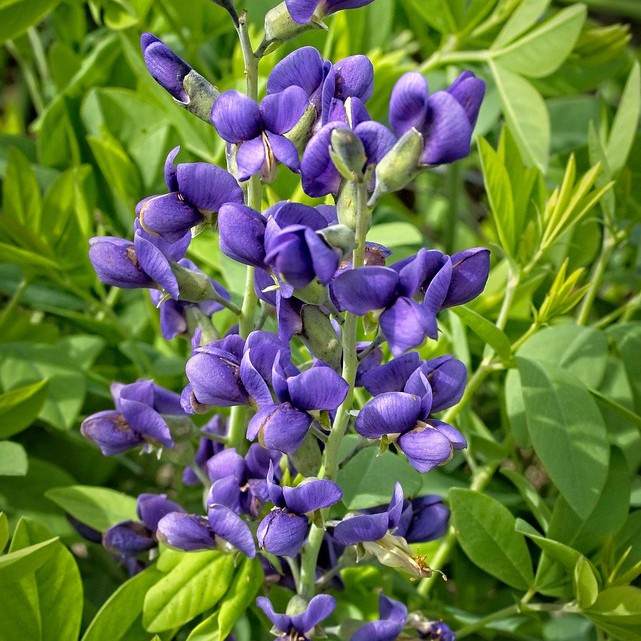
blue false indigo
Baptisia australis
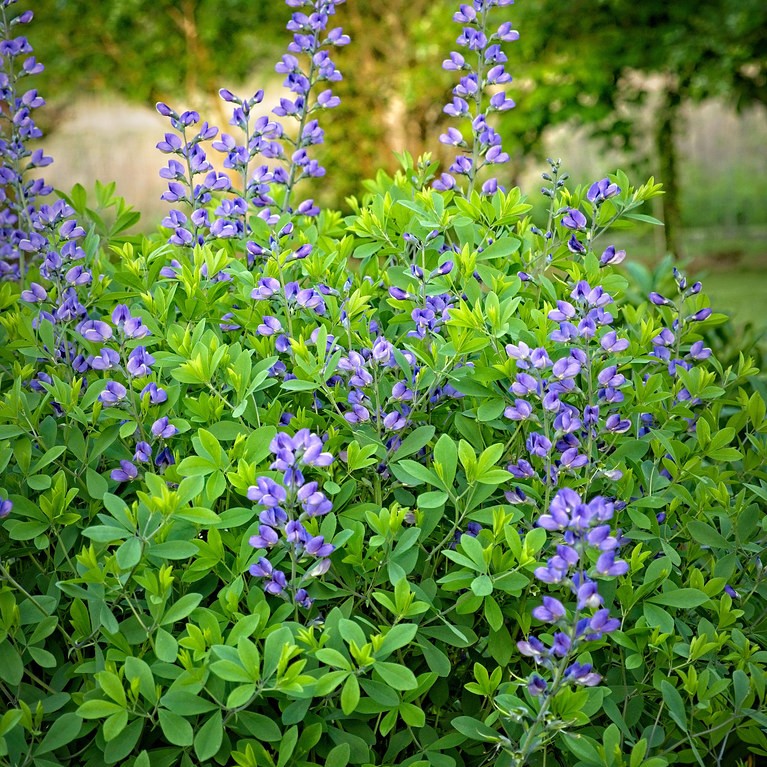
blue false indigo
Baptisia australis var. minor
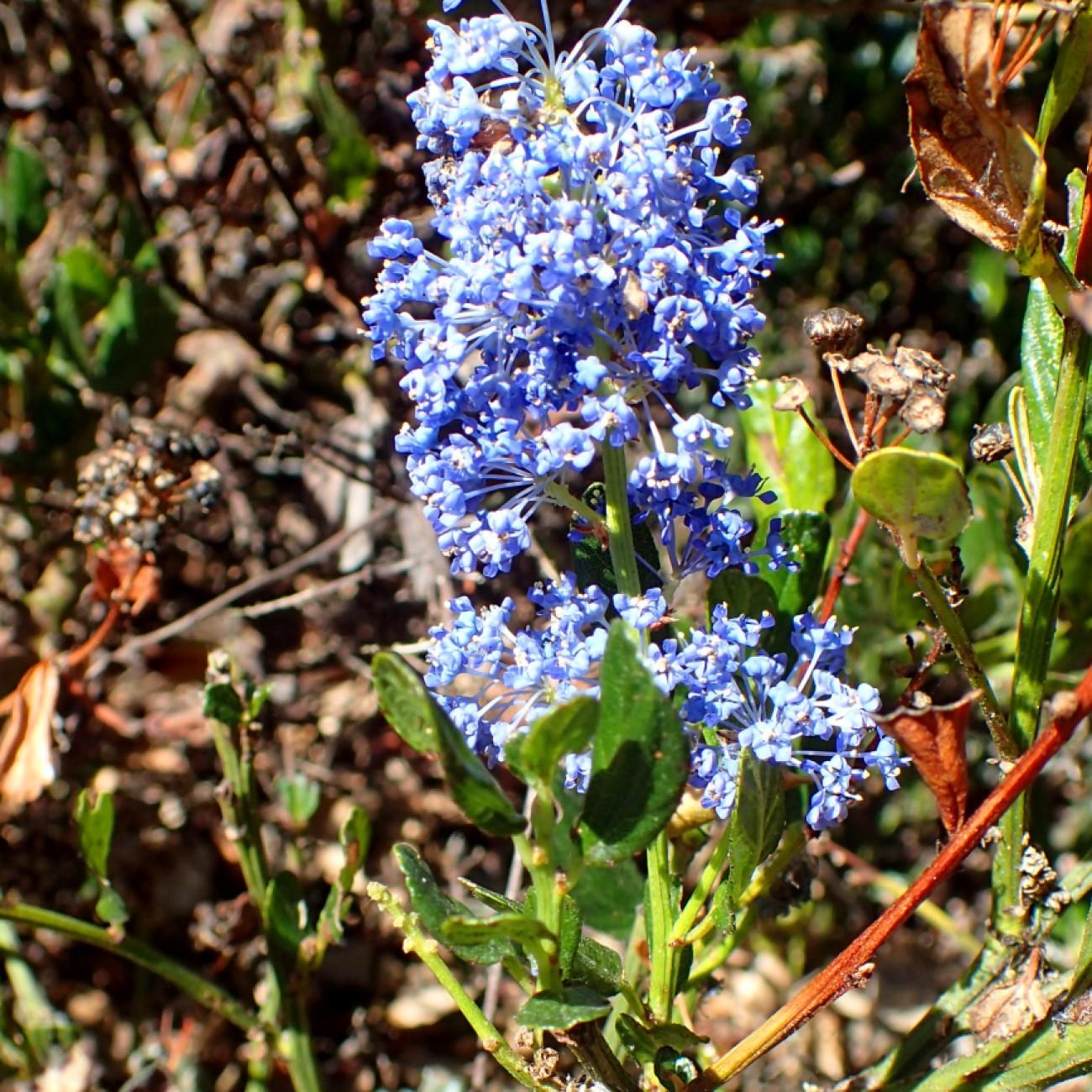
blue mountain lilac
Ceanothus thyrsiflorus 'Skylark'
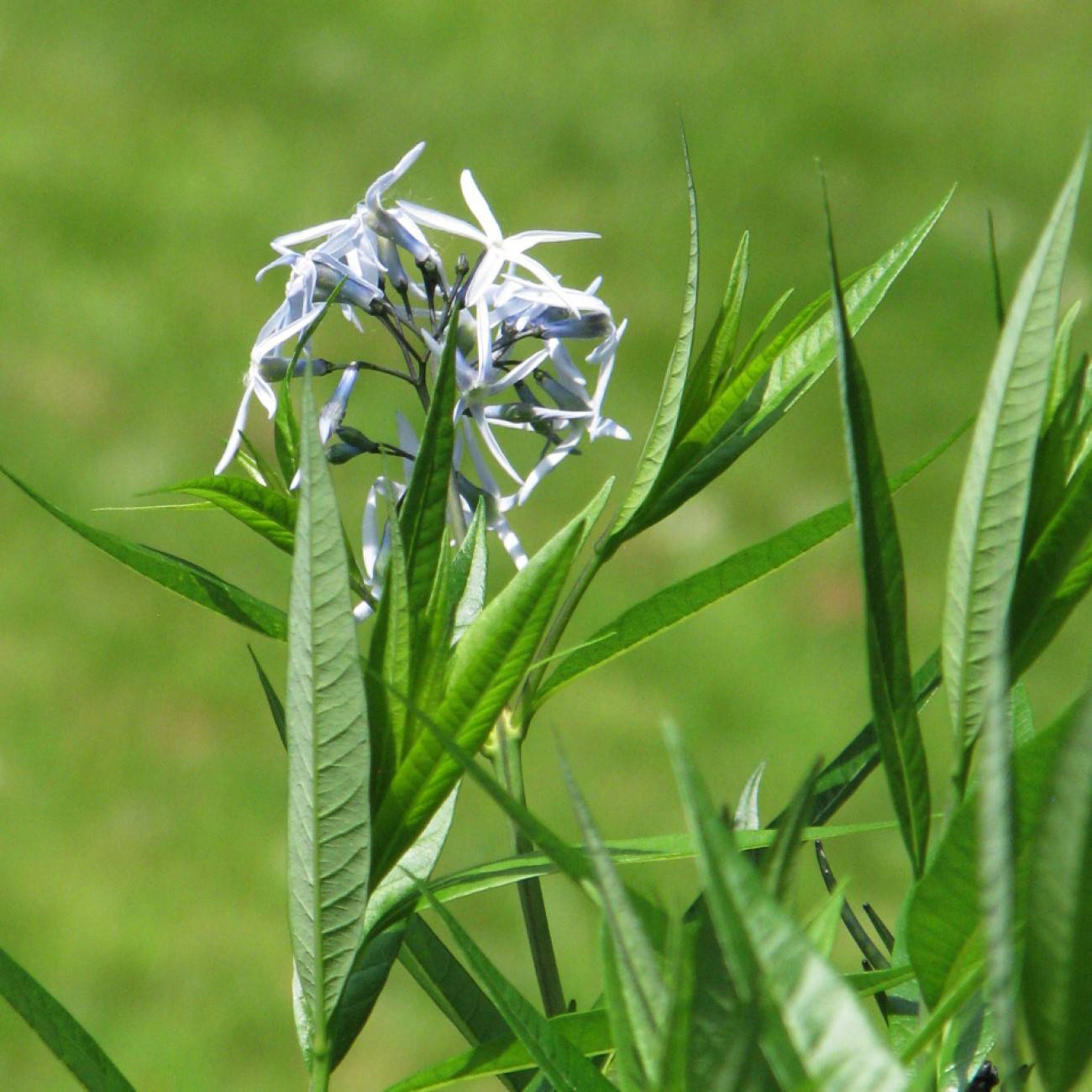
blue star
Amsonia ciliata var. filifolia 'Georgia Pancake'