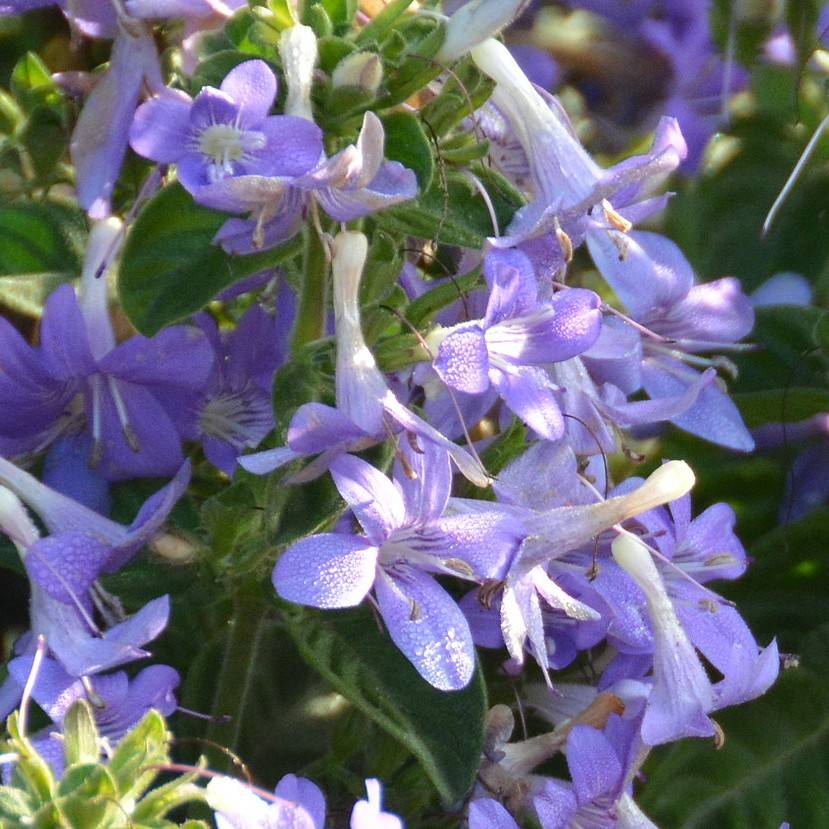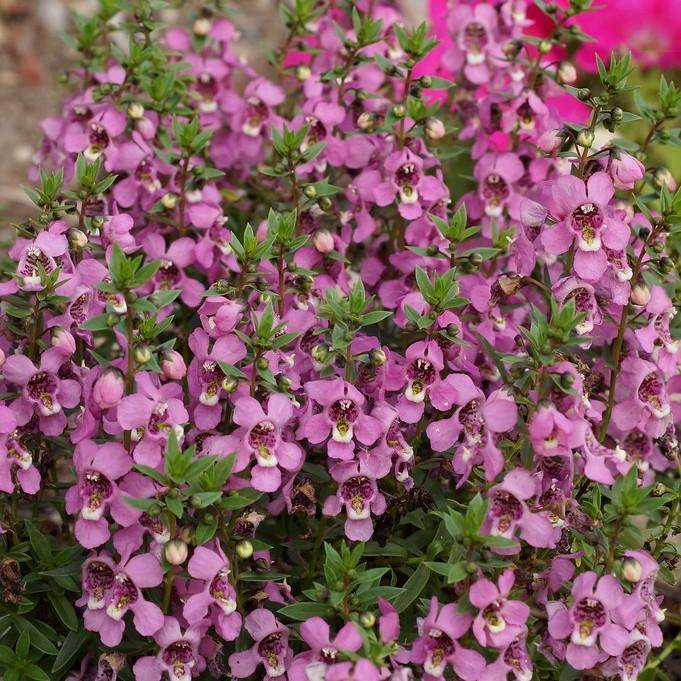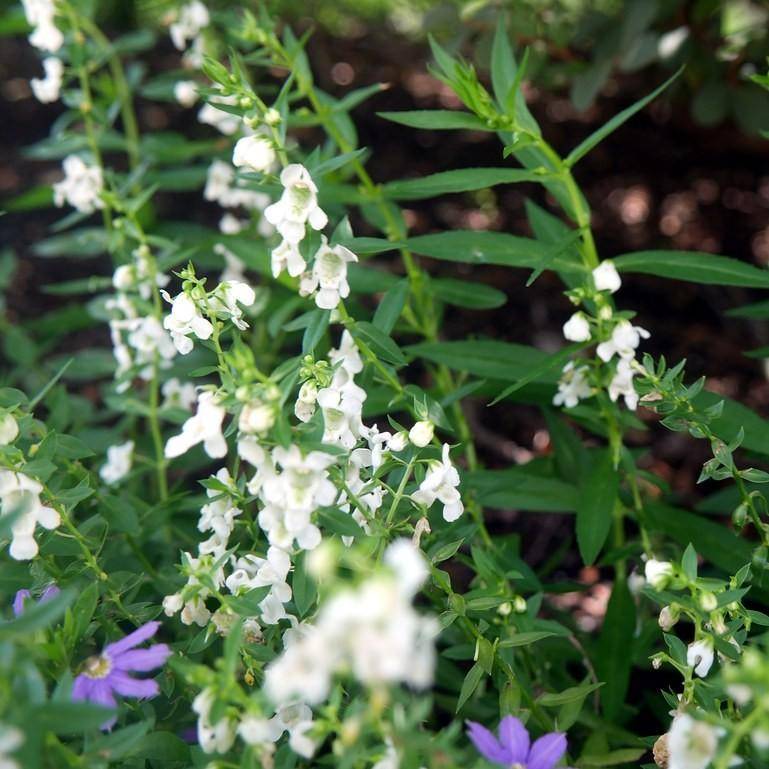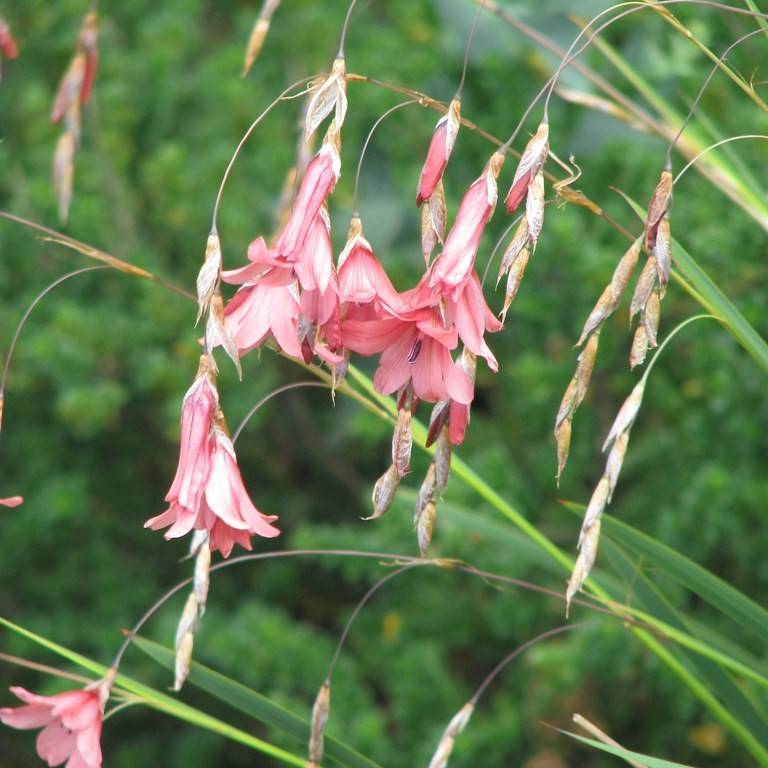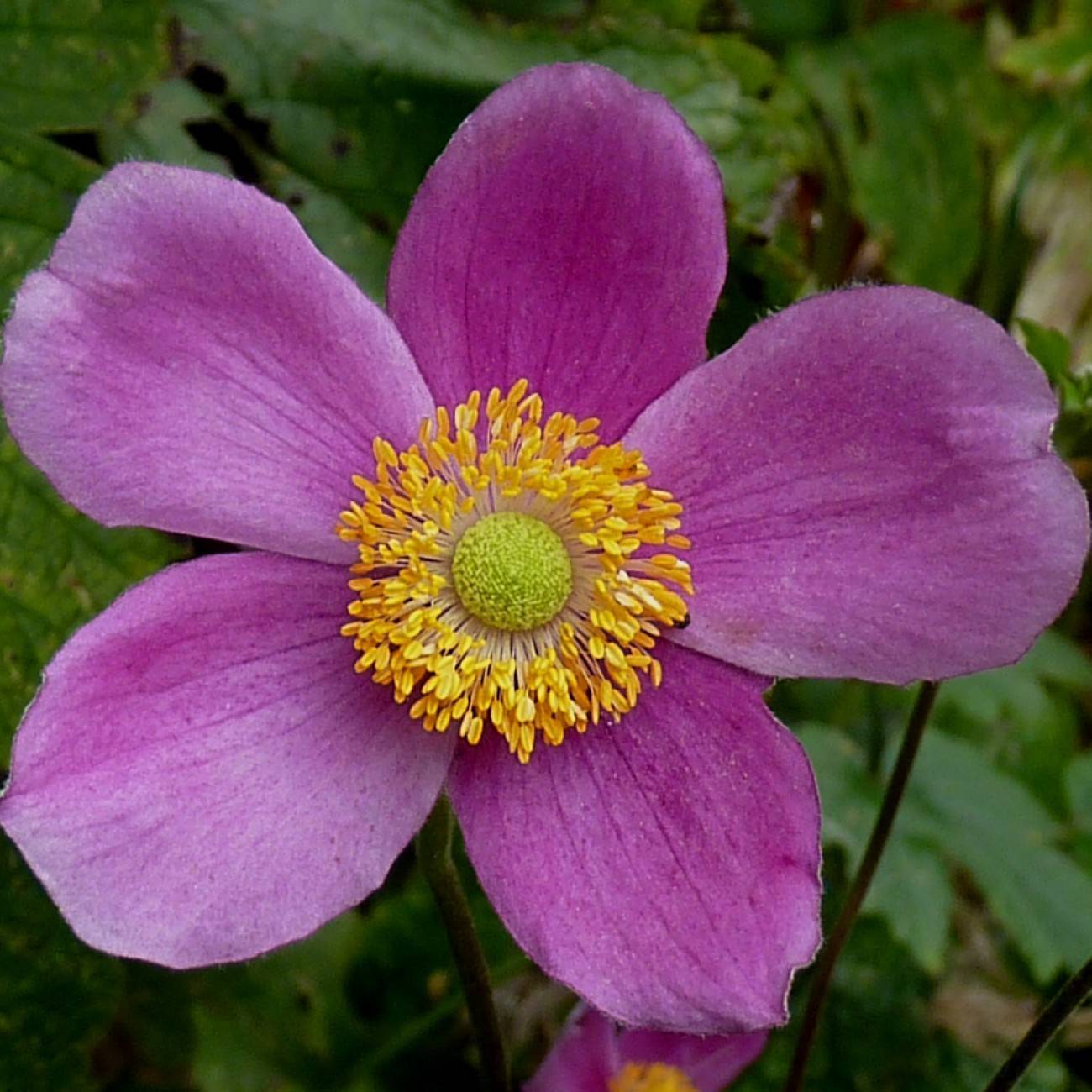
Japanese anemone
Anemone 'Red Riding Hood'
Overview
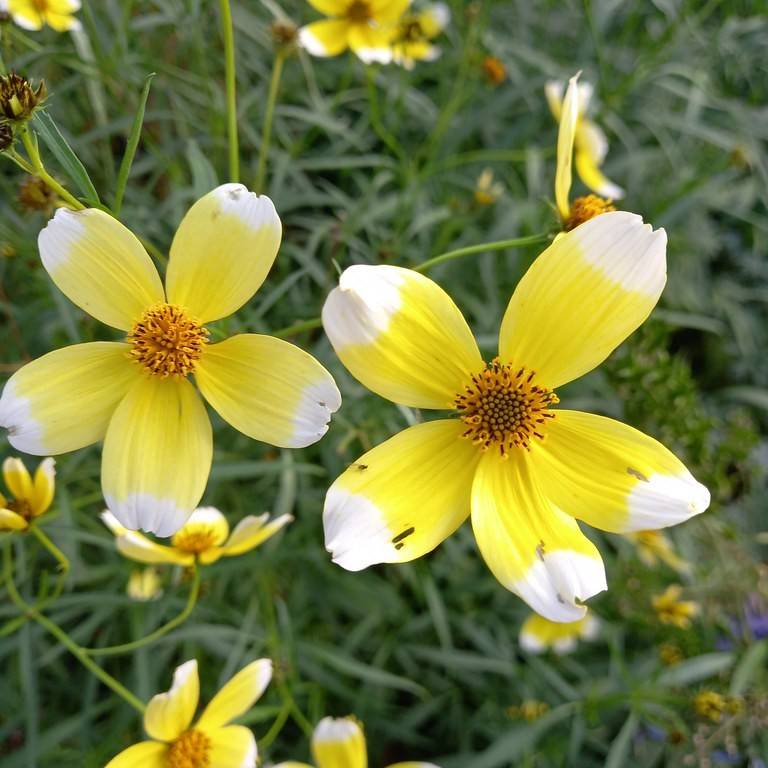
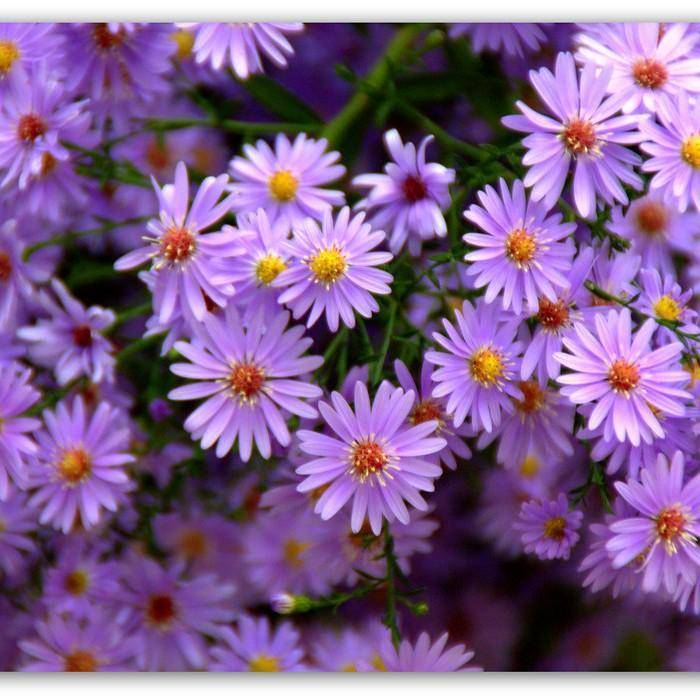
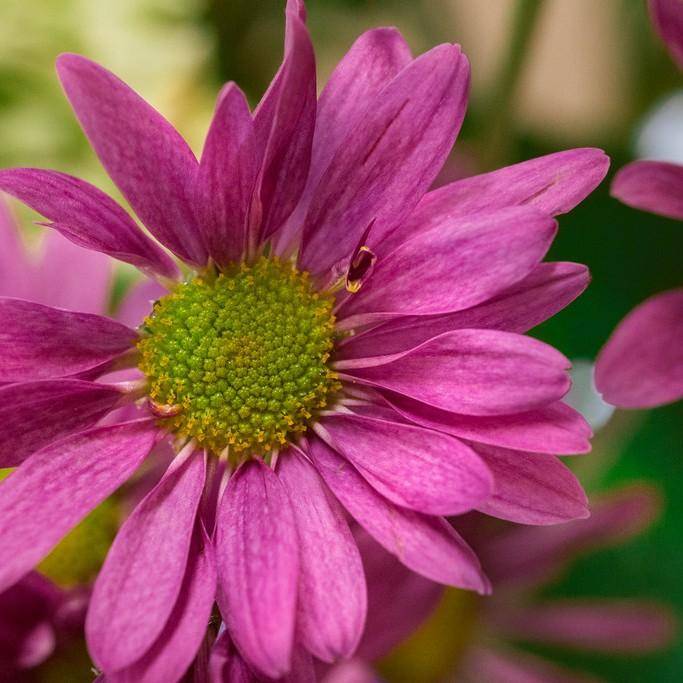
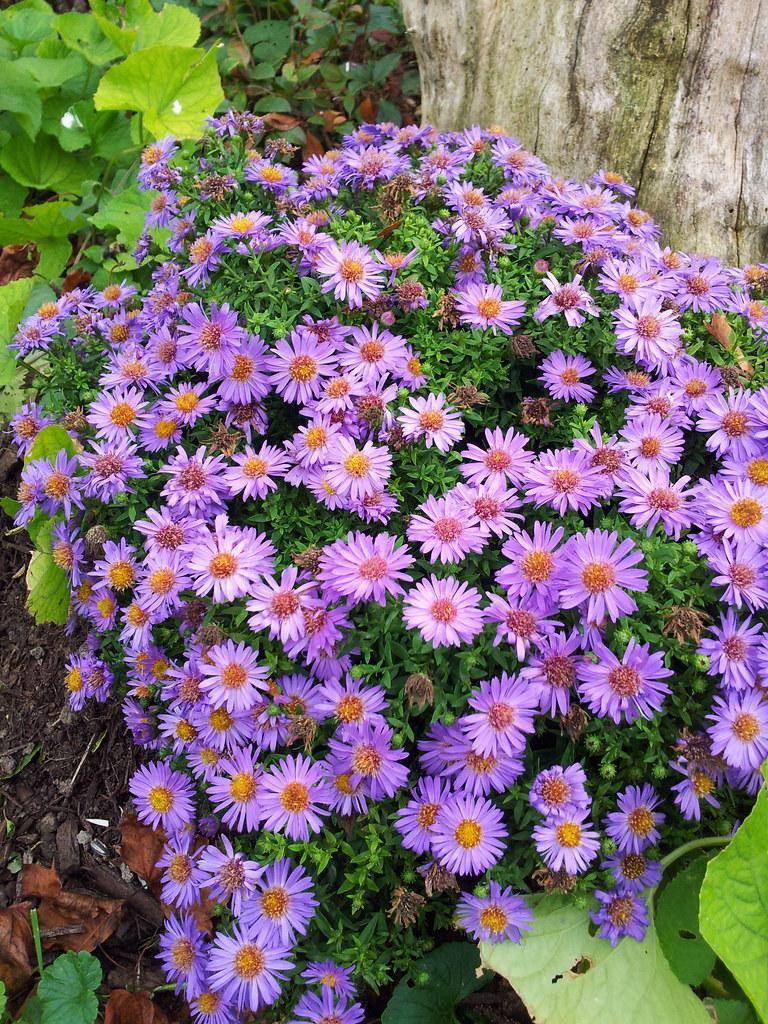
The Japanese anemone (Anemone 'Red Riding Hood') is a captivating flower sure to add drama and beauty to any garden. Its luminous red petals create an eye-catching contrast to its bright green foliage. This plant brings strong sprays of fragrant blooms each early Fall, captivating viewers with the velvety petals radiating out from its center. It is quite hardy and performs wonderfully in shade and partial shade, making it perfect for narrow or dark spaces that need a pop of color. Its luxurious blooms will bring joy to your garden year after year.
Care Guide
Watering
Water Japanese anemone (Anemone 'Red Riding Hood') generously during the growing season, once weekly or more if there are extended periods of hot, dry weather. Make sure the top 2 inches of the soil is moist but avoid over-watering as this can cause root rot. Reduce watering slightly in the winter, and allow the soil to dry out a bit between waterings.
Light
Japanese anemones (Anemone 'Red Riding Hood') thrive in full sunlight for at least 6 hours per day. However, direct sun for too long can lead to wilting or even burning of the foliage. It’s best to allow a few hours of direct sun in the morning, then give the plant shade or filtered sunlight in the afternoon. If possible, it's ideal to find an area where the plant can receive some late afternoon shade or cover it with cheesecloth or another breathable shade cloth in the afternoon. Provide plenty of ventilation to reduce the chances for disease that thrives in damp hot conditions.
Temperature
Hardiness zone 5–9.
Pruning
It is best to prune Japanese anemone (Anemone 'Red Riding Hood') in early spring, before new growth appears. This can help to keep the plant from getting too large and promote strong and healthy growth. Pruning should be done sparingly, removing only spent flowers and any dead or damaged stems. Removing too much foliage can harm the plant.
Propagation
Division, Cutting, Seed Propagation, Layering Propagation
Related plants
Other plants you might like if you grow Japanese anemone.