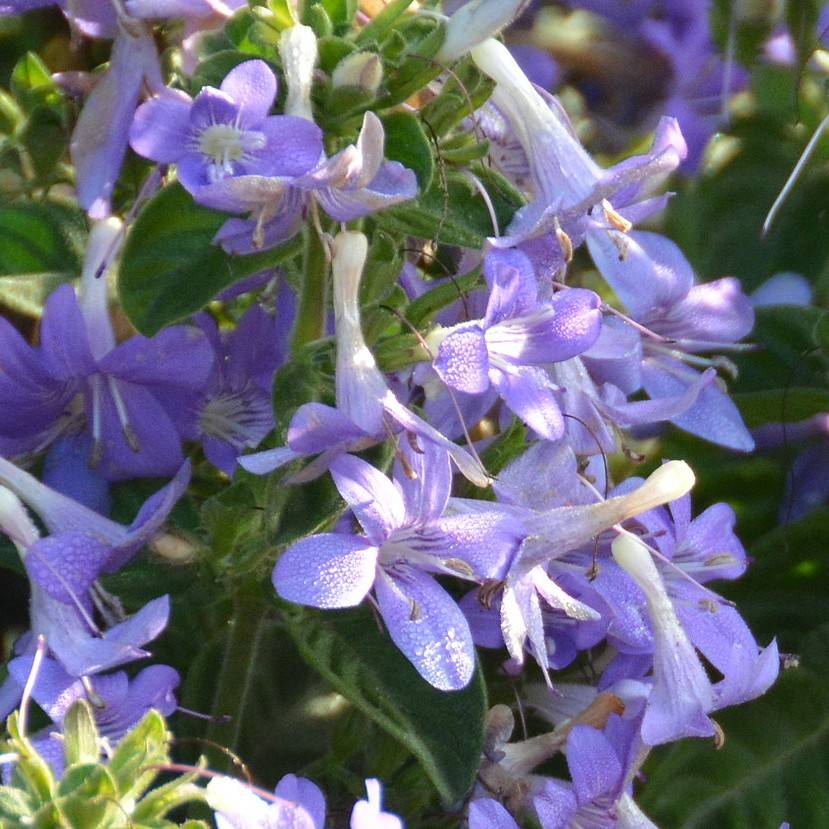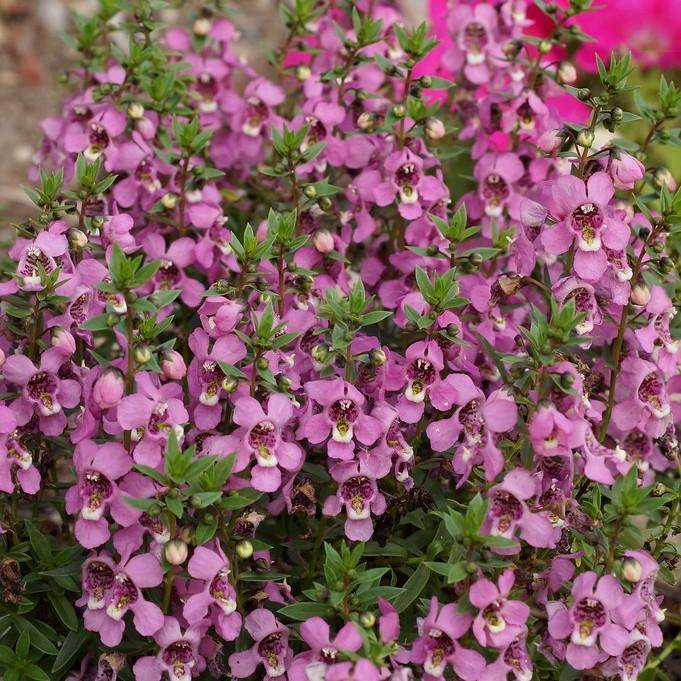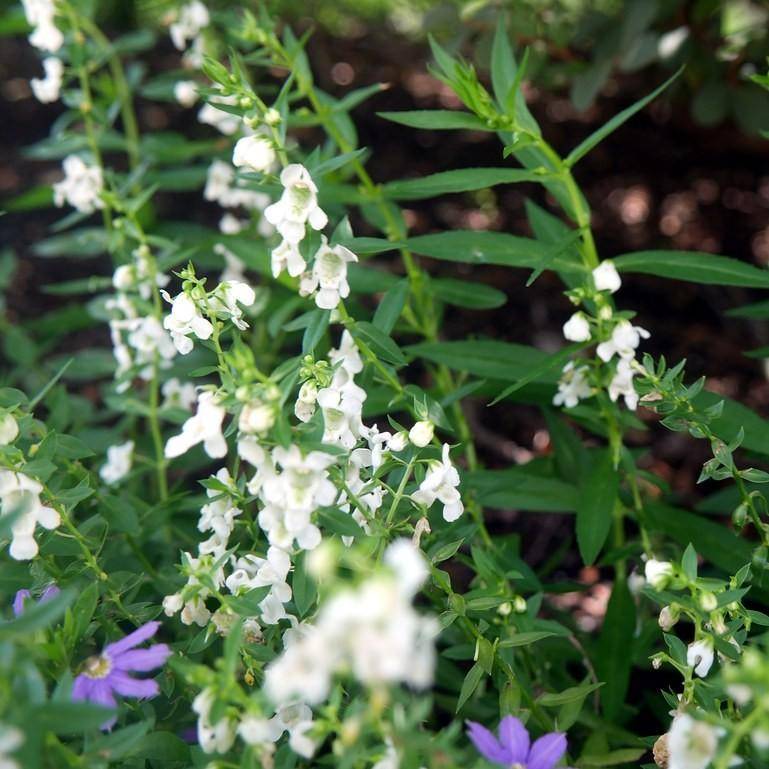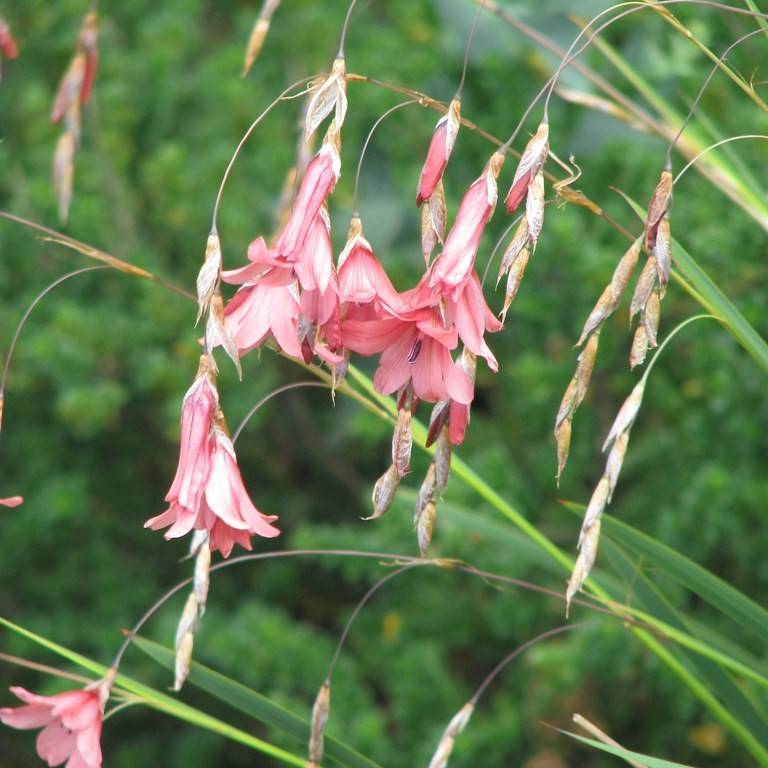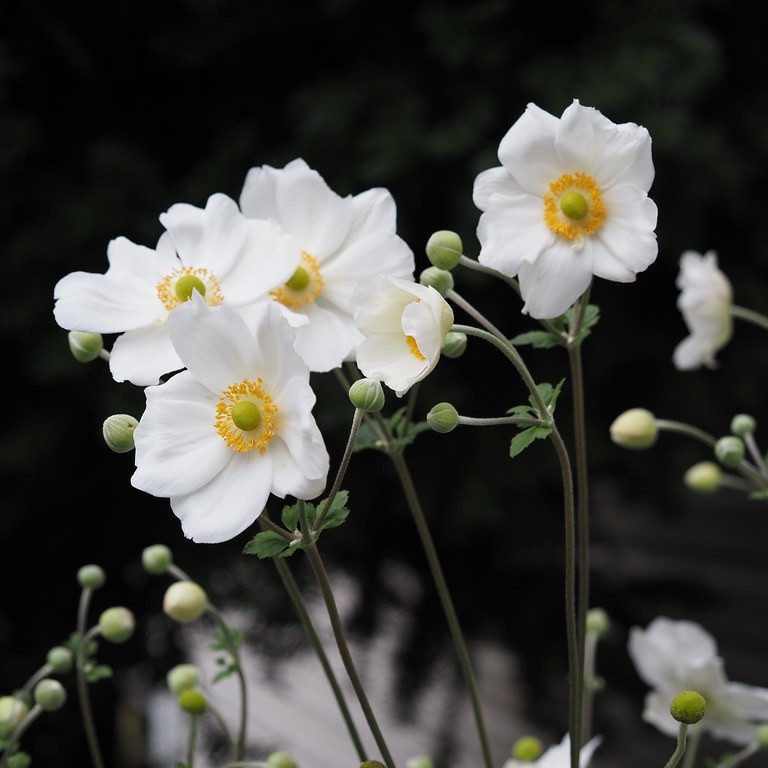
Japanese anemone
Anemone hybrida 'September Charm'
Overview
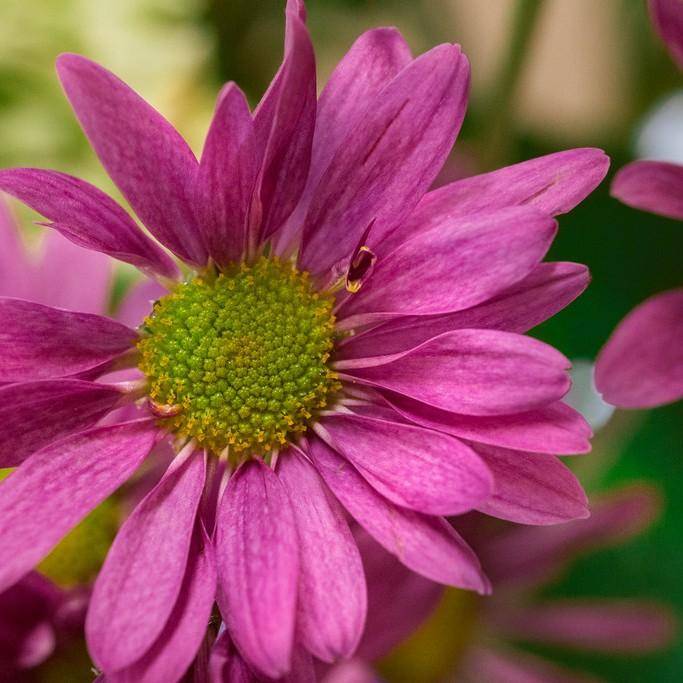
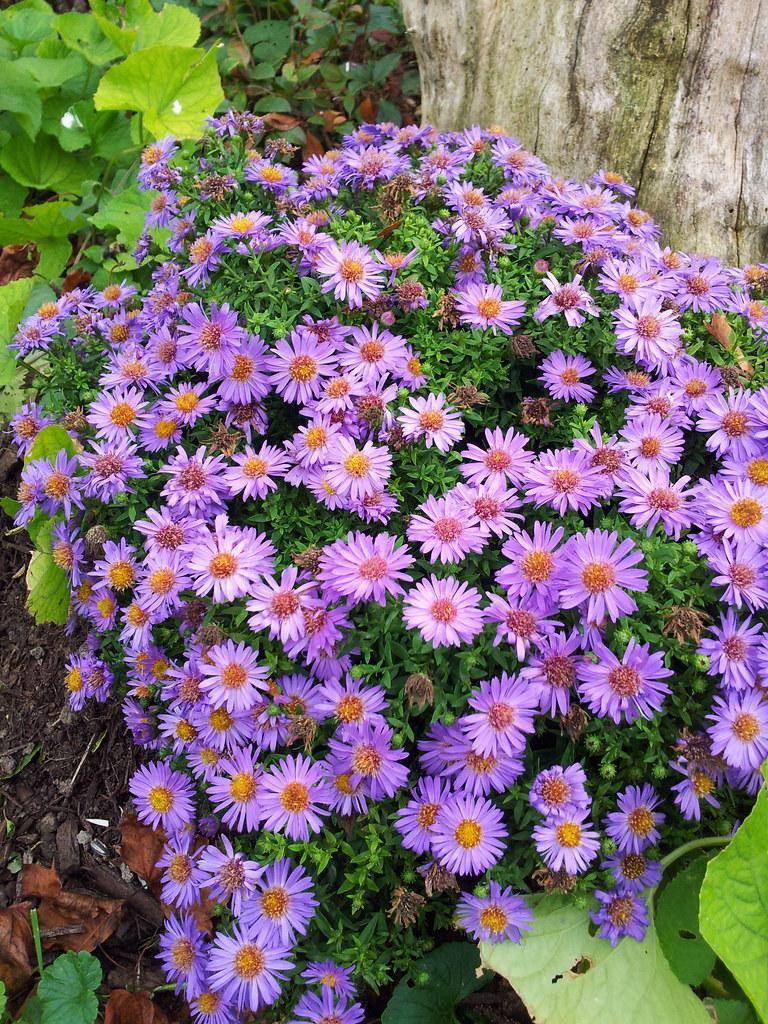
The Japanese anemone (Anemone hybrida 'September Charm') is a stunning addition to any garden. Its large pink and white blooms are eye-catching and reliably bloom from late summer through to fall. Its dark green, glossy foliage creates the perfect backdrop to the shades of pink, white, and even lavender and mauve flowers. It's easy to care for and maintains the same lush foliage all summer long, even in dry conditions. This hardy perennial grows in most soils and areas of sun or shade, making it an ideal choice for anyone wanting color in their garden all season long. Its flowers are loved by butterflies, and Japanese anemone is an ideal choice for anyone looking to add beauty and life to their garden.
Care Guide
Watering
Japanese anemone (Anemone hybrida 'September Charm') thrives in moist, well-drained soil and benefits from regular watering. Water deeply and thoroughly, until water is running out of the drainage holes. During warm summers, it may need weekly watering; less frequently during cooler and wet times. If the soil dries out between waterings, apply enough to moisten the soil and encourage deep rooting. Generally, it should not be allowed to dry out completely. When water restrictions are in effect, ensure plants are watered no less than once a week.
Light
Japanese anemone (Anemone hybrida 'September Charm') thrives in full sun to partial shade. It prefers 6-8 hours of sun per day. If grown in full sun, provide some afternoon shade in areas of the country with high summer temperatures.
Temperature
Hardiness zone 4–8.
Pruning
For the Japanese anemone (Anemone hybrida 'September Charm'), the best time for pruning is early spring, shortly after blooms have faded. During this time of year, you can easily spot any dead foliage or areas that need to be trimmed. Pruning should be thorough, removing any dead or notably damaged foliage from the base up. If needed, you can also lightly trim the whole plant back by 1-quarter of its height. Doing this will help promote denser, healthier growth for the upcoming growing season.
Propagation
Division, Cutting, Layering Propagation, Seed Propagation, Grafting Propagation
Related plants
Other plants you might like if you grow Japanese anemone.