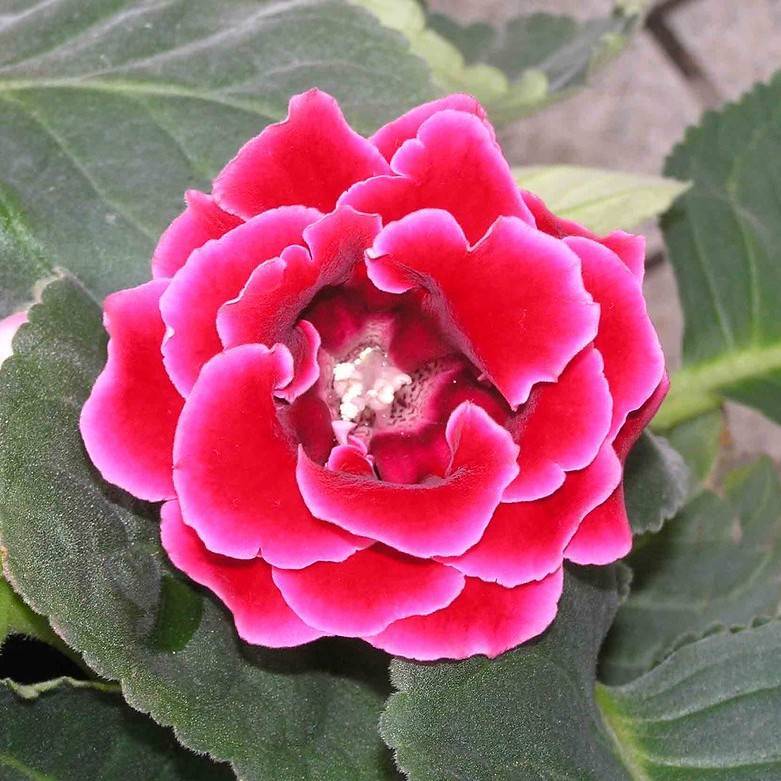
Gloxinia
Sinningia speciosa
Overview
Gloxinia, often classified under the genus Sinningia, is a tuberous perennial celebrated for its soft, fuzzy foliage and bold, bell-shaped flowers that come in shades of red, purple, pink, white, and bicolored patterns. Native to the rainforests of Brazil, it thrives in warm, humid environments with indirect light, making it a favorite for indoor container growing. After blooming, it enters a natural dormancy period where foliage dies back, and the tuber rests before regrowing in subsequent seasons.
Care Guide
Watering
Water gloxinia thoroughly when the top 1 inch of soil feels dry to the touch, avoiding getting water on the fuzzy leaves to prevent spotting and rot. Water directly at the base of the plant or use bottom watering by setting the pot in a tray of water for 15-20 minutes, then drain excess to avoid soggy soil which can rot the tuber. Reduce watering gradually as foliage yellows at the end of the blooming season, and stop watering entirely during dormancy until new growth emerges.
Light
Gloxinia prefers bright, indirect light, such as that from a north or east-facing window, to support robust blooming without scorching its delicate, fuzzy leaves. Avoid direct midday sun, which can burn foliage and fade flower colors; if grown in a south or west-facing window, filter light with a sheer curtain. During dormancy, store the tuber in a dark, cool location until new shoots appear, then return it to bright indirect light.
Soil
Use a light, well-draining, peat-based potting mix with added perlite or vermiculite to improve aeration and moisture retention around the tuber, avoiding heavy garden soils that compact easily. The ideal soil pH is slightly acidic, between 5.5 and 6.5, to support nutrient uptake for healthy foliage and blooms. Ensure the pot has adequate drainage holes to prevent water from pooling around the tuber and causing rot.
Fertilizer
Feed actively growing gloxinia every two weeks with a balanced, water-soluble houseplant fertilizer diluted to half strength, starting when new shoots emerge and stopping once the last flowers fade. Use a fertilizer with a slightly higher phosphorus content, such as a 10-15-10 formula, to support abundant flower production and strong root development. Do not fertilize during the dormancy period, as the inactive tuber does not require extra nutrients.
Temperature
Gloxinia thrives in average indoor temperatures between 65-75°F (18-24°C) during its active growing and blooming period, avoiding drafts and sudden temperature fluctuations. Temperatures below 60°F (15°C) can slow growth, damage foliage, and prevent buds from opening, while temperatures above 80°F (27°C) can cause wilting and shorten bloom time. During dormancy, store the potted tuber in a cooler location between 50-60°F (10-15°C) to support healthy rest.
Pruning
Remove spent flowers by pinching or cutting the stem at the base to encourage the plant to produce more buds and extend the blooming period. Trim yellowed or damaged leaves at their base as needed to maintain a tidy appearance and reduce the risk of fungal disease. Once all foliage dies back at the start of dormancy, cut back all remaining stems to 1 inch above the soil line to prepare the tuber for its rest period.
Propagation
Gloxinia is most commonly propagated by dividing the tuber during dormancy, carefully cutting healthy sections with at least one growing eye, allowing the cuts to callus for 24 hours before planting in fresh potting mix. It can also be propagated from leaf cuttings: take a healthy, mature leaf with a small section of petiole, insert the cut end into moist, sterile potting mix, and keep it warm and humid until new tubers and shoots form at the base. Growing from seed is possible but slower, with seeds sown on the surface of moist seed-starting mix and kept under bright indirect light until germination.
Humidity
Gloxinia prefers moderate to high humidity levels between 50-70% to support healthy foliage and prevent leaf tip browning, especially during active growth. Increase humidity around the plant by placing it on a pebble tray filled with water, using a small room humidifier, or grouping it with other moisture-loving plants, avoiding misting directly on the fuzzy leaves to prevent spotting and fungal growth. Keep the plant away from dry air sources such as heating vents, air conditioners, and drafty windows during the winter months.
Repotting
Repot gloxinia annually at the end of the dormancy period, before new growth emerges, gently removing the tuber from its old pot and brushing off excess soil. Plant the tuber in a pot that is 1-2 inches larger than the previous one, placing it so the top third of the tuber is above the soil line to prevent rot, and water lightly to settle the new soil. Use fresh, well-draining potting mix each time you repot to replenish nutrients and reduce the risk of soil-borne diseases.
Uses & Symbolism
Gloxinia is widely grown as a decorative indoor potted plant, valued for its long-lasting, vibrant blooms that make it a popular gift for holidays and special occasions. It is also used in seasonal outdoor container gardens in mild, frost-free climates where temperatures remain within its preferred range. In horticulture, it is often hybridized to create new cultivars with unique flower colors, patterns, and forms for the houseplant trade.
Diseases & Pests
Gloxinia is susceptible to root and tuber rot caused by overwatering or poorly draining soil, which presents as wilting foliage, yellowing leaves, and soft, mushy tuber tissue. Common fungal diseases include botrytis blight and powdery mildew, which thrive in cool, humid conditions with poor air circulation, causing fuzzy gray or white growth on leaves and flowers. Pests such as aphids, spider mites, and mealybugs may infest foliage, sucking sap and causing stunted growth, leaf yellowing, and distorted blooms.
Related plants
Other plants you might like if you grow Gloxinia.
%22%2F%3E%0A%20%20%20%20%20%20%3Ccircle%20cx%3D%22920%22%20cy%3D%22180%22%20r%3D%2290%22%20fill%3D%22%23cfe8d5%22%2F%3E%0A%20%20%20%20%20%20%3Cpath%20d%3D%22M600%20590c-90-180-215-255-310-280%200%20165%20118%20296%20270%20296h40z%22%20fill%3D%22%2379b88e%22%2F%3E%0A%20%20%20%20%20%20%3Cpath%20d%3D%22M600%20590c80-150%20198-212%20302-228-8%20142-123%20255-270%20255h-32z%22%20fill%3D%22%235c9f73%22%2F%3E%0A%20%20%20%20%20%20%3Cpath%20d%3D%22M600%20610V360%22%20stroke%3D%22%234f8c64%22%20stroke-width%3D%2218%22%20stroke-linecap%3D%22round%22%2F%3E%0A%20%20%20%20%20%20%3Ctext%20x%3D%22600%22%20y%3D%22700%22%20text-anchor%3D%22middle%22%20font-family%3D%22Arial%2C%20sans-serif%22%20font-size%3D%2244%22%20fill%3D%22%23365c45%22%3E%0A%20%20%20%20%20%20%20%20Plant%20image%20coming%20soon%0A%20%20%20%20%20%20%3C%2Ftext%3E%0A%20%20%20%20%3C%2Fsvg%3E%0A%20%20)
False Sinningia
Paliavouravia sinuata (syn. Sinningia leucotricha misapplied, Rechsteineria leucotricha)
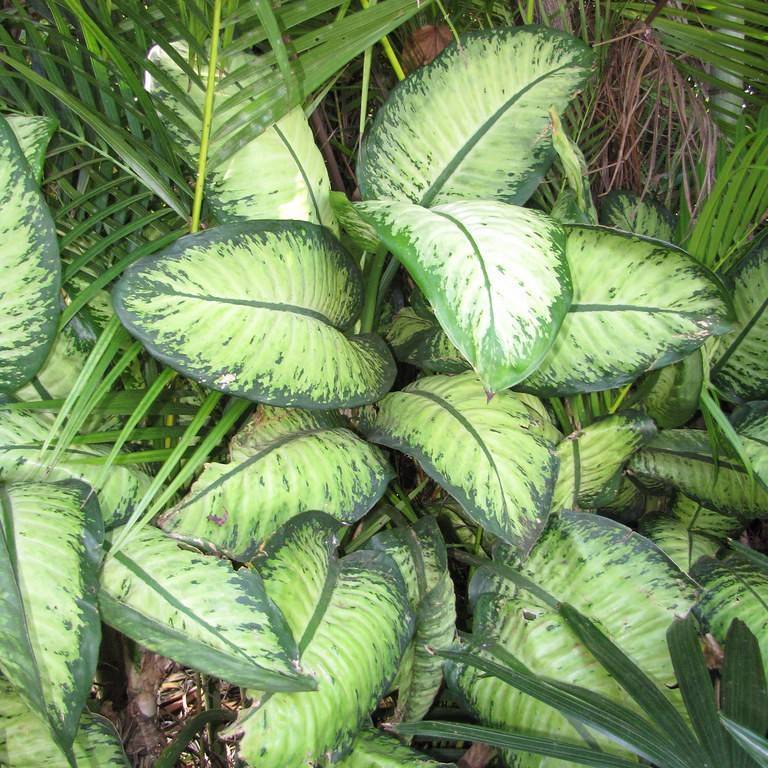
dumb cane
Dieffenbachia seguine
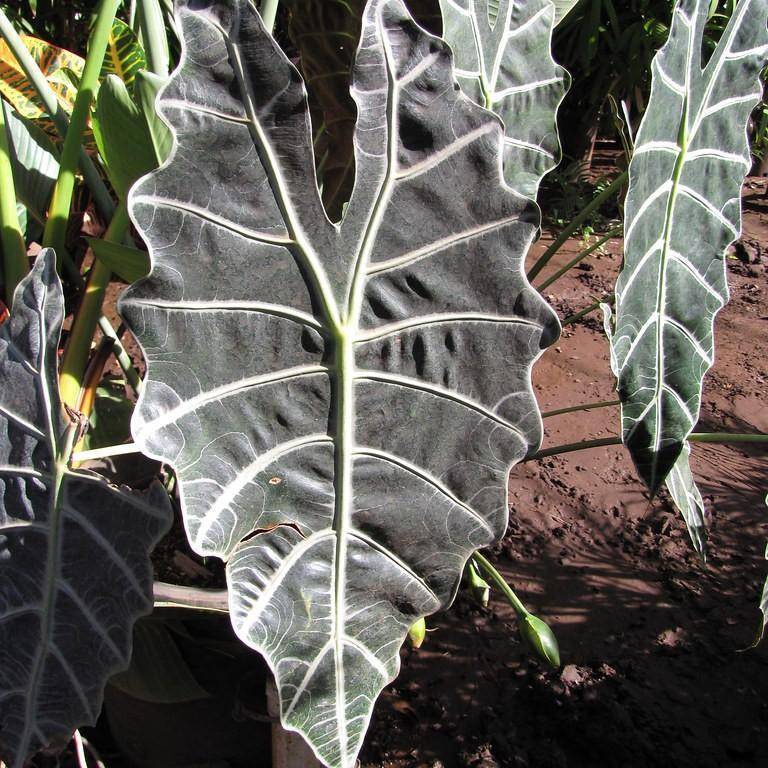
elephant's ear
Alocasia amazonica
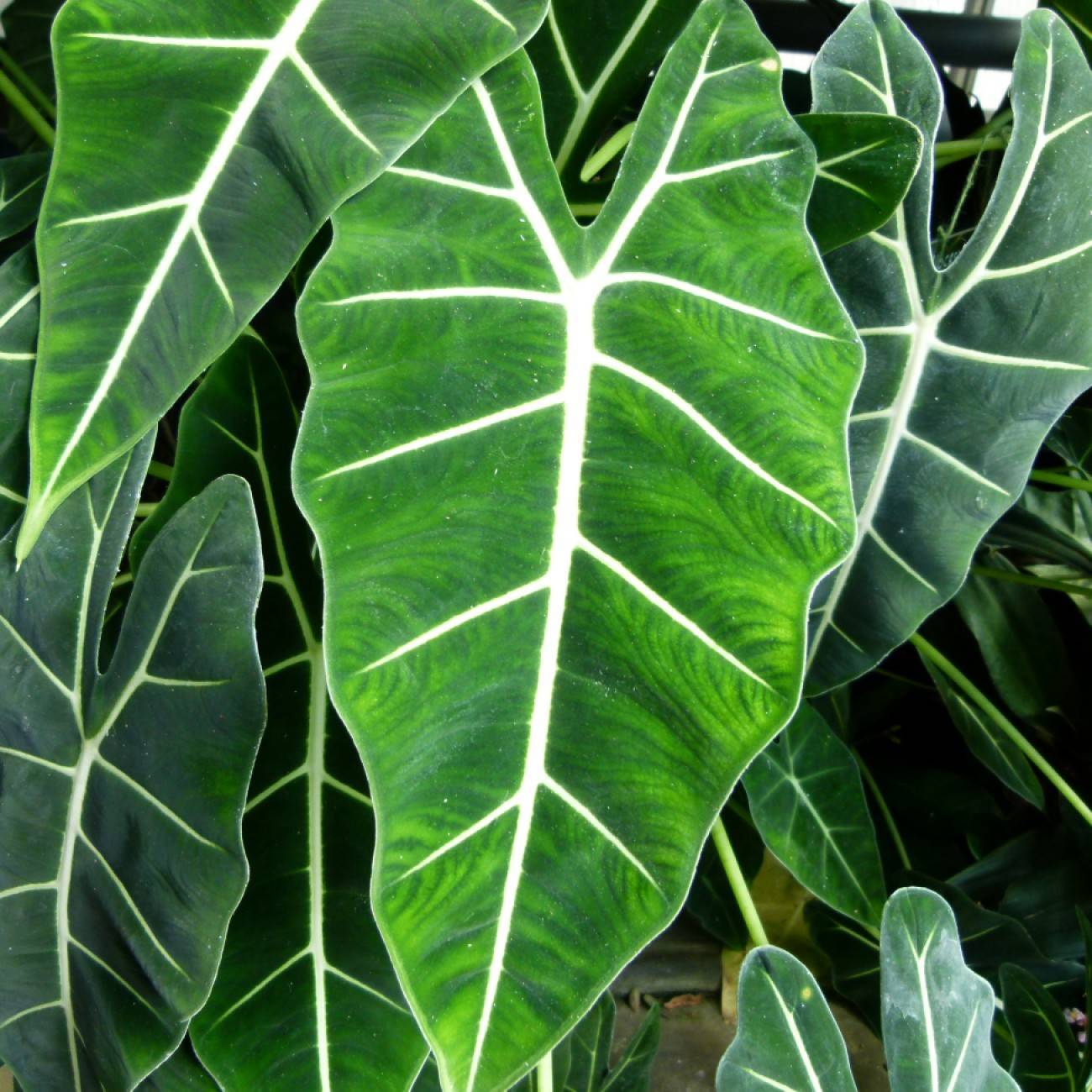
elephant's ear
Alocasia 'Frydek'
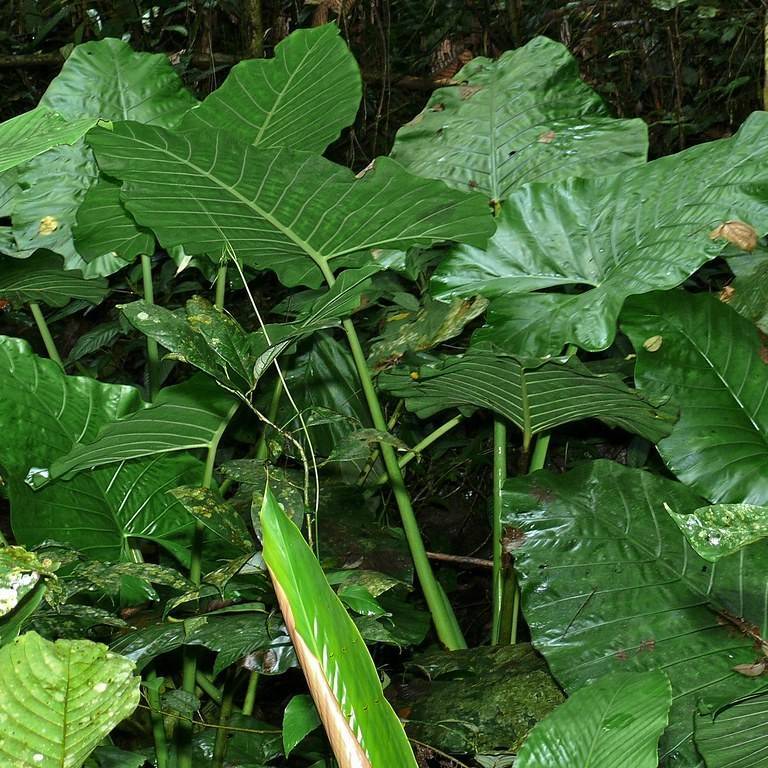
elephant's ear
Alocasia LOW RIDER
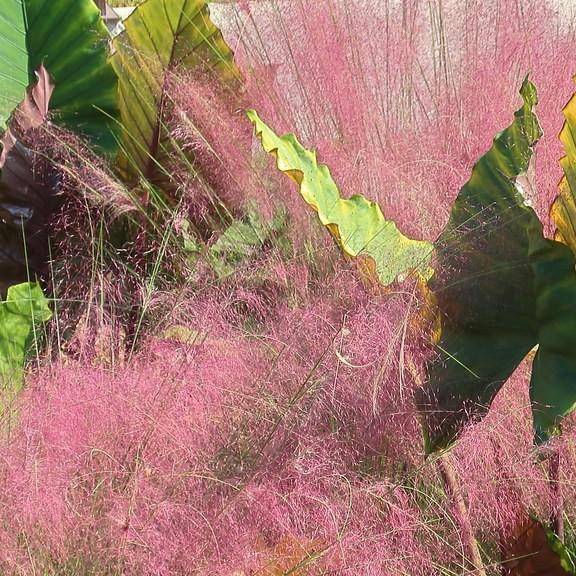
elephant's ear
Alocasia 'Portora'
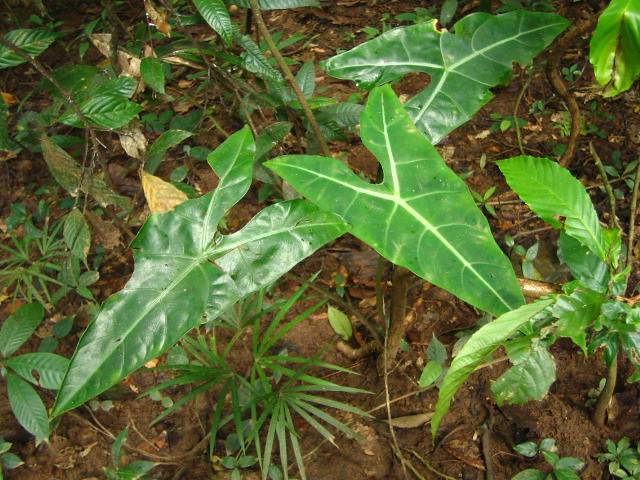
elephant's ear
Alocasia 'Sarian'
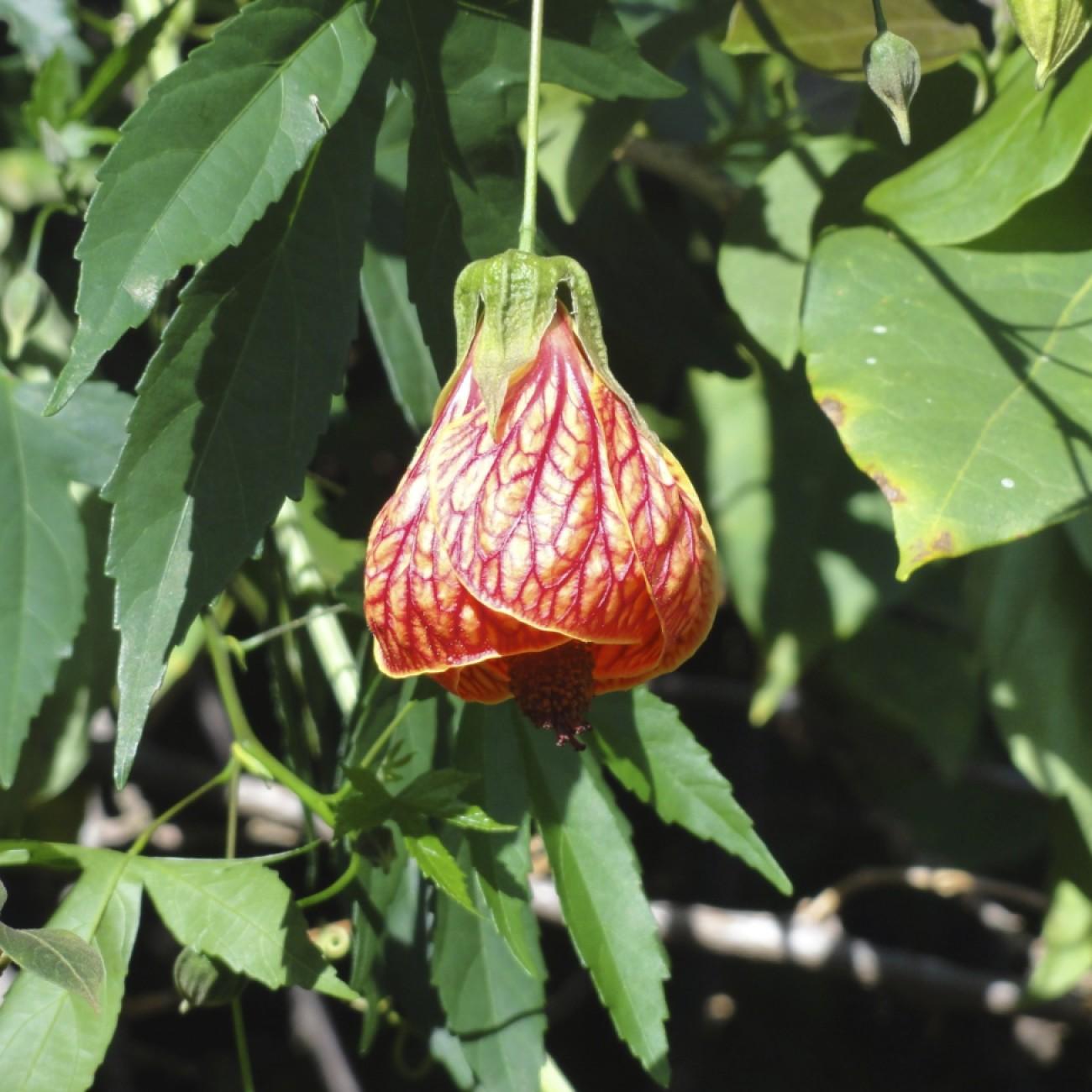
flowering-maple
Abutilon pictum 'Gold Dust'