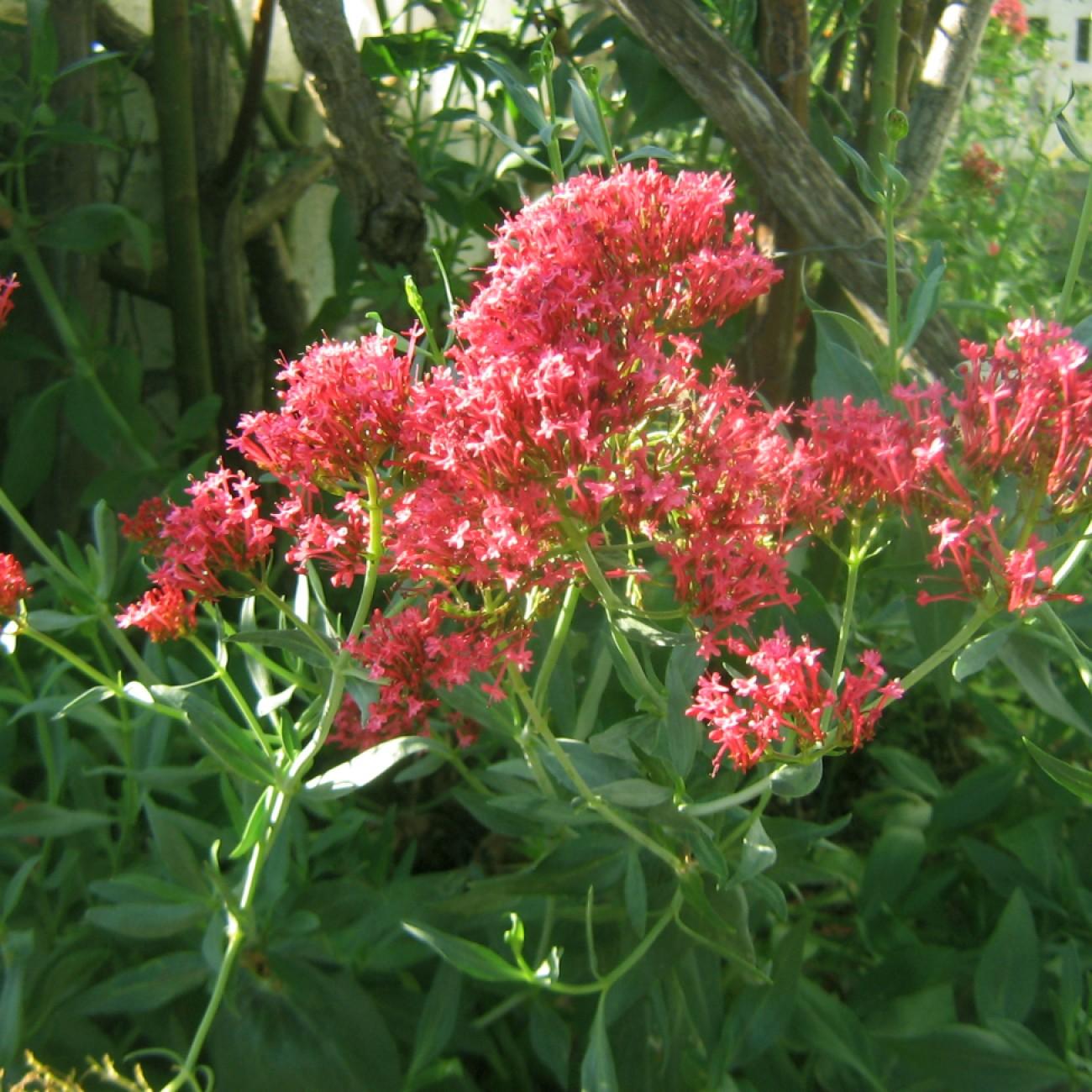
giant hyssop
Agastache 'Raspberry Summer'
Overview
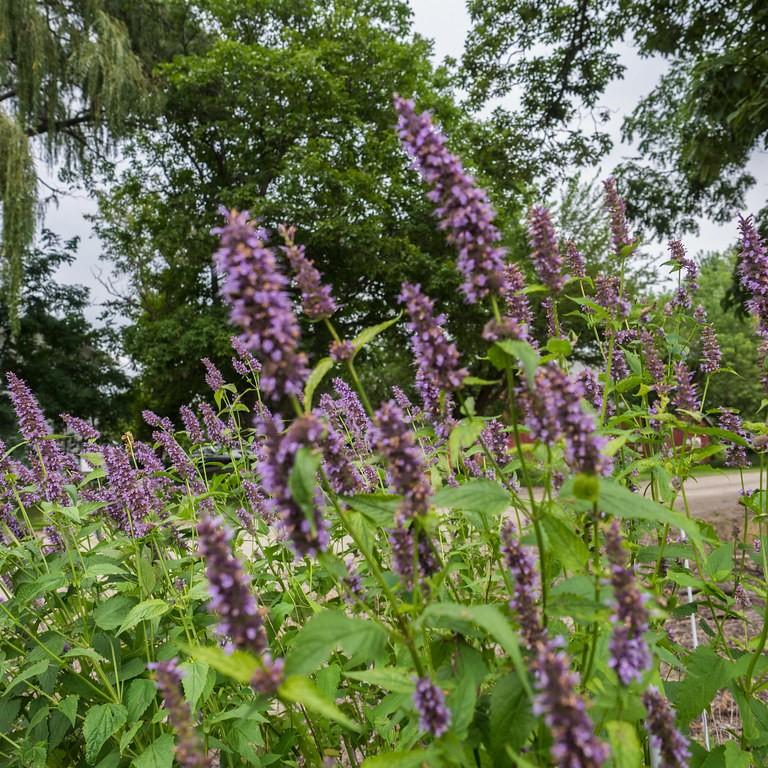
Giant hyssop (Agastache 'Raspberry Summer') is a unique and beautiful plant. It is noted for its tall stems and dark green colored foliage that produces spikes of stunning, raspberry-colored blooms in summer. Its bold presence in the garden along with its fragrant foliage and bright flowers are eye-catching and beautiful. This plant appreciates a sunny location and is drought and heat tolerant. It is a bee and butterfly magnet, inviting pollinators into the garden by the droves. This easy to care for perennial adds color and interest to the garden for many weeks and creates a beautiful landscape that borders on the supernatural. Giant hyssop is a stunning addition to the garden and is sure to impress all who see it.
Care Guide
Watering
Giant hyssop (Agastache 'Raspberry Summer') prefer a moist, but not soggy, soil. Water them heavily every other day during the summer months when temperatures are higher. During cooler temperatures, water them once a week. Let the soil surface dry slightly between watering. This will help prevent fungal diseasese from becoming a problem. If the plants are grown in containers, make sure they are checked daily for moisture. If the top 2 inches of soil are dry, it’s time to water.
Light
Giant hyssop (Agastache 'Raspberry Summer') favors a spot in the landscape that receives full sun. It usually requires 6-8 hours of direct sunlight every day to perform at its best. With too little sun, the plant can become weak and spindly or fail to thrive. If the plant does not receive enough sun, it can become susceptible to fungal diseases or fail to flower. When grown in the right environment, giant hyssop will provide beautiful foliage and lasting blooms from summer into fall.
Temperature
Hardiness zone 6–9.
Pruning
Giant hyssop (Agastache 'Raspberry Summer') should only be pruned twice a year, once in late spring after most of the flowering has finished, and then again in early fall after the plant has gone dormant. Pruning in late spring should consist of deadheading the faded flowers and shaping the plant to maintain its size and form. In early fall, the stems can be trimmed back to about 1-third of their original size. This should not remove the new growth made in the growing season, as this could cause the plant to become leggy and sparse.
Propagation
Division, Cutting, Seed Propagation, Layering Propagation
Uses & Symbolism
Attracts: Butterflies.
Related plants
Other plants you might like if you grow giant hyssop.
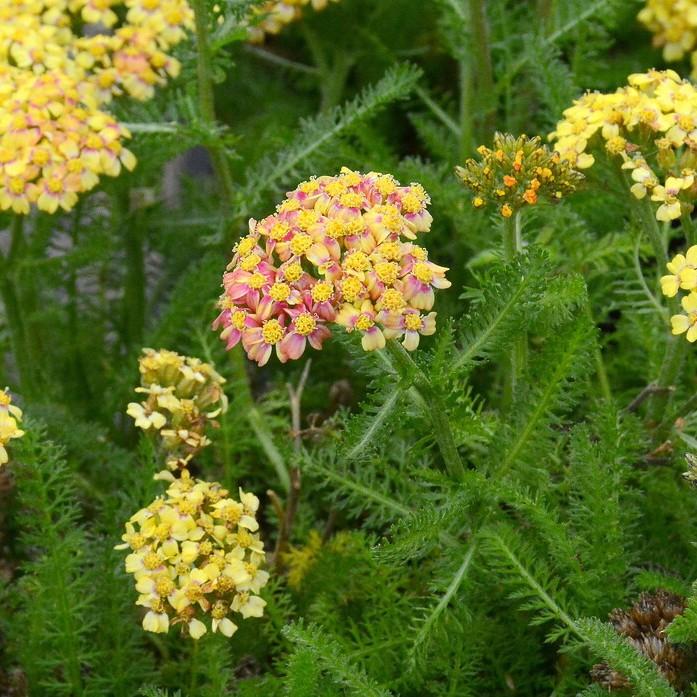
Alps yarrow
Achillea distans
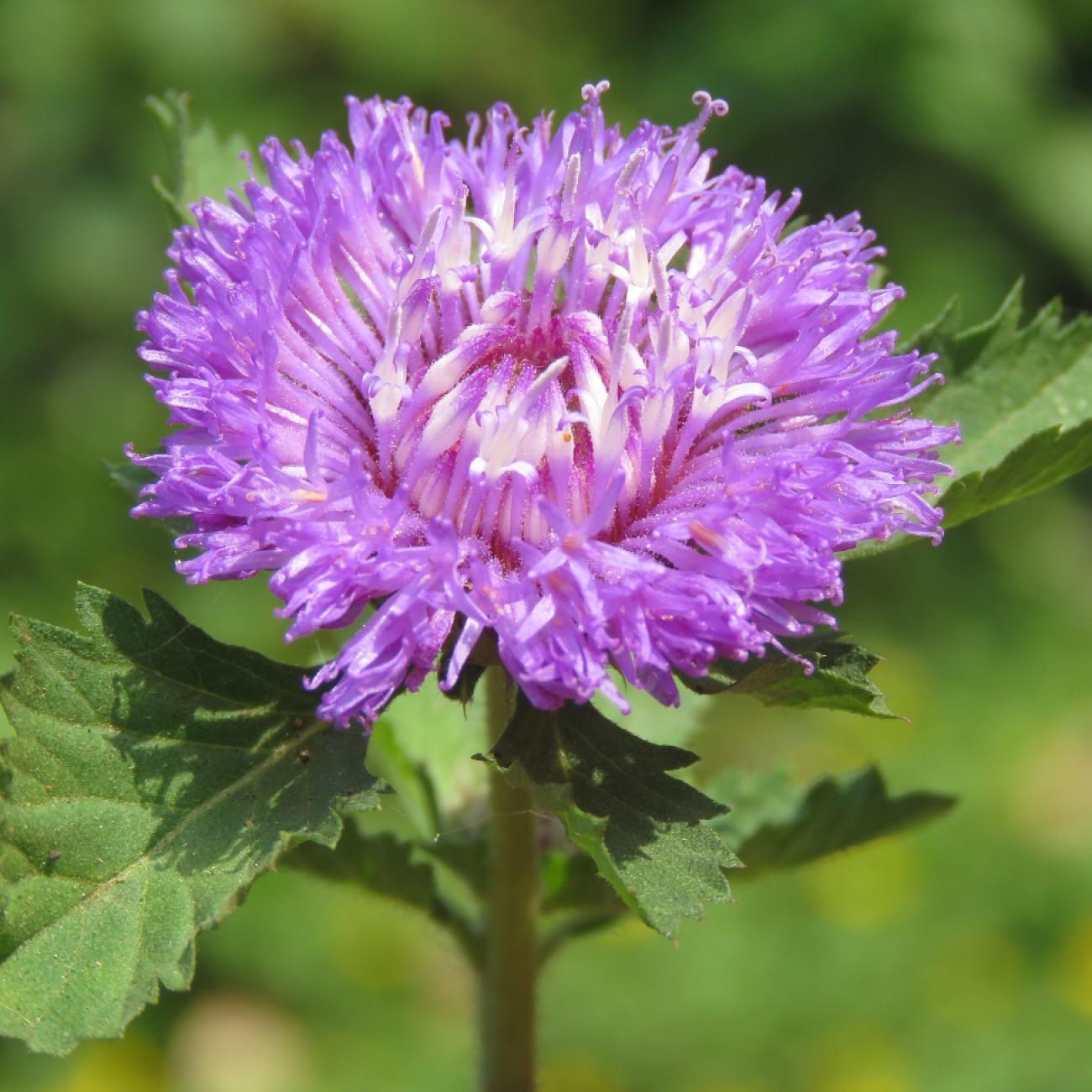
bachelor's button
Centratherum punctatum 'Button Beauty'
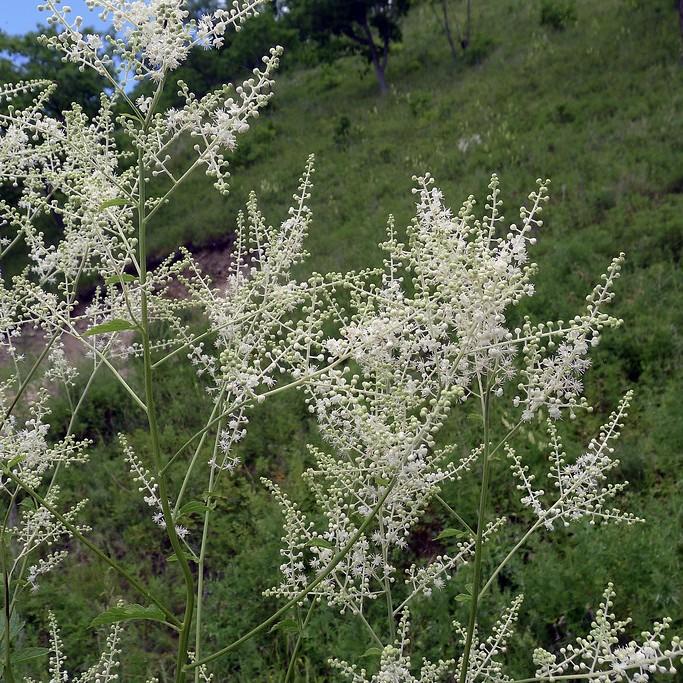
bugbane
Actaea dahurica
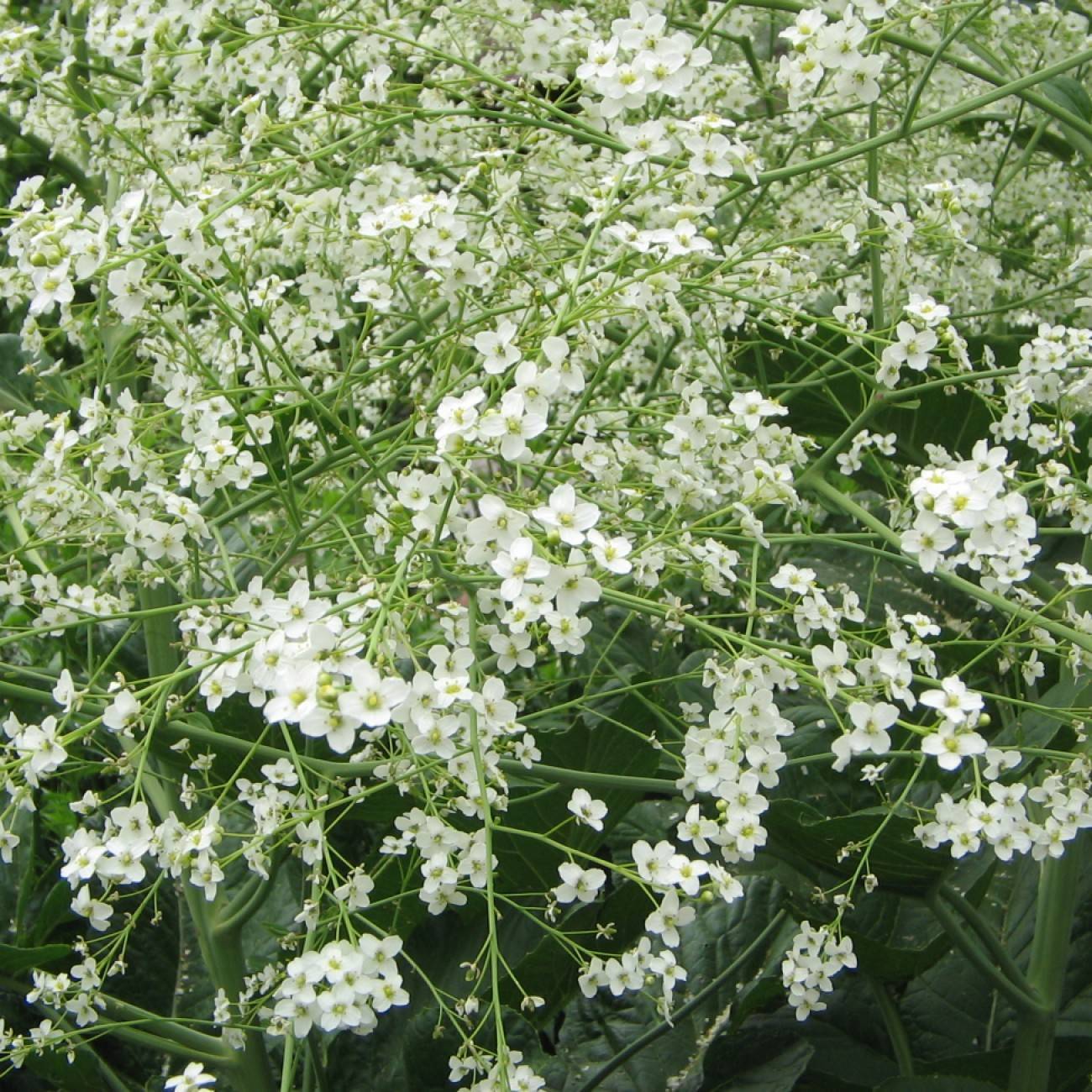
colewort
Crambe cordifolia
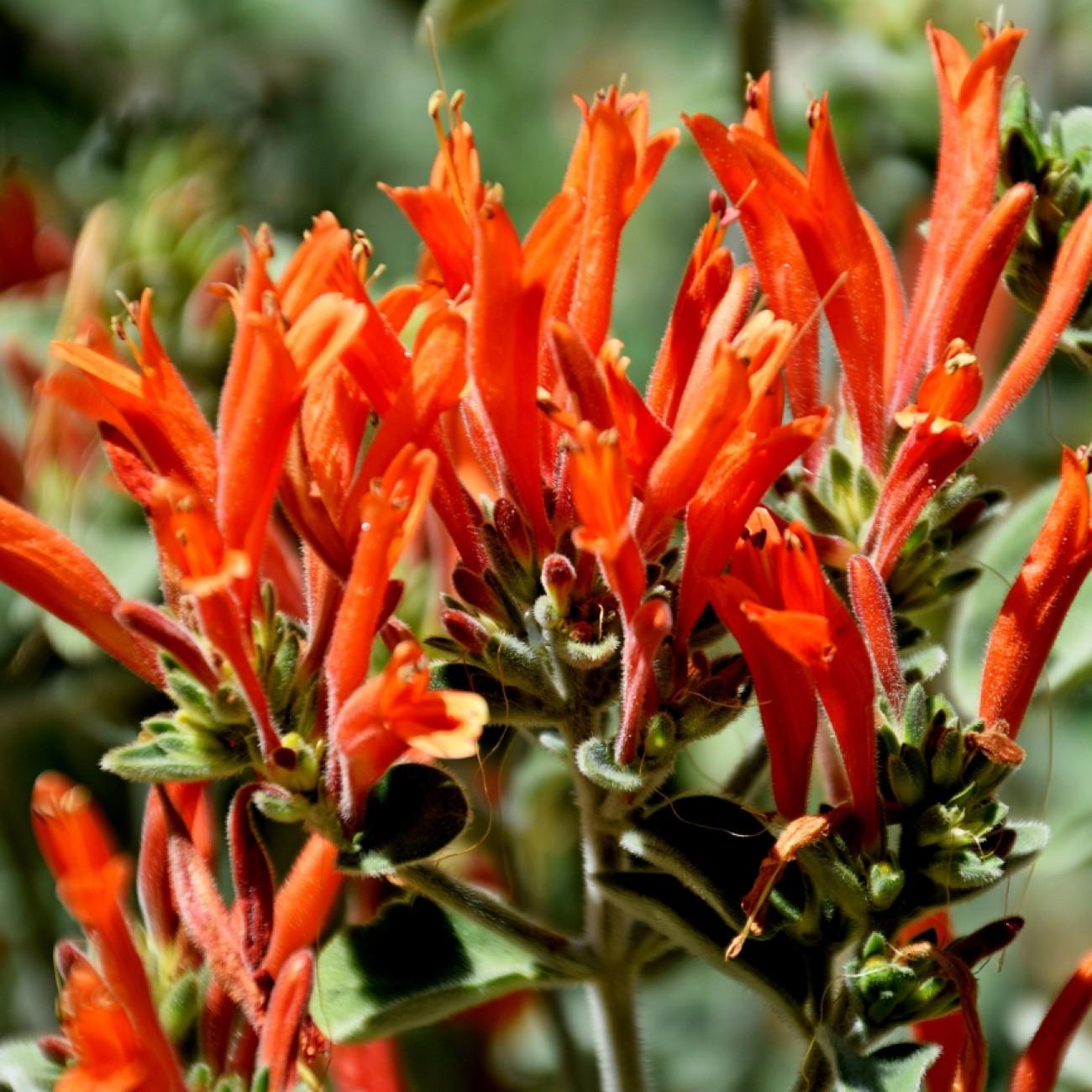
dicliptera
Dicliptera squarrosa
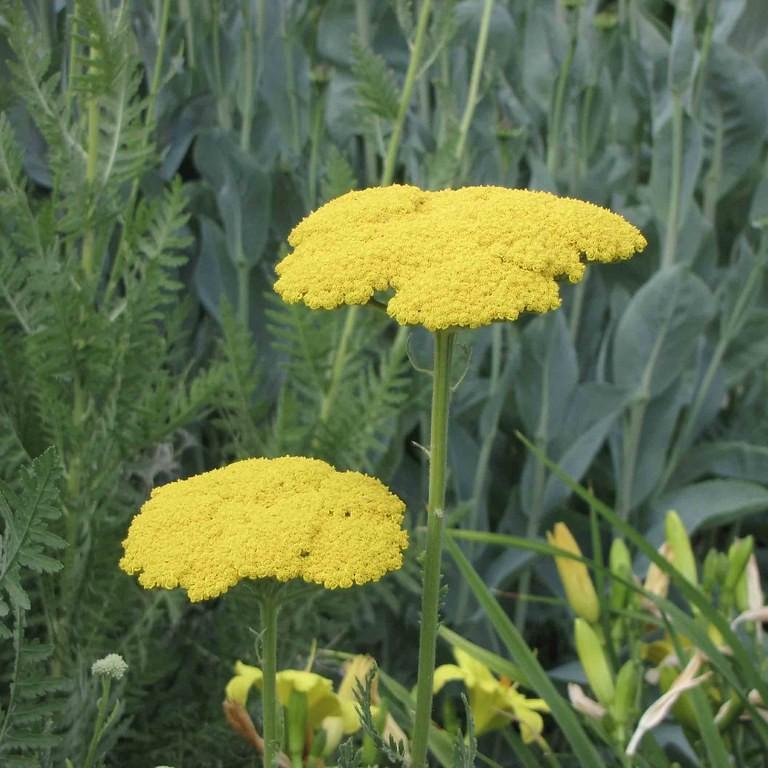
fern-leaf yarrow
Achillea filipendulina 'Gold Plate'
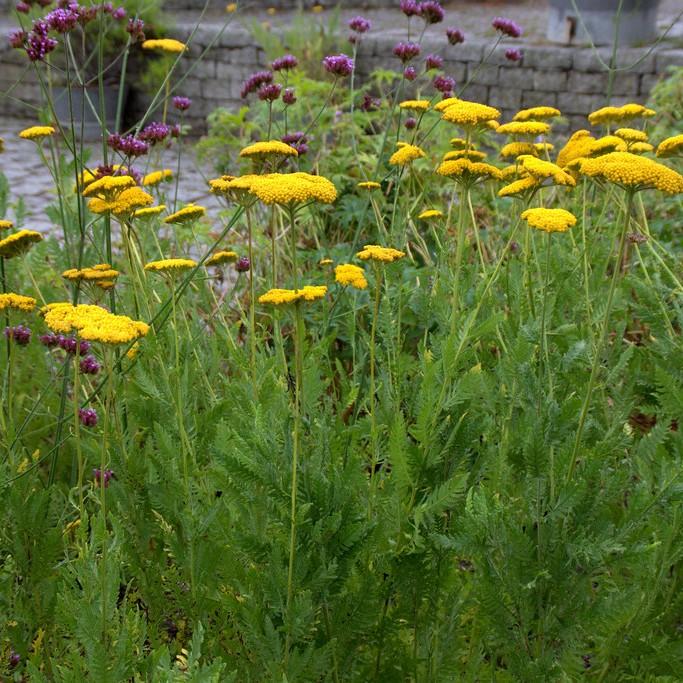
fern-leaf yarrow
Achillea filipendulina 'Parker's Variety'
giant hyssop
Agastache 'Black Adder'