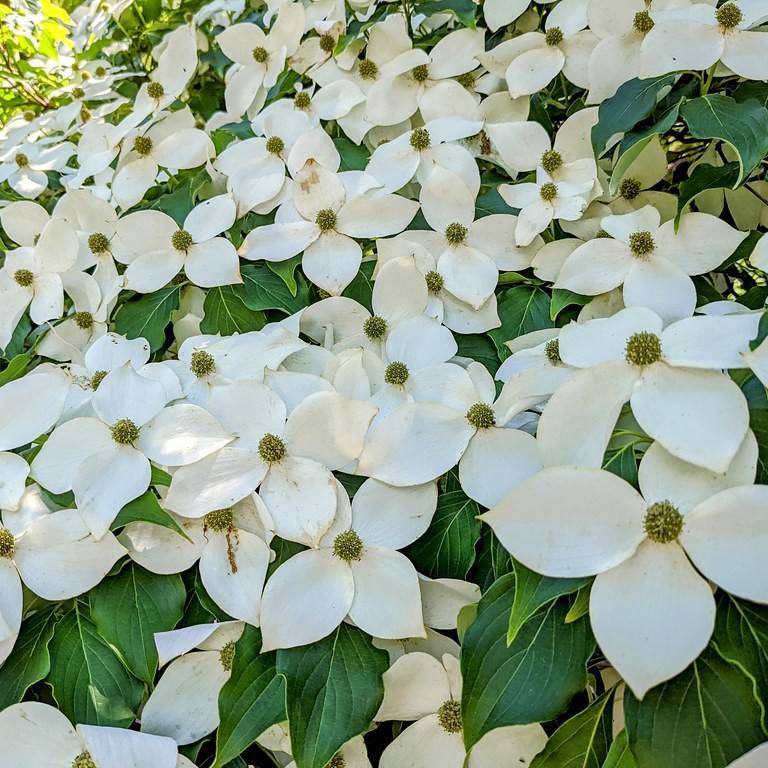
flowering dogwood
Cornus florida 'Xanthocarpa'
Overview
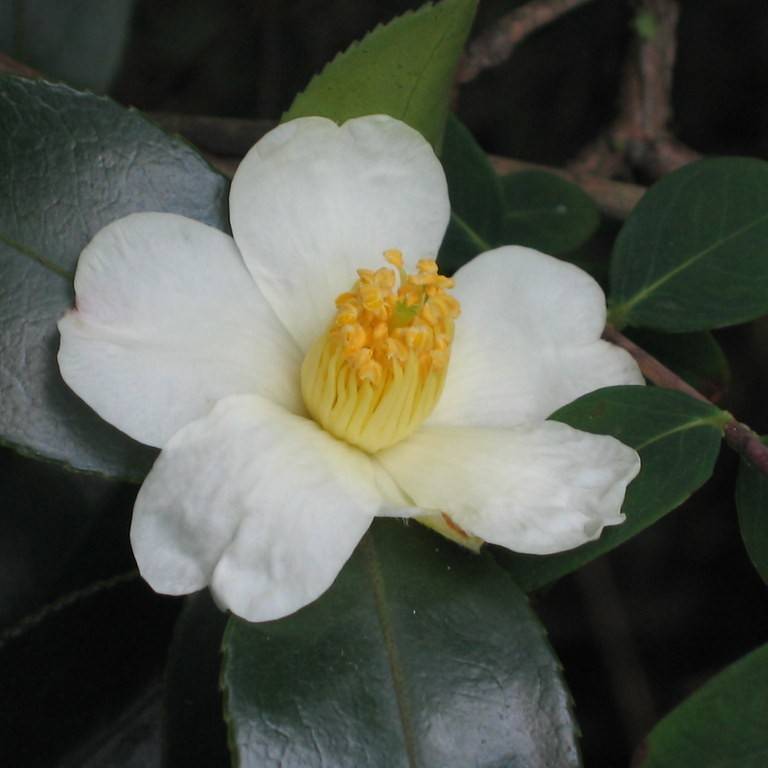
The flowering dogwood (Cornus florida 'Xanthocarpa') is an amazing species of plant. Its unique blooms are a delight to behold, with golden-yellow fruit drooping from the center of white bracts that resemble petals. It is a very hardy and durable plant, thriving in a variety of soil and moisture conditions and growing in both shade and full sun. In addition to its beautiful flowers, the bark of the flowering dogwood is an attractive grayish-brown with splashes of white and is ideal for brightening up winter and spring garden landscapes. The flowering dogwood is an excellent option for gardeners looking for an attractive, easy to care for ornamental tree.
Care Guide
Watering
Water flowering dogwood (Cornus florida 'Xanthocarpa') once every 7 - 10 days during the growing season to keep the soil evenly moist. Reduce the frequency of watering during winter to about once every 14 - 20 days, allowing the top couple inches of soil to dry out in between. Allowing the soil to dry out too deeply, however, can be harmful to the plant.
Light
Flowering dogwood (Cornus florida 'Xanthocarpa') grows best in areas that receive full sun to partial sun. This plant species does best with at least 6 hours of direct sunlight each day. However, during the hotter summer months, it is beneficial to provide some afternoon shade, as the harsh rays of the midday sun can physically burn or discolor the foliage. Growth and flowering will be greatly enhanced if the sun is most intense from mid-morning until early evening.
Soil
Acidic, Well-drained
Temperature
Hardiness zone 6–6.
Pruning
For the flowering dogwood (Cornus florida 'Xanthocarpa') it is best to prune the plant in early summer, after flowering is finished. This will promote better flowering and branching for the next season. Pruning should be limited to removing dead flowers, crossing branches, and thinning out congested foliage. When pruning, take care not to cut more than 1-third of the live branches at any 1 time, and keep the natural shape of the plant whenever possible. If the branches are large and/or woody, use lopping shears or a saw instead of pruning shears.
Propagation
Grafting Propagation, Cutting, Layering Propagation, Air Layering Propagation, Seed Propagation
Diseases & Pests
Common pests: Anthracnose, Canker, sap rot, Diptera - true flies, Fungal leaf spot, Mildew, Nematodes, Root rot, Scale insects, Stem borer insects, Thrips, Deer resistant .
Related plants
Other plants you might like if you grow flowering dogwood.