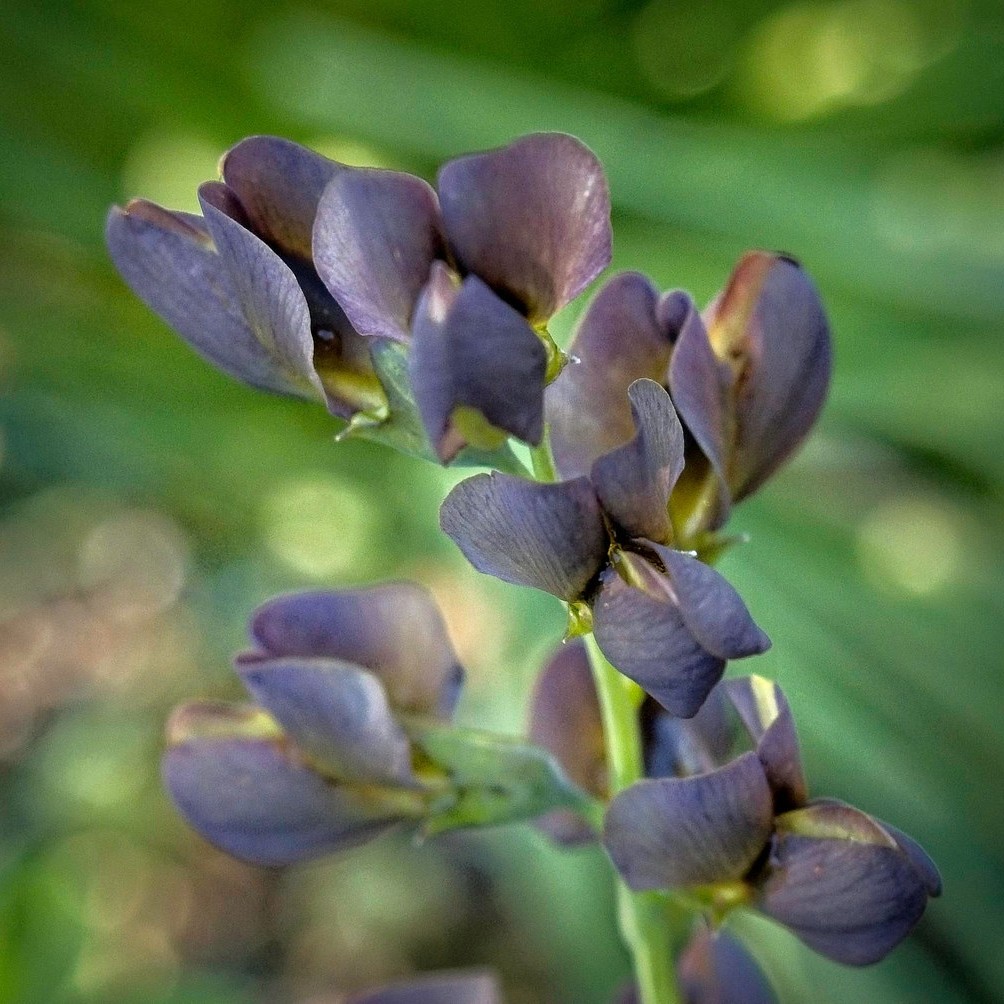
false indigo
Baptisia 'Chocolate Chip'
Overview
False Indigo (Baptisia 'Chocolate Chip') is an amazing, low maintenance plant that is sure to turn some heads in the garden! Growing to only reach 2 feet tall, its compact size is perfect for virtually any spot in the garden. It produces deep purple, indigo-hued flowers that bloom in the summer, adding some eye-catching color to any garden plot. Its attractive deep green foliage is accented by deep brown stems and chocolate colored foliage for a great contrast. Plus, it has an incredibly long blooming period of 4 to 6 weeks, making it a great choice to bring long lasting color to the garden.
Care Guide
Watering
False indigo should be watered deeply and infrequently. During its first growing season, it should be watered about twice a week to help it become established. During hot and dry weather, it can be watered more frequently. In established beds, water about once per week or every 10 days during hot summer months. During cooler months, the plant can be watered less frequently. It is important to make sure the soil surrounding false indigo is evenly moist but not soggy. Water directly at the base of the plant and avoid wetting the foliage. Leaf scorch can occur if the foliage is left too wet.
Light
False indigo (Baptisia 'Chocolate Chip') needs full sun for at least 6 to 8 hours per day. It does best in direct sun during the morning and early afternoon, with partial shade in the afternoon. The plant needs safe, direct exposure to the sun for the majority of the day. It tolerates cooler climates and could survive in temperature as low as 25°F (-4°C). Avoid direct sun exposure for long periods in the afternoon to protect the plant from potential sunburn damage.
Temperature
Hardiness zone 4–8.
Pruning
False indigo (baptisia 'Chocolate Chip') should be pruned back in early spring, before new growth appears. This should be done with care as false indigo can be very slow growing. It is best to remove only about a third of the growth of the previous season for your false indigo. Any broken, diseased, or dead stems should be trimmed off and/or removed completely. Trimming the stems back to a point of vigorous foliage is also beneficial. This will help the plant grow into a more compact shape and keep it from becoming too leggy.
Propagation
Division, Cutting, Seed Propagation, Layering Propagation
Uses & Symbolism
Attracts: Butterflies.
Related plants
Other plants you might like if you grow false indigo.
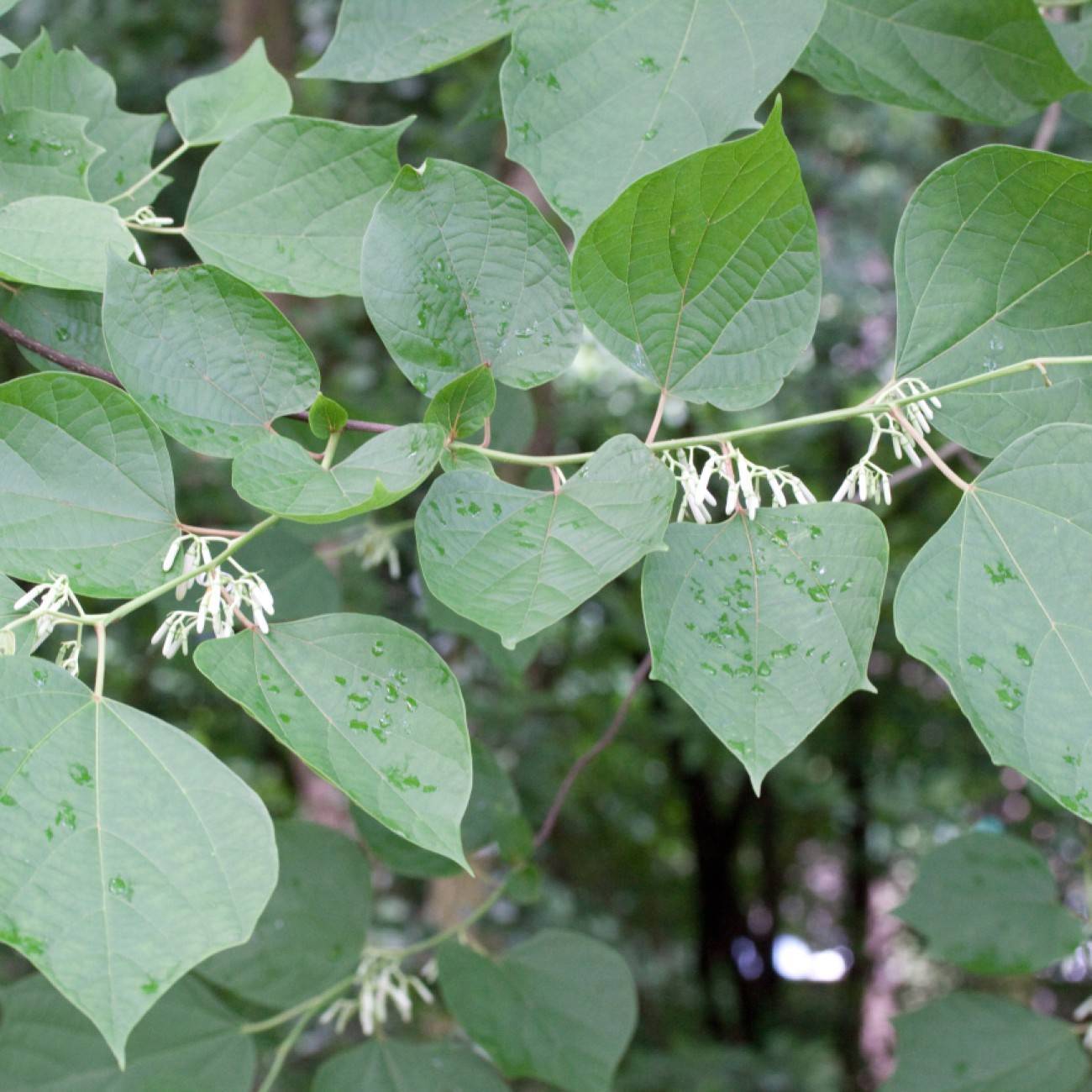
alangium
Alangium platanifolium var. macrophyllum
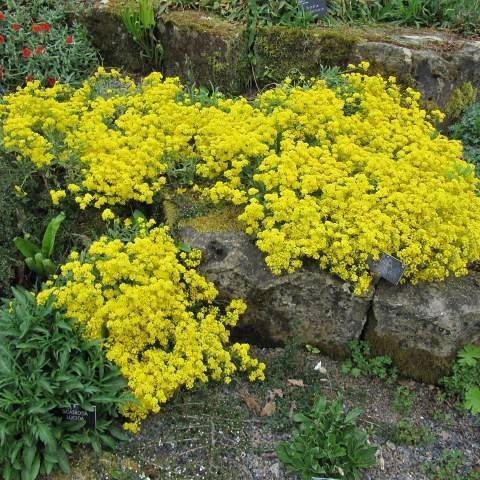
basket of gold
Aurinia saxatilis 'Gold Dust'
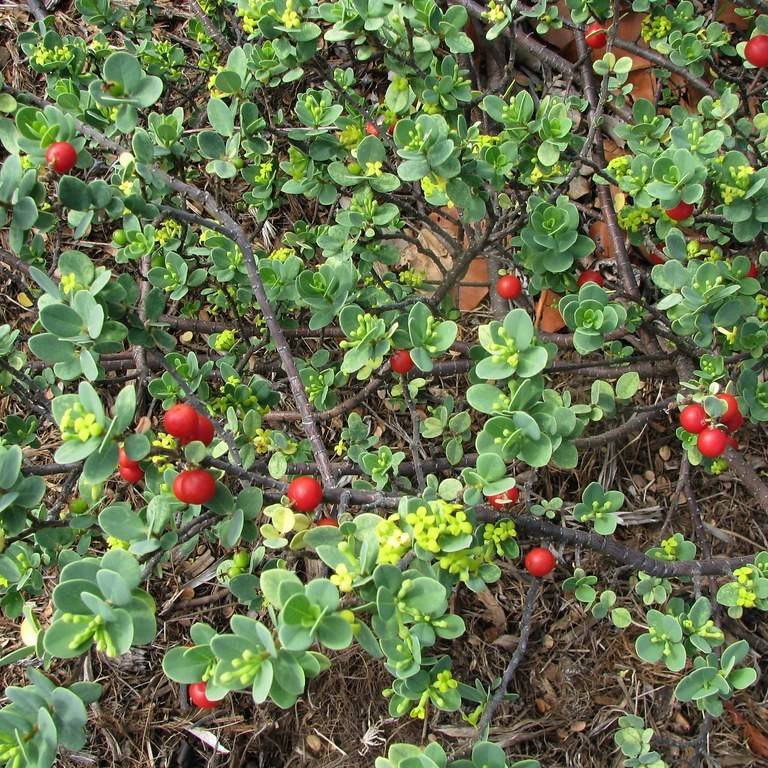
bearberry
Arctostaphylos uva-ursi 'Wood's Red'
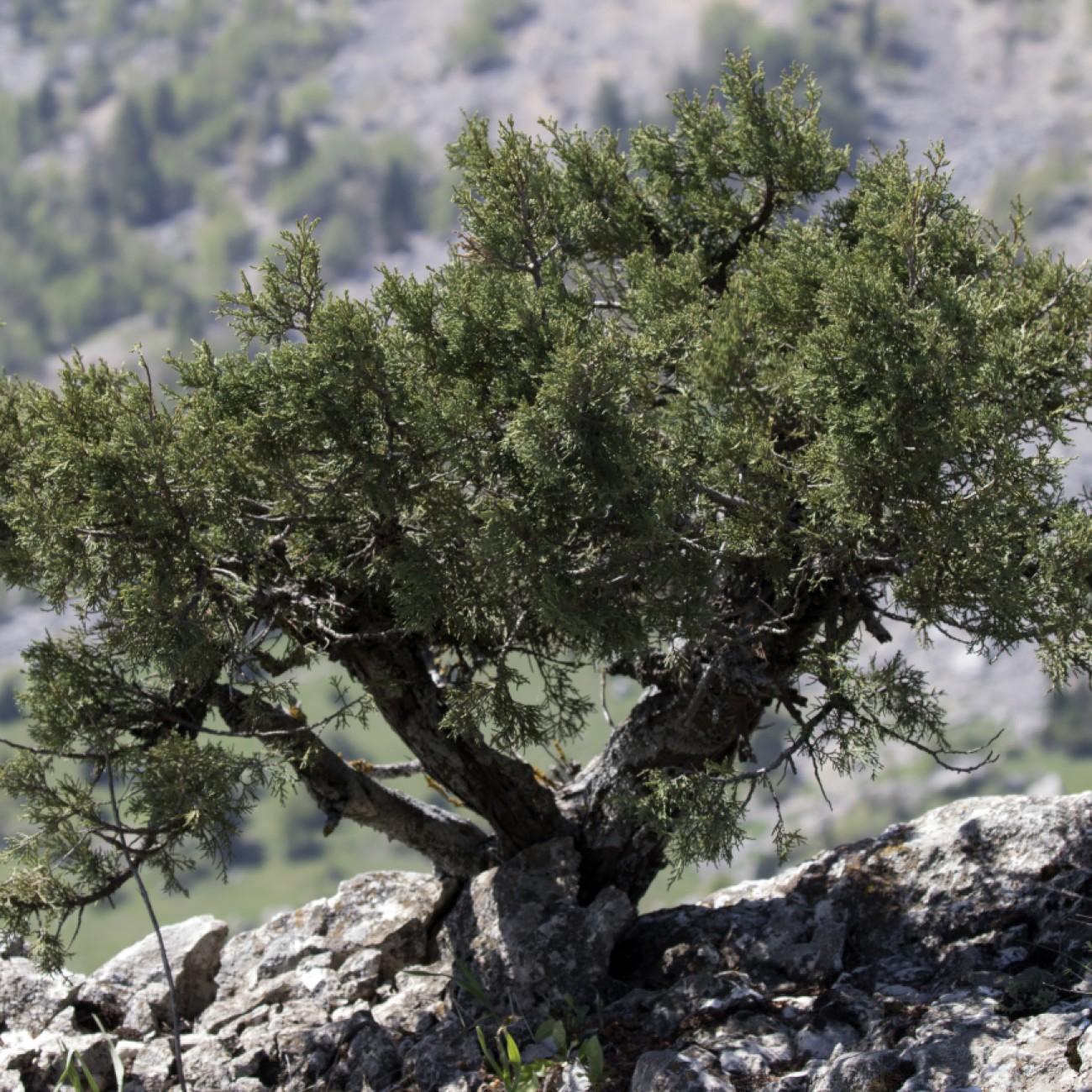
Blue Chip Juniper (tree form)
Juniperus horizontalis 'Blue Chip (tree form)'
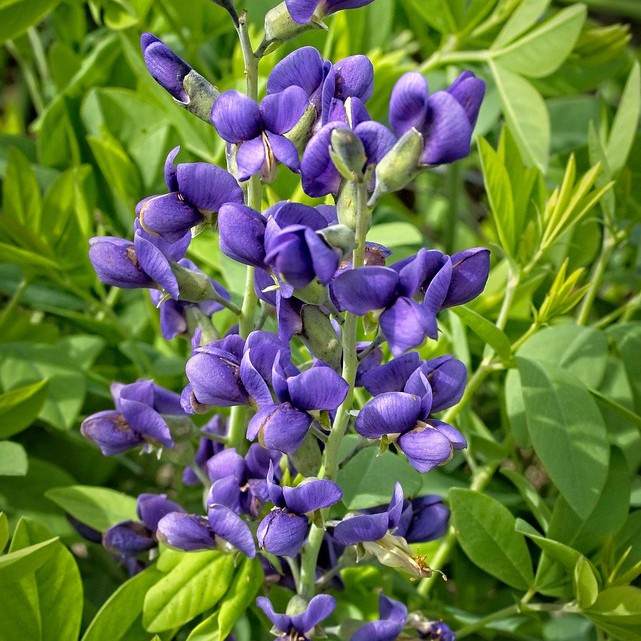
blue false indigo
Baptisia australis
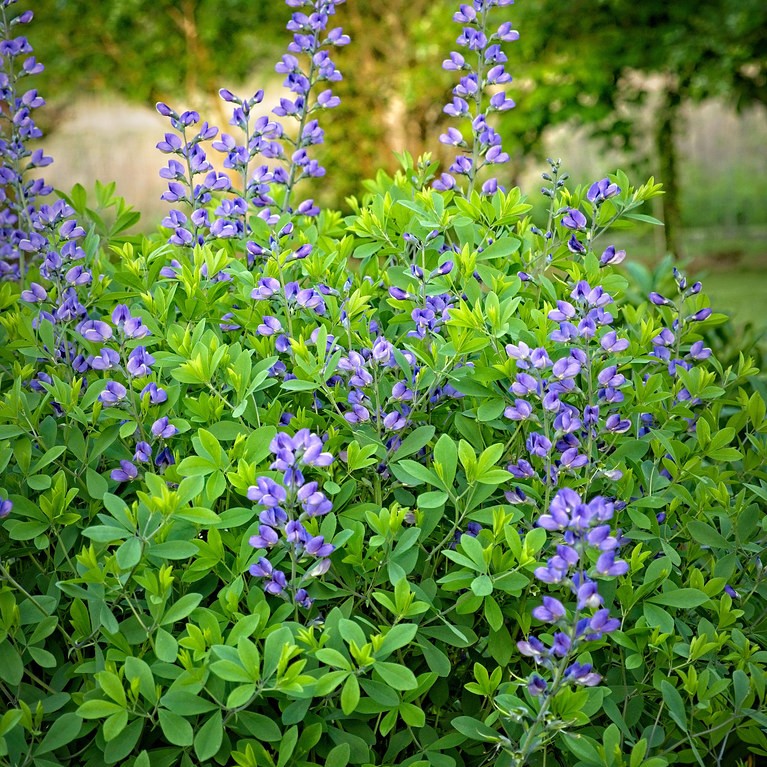
blue false indigo
Baptisia australis var. minor
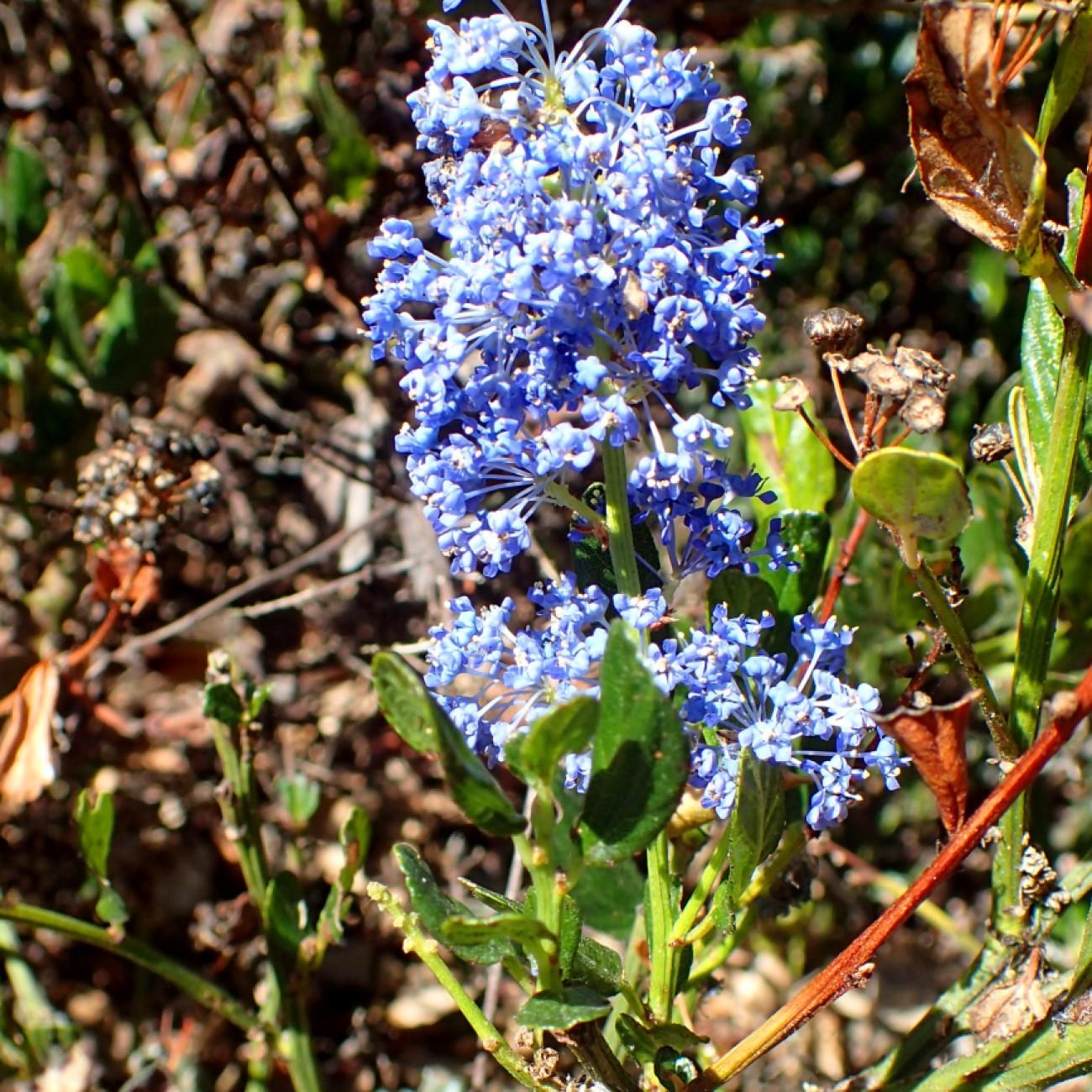
blue mountain lilac
Ceanothus thyrsiflorus 'Skylark'
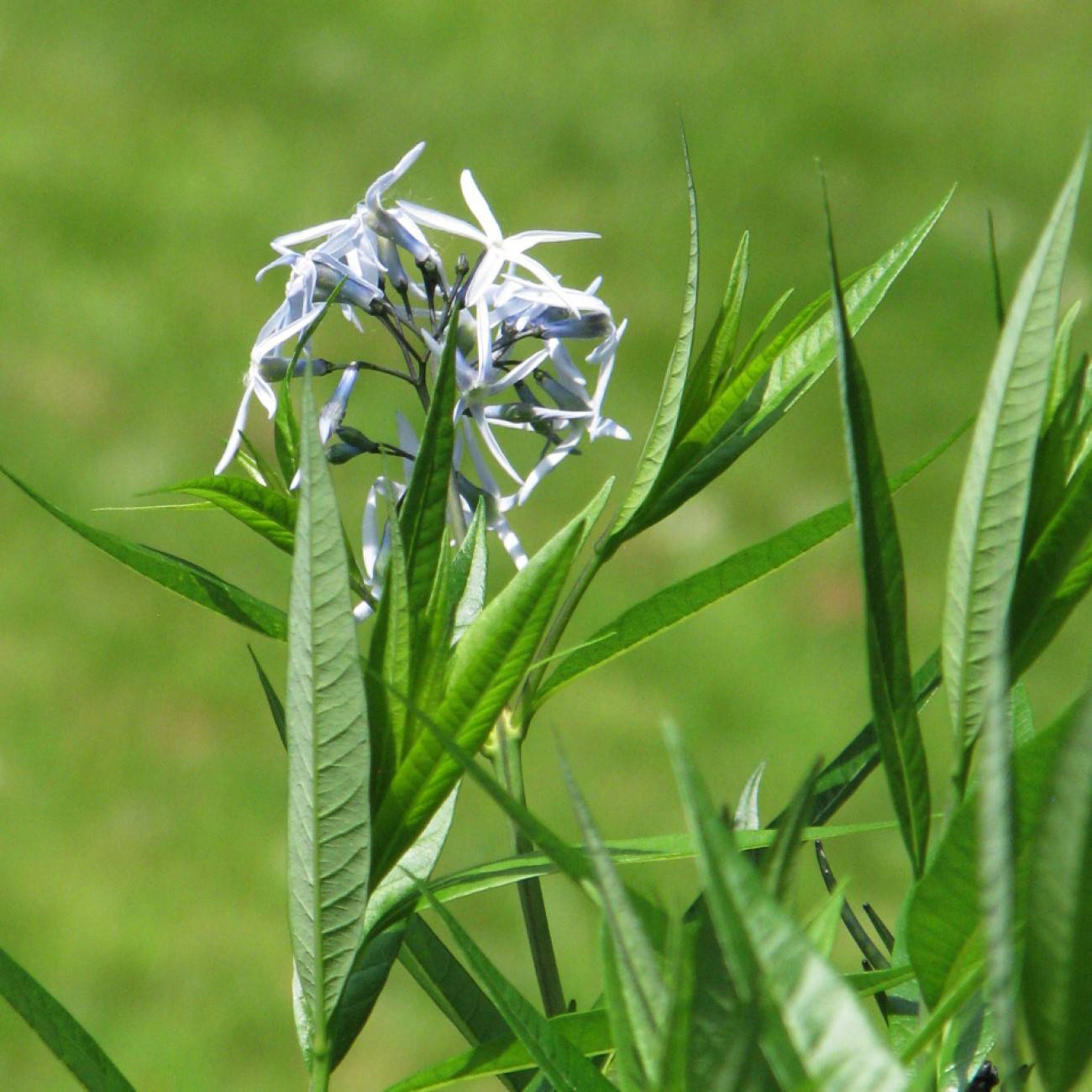
blue star
Amsonia ciliata var. filifolia 'Georgia Pancake'