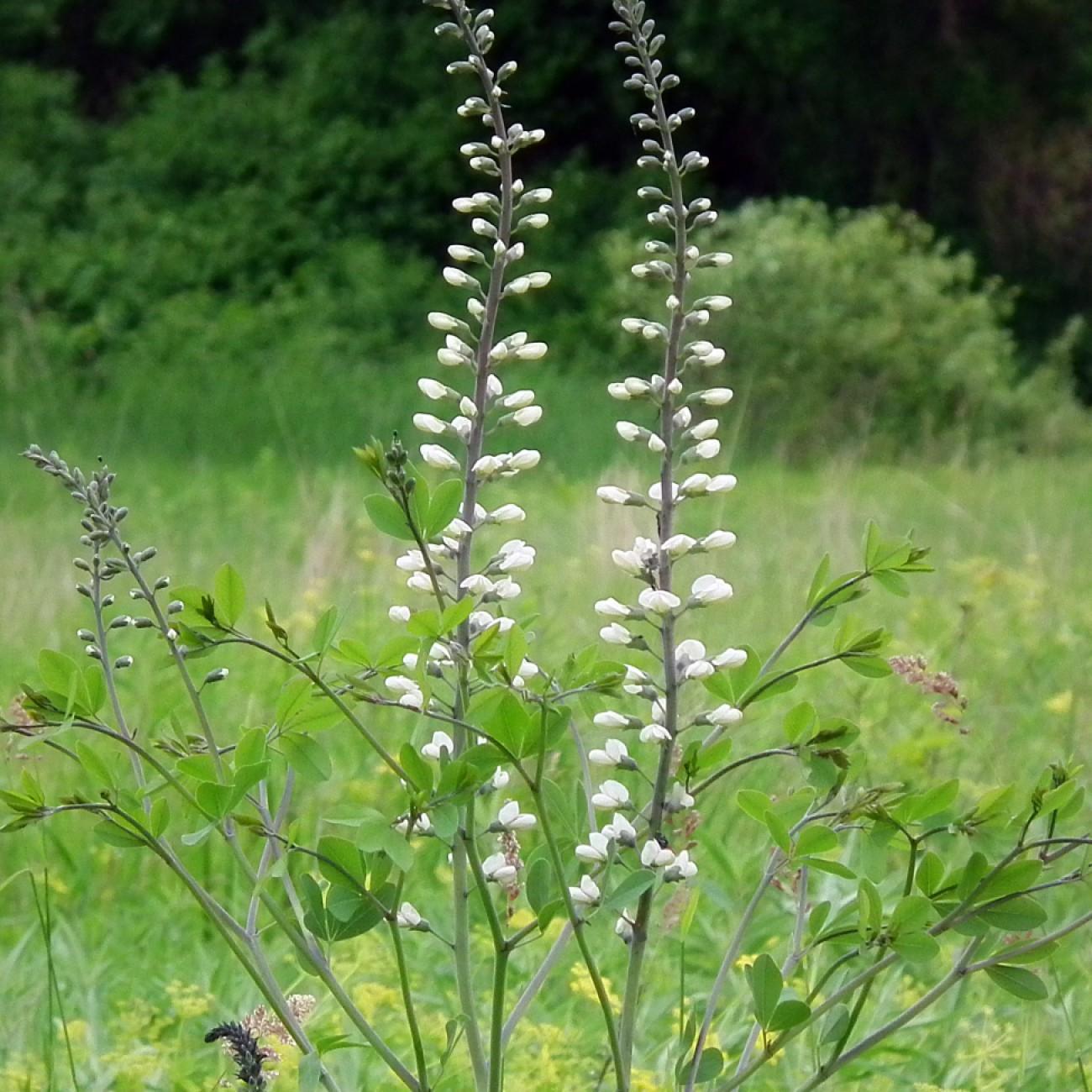
false indigo
Baptisia alba (Pendula Group)
Overview
False Indigo is a beautiful ornamental plant species. With its delicate gray-green foliage and vibrant white blooms, it is sure to make an impact in any garden landscape. Though it typically grows tall and spreads relatively wide, the Pendula Group of this particular species can be enjoyed in a container garden setting as well, in sizes up to five feet. False Indigos are considered low maintenance plants, requiring minimal pruning and watering throughout the season. Plus, they are native to North America and are hardy in a variety of soil and climate conditions. With the majestic beauty they generate when in full bloom and their versatile nature, false indigo is an amazing addition to any garden.
Care Guide
Watering
False indigo requires fairly consistent watering, ideally once a week. During the growing season (spring through early fall), water the plants deeply and thoroughly each time. Let the soil dry out slightly between waterings (but not completely). During the winter months, reduce watering to every 2 weeks, as false indigo prefers a slight dry period during this time. Once established, false indigo can tolerate periods of drought.
Light
False indigo needs at least 4 hours of direct sunlight per day in order to thrive. As a plant that prefers full sun exposure, it can survive in partial shade but is best grown in a spot with plenty of direct sun. It is important to remember to choose a planting site with morning sun and afternoon shade to avoid wilting, as false indigo can suffer in extreme heat and drought.
Temperature
Hardiness zone 5–8.
Pruning
False indigo (Baptisia alba Pendula Group) should be pruned in the early spring before new growth appears. Remove any dead, damaged, or crossing branches as well as any very thin branches. Prune only enough to maintain the desired shape while avoiding shearing. To maintain a tree-like structure, prune out any vertical branches that break the overall outline of the plant and remove any suckers at the base of the plant. It’s best not to reduce the overall size of the false indigo shrub more than 25% of its originally planted height.
Propagation
Division, Root Cutting, Seed Propagation, Layering Propagation
Uses & Symbolism
Attracts: Butterflies.
Related plants
Other plants you might like if you grow false indigo.
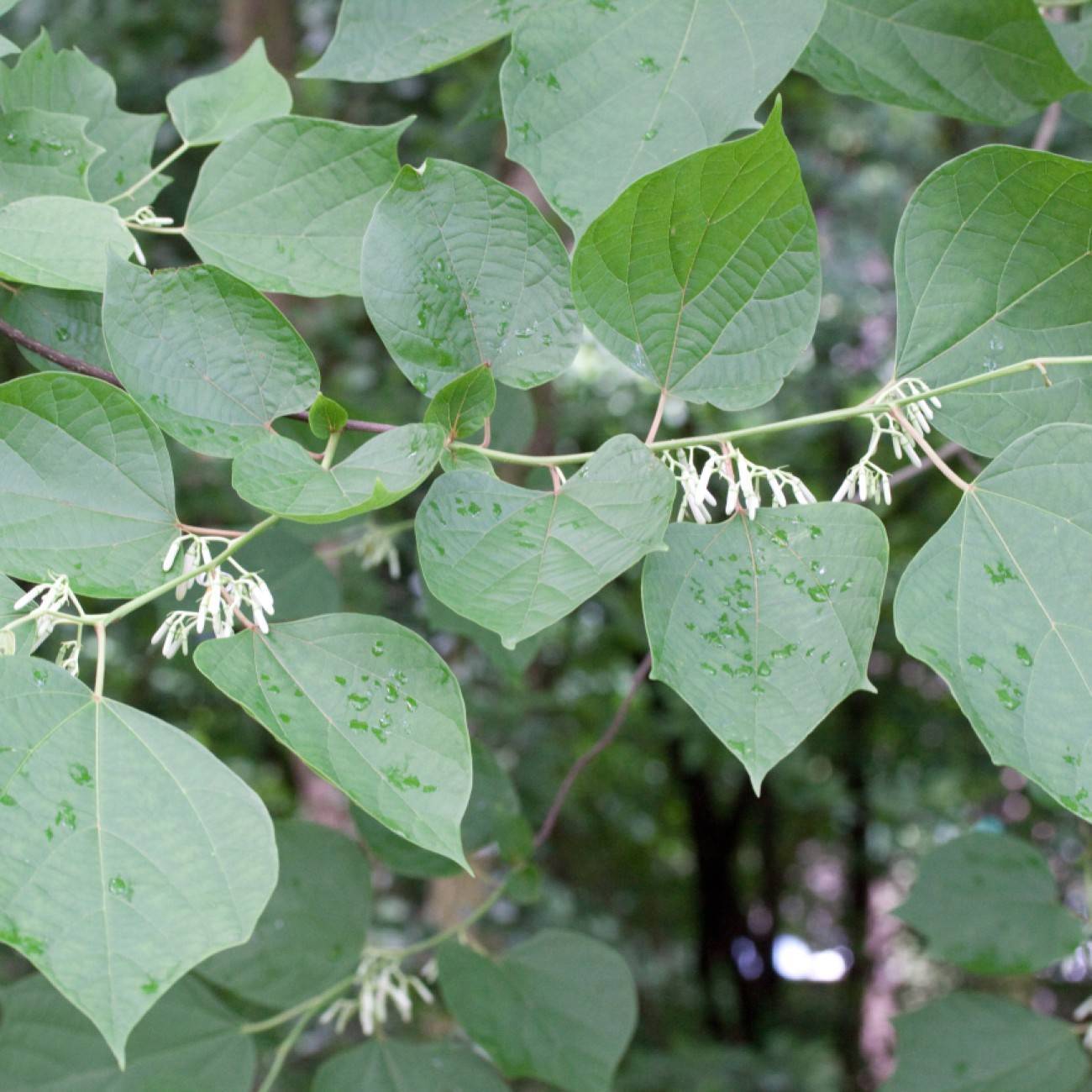
alangium
Alangium platanifolium var. macrophyllum
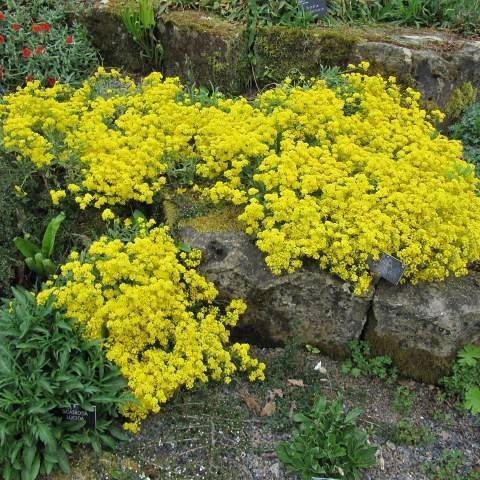
basket of gold
Aurinia saxatilis 'Gold Dust'
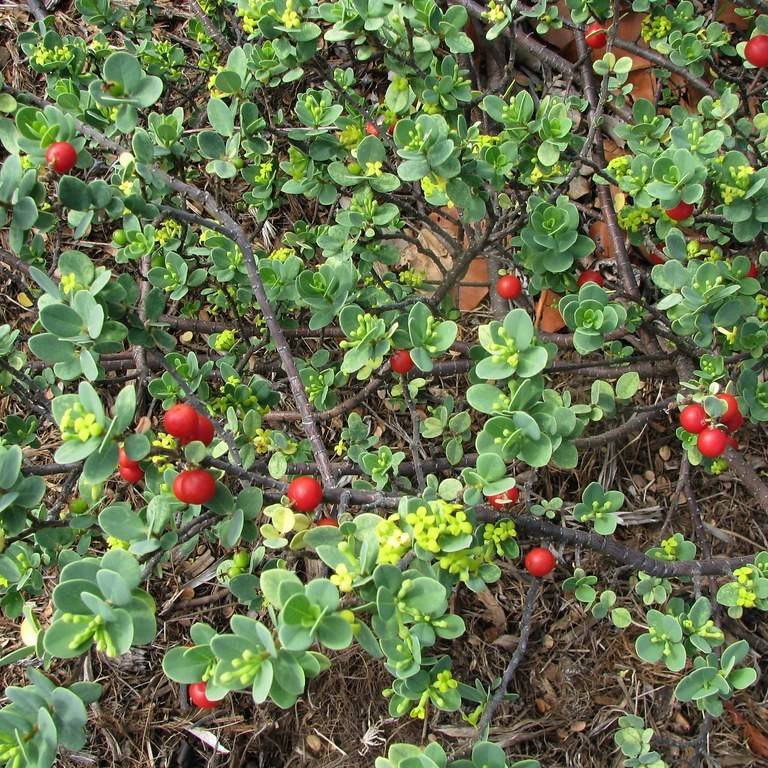
bearberry
Arctostaphylos uva-ursi 'Wood's Red'
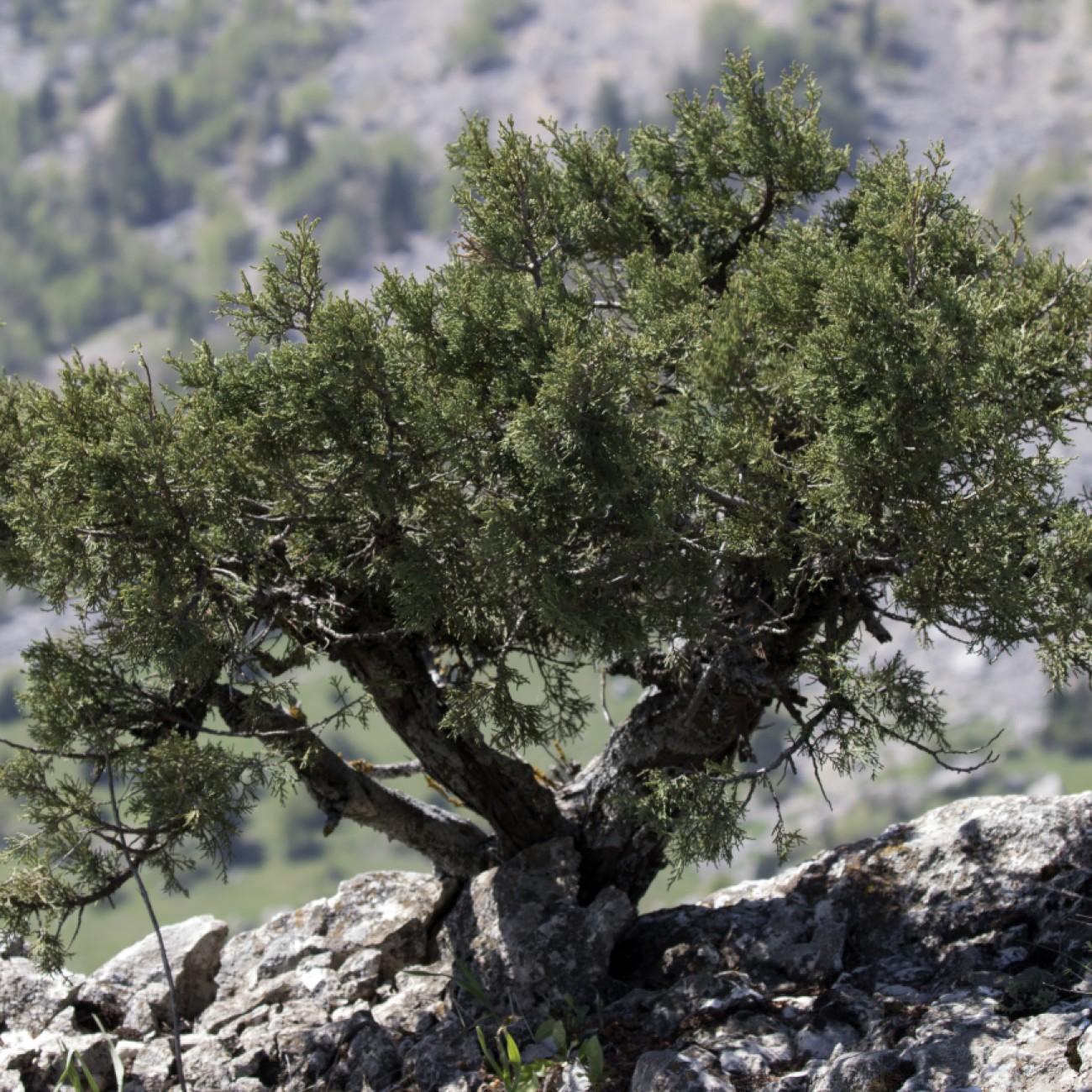
Blue Chip Juniper (tree form)
Juniperus horizontalis 'Blue Chip (tree form)'
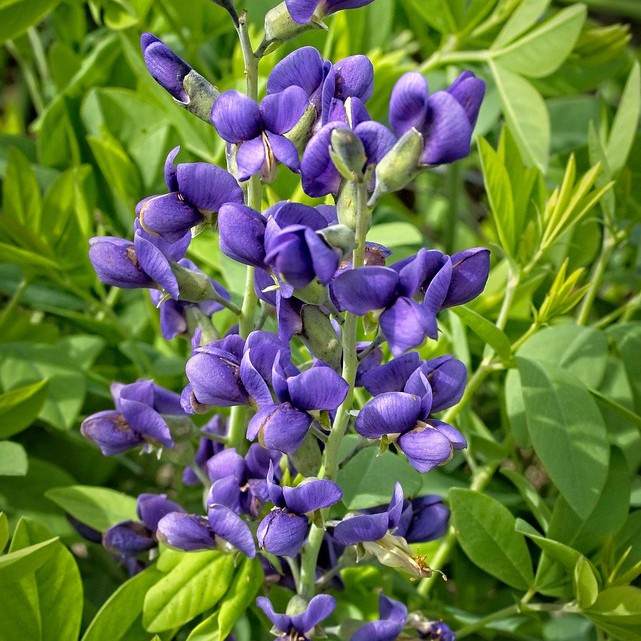
blue false indigo
Baptisia australis
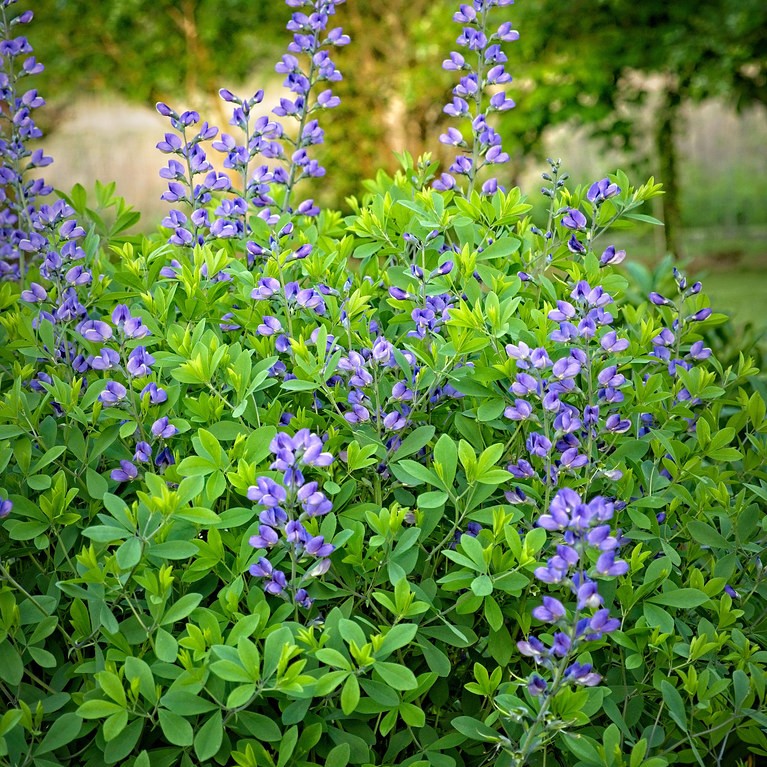
blue false indigo
Baptisia australis var. minor
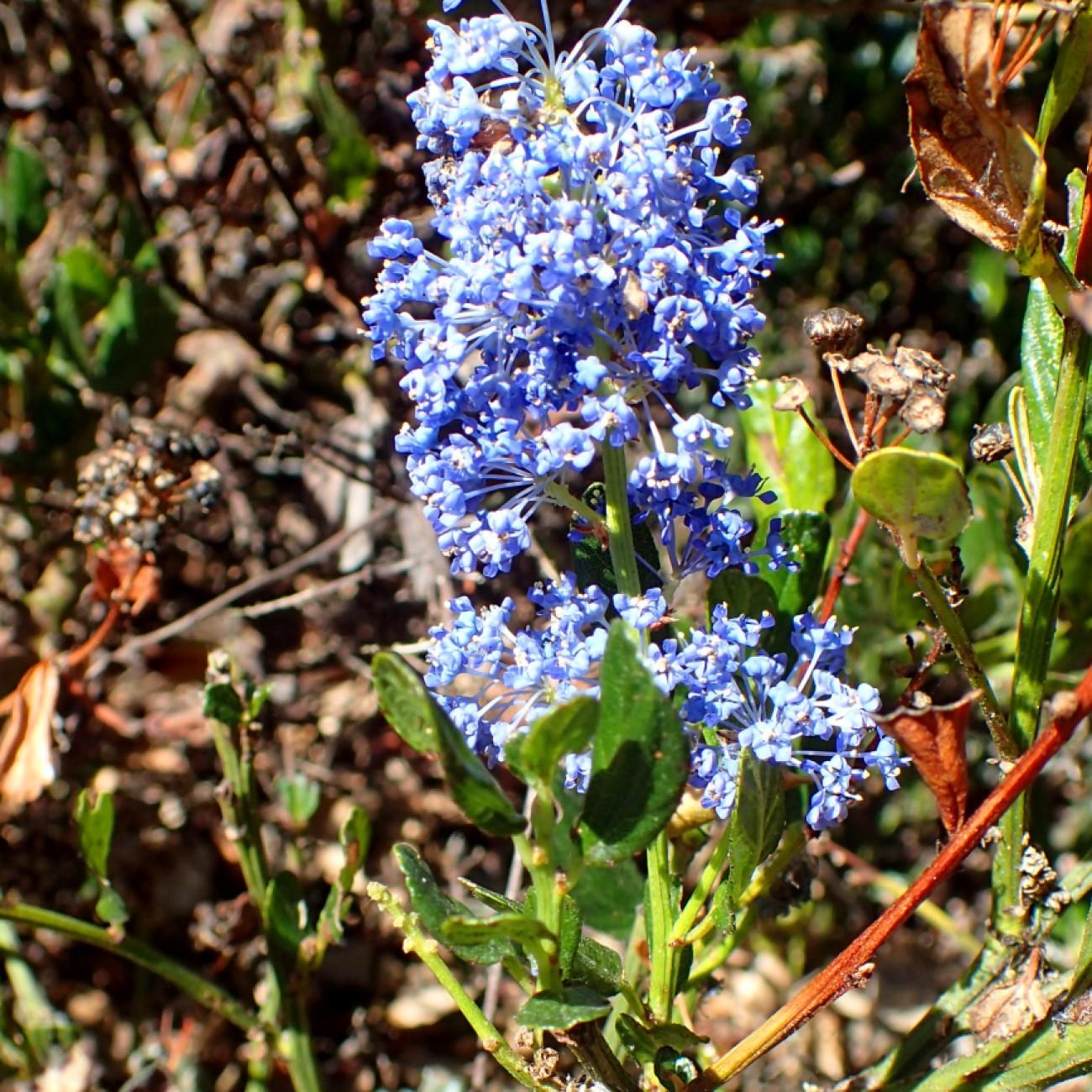
blue mountain lilac
Ceanothus thyrsiflorus 'Skylark'
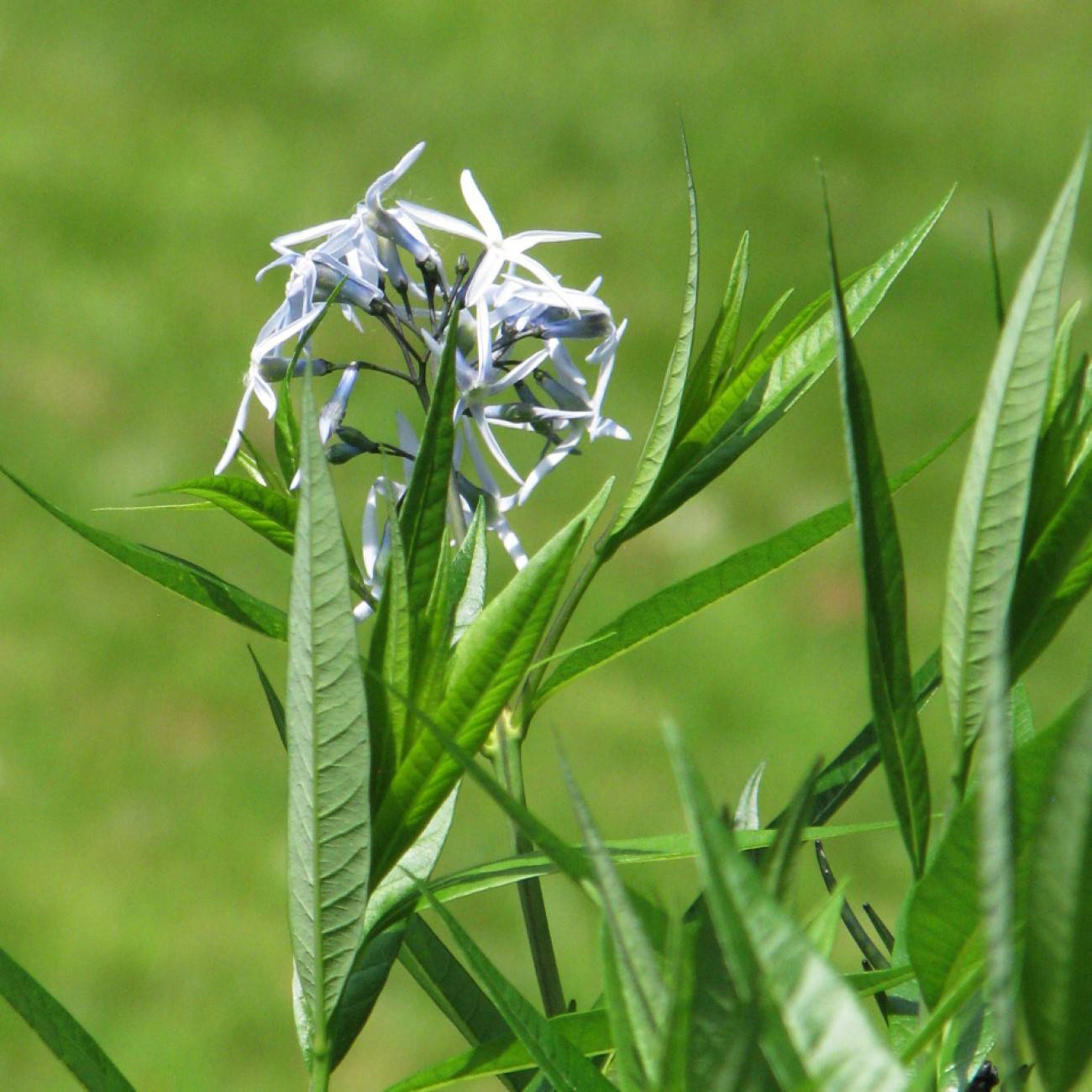
blue star
Amsonia ciliata var. filifolia 'Georgia Pancake'