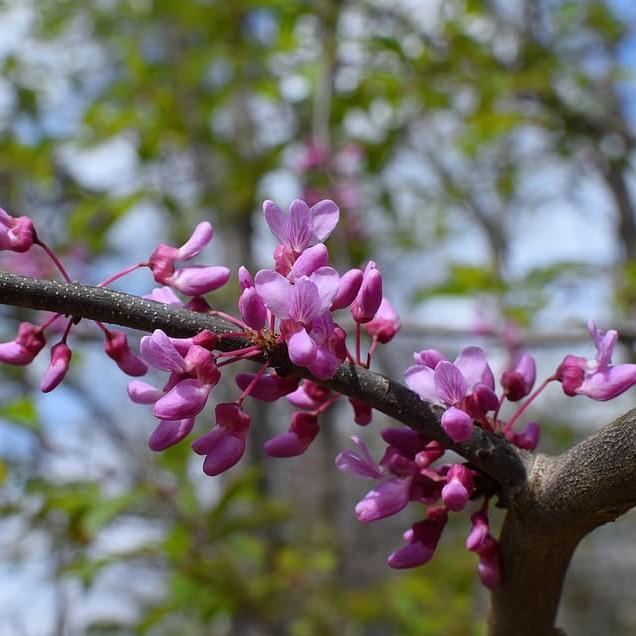
eastern redbud
Cercis canadensis 'JN16' BLACK PEARL
Overview
Eastern Redbud (Cercis canadensis 'JN16' BLACK PEARL) is truly an amazing sight to behold. These trees are not just gorgeous, they are also useful. This variety produces dark, purplish-black foliage with glossy leaves that are an excellent addition to any garden. The blooms in spring are simply breathtaking. Dark pink and purple flowers burst from the bud and create a beautiful display. It’s hardy, long-lasting and adapts nearly anywhere and thrives in moist, slightly acidic soils. It’s a wonderful choice for shade, hedges, or larger accent pieces. It’s an excellent choice for any garden or landscape!
Care Guide
Watering
Eastern redbud (Cercis canadensis 'JN16' BLACK PEARL) should be watered often enough to keep the soil slightly damp, but not soggy. Water thoroughly once a week when the top 1-2 inches of soil becomes slightly dry. It is best to water in the morning so the foliage has all day to dry before evening.
Light
Eastern Redbud (Cercis canadensis 'JN16' BLACK PEARL) is a deciduous tree that grows best in full sunlight. This species of plant needs at least 8 hours of daily sunlight exposure to flourish. For optimal growth, the eastern redbud should be planted in a spot that receives maximum sunlight during the morning and early afternoon. This will help to ensure the plant receives the necessary sunlight it needs to thrive. It's also important to avoid planting this species in too shady of a location since this can lead to reduced photosynthesis and stunted growth.
Soil
Humus rich, Well-drained
Temperature
Hardiness zone 5–5.
Pruning
Eastern redbud (Cercis canadensis 'JN16' BLACK PEARL) should be pruned in late winter or early spring, before new growth begins. Pruning should only be done when necessary, as it will reduce flower production. During pruning, remove any dead, diseased, or damaged branches, as well as any branches that have grown too close to each other, which can block light and decrease air circulation. Large purposeful pruning to shape and size can be done every 3 to 4 years in late winter or early spring. When pruning, make sure to make all cuts at a 45-degree angle, just above a healthy bud. Be sure to not shorten main stems, as it may cause stunted or deformed growth.
Propagation
Seed Propagation, Grafting Propagation
Uses & Symbolism
Attracts: Butterflies.
Diseases & Pests
Common pests: Canker, sap rot, Scale insects, Wilt.
Related plants
Other plants you might like if you grow eastern redbud.
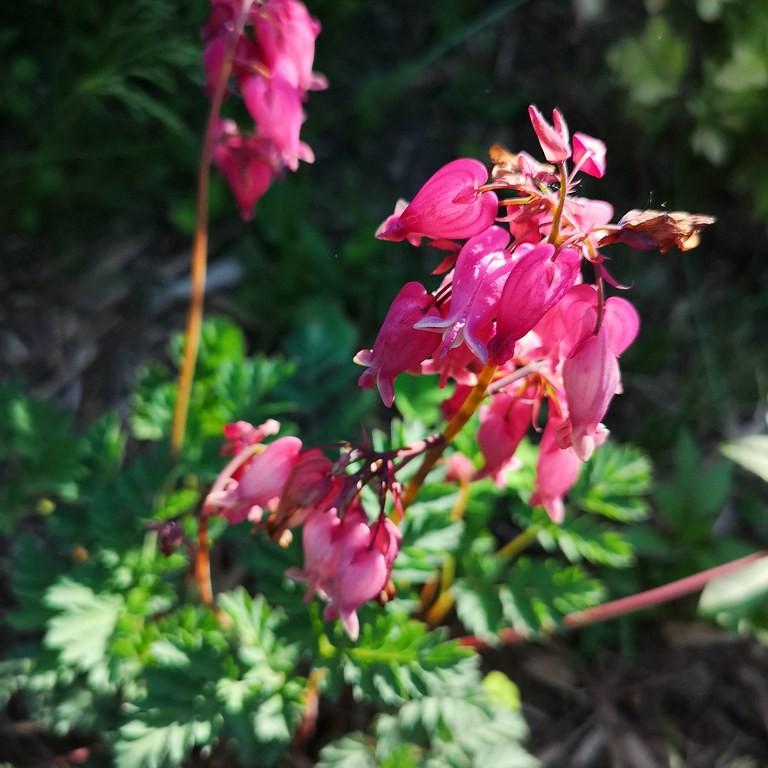
bleeding heart
Dicentra 'Luxuriant'
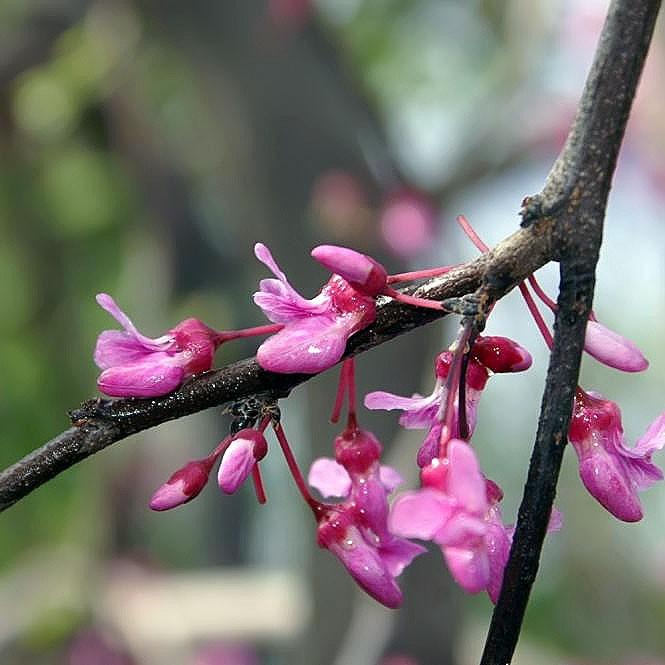
eastern redbud
Cercis canadensis 'Covey'
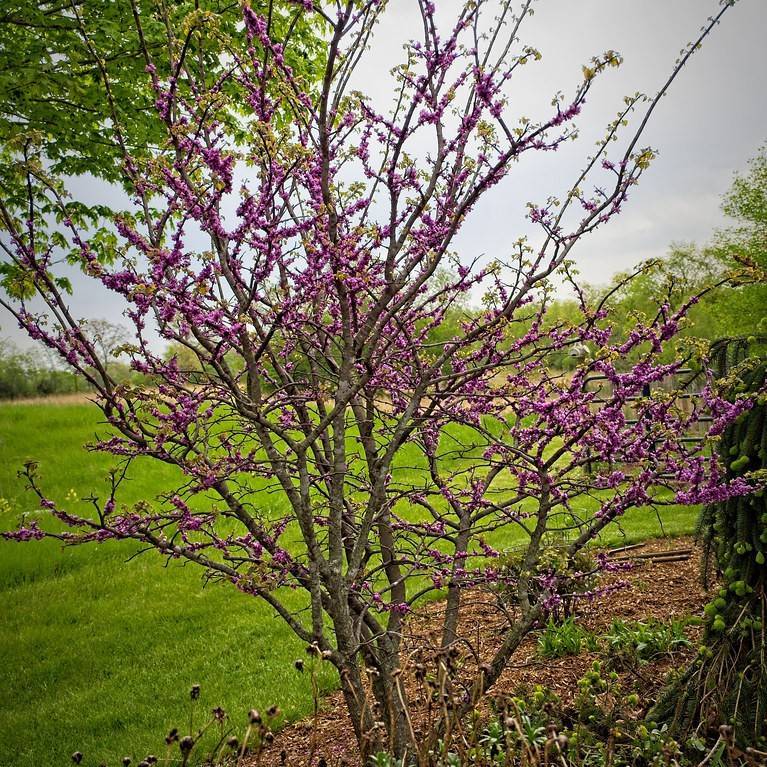
eastern redbud
Cercis canadensis f. alba 'Royal White'
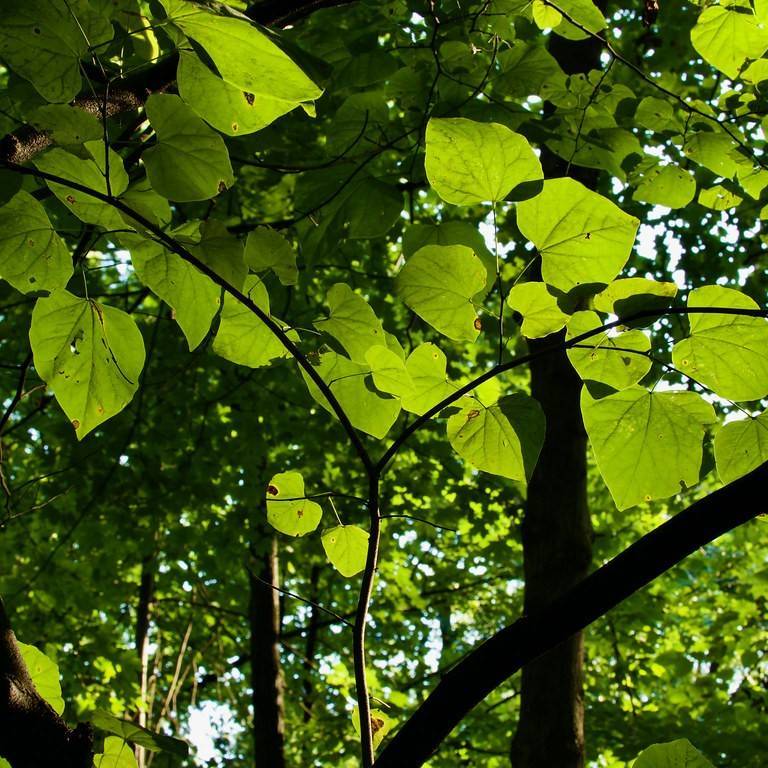
eastern redbud
Cercis canadensis 'JN2' THE RISING SUN
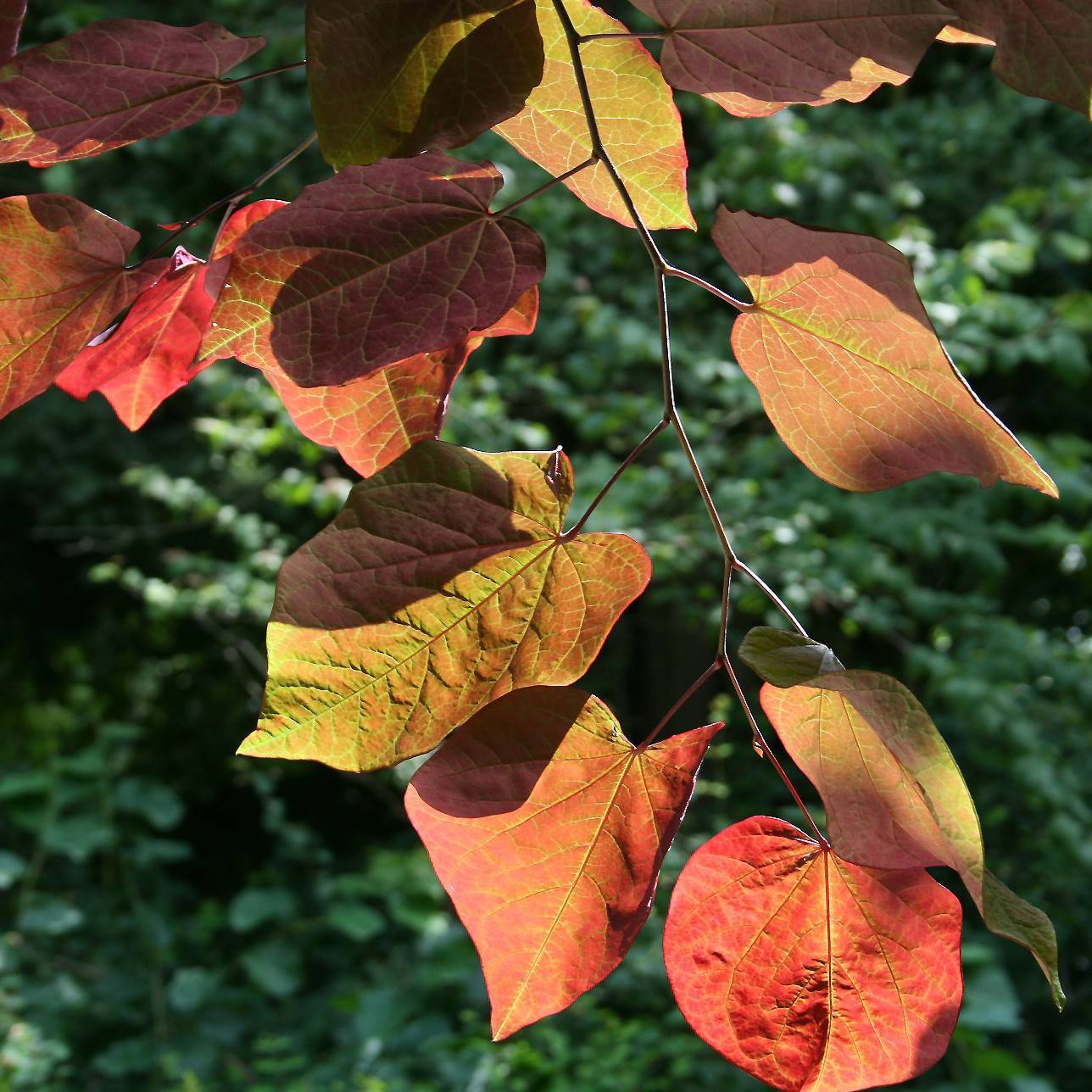
eastern redbud
Cercis canadensis 'NC2016-2' FLAME THROWER
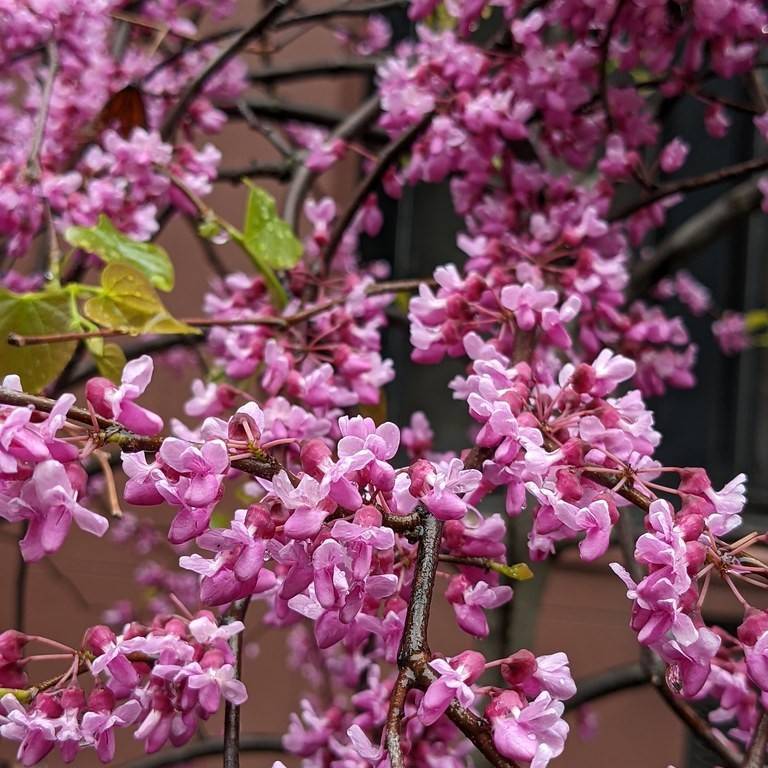
eastern redbud
Cercis canadensis 'Pink Trim' NORTHERN HERALD
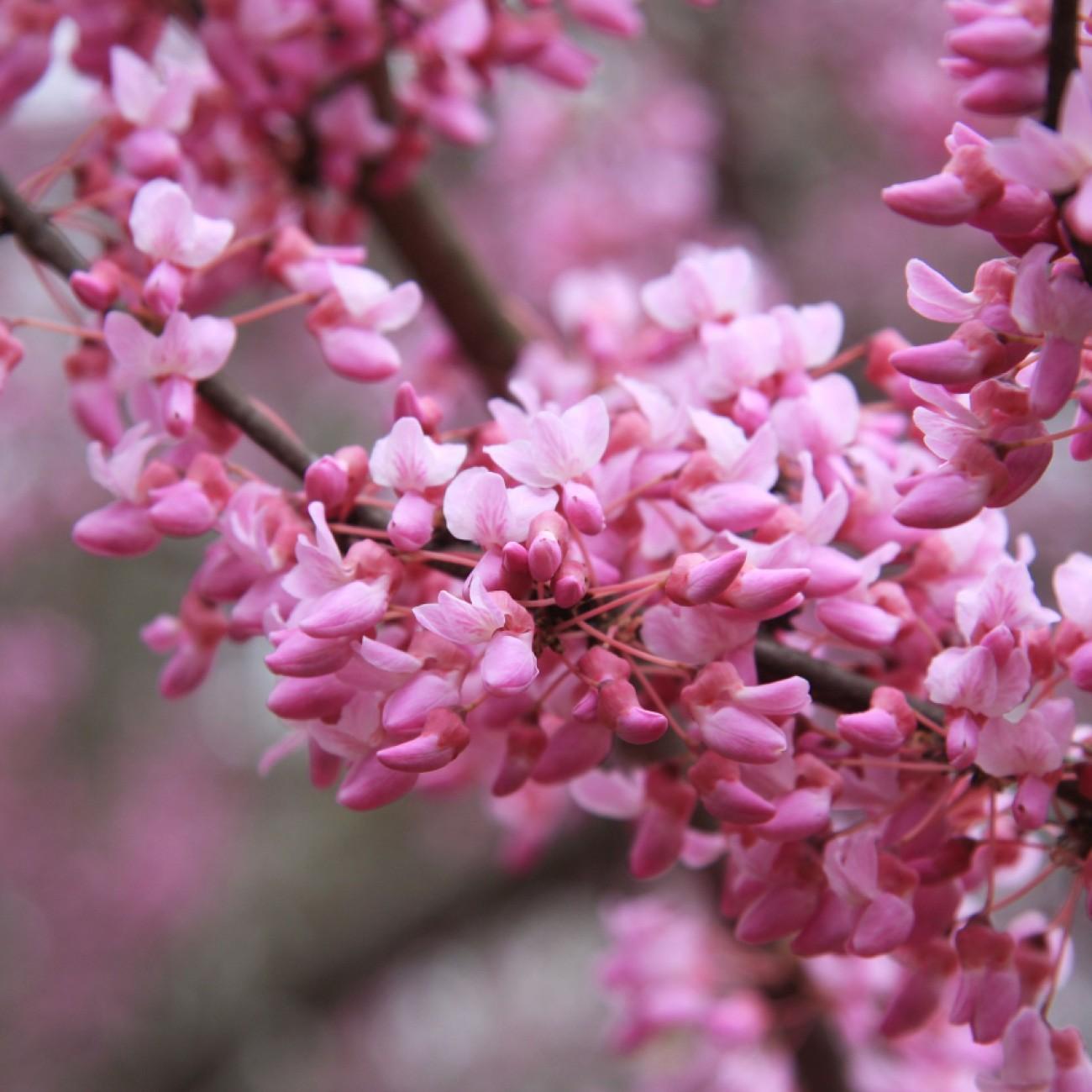
eastern redbud
Cercis canadensis 'Tennessee Pink'
hackberry
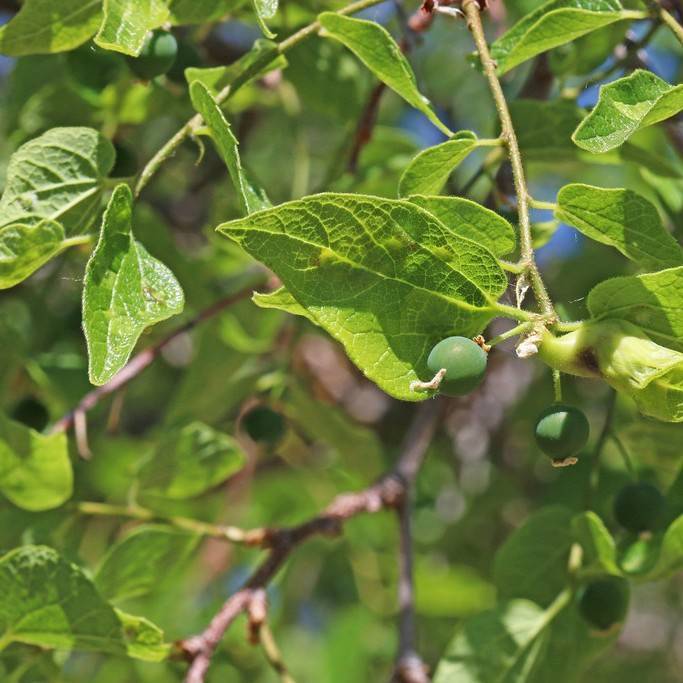
Celtis occidentalis