ear-leaved tickseed
Coreopsis auriculata 'Zamphir'
Overview
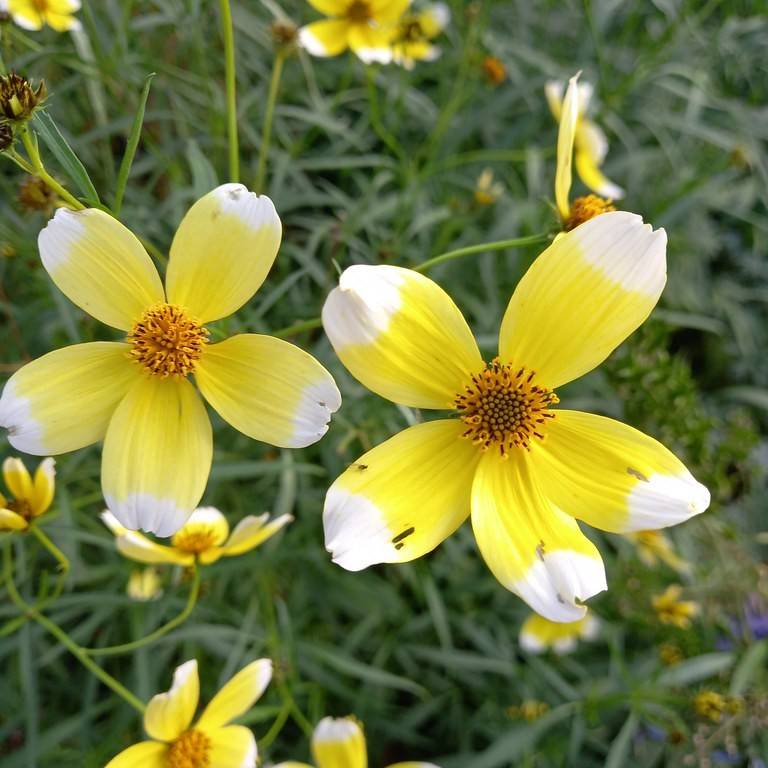
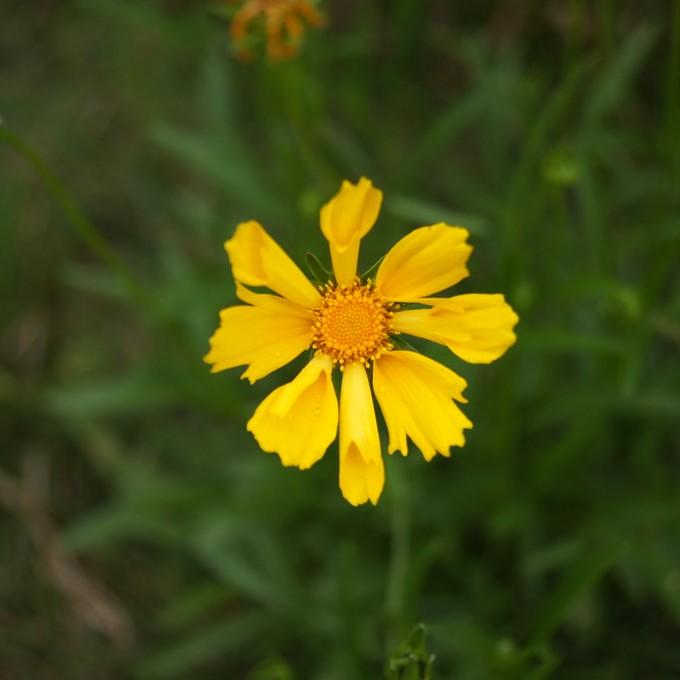
The ear-leaved tickseed (Coreopsis auriculata 'Zamphir') is an amazing plant species. This beautiful variety has bright yellow flowers contrasting with its dark, brooding foliage. The flowers appear in July and continue all the way through the fall. Easy to grow and care for, it will thrive in many soil types and even tolerates some drought. Not only is the plant low maintenance, but its also attractive to butterflies and bees, making it a great addition to any garden. Plus, it can be grown in colder climates and won't be lost to frost. Overall, the ear-leaved tickseed offers many benefits that make it an excellent choice for any garden.
Care Guide
Watering
Ear-leaved tickseed should be watered once every week or 2, depending on soil moisture. During hot weather, the plant should be watered more frequently. A good rule is to give the plant a deep watering when the soil has dried down to a depth of about 3 to 4 inches. During the hottest part of the summer, watering may need to be increased to every 3 to 5 days. During rainy times, no additional watering is usually needed. Watering should not be done too frequently as this can damage the plants roots.
Light
Ear-leaved tickseed (Coreopsis auriculata 'Zamphir') is an herbaceous perennial native to North and South America. It thrives in full sun, and does best when it receives at least 6 hours of direct sunlight a day. When possible, the plant should be placed in a spot that will receive full sun in the morning and shade in the afternoon. If the sun is too intense, the plant may become stressed and have reduced flowering.
Temperature
Hardiness zone 4–9.
Pruning
Ear-leaved tickseed (Coreopsis auriculata 'Zamphir') is best pruned in the spring or early summer after the plants have finished blooming. Prune the stems back to just above a set of healthy leaves or the ground. Removing the spent flowers and cutting back the stems to a healthy pair of leaves will encourage more blooms to form along the stems on the remaining leaves and remove any damaged or dead branches. Prune lightly if the plant is very tall or leggy. Doing so will help to maintain the plant’s natural shape and widen its form. Finally, remember to fertilize the plant approximately 2 weeks after pruning to help promote the plant’s growth.
Propagation
Division, Cutting, Seed Propagation, Layering Propagation
Uses & Symbolism
Attracts: Butterflies.
Guides that mention ear-leaved tickseed
Related plants
Other plants you might like if you grow ear-leaved tickseed.