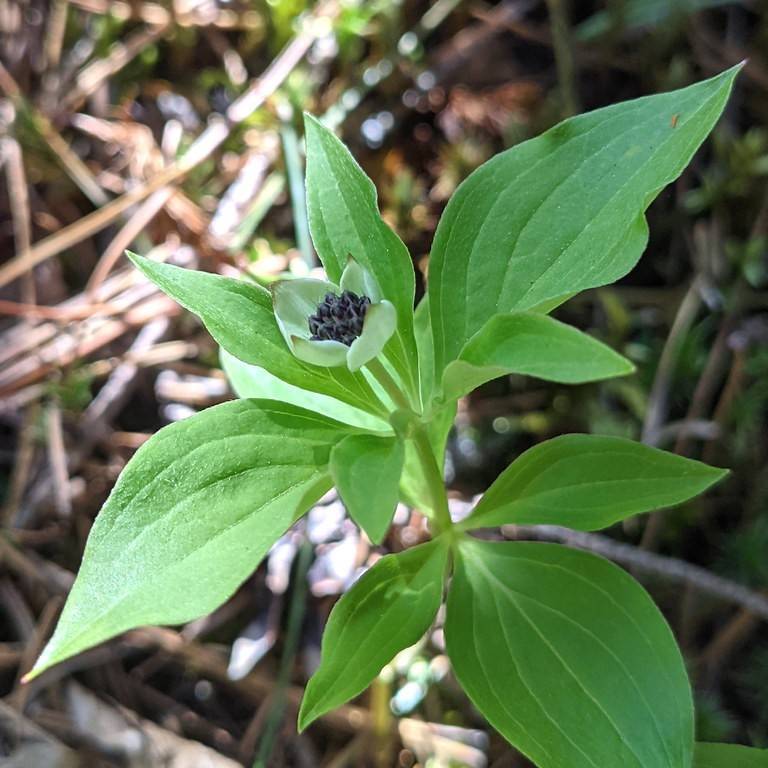
dogwood
Cornus wilsoniana
Overview
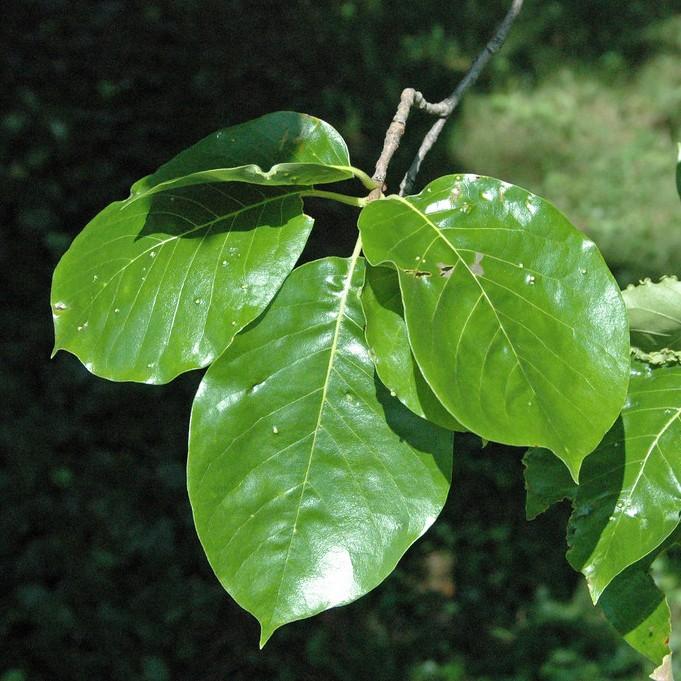
Dogwood (Cornus wilsoniana) is an amazing plant species with its unique beauty. Its white-tipped petals, deep red leaves, and stunning flowers make it an admiration for the eyes. This species also has a very sturdy trunk that makes it a great choice for serving as lovely privacy hedges and windbreaks. The flowers of Dogwood are fragrant and attractive to a wide range of pollinators like bees and butterflies. Moreover, Dogwood is great for adding some unique texture and year-round interest to landscapes. It is also very easy to grow and low maintenance.
Care Guide
Watering
Dogwood (Cornus wilsoniana) should be watered every 4-7 days, depending on the climate and soil conditions - drier climates will need more frequent watering. When watering, aim for the roots and use enough water to adequately moisten the soil. If the top soil is dry, water until it is saturated. Soil should be kept consistently moist for the plant to thrive. Avoid overwatering, as this can cause root rot and other damaging diseases.
Light
Dogwood (Cornus wilsoniana) prefers full sunlight for around 6 to 8 hours each day and should be planted in an area that gets at least 5 hours of direct sunlight each day. If it doesn't receive the full amount of sunlight, the plant will become less productive and its flowering and overall health will suffer. Dogwood can tolerate partial shade as well, but will be less likely to bloom and may not reach its full potential in terms of growth and health.
Temperature
Hardiness zone 6–9.
Pruning
Dogwood (Cornus wilsoniana) should have only light pruning done, and preferably done in late winter while the plants are dormant. Pruning during the summer months will remove the flowering wood and reduce the number of blooms for the next season. When dead, diseased, or broken branches are observed, they should be cut off at the collar. Old, weak wood as well as thinning out of the center of the plants should be done in the late winter months in order to maintain the desired shape and size. Care should be taken to not prune more than 1 third of the live branches.
Propagation
Seed Propagation, Cutting, Grafting Propagation, Layering Propagation, Division
Uses & Symbolism
Attracts: Butterflies.
Related plants
Other plants you might like if you grow dogwood.
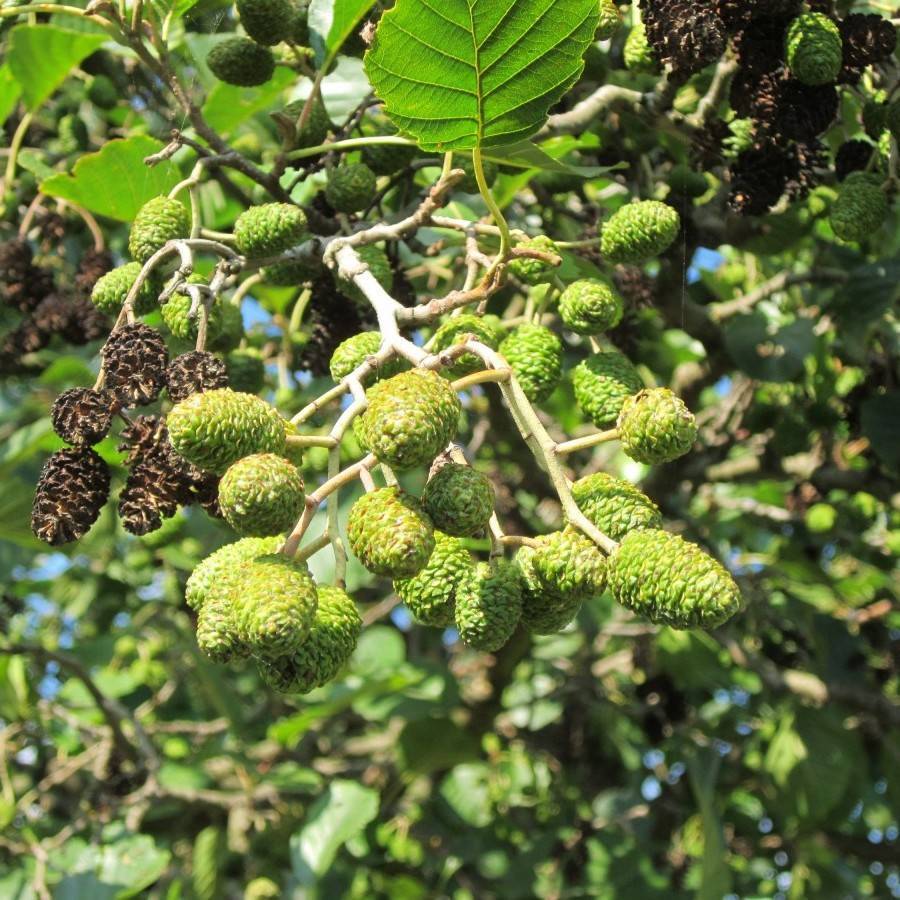
alder
Alnus mayrii
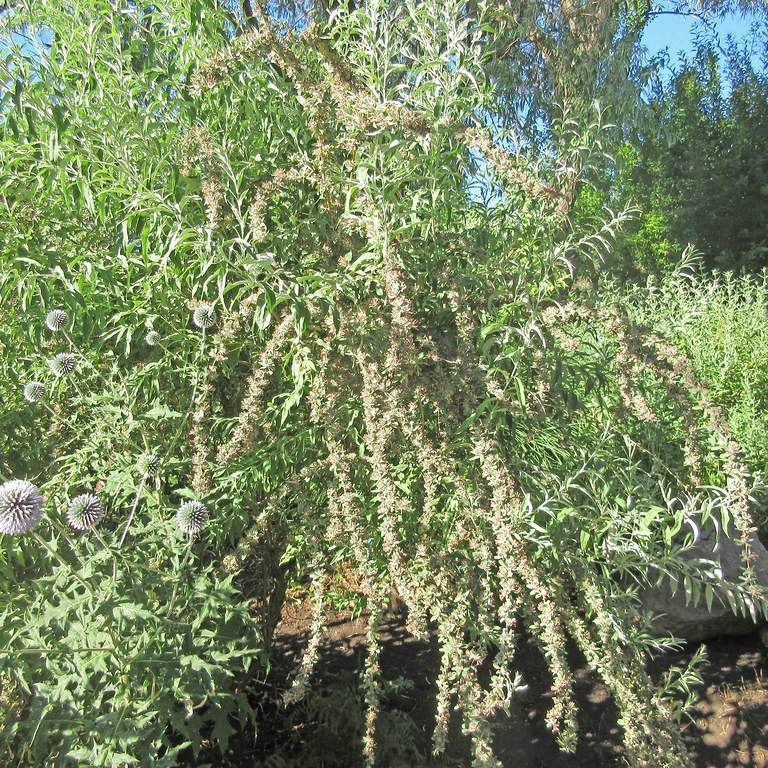
alternate-leaved butterfly bush
Buddleja alternifolia
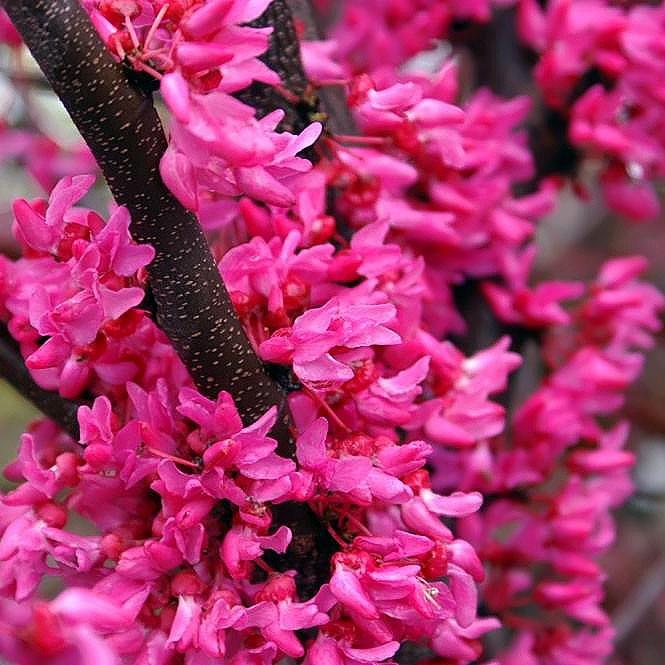
Appalachian Red Redbud
Cercis canadensis 'Appalachian Red'
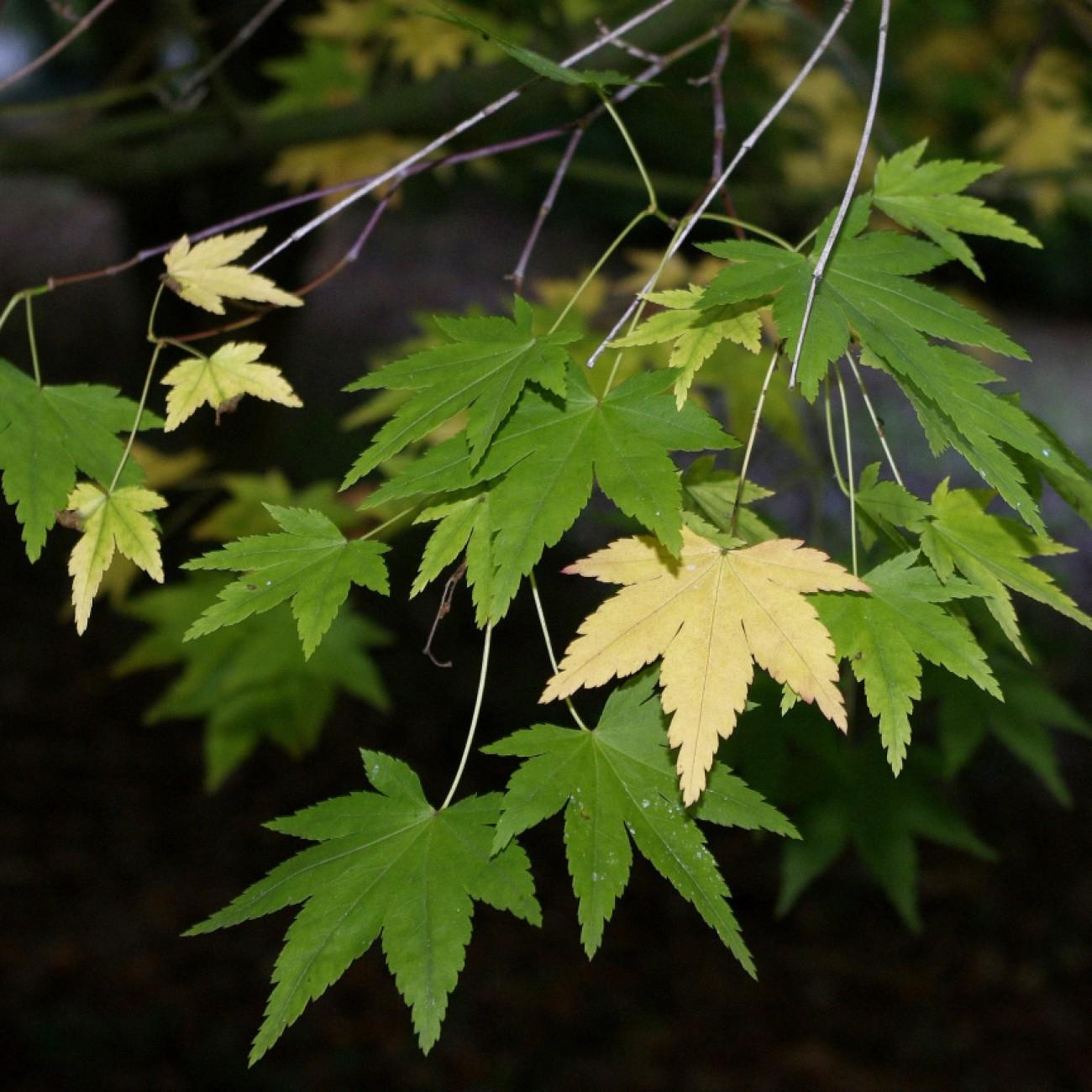
Arakawa Cork Bark Japanese Maple
Acer palmatum 'Arakawa'
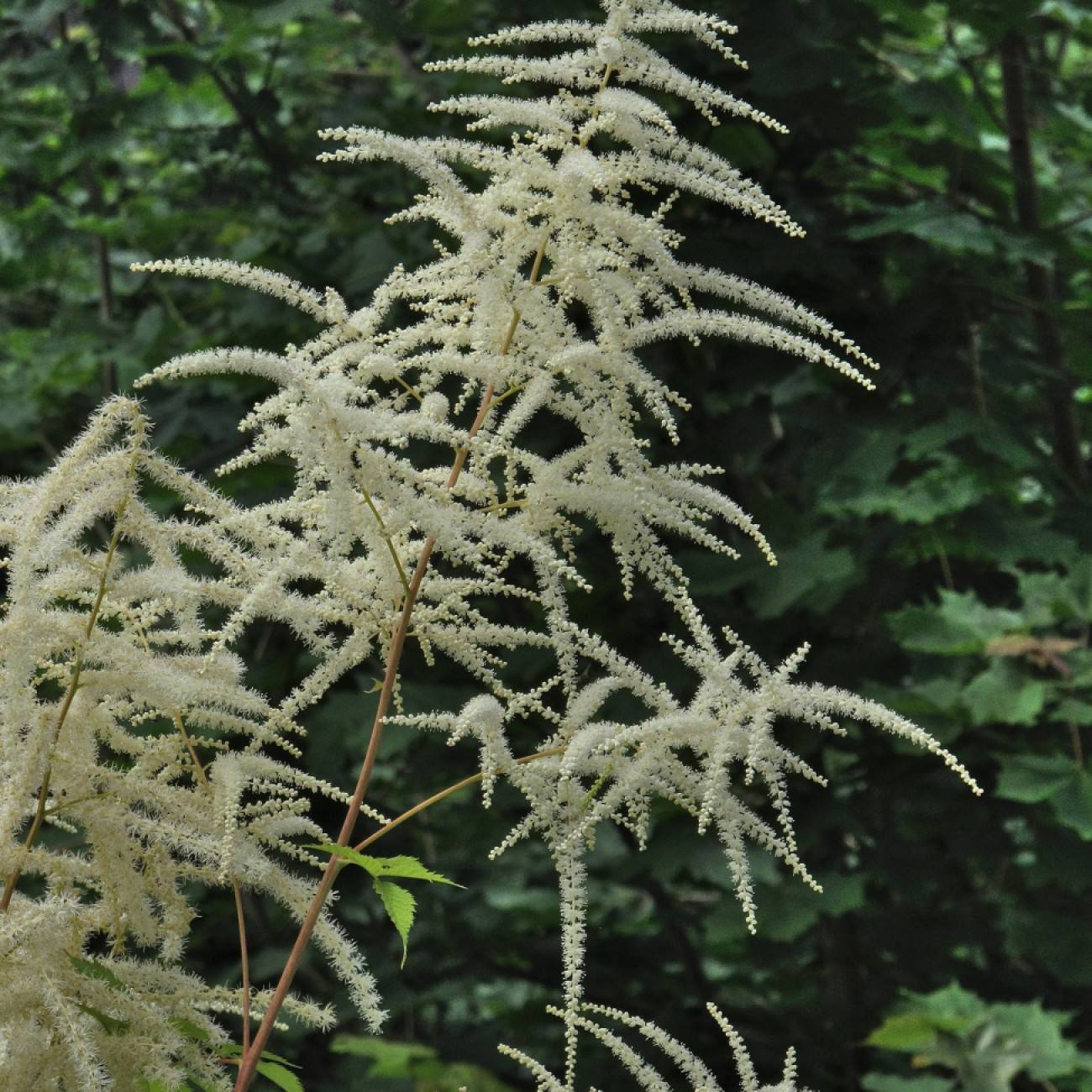
aruncus
Aruncus 'Horatio'
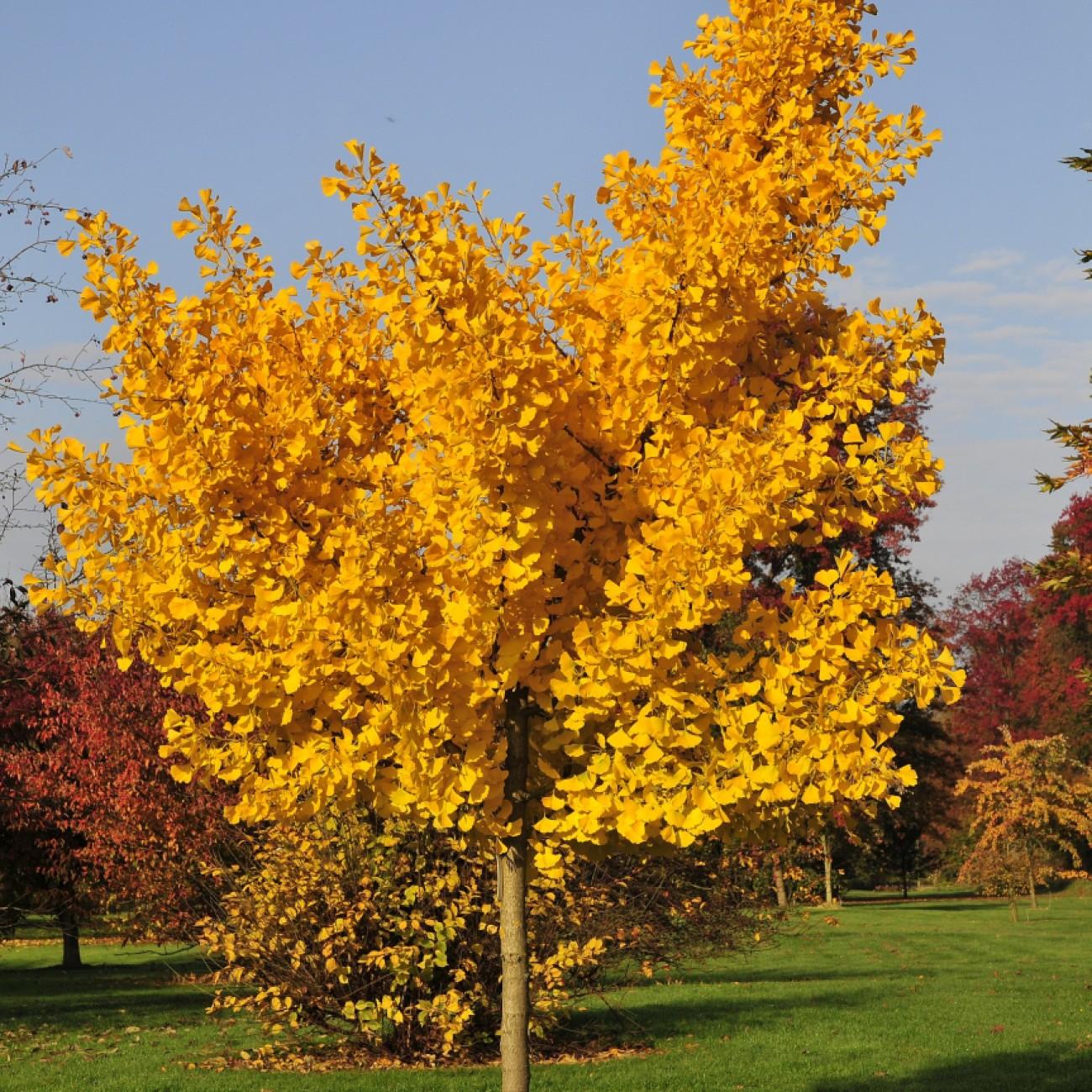
Autumn Gold Ginkgo
Ginkgo biloba 'Autumn Gold'
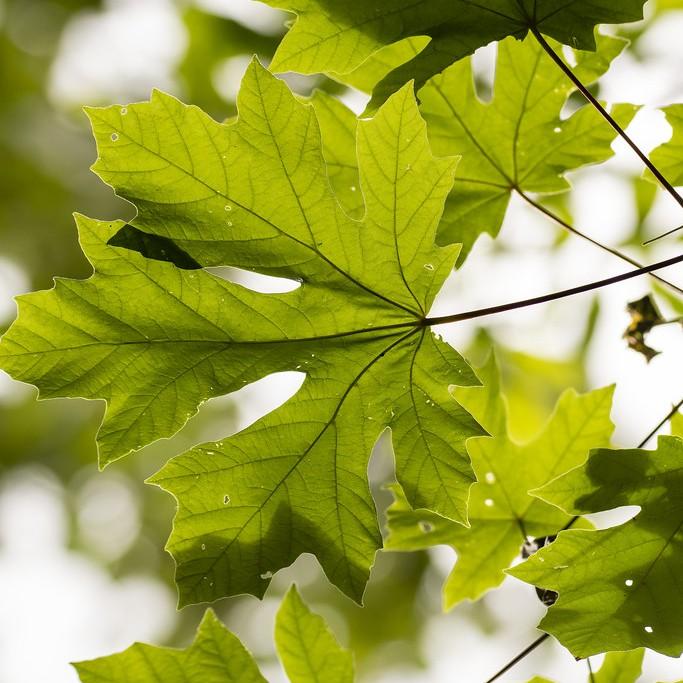
Big Leaf Maple
Acer macrophyllum
Black Gum
Nyssa sylvatica