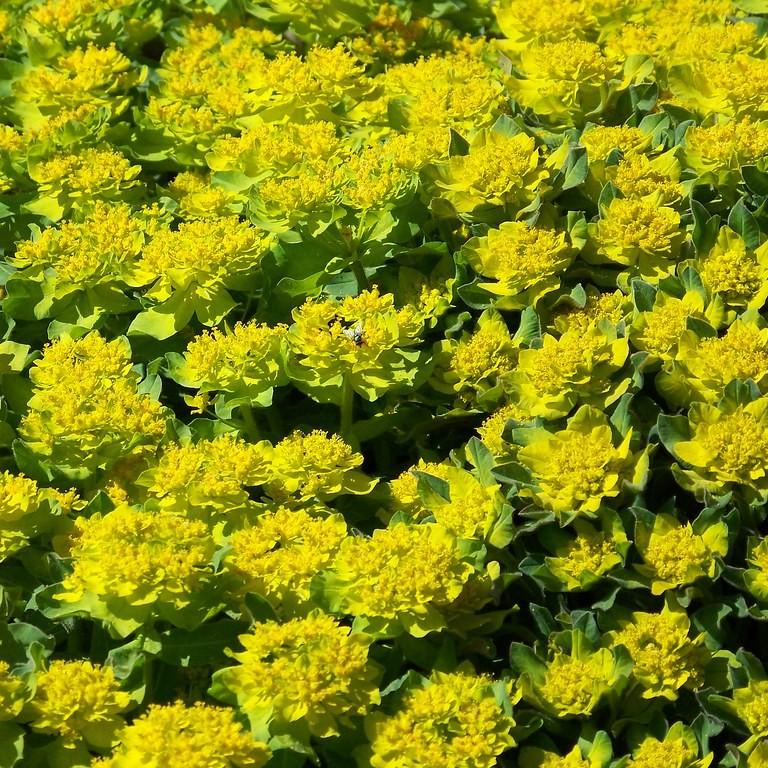
cushion spurge
Euphorbia polychroma
Overview
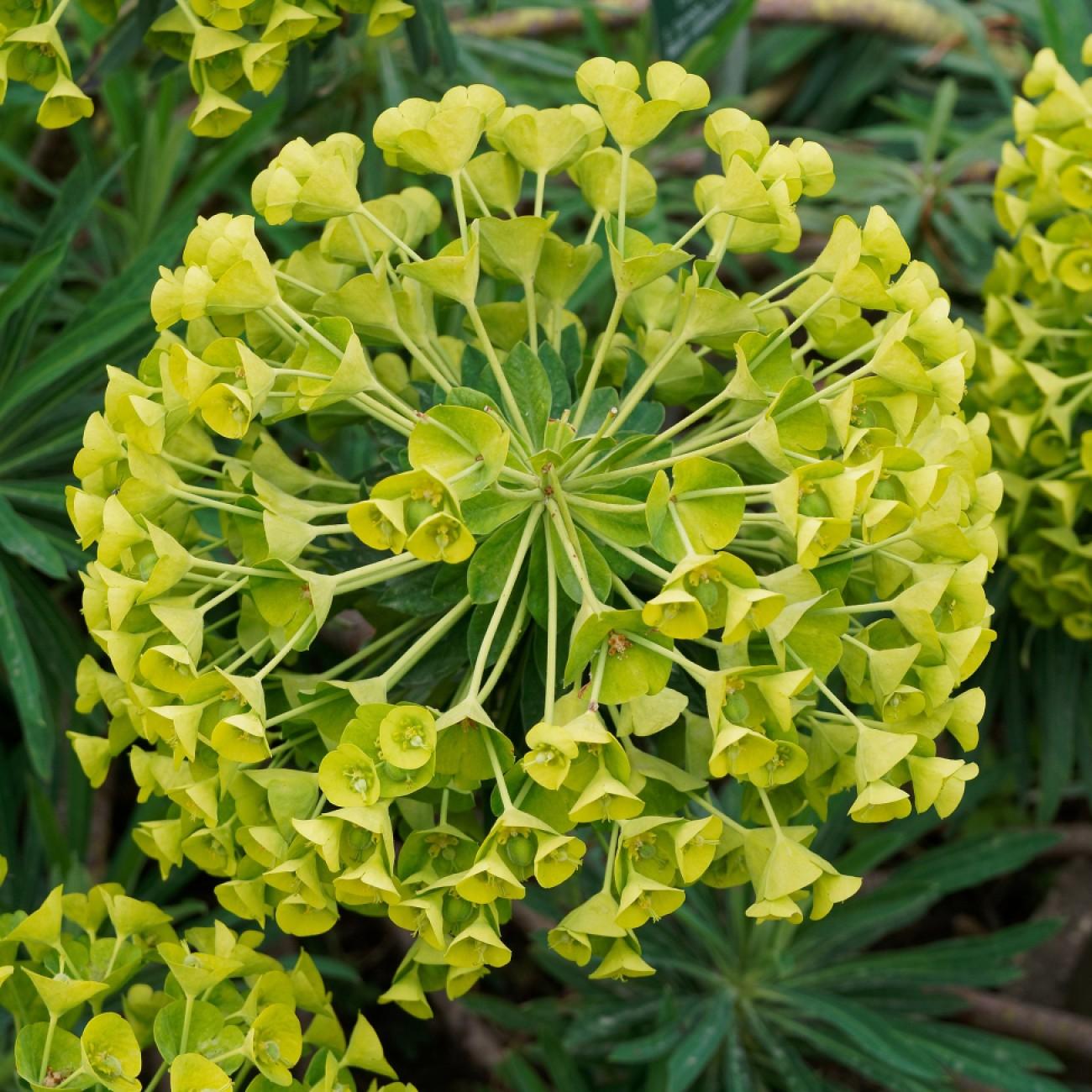
Cushion spurge (Euphorbia polychroma) is a stunning and hardy salvia native to North America. This herbaceous perennial provides brilliant yellow and green foliage and vibrant clusters of chartreuse flowers that will bring a splash of sunshine to your garden. The unique foliage of cushion spurge is quite drought tolerant and will brighten up sunny and partially shady areas alike. Best of all, cushion spurge is deer and rabbit resistant, making it a great choice for areas that may have an issue with both of these pesky animals. Plus, the versatility of cushion spurge ensures a unique and eye-catching garden, no matter where it is planted.
Care Guide
Watering
Cushion spurge (Euphorbia polychroma) is a drought tolerant perennial that thrives best when watered regularly. During the growing season (spring to fall), water cushion spurge frequently enough to keep the soil lightly damp to the touch. If conditions are dry, supplement natural rainfall with weekly waterings. Reduce watering in the late fall or winter months, as cushion spurge is semi-evergreen and remains dormant in winter. Make sure to water plants deeply, as shallow watering encourages shallow root systems. When watering, make sure to target only the base of the plant and not the foliage. Additionally, cushion spurge does not like to be too wet, so be sure to monitor your plants and do not overwater.
Light
Cushion spurge (Euphorbia polychroma) does best with full sun. This plant prefers 6 or more hours of sunlight each day for optimal growth. Morning sun is best, as it helps keep stems and foliage from wilting in the heat of the afternoon. Cushion spurge can also tolerate some afternoon shade, however, it grows best and flowers profusely when it receives 6 or more hours of sunlight each day.
Soil
Humus rich, Well-drained
Temperature
Hardiness zone 4–8.
Pruning
Cushion spurge should be pruned in late winter or early spring, before new growth begins. This plant typically grows wider than it does tall, so it is important to prune off any old stems, especially in the center of the plant, to encourage new growth. Cut the stems back to 1-2 inches above the soil line and shape the plant to meet your desired size and shape. Be sure to wear gloves and protective goggles when pruning as this plant is known to cause skin irritation upon contact.
Propagation
Seed Propagation
Diseases & Pests
Common pests: Aphids, adelgids, Blight, needle cast, Mealybugs, Mites, Pest resistant, Disease resistant, Deer resistant, Rabbit resistant, Drought resistant .
Related plants
Other plants you might like if you grow cushion spurge.
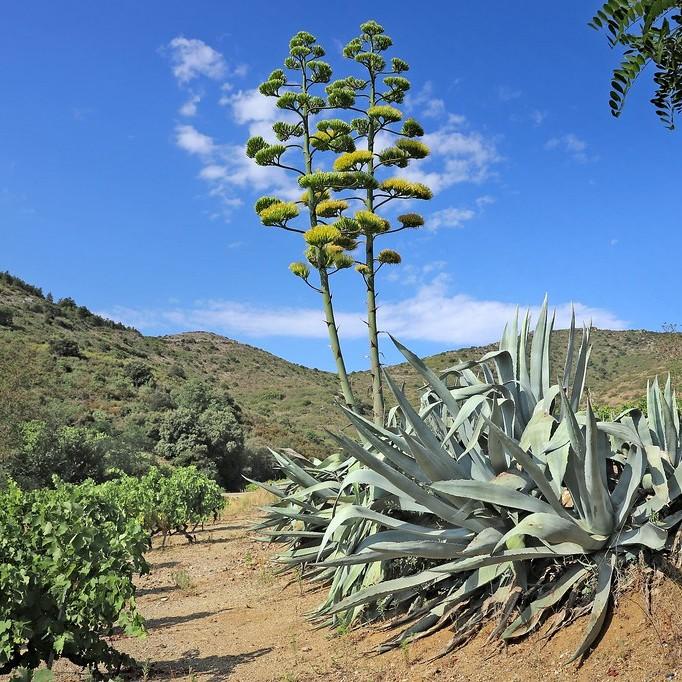
American century plant
Agave americana
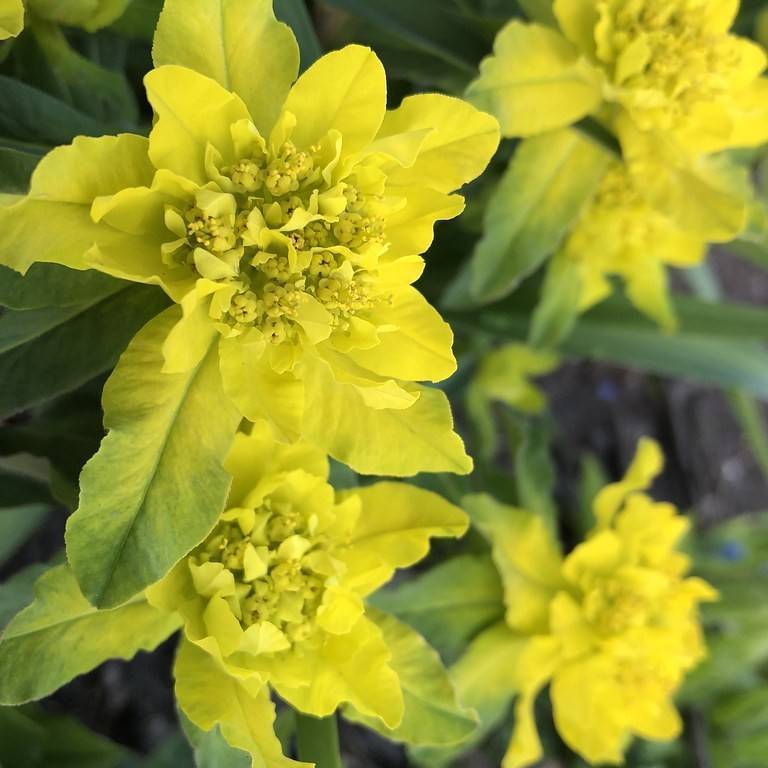
cushion spurge
Euphorbia epithymoides 'Bonfire'
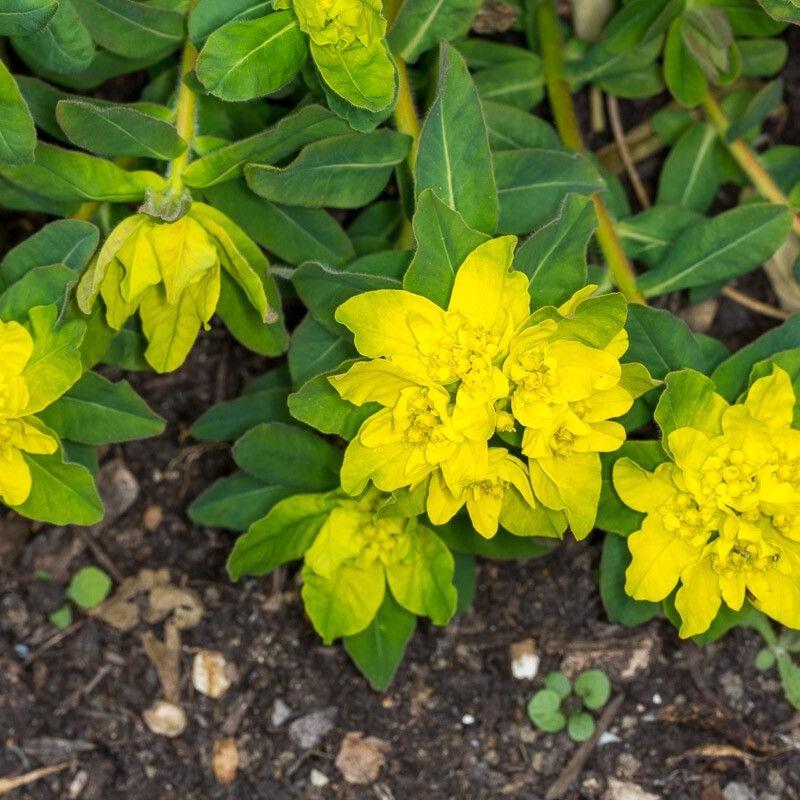
cushion spurge
Euphorbia polychroma 'Candy'
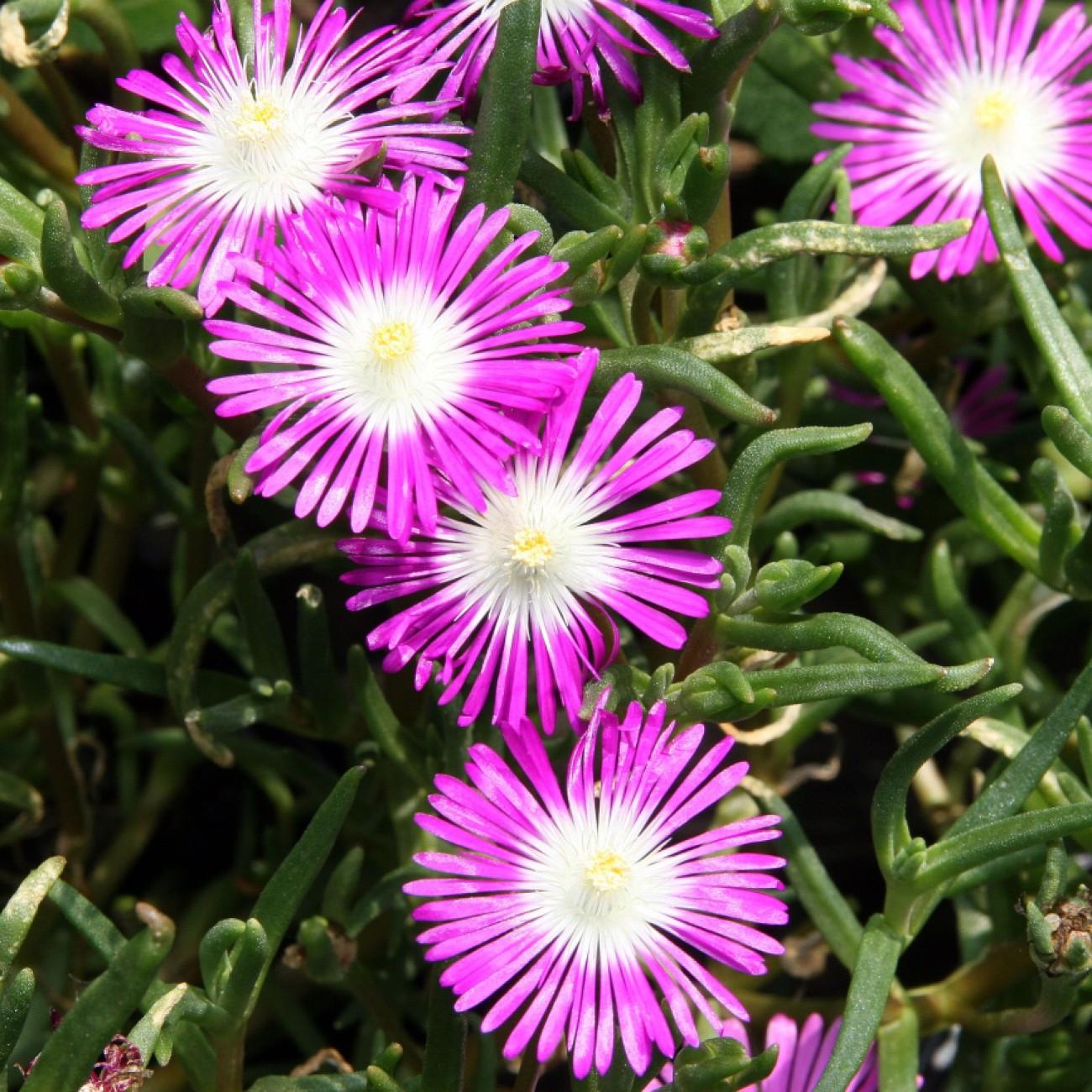
delosperma
Delosperma floribundum 'Starburst'
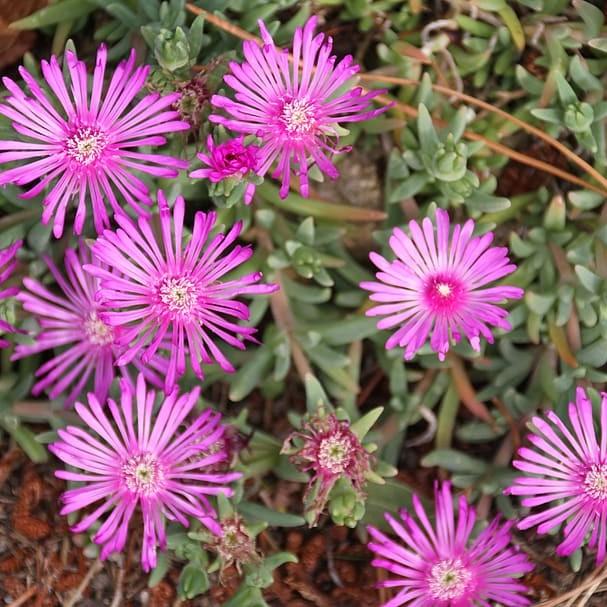
delosperma
Delosperma 'John Proffitt'
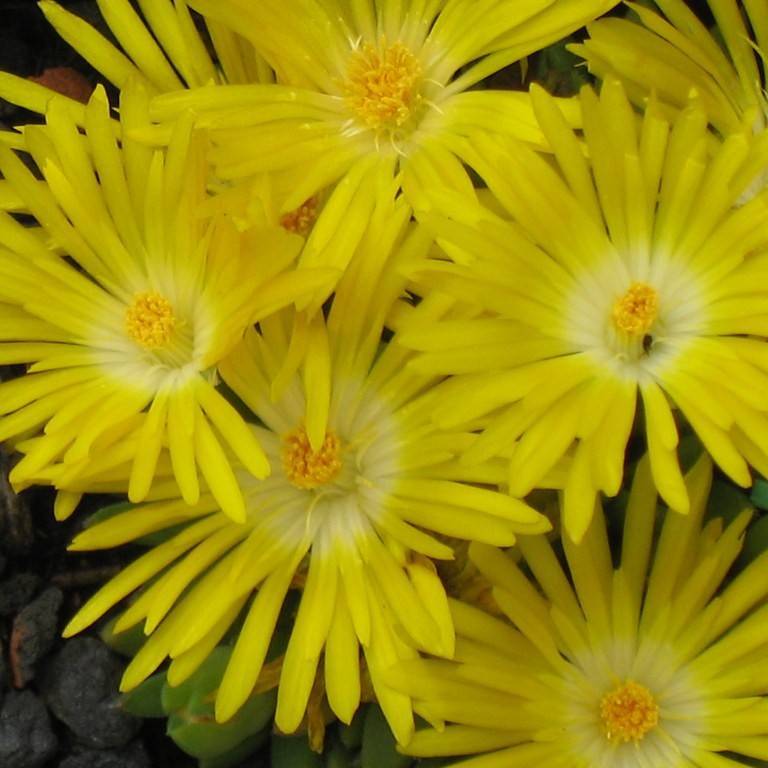
hardy yellow iceplant
Delosperma nubigenum
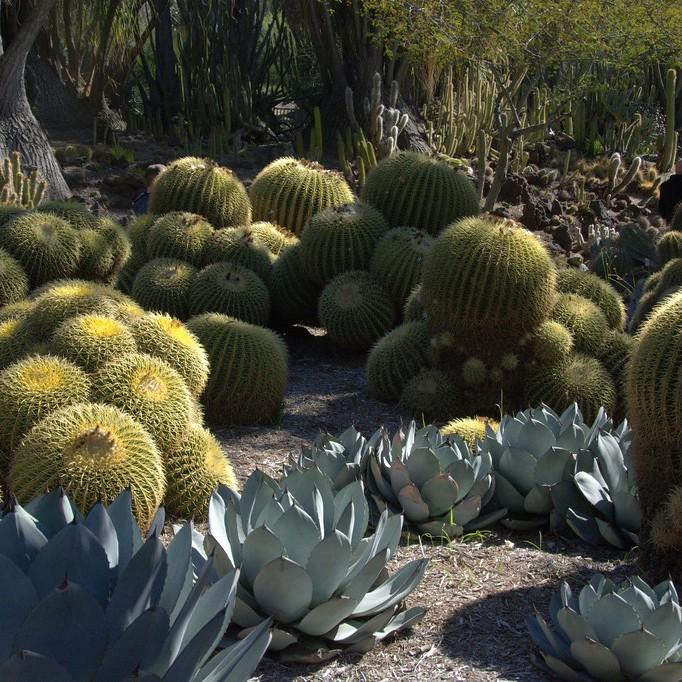
Parry's agave
Agave parryi
spurge
Euphorbia characias subsp. wulfenii