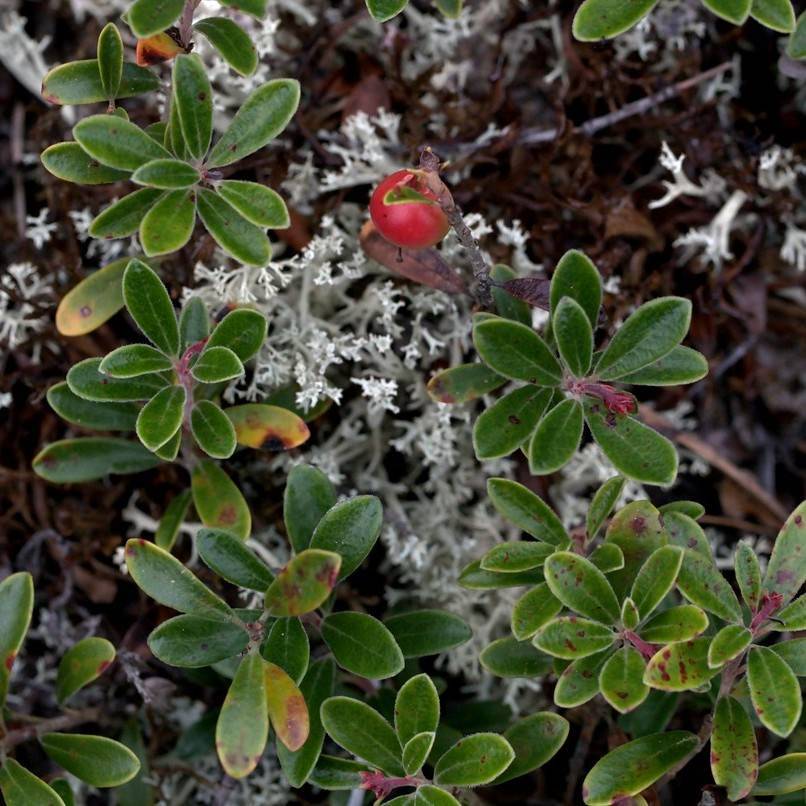
common bearberry
Arctostaphylos uva-ursi 'Massachusetts'
Overview
Common bearberry (Arctostaphylos uva-ursi 'Massachusetts') is a low growing evergreen shrub native to North America. It is adored by gardeners for its ability to thrive in acidic and rocky soils, as well as its beautiful, glossy green and red leaves. In addition, it produces white to pink, bell-shaped flowers in the spring and summer, followed by edible red-orange drupes in autumn. This incredible shrub is also extremely easy to care for and grows over time to make a stunning ground cover. The truly amazing feature of common bearberry is that it is both drought- and wet-tolerant, making it ideal for many different garden designs.
Care Guide
Watering
Common bearberry needs moist soil but may rot from too much moisture, so watering should be done with care. Water the plant every 7-10 days, making sure the soil is moist but not soggy. During the summer months, additional water may be needed during periods of extended dryness. When watering, use enough water to soak the soil and trickle down to the roots of the plant. Allow the plant to dry down a bit between waterings. Over-watering can damage the roots and kill the plant, so use caution and be sure to adjust watering frequency accordingly.
Light
Common bearberry is a species of evergreen shrub that is native to northern North America and Europe. This plant prefers full sun but tolerates light shade, so it is best to give it at least 4 to 6 hours of direct sunlight per day, in the early morning or late afternoon. It is important to avoid exposing the plant to intense midday sunlight, as this can cause scorching and leaf burn. Bearberries can handle cooler climates, so it can still thrive in less hours of sun in the winter months.
Soil
Sandy Loamy Rocky
Temperature
Hardiness zone 2–7.
Pruning
When it comes to pruning common bearberry, the best time to do so is typically in late winter or early spring. This will help to ensure that the shrub is ready for the growing season and also gives it time to recover and grow in the late spring and summer months. The amount that should be pruned will depend on the size of the bearberry and the desired shape. Generally, however, it is best to remove 1/3 of the most recently grown branches. This will preserve the overall shape of the shrub while also allowing enough room for the bearberry to expand and fill in. If more drastic pruning is needed, it is recommended that this be done over a period of multiple years to ensure that the shrubrecovers properly.
Propagation
Seed Propagation, Greenwood Cuttings, Hardwood Cuttings
Uses & Symbolism
Attracts: Birds.
Diseases & Pests
Common pests: Fungal leaf spot, Galls, Root rot, Rust, Deer resistant, Drought resistant .
Related plants
Other plants you might like if you grow common bearberry.
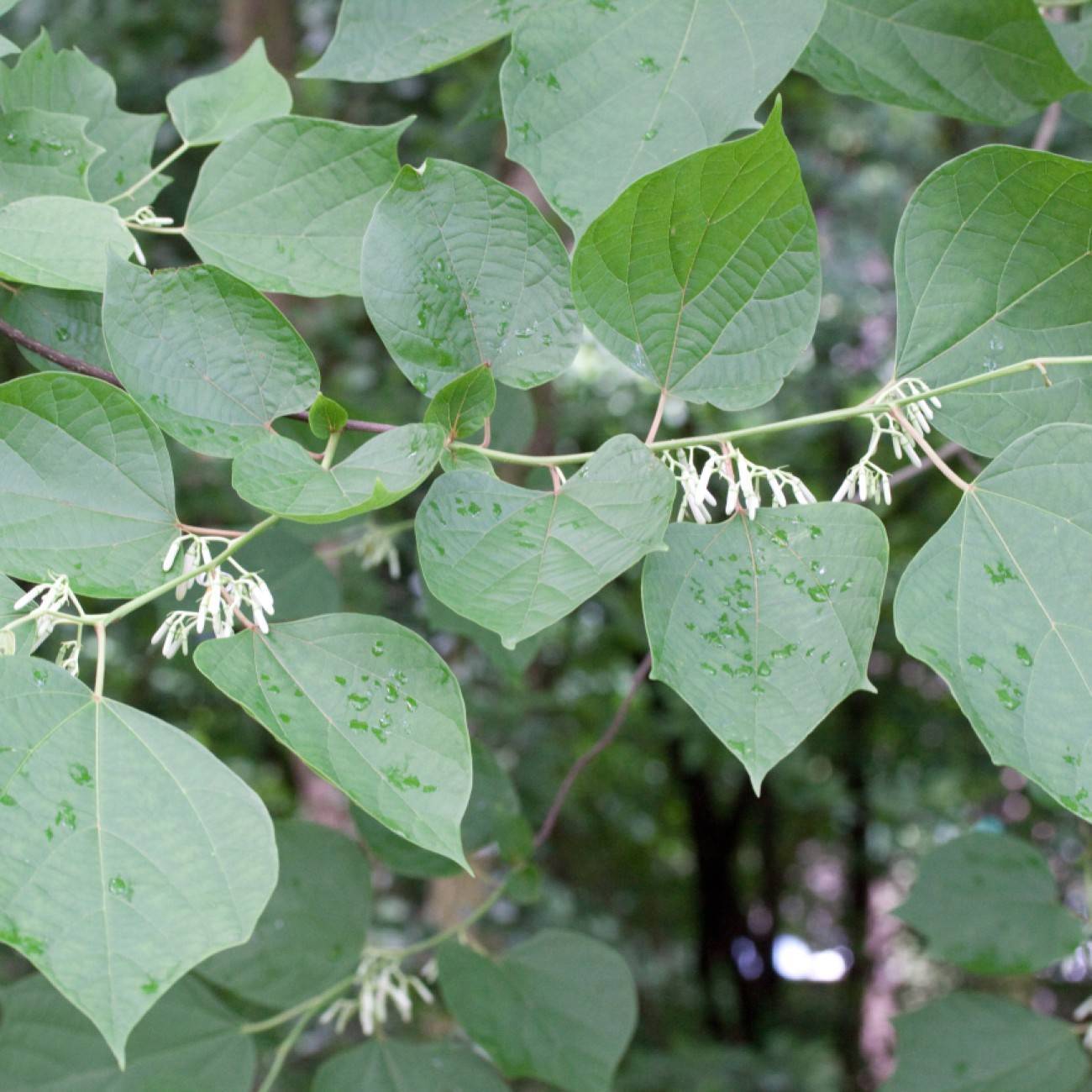
alangium
Alangium platanifolium var. macrophyllum
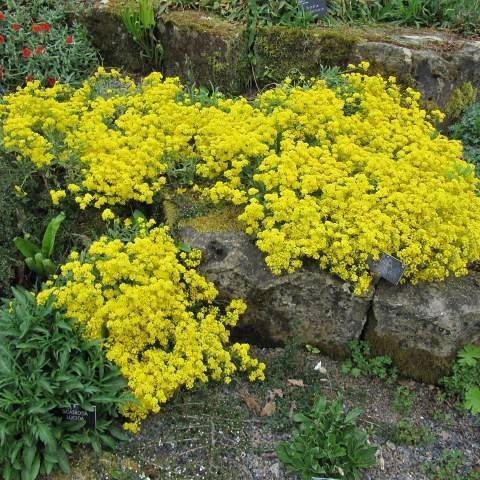
basket of gold
Aurinia saxatilis 'Gold Dust'
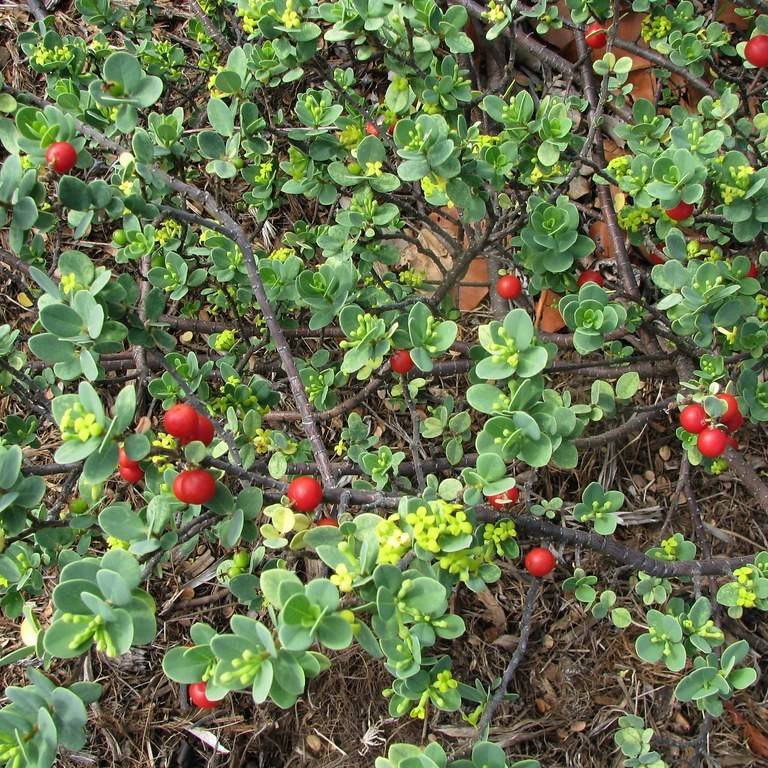
bearberry
Arctostaphylos uva-ursi 'Wood's Red'
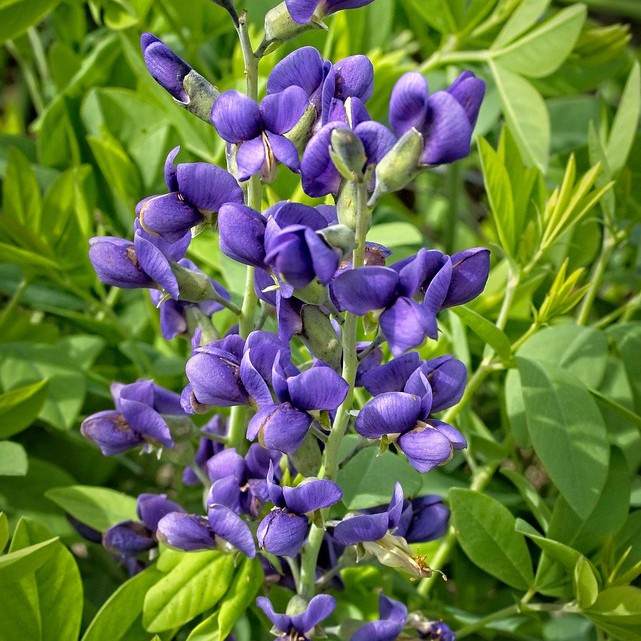
blue false indigo
Baptisia australis
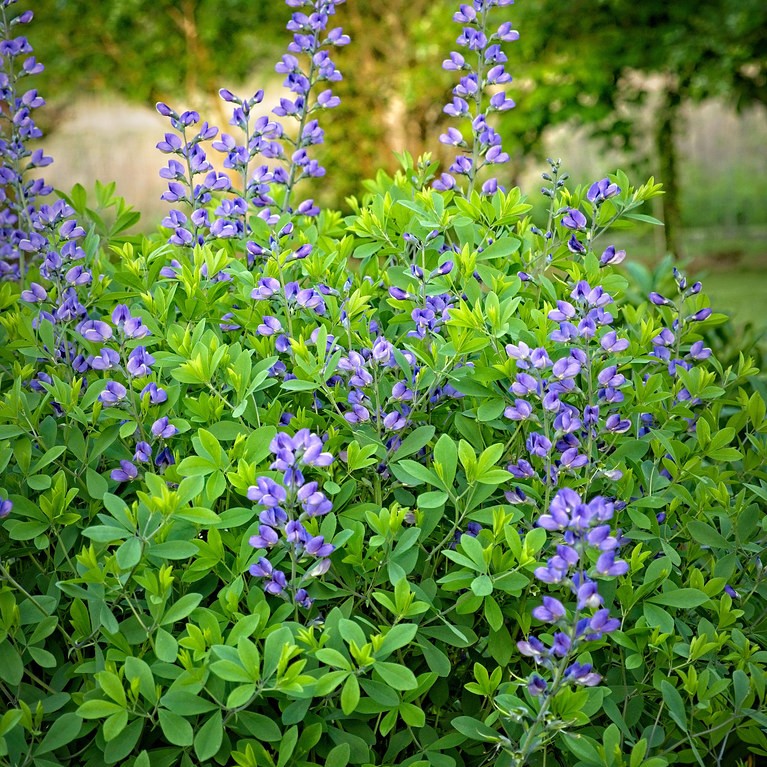
blue false indigo
Baptisia australis var. minor
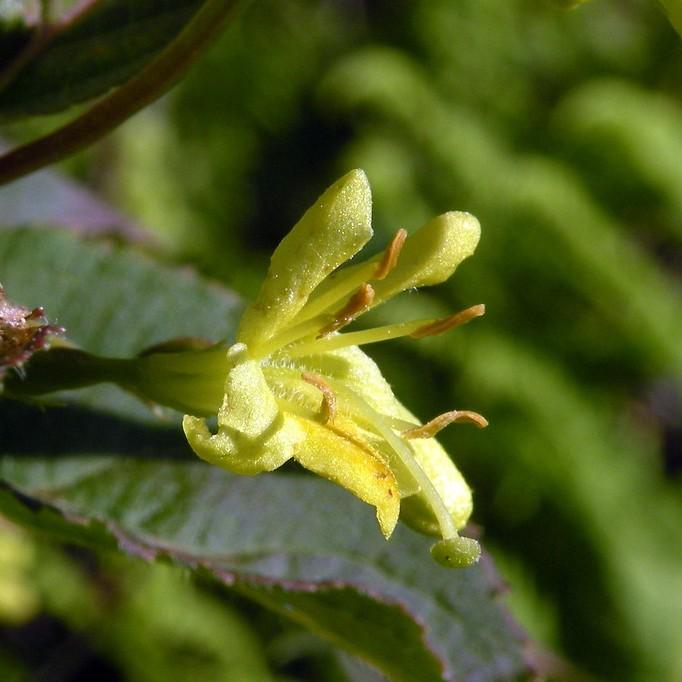
bush honeysuckle
Diervilla lonicera
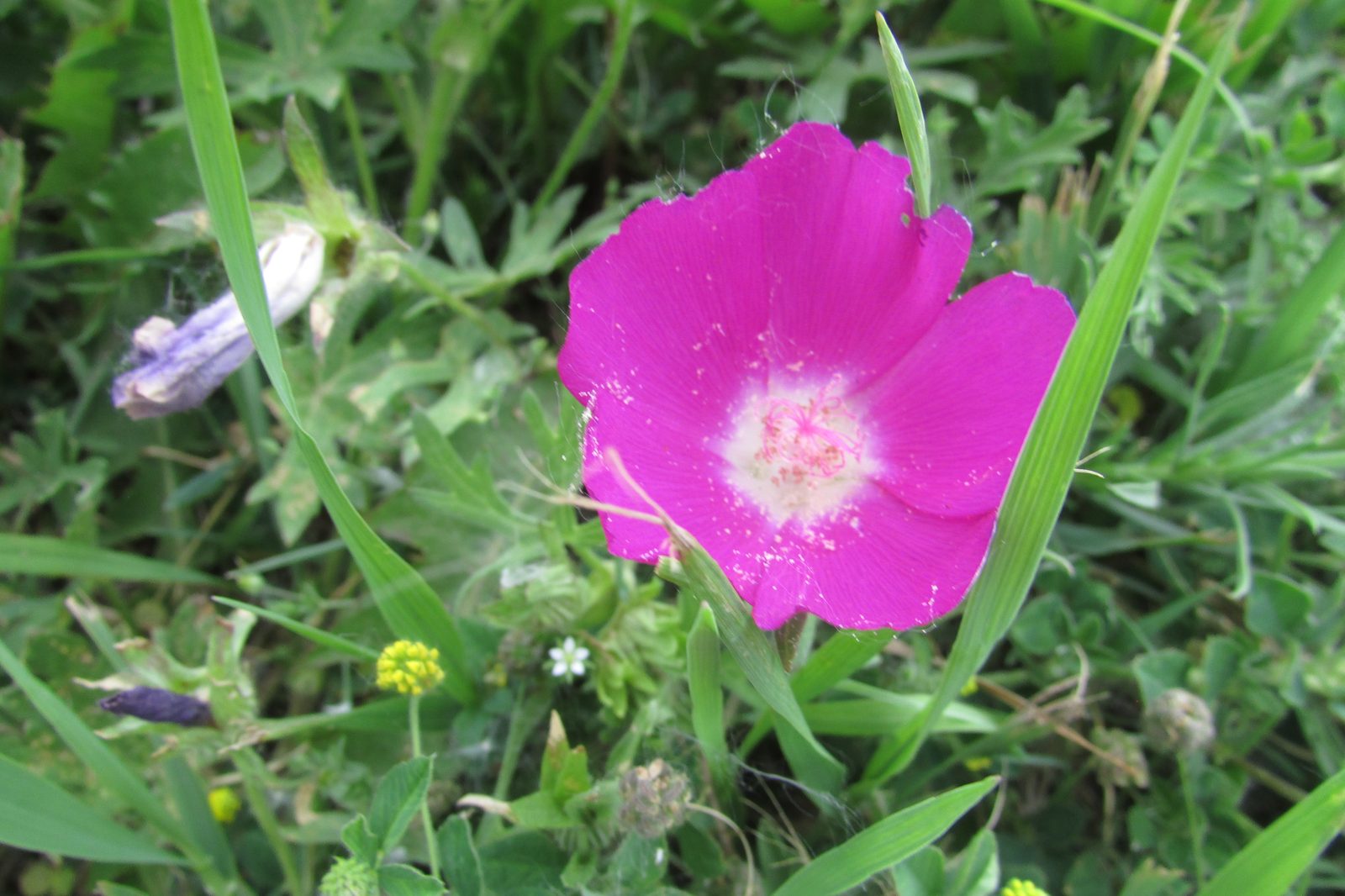
Bush's poppy mallow
Callirhoe bushii
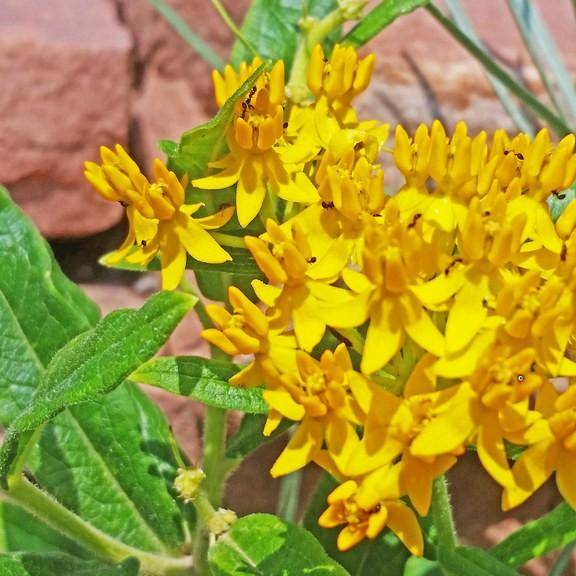
butterfly weed
Asclepias tuberosa 'Hello Yellow'