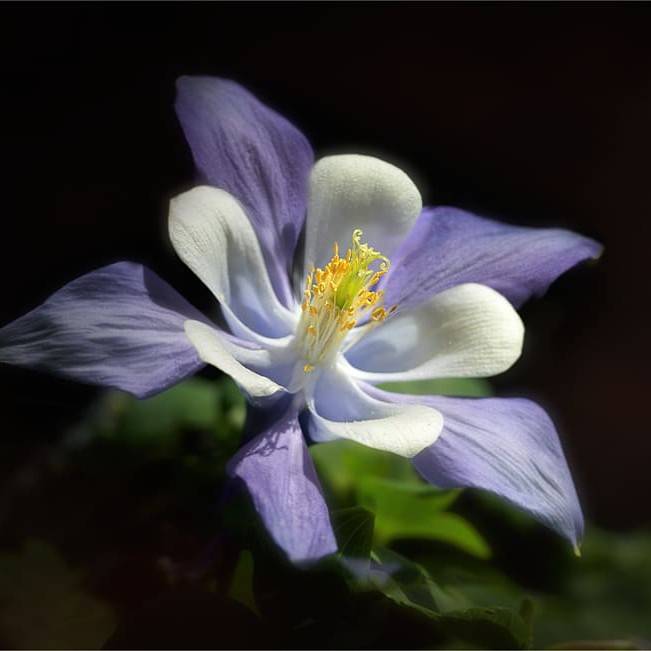
columbine
Aquilegia 'Bunting'
Overview
The columbine (Aquilegia 'Bunting') is an amazing and beautiful plant species. This hardy long-blooming perennial variety produces gorgeous deep purple flowers with contrasting yellow hoops and white spurs. Its unique and vibrant blooms make it an attention-grabber in any garden. Furthermore, it's known to be both drought and deer resistant, so it thrives in a variety of climates and conditions. The columbine 'Bunting' adds dynamism to borders and flower beds, providing a unique colour and texture. It's also known to be an excellent source of nectar for butterflies and hummingbirds. With its elegant beauty and robustness, the columbine is sure to become a beloved part of your garden.
Care Guide
Watering
Columbine (Aquilegia 'Bunting') requires moist soil, so water it regularly during the growing season (generally from early spring to late summer). However, be careful not to keep the soil constantly wet as this can result in root rot. Aim to water around once a week, making sure the soil is moist but not soggy. During particularly hot summer days, you may need to water more frequently. Reduce watering in the winter when the plant is dormant, only giving it enough to keep the soil from becoming bone dry.
Light
Columbine (Aquilegia 'Bunting') is a flowering perennial that blooms best in full sun or partial shade. It prefers 6 or more hours of sunlight daily, though it can tolerate partial shade. When grown in full sun, columbine 'Bunting' will produce an abundant display of flowers. When planted in partial shade, its flowering will be reduced. The periods of sun and shade are important for this species, as it can become too hot for the plant to survive with extended periods of direct sunlight. In most climates, the plant prefers sunlight from morning to early afternoon, with some shade during the middle and late part of the day.
Temperature
Hardiness zone 3–9.
Pruning
Columbine (Aquilegia 'Bunting') should be pruned in late winter or early spring, when the plant is still dormant. Pruning should be kept to a minimum, removing dead, diseased, or damaged stems and any branches that are overcrowded or rubbing against each other. Before pruning, ensure that all stems are completely dead. Annual pruning is not required but it can be beneficial to remove any unsightly or dead branches each year.
Propagation
Seed Propagation, Division, Cutting
Uses & Symbolism
Attracts: Hummingbirds.
Related plants
Other plants you might like if you grow columbine.