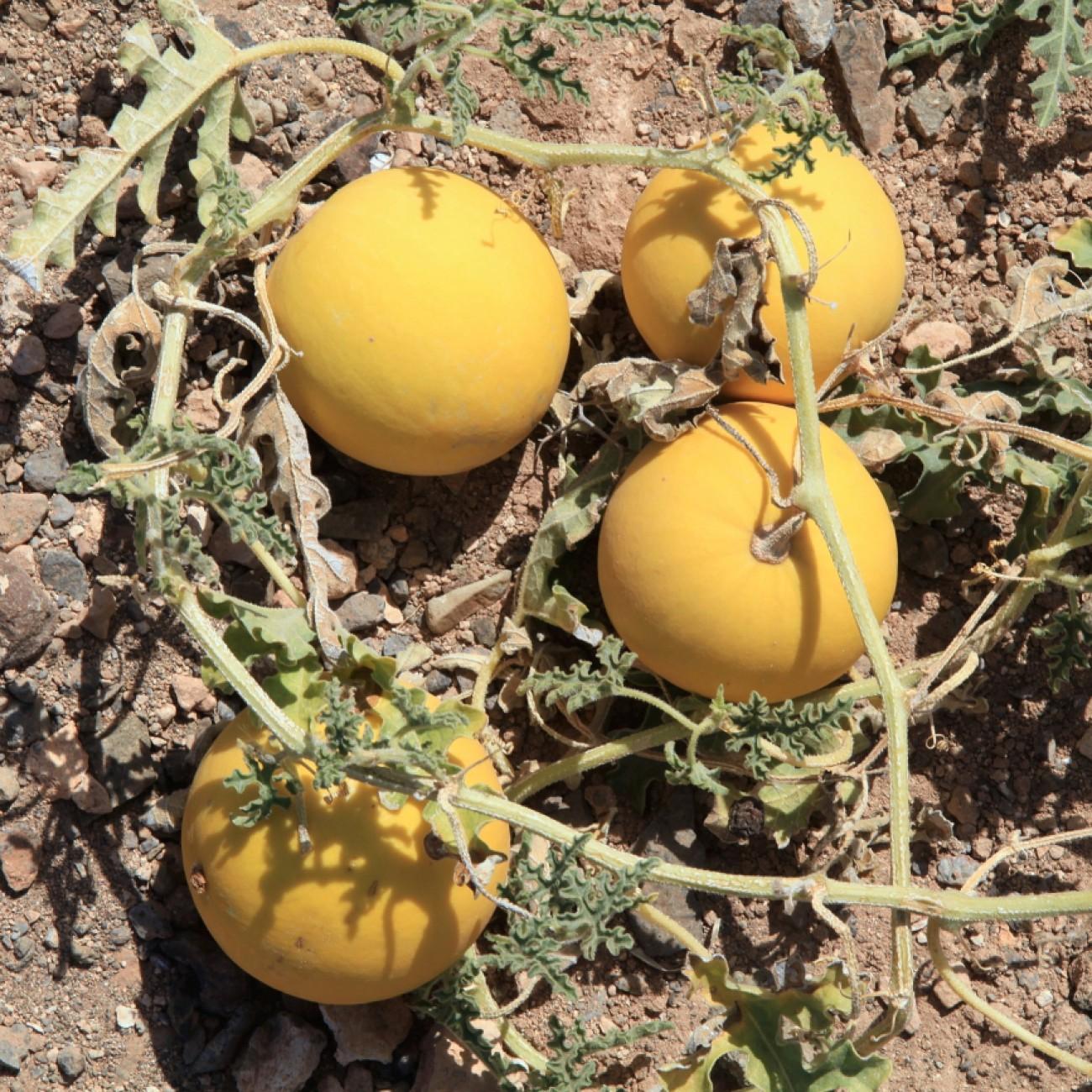
Colocynth
Citrullus colocynthis
Overview
Colocynth, also called bitter apple or bitter cucumber, is a sprawling, vine-like perennial adapted to hot, dry, sandy environments across its native range. It bears small, yellow, unisexual flowers and round, pale green, mottled fruits that harden into yellow, tennis ball-sized structures when mature. The plant’s extreme bitterness comes from cucurbitacin compounds, which make all parts unpalatable and toxic to most animals.
Care Guide
Watering
Colocynth is extremely drought-tolerant, requiring only occasional deep watering during extended dry periods; overwatering, especially in cool conditions, will quickly cause root rot. Allow the entire soil profile to dry out completely between waterings, and reduce or suspend irrigation entirely during the plant’s winter dormant period.
Light
This species requires full, direct sunlight for a minimum of 6 to 8 hours per day to thrive, produce flowers, and set fruit. It cannot tolerate shade, as low light will lead to weak, leggy vine growth and a complete lack of fruiting.
Soil
Colocynth prefers well-draining, sandy or gravelly, low-nutrient soil with a neutral to slightly alkaline pH between 6.5 and 8.0. Heavy, clay-rich soils that retain moisture are unsuitable, as they will cause root rot even with infrequent watering.
Fertilizer
This plant is adapted to low-nutrient environments and requires very little supplemental fertilization. A single application of balanced, slow-release fertilizer at half strength in early spring is sufficient to support annual growth; over-fertilization will promote excessive foliage growth and reduce fruit production.
Temperature
Colocynth thrives in hot temperatures between 70 and 100°F (21 and 38°C) and is highly tolerant of extreme summer heat in arid regions. It cannot tolerate frost, and temperatures below 32°F (0°C) will kill above-ground growth; in cooler climates, it may be grown as an annual or overwintered indoors.
Pruning
Prune back overgrown, damaged, or dead vines in early spring to encourage new, healthy growth and improve air circulation around the plant. Remove any fallen fruit or plant debris from around the base regularly to reduce the risk of fungal disease and pest infestations.
Propagation
Colocynth is most commonly propagated from seed, sown directly into warm, well-draining soil after all risk of frost has passed. Seeds germinate quickly in temperatures above 68°F (20°C), and seedlings can be transplanted once they develop 2 to 3 true leaves, taking care not to damage the sensitive taproot.
Humidity
This species prefers low humidity levels between 20 and 40%, typical of its native arid and semi-arid habitats. High humidity, especially combined with warm temperatures, increases the risk of powdery mildew and other fungal infections on leaves and vines.
Repotting
If grown in containers, repot colocynth only once every 2 to 3 years, in early spring before new growth emerges, to avoid disturbing its deep taproot. Use a cactus or succulent potting mix with added perlite or sand to ensure maximum drainage, and select a container with large drainage holes to prevent standing water.
Uses & Symbolism
Historically, dried colocynth fruit was used in extremely small, controlled doses in traditional medicine as a powerful purgative and pain reliever, though it is rarely used for this purpose today due to its high toxicity. The plant is occasionally grown as an ornamental curiosity in arid gardens for its trailing vines and unusual, long-lasting hard fruits, and its drought tolerance makes it suitable for xeriscaping in very dry regions.
Diseases & Pests
Colocynth is susceptible to common cucurbit fungal diseases, including powdery mildew and downy mildew, which develop in humid conditions or when foliage remains wet for extended periods. Common pests include aphids, spider mites, and cucumber beetles, which feed on leaf and vine sap; heavy infestations can stunt growth and reduce fruit production.
Related plants
Other plants you might like if you grow Colocynth.
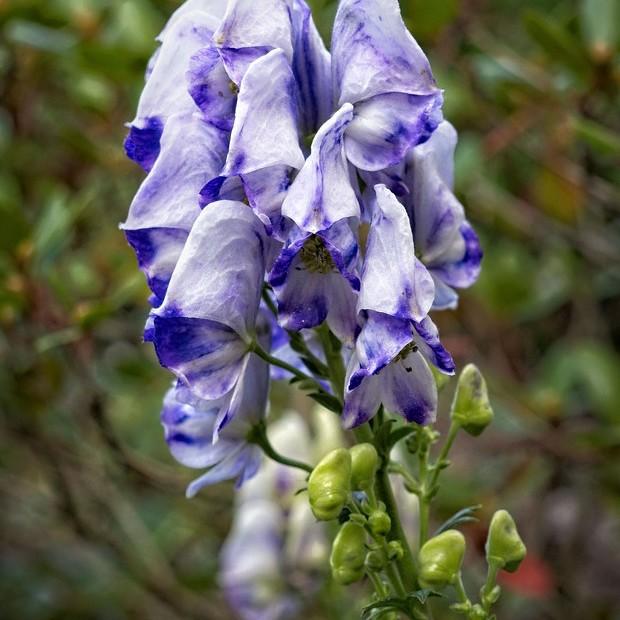
azure monkshood
Aconitum carmichaelii 'Arendsii'
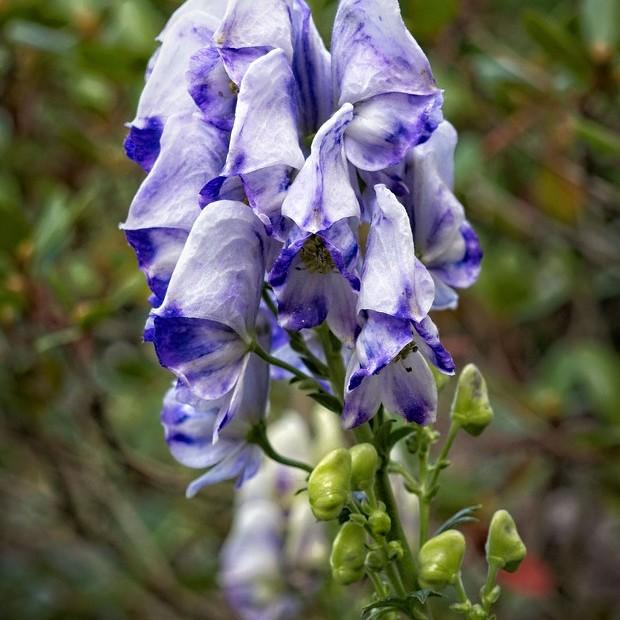
azure monkshood
Aconitum carmichaelii var. angustius
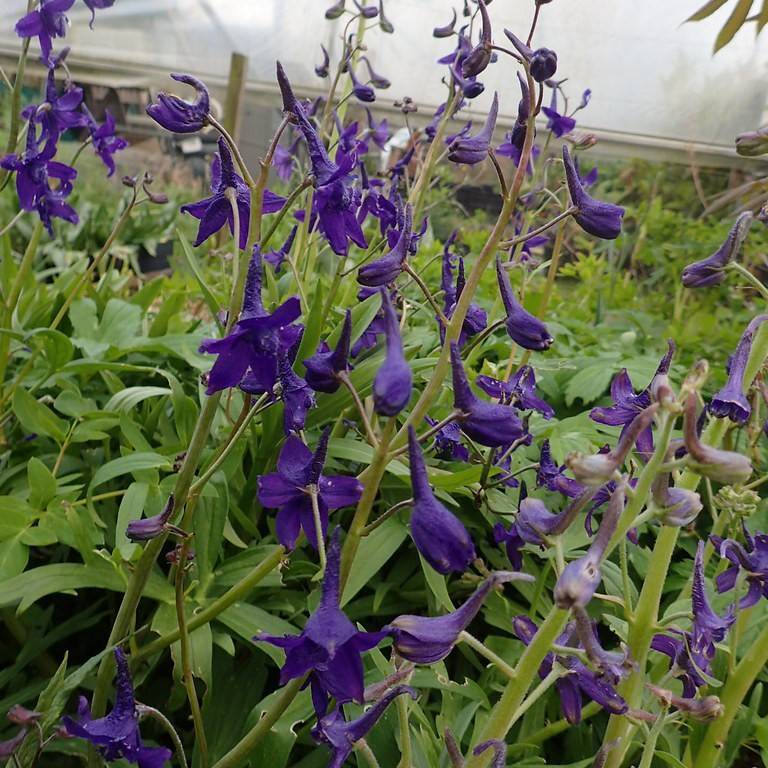
dwarf larkspur
Delphinium tricorne
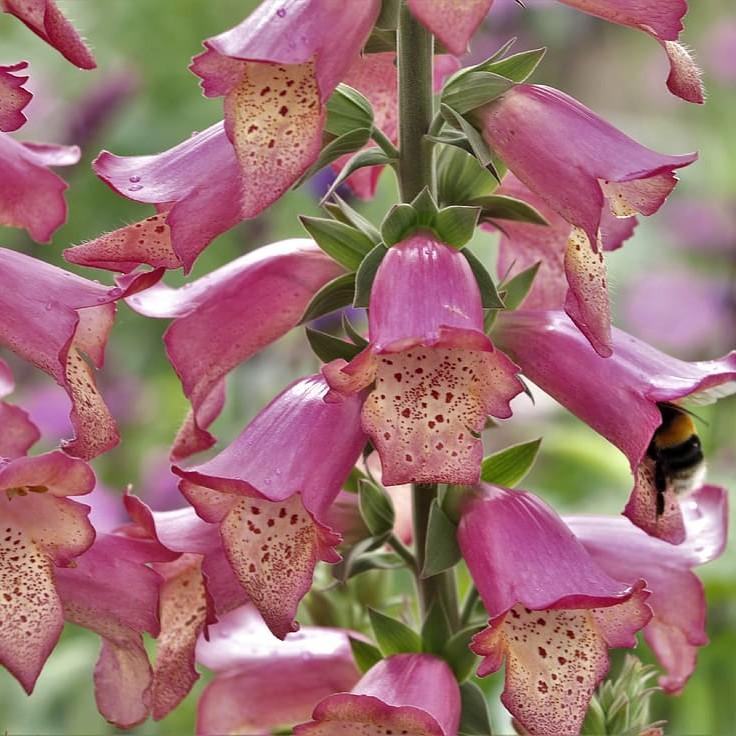
foxglove
Digitalis 'Takforoiv' FOXLIGHT ROSE IVORY
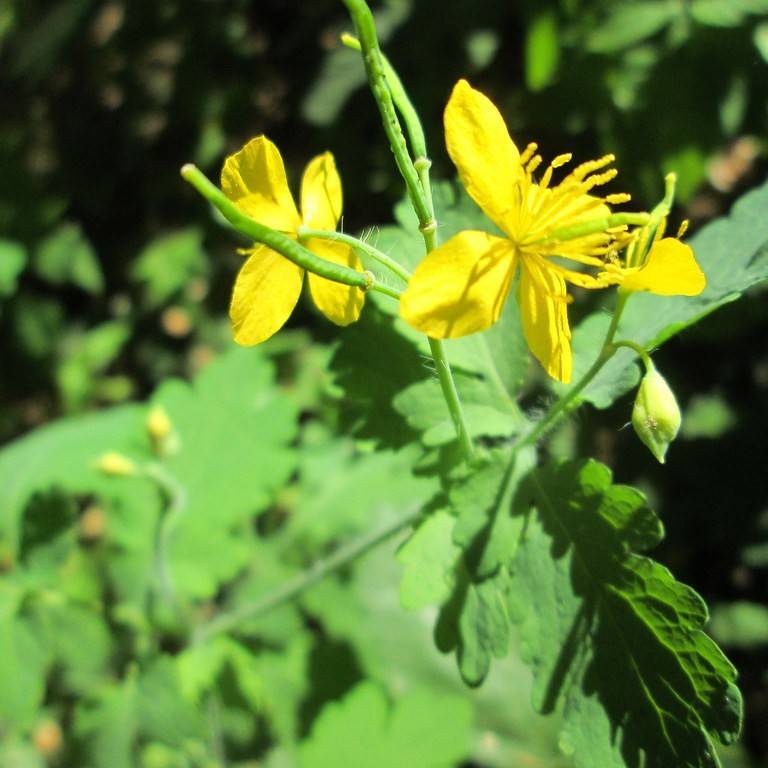
greater celandine
Chelidonium majus
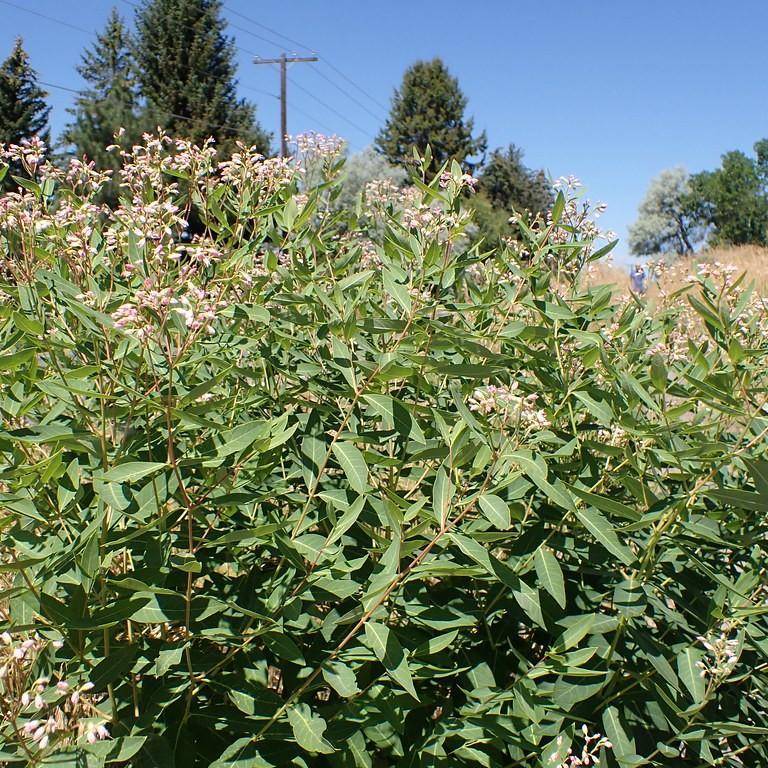
Indian hemp
Apocynum cannabinum

monkshood
Aconitum napellus
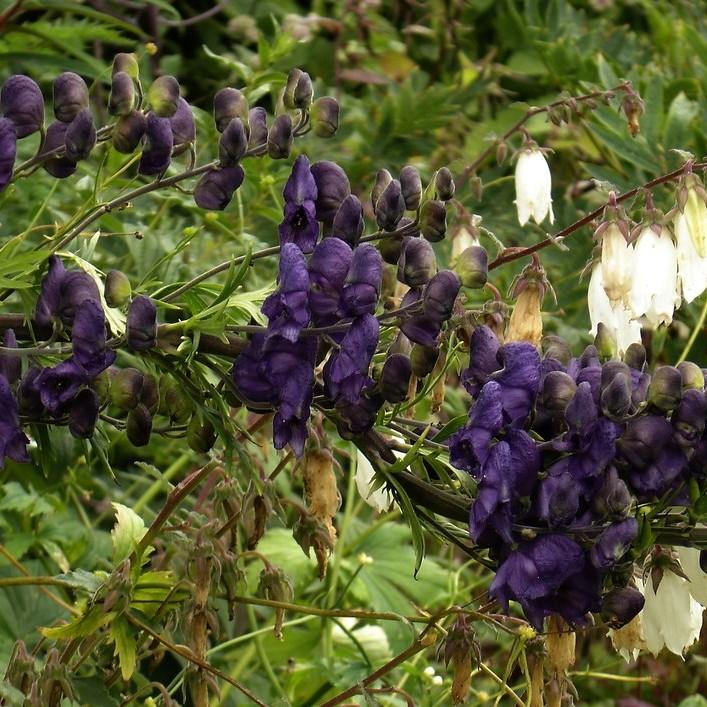
monkshood
Aconitum 'Spark's Variety'