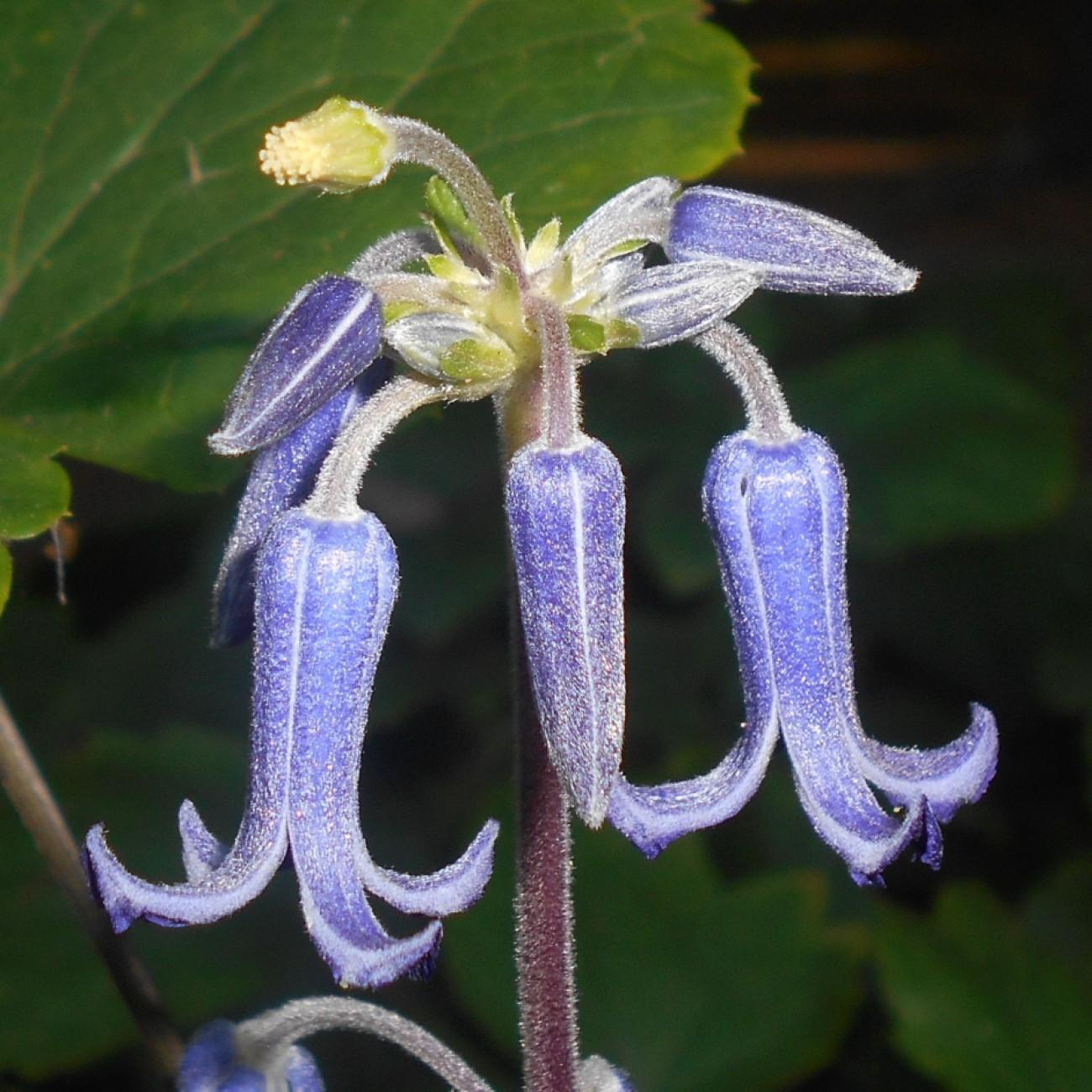
clematis
Clematis heracleifolia
Overview
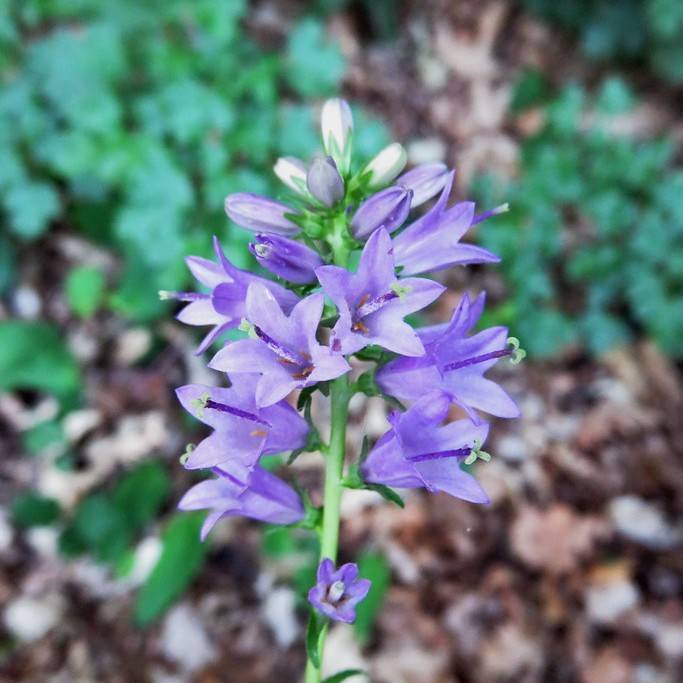
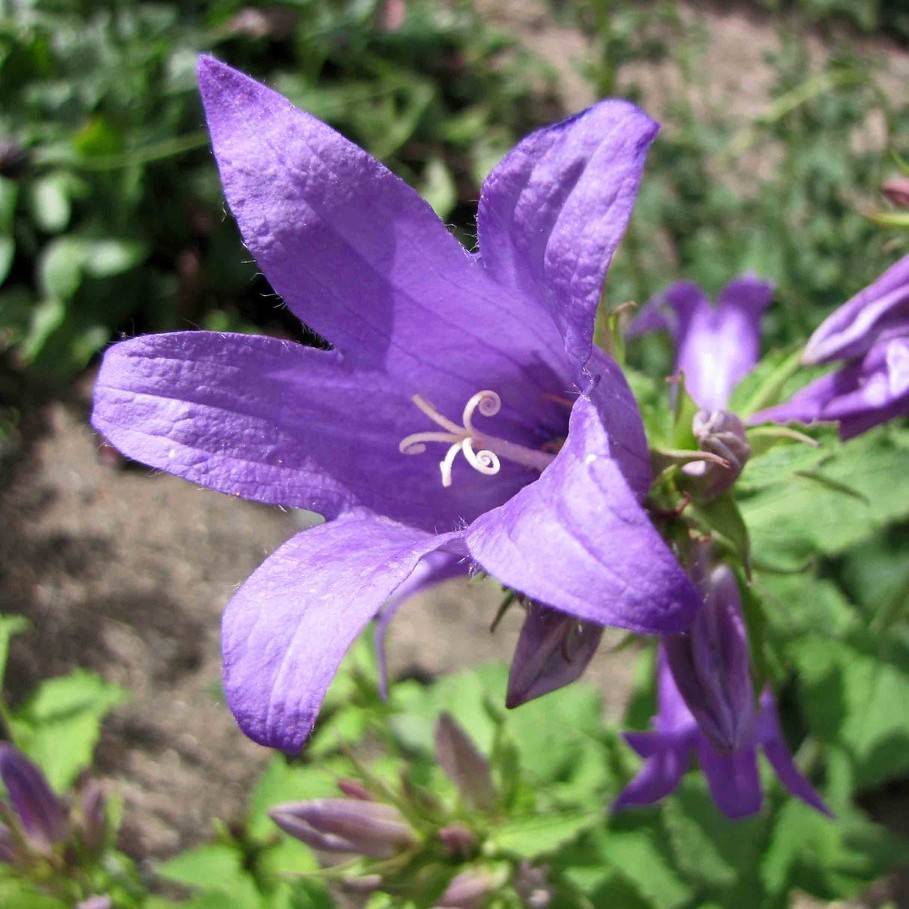
Clematis heracleifolia is an amazing plant species! Native to parts of Mongolia and Northern China, it is an evergreen vine with delicate leaves and twining stems that can reach a length of 10-20 feet. This hardy plant is also easy to cultivate in sunny locations, and its bright, delicate blue-purple blossoms make it a showstopper in any garden. The strong, scented flowers also attract butterflies and hummingbirds. Highly tolerant of both salt and drought, it is an ideal choice for coastal areas or gardens with poor soil. In addition, it can also be used in many containers as a hanging plant, adding beauty and charm to the home. All in all, Clematis heracleifolia is an easy, beautiful, and durable plant, making it a great addition to any garden.
Care Guide
Watering
Water clematis (Clematis heracleifolia) deeply and regularly, to keep its foliage looking its best. Generally, plants should be watered approximately 1 to 2 times per week, though this may vary depending on climate and soil conditions. Water early in the day, to allow the plant to absorb water and finish drying out before nighttime. Avoid overhead watering, which may cause fungal diseases and reduce blooms. When watering at the soil level, use enough water to moisten the soil to a depth of 6-8 inches. During the peak of summer, especially hot and dry weather, you may need to water more frequently.
Light
Clematis heracleifolia, which prefers full sun, should receive around 5-6 hours of direct sunlight each day for optimal growth and blooming. This should occur in the morning or late afternoon, when the light is less direct and the temperatures are cooler. Avoid placing in areas of high-noon sun, as this can dry out the leaves. Additionally, make sure the plant is not in an area with strong winds, as this could damage the leaves and flowers. When planting, be sure to give the roots a generous amount of soil to anchor it firmly in place and to provide moisture and nutrients. Mulching is encouraged to help retain soil moisture during long sunny days.
Temperature
Hardiness zone 3–8.
Pruning
When pruning clematis (Clematis heracleifolia), the amount and frequency of pruning depends on the variety of clematis and the desired flowering effect. Pruning this species should take place between late winter and early spring, before the plant begins to grow anew. In general, 2-3 to 4-5 prunings are recommended throughout the growing season. The first pruning of the season should aim to remove winter-damaged stems and to lightly shape the plant. Remove any stems that cross over other stems to avoid stem breakage due to tangling. Prune back the stems to a pair of buds on each. Throughout the growing season, if the plant has become overgrown, prune back the stems to the desired size and shape. Removal of older stems can help to promote healthy new growth, with more flowers being produced closer to the centre of the plant. The last pruning of the season should take place shortly after the plant has finished blooming. Prune back the stems to desired size, and cut out weak or thin stems, as well as any that have become significantly overgrown, to maintain an attractive shape and balance. It is important to avoid heavy pruning of the Clematis heracleifolia, as this can reduce flowering. As a rule, if you can count more than 10 or 12 buds on a stem, remove only the top half. This will reduce overall growth but may be necessary to maintain the desired look of the plant.
Propagation
Seed Propagation, Cutting, Layering Propagation, Division
Related plants
Other plants you might like if you grow clematis.