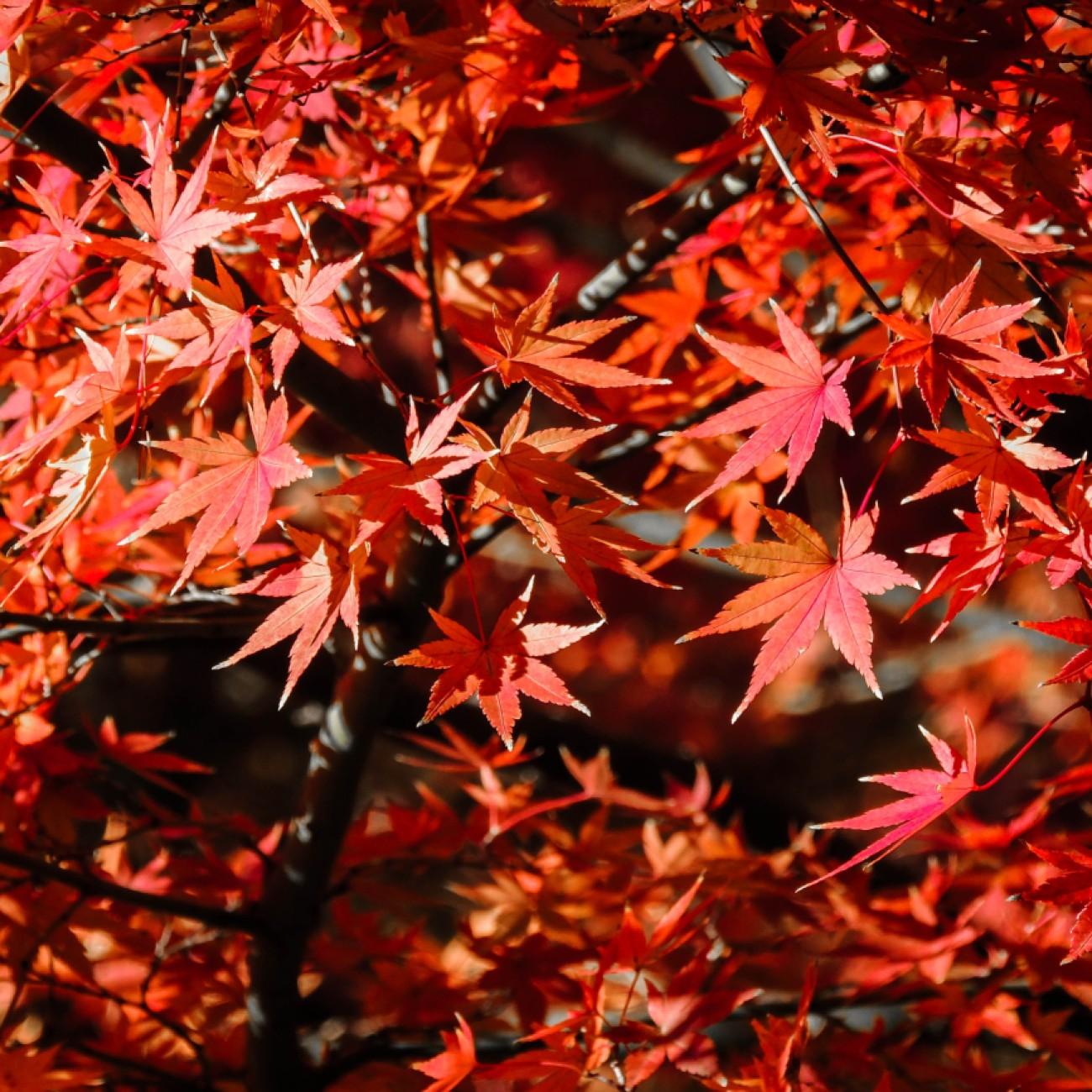
Chitose Yama Japanese Maple
Acer palmatum 'Chitose Yama'
Overview
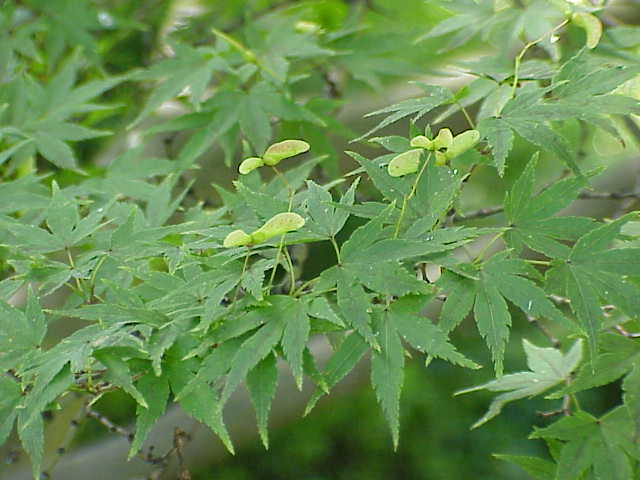
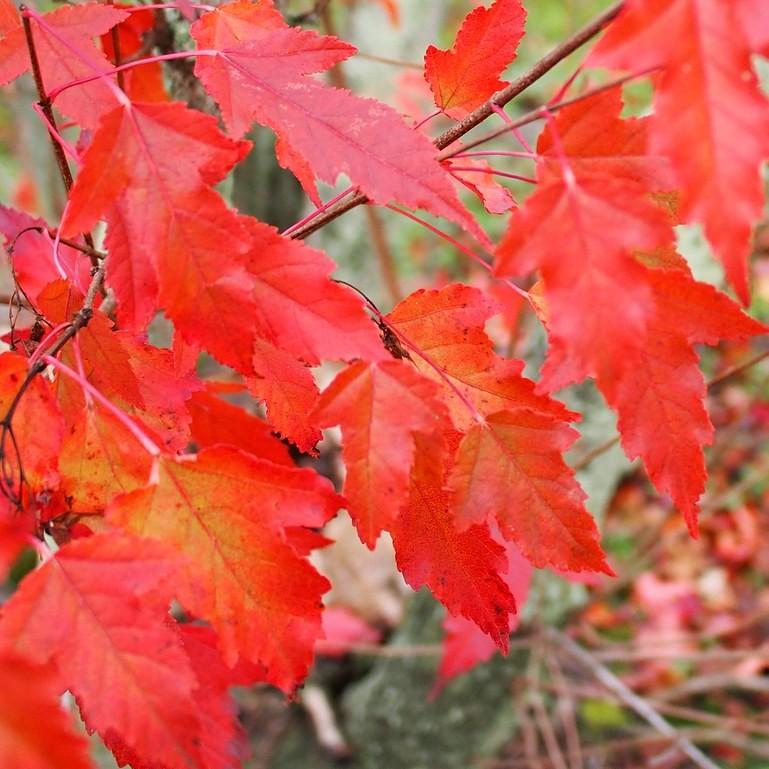
The Chitose Yama Japanese Maple is an amazing tree that can make any garden look spectacular. Its soft green foliage is striated with a yellowish-orange pattern, and in autumn, the leaves turn a stunning pink. It is ideal for smaller gardens, as it only grows up to 10ft tall, but even in its small size holds a bold presence. The lush, bright foliage can be an enticing focal point, adding a little dose of personality to any garden. Additionally, it is a slow grower, eliminating the worry of a rapid takeover. Plant the Chitose Yama Japanese Maple and admire its beauty all year round.
Care Guide
Watering
Chitose Yama Japanese Maple should be watered regularly. Water the plant about 2 or 3 times a week, allowing the soil to dry out slightly between waterings. The plant thrives best in a moist soil that is never dried out or saturated. Avoid overwatering, as it can cause the leaves to droop and rot to occur in the roots. Ensure the soil is well drained to keep excess water from accumulating in the root zone. During hot weather, make sure to water the plant more often. If you’re not sure when to water, a good rule of thumb is to check the soil about 2 inches deep to see if the soil is dry. If it is, it’s time to water.
Light
Chitose Yama Japanese Maple does best when exposed to direct sunlight for at least 3-4 hours per day. It prefers morning sun and afternoon shade, preferably partial shade, which helps to protect its delicate foliage from the afternoon heat and ensure proper growth. During periods of especially hot weather, it may be beneficial to provide additional shade or move the plant to a more shaded area.
Temperature
Hardiness zone 6–6.
Pruning
Chitose Yama Japanese Maple should be pruned between late winter and early spring, just before it breaks dormancy. Pruning should be minimal, with no more than 1-third of the branches cut back each year. Remove any dead, diseased, or damaged branches and thin the canopy to improve air circulation and light penetration. This should allow for more vigorous and dense foliage growth. Prune the shrub into its natural shape, avoiding cuts that leave large pruning wounds or produce excessive dieback.
Propagation
Grafting Propagation, Cutting, Layering Propagation, Air Layering Propagation, Tissue Culture
Guides that mention Chitose Yama Japanese Maple
Emerald Queen Maple: Full Care, Growth, and Identification Guide
Learn how to grow and care for an emerald queen maple, including sun requirements, watering schedules, and common issues for this popular Norway maple cultivar.
Acer Rubrum Red Sunset Maple: Care, Cultivar Comparison, and Planting Guide
Learn how to grow, care for, and choose between Acer Rubrum Red Sunset maple and popular red maple cultivars for your outdoor landscape.
Related plants
Other plants you might like if you grow Chitose Yama Japanese Maple.