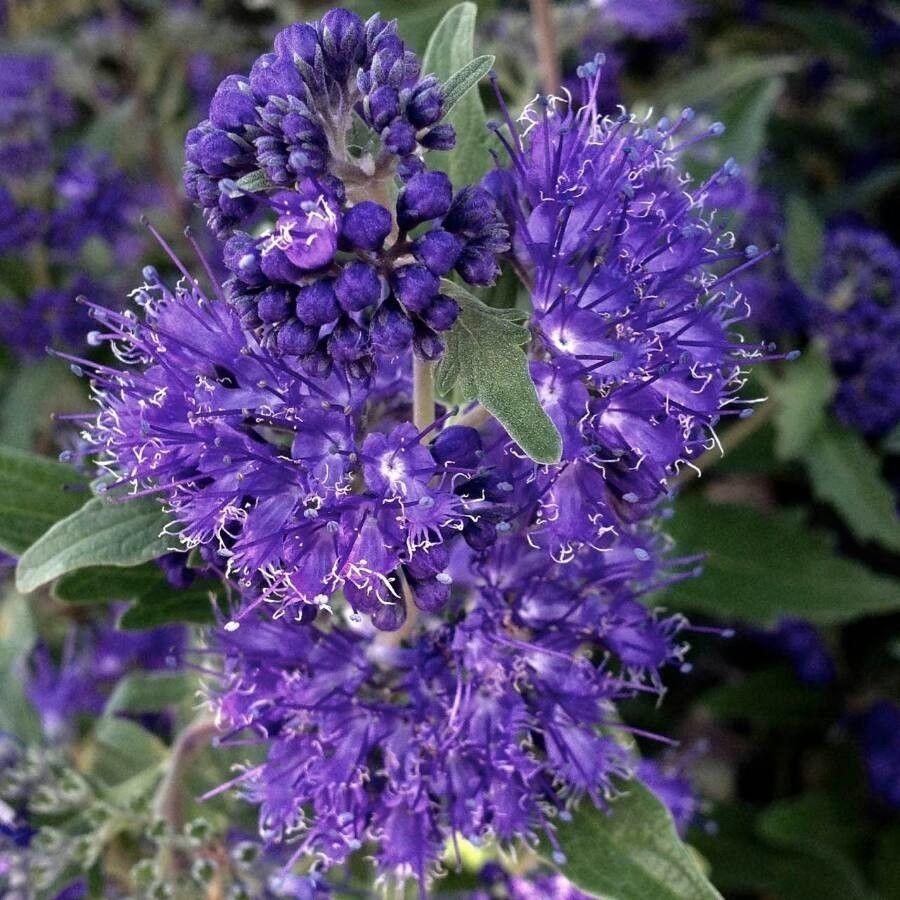
bluebeard
Caryopteris clandonensis 'Lissilv' STERLING SILVER
Overview
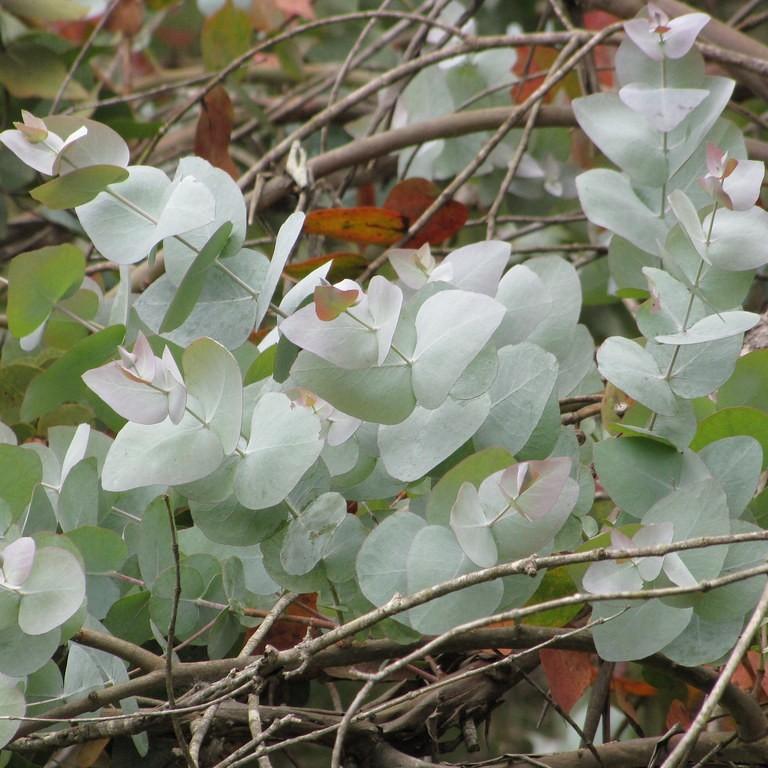
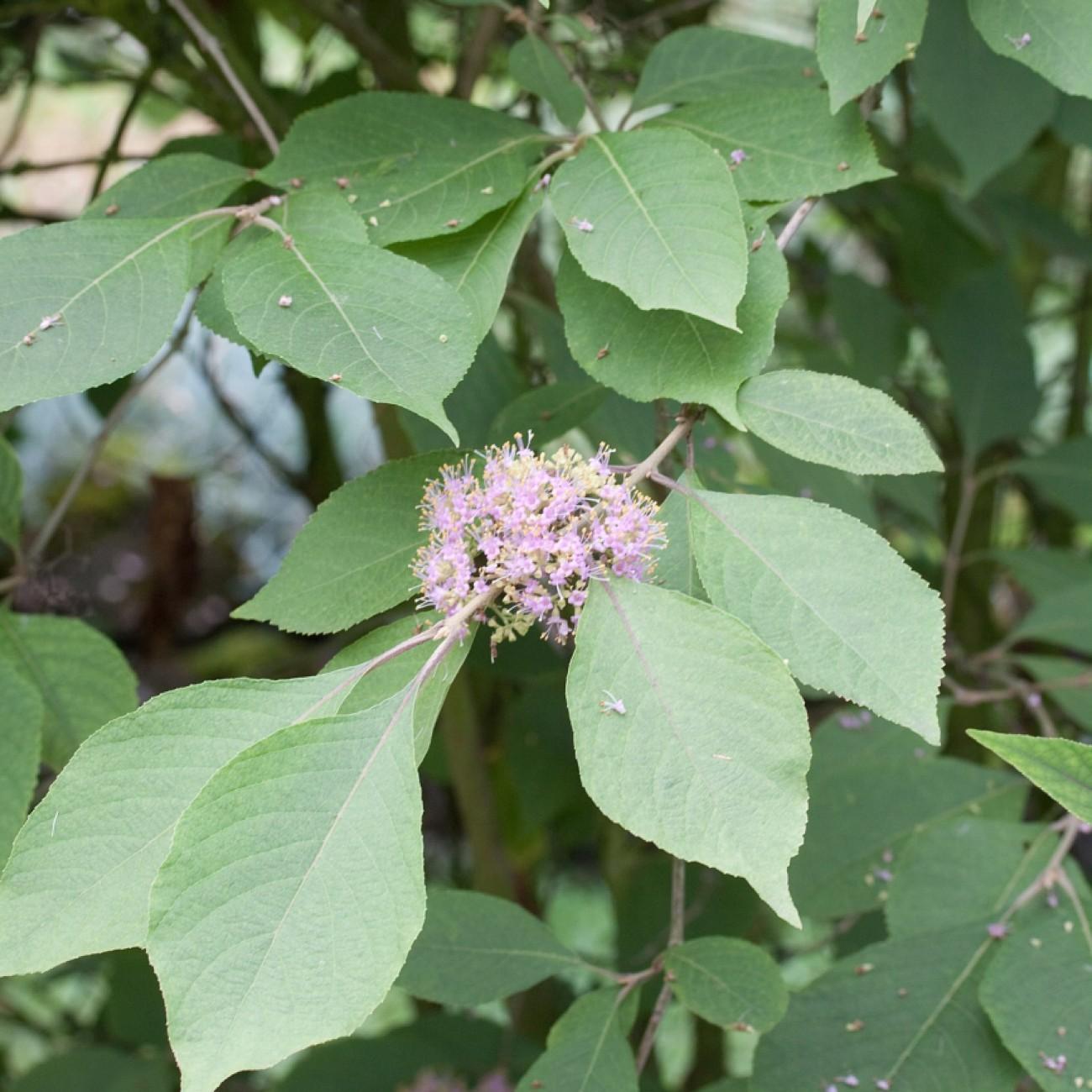
Bluebeard (Caryopteris clandonensis 'Lissilv' STERLING SILVER) is an amazing plant species that is sure to be a standout in the garden. It is an upright shrub with lush, silver foliage which matures to a steel blue color as it matures. In the summer, it has gorgeous blue flowers and strong, woody stems. It requires very little maintenance and is incredibly drought tolerant, making it a great choice for a low-maintenance flowerbed or border. It also attracts beneficial pollinators and wildlife to the garden. Bluebeard is an ideal choice for creating stunning, textural contrast.
Care Guide
Watering
Bluebeards need an average watering of 1-2 inches per week (more in high temperatures). Water it once or twice a week deeply, allowing the soil to dry out between waterings. Be sure to avoid overhead watering as it can cause mildew. Water in the morning, so that any excess moisture has a chance to evaporate before nightfall, and the plant has a chance to soak up the water before the day warms up. In the winter months, water your bluebeard less often since the plant will enter a dormant period.
Light
Bluebeard (Caryopteris clandonensis 'Lissilv' STERLING SILVER) prefers full sun, meaning at least 6-8 hours of direct sunlight each day. When possible, place this shrub in an area that is not shaded by larger plants or trees that could limit the amount of light it receives. It will take less sun if necessary, but should be protected from strong winds, which can cause the stems to become brittle and break. For optimal growth and flowering, provide your bluebeard with the amount of sunlight recommended.
Temperature
Hardiness zone 5–9.
Pruning
Bluebeard (Caryopteris clandonensis 'Lissilv' STERLING SILVER) should be pruned late in the season once the flowering period has ended. Pruning is important to maintain the size and shape of your plants, as well as improving air circulation and light penetration. Prune back shoots that have grown beyond the desired area by cutting back to approximately 2-inches from the last set of leaves. After pruning, trim off any dead, diseased or damaged branches. This will help to keep your plants healthy and looking great.
Propagation
Cutting, Layering Propagation, Division, Seed Propagation
Uses & Symbolism
Attracts: Butterflies.
Guides that mention bluebeard
Related plants
Other plants you might like if you grow bluebeard.