Barbados Nut
Jatropha curcas
Overview
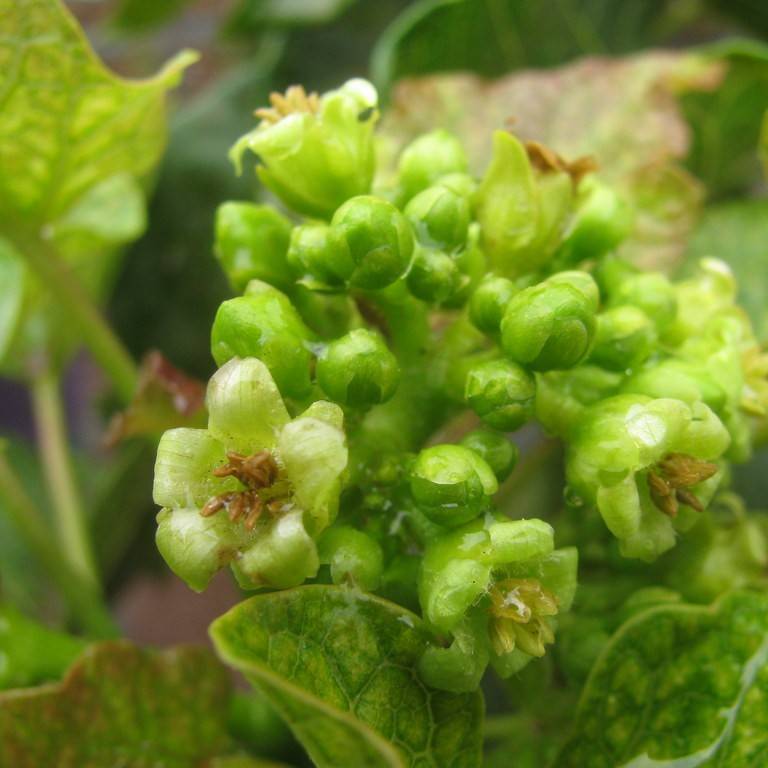
Barbados Nut, often called physic nut, is a hardy, semi-succulent shrub widely naturalized across tropical and subtropical regions of Africa, Asia, and Oceania. It produces clusters of small, unisexual yellow-green flowers that develop into 3-seeded fleshy fruits, with seeds containing up to 40% oil suitable for biofuel use. Its ability to thrive in poor, degraded soils with minimal input makes it a popular crop for arid land restoration and sustainable energy projects, though its toxicity limits use for food or forage.
Care Guide
Watering
Barbados Nut is highly drought-tolerant once established, requiring only occasional deep watering during extended dry periods. Overwatering, especially in poorly drained soil, will lead to root rot, so allow the top several inches of soil to dry out completely between waterings. Young plants need more regular moisture to establish root systems, but should never be left in standing water.
Light
This plant requires full, direct sunlight for at least 6 to 8 hours per day to thrive and produce abundant flowers and seeds. It can tolerate partial shade, but growth will be stunted and oil yields will be significantly reduced in low-light conditions. Indoor specimens need a bright south-facing window or supplemental grow lights to maintain healthy growth.
Soil
Barbados Nut adapts well to a wide range of soil types, including sandy, loamy, and even poor, degraded soils with low nutrient content. It prefers well-drained soil with a neutral to slightly alkaline pH between 6.0 and 8.5, and will not tolerate waterlogged or heavy clay soils that retain excess moisture. Amending heavy soils with sand or organic matter can improve drainage to support healthy root growth.
Fertilizer
Mature Barbados Nut plants require very little fertilizer, as they are adapted to low-nutrient soils, and over-fertilization can reduce drought tolerance and oil production. Young plants benefit from a balanced, slow-release fertilizer applied once at the start of the growing season to support root and foliage development. Avoid high-nitrogen fertilizers, which promote excessive leaf growth at the expense of flower and seed production.
Temperature
Barbados Nut thrives in warm tropical and subtropical temperatures between 68°F and 86°F (20°C and 30°C), and can tolerate short periods of temperatures as high as 104°F (40°C). It is not frost-tolerant, and temperatures below 32°F (0°C) will kill the above-ground growth, though established plants may resprout from the roots after light frost. In cooler climates, it can be grown in containers and moved indoors during cold winter months.
Pruning
Prune Barbados Nut annually during the dormant season to remove dead, damaged, or crossing branches, and to maintain a manageable shape for easier seed harvesting. Cutting back the main stem when the plant is 3 to 4 feet tall encourages bushier, more productive growth rather than tall, sparse branching. Always wear gloves when pruning to avoid contact with the irritant sap.
Propagation
Barbados Nut is most commonly propagated from seeds, which germinate readily within 1 to 2 weeks when sown in warm, well-drained soil, with no pre-treatment required for fresh seeds. It can also be propagated from stem cuttings taken from mature, woody branches, which root quickly in moist sand or potting mix under warm, humid conditions. Cuttings produce plants that retain the exact characteristics of the parent plant, making them ideal for propagating high-yielding varieties.
Humidity
This plant adapts well to a wide range of humidity levels, thriving in the moderate to high humidity of its native tropical range, and tolerating dry air in arid regions. It does not require supplemental humidity when grown indoors, though very dry conditions may increase susceptibility to spider mite infestations. Avoid misting the foliage, as excess moisture on leaves can promote fungal disease development.
Repotting
Container-grown Barbados Nut plants need repotting every 2 to 3 years, or when roots begin to grow out of the drainage holes at the bottom of the pot. Choose a container that is 2 to 3 inches larger in diameter than the current pot, with ample drainage holes to prevent waterlogging. Use a well-drained, sandy potting mix, and avoid overwatering immediately after repotting to allow damaged roots to heal.
Uses & Symbolism
The high oil content of Barbados Nut seeds is processed into biodiesel, a sustainable alternative to fossil fuel that works in standard diesel engines without modification, and the seed cake byproduct can be used as organic fertilizer after detoxification. In traditional medicine, small, carefully prepared doses of the plant have been used to treat conditions like constipation, skin infections, and rheumatism, though its toxicity makes internal use extremely risky. It is also planted for erosion control in degraded or arid landscapes, as a living fence to mark property boundaries, and as a host plant for lac insects used in shellac production.
Diseases & Pests
Barbados Nut is relatively pest-resistant, but may be affected by common pests including aphids, spider mites, and whiteflies, which suck sap from foliage and can stunt growth if infestations are severe. Fungal diseases such as root rot, leaf spot, and powdery mildew can occur in overly moist, poorly drained conditions or when foliage remains wet for extended periods. It may also be susceptible to Jatropha mosaic virus, which is spread by whiteflies and causes yellow mottling of leaves, reduced growth, and lower seed yields.
Related plants
Other plants you might like if you grow Barbados Nut.