Bacopa
Bacopa monnieri
Overview
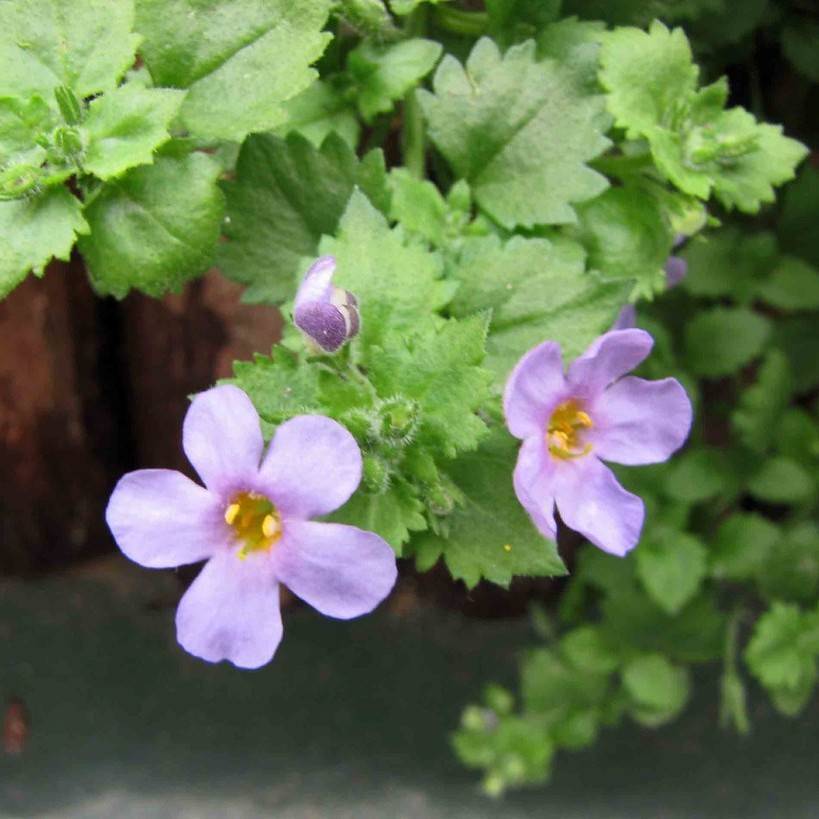
Bacopa, also called water hyssop or brahmi, is a versatile, mat-forming plant that thrives in wet, boggy conditions and can grow fully submerged in aquariums or as a trailing groundcover in moist garden beds. It produces tiny, rounded, succulent-like green leaves and delicate five-petaled white, blue, or pale purple flowers that bloom consistently through warm months. In traditional Ayurvedic medicine, bacopa extracts are widely studied for their purported cognitive-support properties, while its trailing habit makes it popular for hanging baskets and pond edges.
Care Guide
Watering
Bacopa requires consistently moist to wet soil at all times, and can tolerate temporary full submersion in up to 12 inches of water for aquatic applications. Never allow the soil to dry out completely; for container-grown plants, water deeply 2-3 times per week in warm weather, and reduce frequency in cooler months to avoid root rot in poorly draining mixes. For aquarium cultivation, ensure plants are anchored in substrate with their root system fully submerged, while trailing landscape specimens can handle occasional flooding.
Light
Bacopa grows best in full sun to partial shade, with at least 4-6 hours of direct sunlight daily to encourage dense foliage and abundant flowering. In extremely hot, arid climates, provide afternoon shade to prevent leaf scorch and reduce moisture loss from the soil. Indoor or aquarium-grown bacopa requires bright, indirect light or full-spectrum grow lights for 10-12 hours per day to prevent leggy, sparse growth.
Soil
Bacopa prefers nutrient-rich, loamy to sandy soil with a pH between 6.0 and 7.5, and thrives in poorly draining, water-retentive substrates. For container planting, use a heavy, moisture-retentive potting mix amended with compost or peat moss to hold water, and avoid fast-draining cactus or succulent mixes that dry out too quickly. For aquatic cultivation, plant bacopa in heavy clay loam or aquarium substrate, topped with small gravel to prevent soil from dispersing into water.
Fertilizer
Bacopa is a light feeder that benefits from a balanced, slow-release 10-10-10 fertilizer applied once in early spring to support seasonal growth. For container-grown or aquatic specimens, use a diluted liquid aquatic or houseplant fertilizer every 4-6 weeks during the growing season, avoiding over-fertilization that can cause excess algae growth in water features or leaf burn on foliage. No fertilizer is needed during fall and winter when growth slows significantly.
Temperature
Bacopa thrives in warm temperatures between 60-85°F (15-29°C), and is hardy in USDA zones 8-11 where winter temperatures rarely drop below 20°F (-7°C). In cooler climates, it can be grown as an annual outdoor, or overwintered indoors in a bright, cool location away from freezing drafts. Extended exposure to temperatures below 50°F (10°C) will slow growth and may cause foliage to yellow and drop.
Pruning
Prune bacopa regularly throughout the growing season to control trailing spread, encourage bushier, denser growth, and remove any yellowed or damaged stems. Pinch back the tips of long trailing stems by 1-2 inches every 4-6 weeks to promote branching and prevent the plant from becoming leggy. After flowering, trim off spent bloom stems to encourage repeated flowering and tidy the plant’s appearance.
Propagation
Bacopa is most easily propagated from stem cuttings taken in spring or summer: snip 3-4 inch healthy stem tips, remove the lower 1 inch of leaves, and plant directly in moist soil or submerge in water until roots form in 7-14 days. It can also be grown from seed, sown on the surface of moist, warm soil in early spring, as seeds require light to germinate. Established clumps can be divided in early spring by separating rooted stem sections and replanting them in suitable growing locations.
Humidity
Bacopa prefers high humidity levels between 50-80%, which supports its natural semi-aquatic growth habit, though it can tolerate average household humidity levels if kept consistently moist. In dry indoor environments, mist the foliage regularly or place the potted plant on a tray filled with pebbles and water to raise surrounding humidity. Aquarium-grown bacopa requires no additional humidity adjustment, as submerged growth meets its moisture needs.
Repotting
Container-grown bacopa should be repotted every 1-2 years in early spring, before active new growth begins, to refresh the soil and provide room for expanding root systems. Choose a pot only 1-2 inches larger than the current root ball, with drainage holes, and use a moisture-retentive potting mix to support consistent soil moisture. Aquarium-grown bacopa only needs to be repositioned or replanted if it outgrows its space or becomes uprooted from the substrate.
Uses & Symbolism
Bacopa is widely grown as an ornamental trailing plant for hanging baskets, pond edges, bog gardens, and freshwater aquariums, where its dense foliage provides cover for small fish and aquatic invertebrates. It is a well-documented medicinal plant used in traditional Ayurvedic medicine as a cognitive tonic, with modern research exploring its potential to support memory and reduce anxiety. In some regions, the tender leaves are eaten raw in salads or cooked as a leafy green, though they have a slightly bitter taste.
Diseases & Pests
Bacopa is relatively pest and disease resistant, but can be affected by aphids, spider mites, and whiteflies, especially when grown in dry indoor conditions or stressed by insufficient moisture. Overwatering in poorly draining, non-aquatic soil can lead to root rot, while overly shaded conditions can encourage powdery mildew and leggy, weak growth. In aquatic settings, excessive algae growth on leaves can occur if water is over-fertilized or receives too much direct sunlight, which can block light and slow the plant’s growth.
Related plants
Other plants you might like if you grow Bacopa.