What Is a Plant Snap? How to Identify Plants With a Quick Photo
Learn what a plant snap is, how to take clear photos for accurate plant ID, and common species you can identify with this simple, beginner-friendly method.
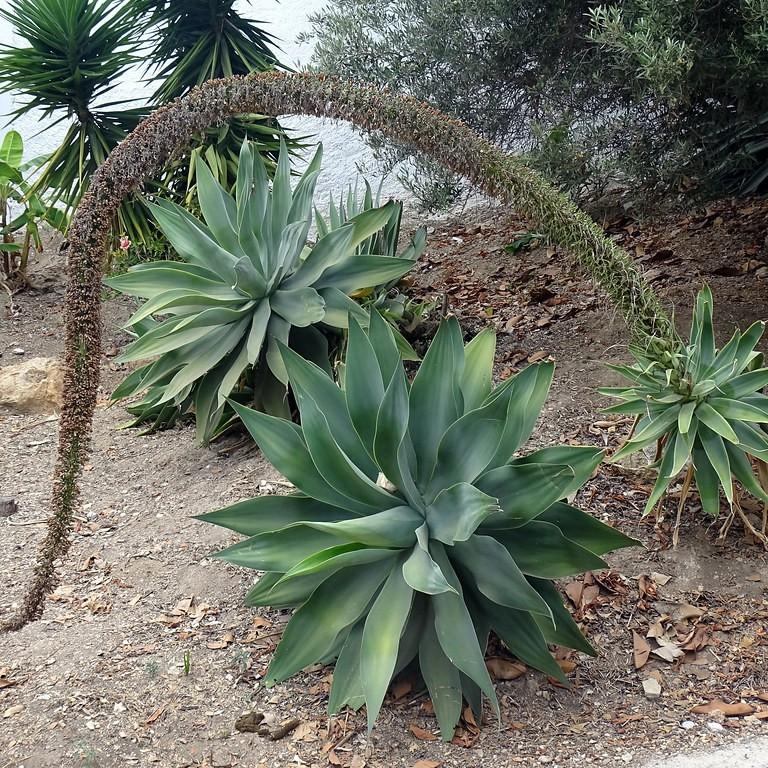
If you have ever pointed your phone at an interesting leaf or unlabeled potted plant to figure out what it is, you have already used the core concept behind a plant snap. This simple, accessible identification method has made plant care and discovery far easier for casual growers and curious gardeners alike, no botany degree required. Want to boost your accuracy? Our guide to identifying plant species accurately covers the key cues to check.
What Is a Plant Snap, Exactly?
A plant snap is a clear, focused photo of a plant taken specifically for the purpose of identifying its species via a digital identification tool. Unlike a casual social media photo of your houseplant collection, this type of shot is framed to highlight the unique features that set one species apart from similar lookalikes.
The concept has grown in popularity as smartphone camera quality has improved and plant identification tools have become more widely available. For new plant owners, this method eliminates the guesswork of identifying unlabeled cuttings, yard volunteers, or mystery plants you encounter during daily walks. It also serves as a first step to building a custom care routine for any plant you bring home or find growing near you.
4 Tips for Taking Identifiable Photos That Get Accurate Results
The quality of your photo directly impacts how reliable your identification results will be. Follow these simple rules to get the most accurate ID possible on your first try.
Capture key identifying features first
Every plant has unique traits that distinguish it from similar species, and those are the details you want to front and center in your photo. For most common plants, these features include leaf shape and arrangement, flower or fruit (if present), bark texture (for trees), and any distinct markings like variegation, thorns, or fuzzy leaf surfaces.
Avoid taking photos that only show the top of a plant’s canopy or a tiny sliver of a single leaf. If the plant has both new and mature growth, try to include both in your frame to give the identification tool more context.
Avoid blurry, shadowed, or overexposed shots
Poor lighting and out-of-focus photos are the most common causes of incorrect or inconclusive identification results. For best results, take your photo in soft, natural light, such as near a window for houseplants or under partial shade for outdoor plants, to avoid harsh glares that wash out leaf details or deep shadows that obscure texture.
Steady your hand when taking the photo, or prop your elbow on a stable surface to reduce blur. If your phone has a macro camera setting, use it for close-ups of small leaves or fine details like bark ridges.
Include context clues for outdoor plants
For plants growing outdoors, a little extra context can help narrow down the species, especially for trees and shrubs that have similar leaf shapes to other varieties. If you are taking a photo of a yard tree, include a small portion of the surrounding environment, such as the type of soil it is growing in, nearby companion plants, or a view of the tree’s overall size and shape in the background.
You do not need to fit the entire tree in the frame, but a shot that shows both a close-up of the leaves and a small section of the tree’s branching pattern can help confirm an ID for species that have multiple similar cultivars.
Shoot multiple angles for tricky species
Some plants have lookalikes that are nearly identical from a single angle. If you are trying to identify a plant with very common leaf shapes, such as heart-shaped leaves or needle-like evergreen foliage, take 2 to 3 photos of different parts of the plant to give the identification tool more data to work with.
For example, for a succulent, take one photo of the full rosette shape, one close-up of the leaf edges, and one shot of any new growth at the center. For a flowering shrub, capture the blooms, the leaves, and the woody stems.
Common Houseplants You Can Identify With a Quick Photo
Many popular houseplants have dozens of similar cultivars, so a quick photo is one of the easiest ways to confirm exactly which variety you have, so you can adjust your care routine accordingly.
Low-maintenance pet-safe agave varieties
Agave plants are popular for their drought tolerance and striking structural shape, but many new owners do not realize that some common varieties are non-toxic to cats and dogs. A clear photo can help you confirm if your agave is a pet-safe variety, such as the American century plant, which has broad, gray-green leaves and grows well both in indoor pots and outdoor warm-weather gardens.
Identifying your agave variety via a photo also lets you know its mature size, which is helpful for planning where to place it long-term. Some agave varieties stay under 2 feet wide for their entire lifespan, while others can grow to 6 feet or more when planted outdoors.
Hardy cast-iron plants for low-light spaces
If you have a trailing, dark green plant that thrives in the dim corner of your living room, it may be a cast-iron plant, one of the most low-maintenance houseplants available. However, cast-iron plants are often confused with other low-light tolerant plants like snake plants or ZZ plants, especially when young. A clear photo of the plant’s leaves, which have a distinct ribbed texture and grow in upright clusters, can confirm the ID quickly.
Knowing you have a cast-iron plant also takes the guesswork out of care: these plants tolerate infrequent watering, low humidity, and very little direct light, making them ideal for new plant owners who do not have a lot of sunny window space.
Outdoor Trees You Can Name With a Plant Snap
For home gardeners trying to identify existing trees in their yard or pick new cultivars to plant, a quick photo can save hours of flipping through gardening reference books.
Vibrant Japanese maple cultivars
Japanese maples are prized for their colorful foliage and compact size, but there are hundreds of cultivars with different growth habits, leaf shapes, and fall colors. A clear photo of the tree’s leaves and overall shape can help you identify exactly which variety you have, such as the Autumn Fire Japanese Maple, which is known for its bright red and orange fall foliage and slow growth habit that works well in small yards.
Identifying your Japanese maple cultivar also helps you plan care: some varieties prefer full sun, while others need partial shade to prevent leaf burn in hot climates.
Unique evergreen firs for sunny yards
Evergreen firs are a popular choice for year-round privacy screening, but many varieties have specific sunlight and soil needs that vary by species. A photo of the fir’s needles, which have distinct shapes and arrangements depending on the variety, can help you confirm if you have a variety like the Blue Spanish fir, a compact, drought-tolerant fir with striking blue-gray needles that thrives in full-sun yards.
Knowing your fir’s specific species also helps you plan for its mature size, so you can avoid planting it too close to your home or power lines.
What to Do After You Take Your Identification Photos
Once you have your clear, well-framed photos, upload them to your preferred plant identification tool to get your results. Most tools will return a list of possible matches, ordered by how closely they align with the features in your photo.
Take a minute to compare the reference photos from the tool to your plant to confirm the match is correct. Look for small details like variegation patterns, leaf edge texture, or flower color to make sure you have the right species. If the top match does not look right, you can upload additional photos of other parts of the plant to narrow down the results.
How Sproutly Turns Your Photo Into Custom Care Advice
When you use Sproutly to identify a plant, you get more than just a species name. The tool uses the details from your photo to match your plant to its extensive plant care database, and returns personalized care instructions tailored to your specific variety, including how much light and water it needs, ideal humidity levels, and whether it is safe for pets and small children.
Sproutly also lets you save your identified plants to a custom collection, so you can set up watering and fertilizing reminders that align with your plant’s exact needs. For new plant owners, this eliminates the guesswork of figuring out how to keep your plant thriving long after you have identified it.
Mistakes to Avoid When Using Photo Identification for Plants
Even with a clear photo, there are a few common mistakes that can lead to incorrect or inconclusive results. First, avoid taking photos of plants that are damaged, diseased, or heavily pruned, as these conditions can alter the plant’s typical features and make it harder to identify.
Second, do not rely on a single photo of a small or immature plant. Seedlings and young cuttings often do not have the full set of identifying features that mature plants have, so you may need to wait a few months until the plant has grown more to get a reliable ID.
Finally, always cross-reference your identification results with care guidelines for the species to make sure they align with the conditions your plant is already growing in. If the results say your plant needs full sun, but it has been thriving in a low-light corner of your home, you may want to upload additional photos to confirm the match.
FAQ
Can I take a plant snap of a partial plant to get an ID?
Yes, as long as the photo shows clear identifying features like leaf shape, bark texture, or flowers. For the most accurate results, try to capture as many distinct parts of the plant as possible.
Do photo IDs work for both indoor and outdoor plants?
Absolutely. You can use clear, well-framed photos to identify houseplants, yard trees, and wild outdoor species, as long as the image shows key details of the plant.
How long does it take to get results from an identification photo?
Most plant identification tools, including Sproutly, process photos in just a few seconds, though results may take slightly longer if the image is low quality or the plant is very rare.
Can an identification photo tell me if a plant is safe for my pets?
When you use a tool like Sproutly, your identification results will often include key care and safety details, including whether the identified species is pet-safe, to help you keep your animals protected.
Try Sproutly
Ready to turn your plant snap into actionable care advice? Try Sproutly today to identify any plant in seconds, build a custom care schedule for your entire collection, and get answers to all your plant care questions in one place.
Ähnliche Artikel
Weitere Guides, die dir gefallen könnten
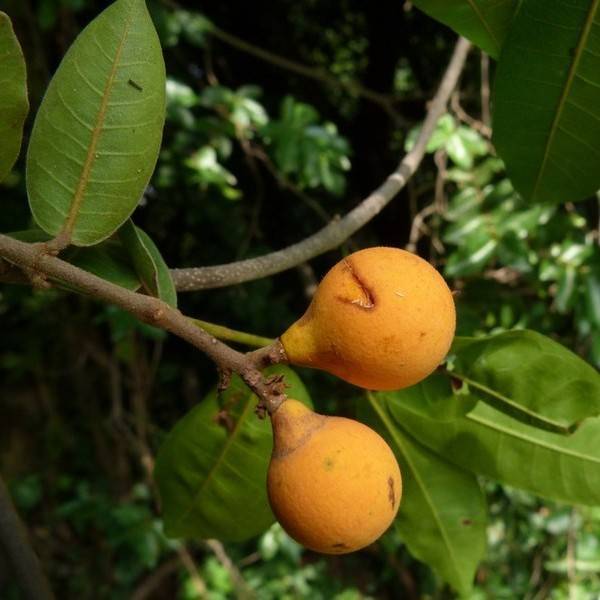
Jackfruit Tree: Growing, Care, Harvesting, and Key Facts for Home Growers
Learn how to grow, care for, and harvest a jackfruit tree, plus key facts about its fruit, health benefits, and ideal growing conditions.
2026-07-01 · 19 min read
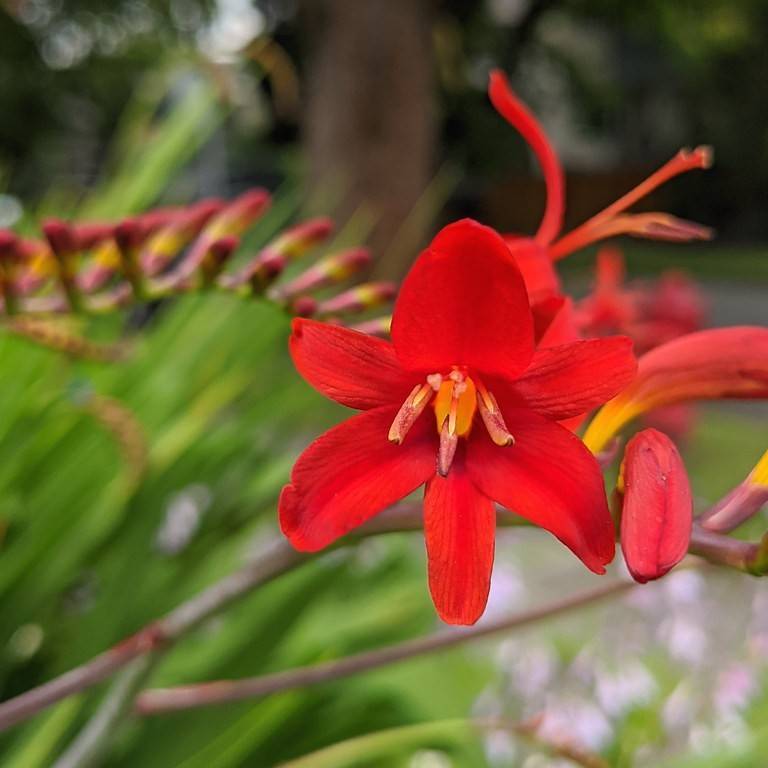
Montbretia Lucifer: Complete Care, Growing, and Design Guide
Learn how to grow and care for montbretia Lucifer, a vibrant red-flowering crocosmia cultivar ideal for sunny, humid garden beds and pollinator-friendly landscapes.
2026-07-01 · 11 min read
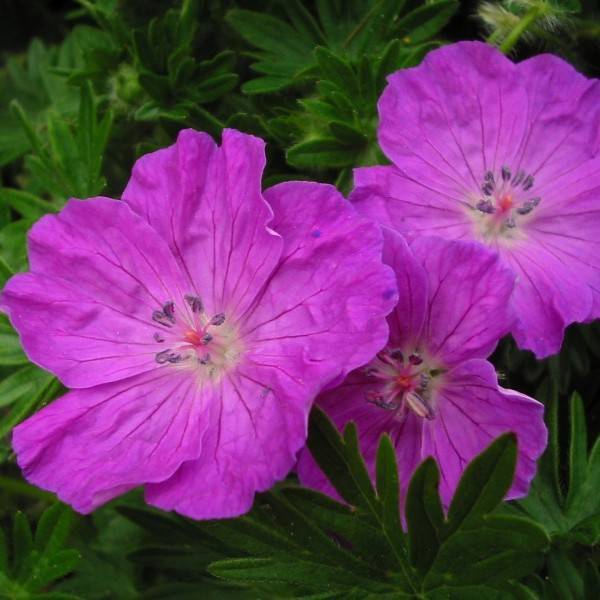
Geranium Sanguineum: Complete Care, Identification, and Growing Guide
Learn how to grow and care for Geranium sanguineum, a hardy, low-maintenance perennial ground cover with vibrant magenta blooms and autumn foliage.
2026-06-30 · 11 min read