Chinese Evergreen: Care Guide, Varieties, and Growing Tips for Aglaonema
Learn how to care for Chinese evergreen (Aglaonema) houseplants, plus top varieties, troubleshooting tips, and pet safety details for this low-fuss indoor plant.
Chinese Evergreen: Care Guide, Varieties, and Growing Tips for Aglaonema
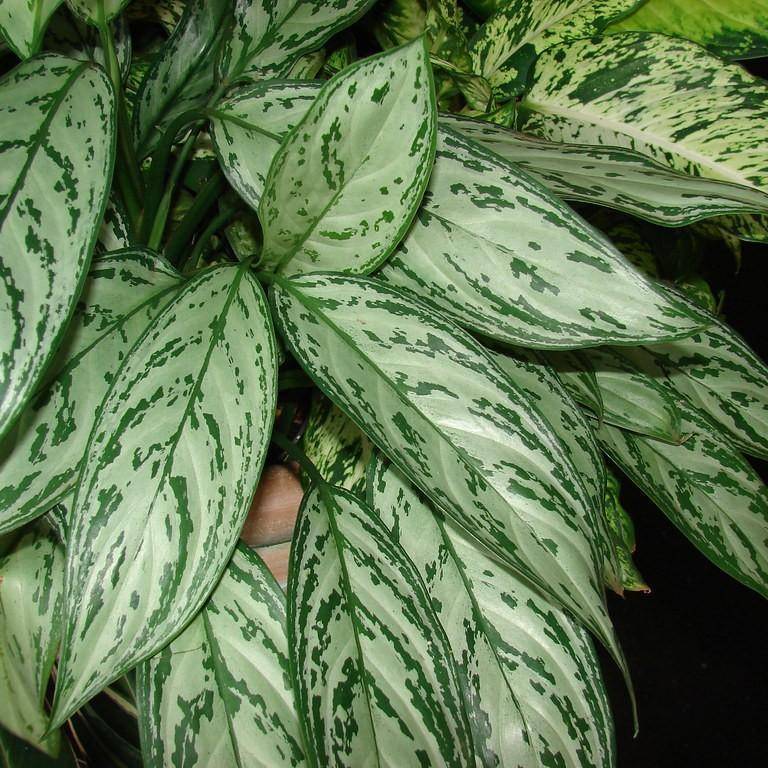
Chinese evergreen (Aglaonema) is a low-fuss tropical houseplant native to Asia and New Guinea, tolerant of low light, infrequent watering, and average indoor humidity. All common houseplant varieties are pet-safe, with patterned foliage in shades of green, silver, pink, and red. Note the common name also refers to unrelated outdoor evergreen trees that require very different care.
What Is a Chinese Evergreen?
Chinese evergreen most commonly refers to Aglaonema, a genus of tropical houseplants native to Asia and New Guinea, though the common name is also used for several unrelated outdoor evergreen tree species native to China. Most houseplant varieties grow 1–3 feet tall indoors, with patterned lance-shaped or oval leaves in shades of green, silver, pink, or red. Note that outdoor species called Chinese evergreen (including Chinese plum yew, Chinese red pine, and Chinese arborvitae) are not part of the Aglaonema genus and require very different care.
Outdoor Chinese evergreen species are almost exclusively grown in landscape settings, often in temperate regions where they can tolerate cold temperatures and full sun, unlike their tropical houseplant namesakes. If you purchased your plant from an outdoor nursery or foraged it, confirm its ID before following indoor care guidelines. If you are unsure of your plant’s type, scan its leaves with Sproutly for a verified identification and tailored care instructions.
Key Benefits of Growing a Chinese Evergreen
Chinese evergreen is one of the most low-maintenance houseplants available, thriving in low-light conditions that cause most other foliage plants to decline. All common Aglaonema varieties are non-toxic to dogs and cats, per ASPCA guidelines, making them a safe pick for households with pets. They also filter common indoor air pollutants including formaldehyde and benzene, per NASA’s Clean Air Study.
Unlike many popular variegated houseplants that require bright indirect light to survive, even highly variegated Chinese evergreen varieties can adapt to moderately low light, though their color may fade slightly in dimmer conditions. This makes them ideal for office spaces, north-facing apartments, and corners of homes that receive little natural light. If you are looking for reliable sources to purchase healthy Aglaonema specimens, check our Best Plant Website Picks for Reliable Bonnie Plants and Diverse Garden Varieties for curated recommendations.
Chinese Evergreen Light Requirements
Chinese evergreen tolerates light levels as low as 50 foot-candles, equivalent to the light 7 feet away from a north-facing window, though varieties with pink or red variegation need 100–200 foot-candles to retain their bright color. Avoid direct midday sun, which will scorch leaves and cause brown, crispy patches. If you are unsure if your space has enough light, use Sproutly’s light meter feature to test your chosen spot before placing your plant.
For solid green varieties like Aglaonema 'Maria', you can place the plant as far as 10 feet from an east-facing window without seeing significant growth decline. For pink or red varieties like 'Siam Aurora' or 'Lady Valentine', place them within 3 feet of an east-facing window or 5 feet of a south-facing window with a sheer curtain to filter harsh rays. Avoid west-facing windows entirely, as the intense afternoon sun can damage foliage even through a sheer curtain.
How to Water a Chinese Evergreen
Water Chinese evergreen when the top 2 inches of soil feel completely dry to the touch, which typically works out to every 7–10 days in bright indirect light and every 14–21 days in low light. Overwatering is the most common cause of health issues for this plant, so always empty excess water from the drainage tray 15 minutes after watering to prevent root rot. You can log your watering schedule in Sproutly to get custom reminders tailored to your plant’s specific light and humidity conditions.
To avoid overwatering, insert your index finger into the soil up to the second knuckle before watering; if the soil feels damp at that depth, wait another 2–3 days and check again. If you use tap water, let it sit out for 24 hours before watering to allow chlorine and fluoride to evaporate, as these chemicals can cause brown leaf tips over time. Avoid watering the center of the plant’s rosette directly, as this can lead to stem rot in high-humidity environments.
Temperature, Humidity, and Soil Needs for Chinese Evergreen
Chinese evergreen grows best in temperatures between 65–80°F, and will suffer permanent leaf damage if exposed to temperatures below 55°F for more than 2 hours. It prefers 40–60% relative humidity, which is average for most indoor homes, though it will develop faster growth and fewer brown leaf tips if humidity stays above 50%. Use a well-draining potting mix made of 2 parts peat moss, 1 part perlite, and 1 part orchid bark to prevent soil compaction and overwatering.
Avoid placing your plant near drafty windows, AC vents, or space heaters, as sudden temperature fluctuations can cause leaf drop. If your home’s humidity drops below 40% in winter, place the plant’s pot on a pebble tray filled with water to increase ambient humidity around the foliage, or run a small humidifier nearby. You do not need to fertilize your Chinese evergreen more than once every 2–3 months during spring and summer, using a balanced liquid houseplant fertilizer diluted to half strength. Skip fertilization entirely in fall and winter when growth slows.
10 Popular Chinese Evergreen (Aglaonema) Varieties
There are dozens of Aglaonema cultivars available, ranging from solid deep green varieties to brightly variegated pink and red options. All varieties follow the same general care guidelines, though variegated types need slightly more light to retain their leaf patterns. If you cannot identify your specific Chinese evergreen variety, scan its leaves with Sproutly to get a precise ID and custom care tips.
Aglaonema 'Cutlass'
Narrow, deep green leaves with silver central stripes, growing up to 2 feet tall. Aglaonema 'Cutlass' Chinese evergreen is one of the most tolerant of low-light conditions, making it ideal for dim office spaces or north-facing rooms. Its narrow foliage creates a sleek, modern look that fits well with minimalist decor.
Aglaonema 'Silver Queen'
Silvery-gray leaves with thin dark green edges, one of the most low-light tolerant varieties. Aglaonema 'Silver Queen' Chinese evergreen is a classic cultivar that has been popular among houseplant enthusiasts for decades. It grows at a moderate pace, putting out 2–3 new leaves per year in ideal conditions.
Aglaonema 'Silver Bay'
Broad silvery leaves with dark green margins, growing up to 3 feet tall at maturity. This is one of the larger common Aglaonema varieties, making it a good choice for filling empty floor space in living rooms or entryways. It is more tolerant of missed waterings than many other variegated cultivars.
Aglaonema 'Siam Aurora'
Bright red leaf edges and veins with dark green base foliage, requiring bright indirect light to retain its red color. If placed in low light, the red variegation will fade to pale green over time. This variety is slightly more sensitive to cold temperatures than solid green cultivars, so avoid placing it near drafty windows in winter.
Aglaonema 'Maria'
Deep green leaves with subtle silver speckles, one of the most cold-tolerant Aglaonema varieties. It can tolerate brief exposure to temperatures as low as 50°F without permanent damage, making it a good choice for homes that run cool in winter. It is also one of the slowest-growing varieties, rarely needing repotting more than once every 3–4 years.
Aglaonema 'Lady Valentine'
Soft pink leaves with faint green speckles, needing 150–200 foot-candles of light to keep its pink hue. If light levels are too low, new leaves will grow in solid green. This variety prefers slightly higher humidity than other cultivars, around 50–60%, to prevent brown edges on its delicate pink foliage.
Aglaonema 'First Diamond'
White and green marbled leaves with a compact growth habit, ideal for small desks and shelves. It rarely grows taller than 1 foot at maturity, making it a perfect desk plant for office spaces with fluorescent lighting. It tolerates artificial light well, as long as the light is on for at least 8 hours per day.
Aglaonema pictum 'Tricolor'
Rare variety with dark green leaves speckled with white and light green camouflage-style patterns. This variety is slightly more high-maintenance than common Aglaonema cultivars, requiring consistent humidity above 50% and bright indirect light to thrive. It is also slower growing, often taking 2–3 years to reach full maturity.
Aglaonema 'Pink Dalmatian'
Green leaves dotted with bright pink spots, tolerant of average indoor humidity. The pink spots will become more pronounced with bright indirect light, and fade to pale green in low light. This variety is particularly resistant to common houseplant pests, including mealybugs and spider mites.
Aglaonema 'Creta'
Bold red leaf borders with green and silver central foliage, growing up to 2.5 feet tall. It is a relatively fast-growing Aglaonema variety, putting out 4–5 new leaves per year in ideal conditions. It prefers slightly more frequent watering than other cultivars, especially in bright light, though you should still wait for the top 2 inches of soil to dry before watering.
Common Chinese Evergreen Problems and Troubleshooting
Chinese evergreen is relatively pest and disease resistant, but it can develop issues from improper care, most commonly overwatering or insufficient light. Most problems are easy to fix if caught early, with no permanent damage to the plant. If you notice unusual leaf spots or stunted growth, scan your plant with Sproutly to diagnose the issue and get step-by-step fix instructions.
Yellow leaves
Caused by overwatering, low light, or exposure to cold drafts. Cut back on watering, move the plant to a brighter spot, and ensure it is not near an open window or AC vent in winter. If only the lower leaves are turning yellow, this may be normal aging, as older leaves naturally die off as the plant grows. Remove yellowed leaves with clean pruning shears to encourage new growth.
Brown leaf tips
Caused by low humidity, excess fertilizer, or fluoride in tap water. Mist the leaves 2–3 times a week, flush the soil with distilled water every 3 months to remove excess fertilizer buildup, and use filtered water for watering if possible. If the brown tips are only on the edges of older leaves, this is likely due to fluoride buildup, which is not harmful to the plant’s overall health if addressed promptly.
Curling leaves
Caused by underwatering, extreme heat, or pest infestations. Feel the soil to check for dryness, move the plant away from direct heat sources, and inspect the undersides of leaves for mealybugs or spider mites. If the soil is completely dry, water the plant thoroughly, and it should perk up within 24 hours. If curling persists after watering, check for pests, as small infestations can cause leaf curling before they are visible to the naked eye.
Pest infestations
Mealybugs and spider mites are the most common pests for Chinese evergreen. Wipe leaves with a damp cloth dipped in neem oil solution, and isolate the plant from other houseplants until the infestation is gone. Mealybugs appear as small, white, cottony masses on the undersides of leaves and in leaf axils, while spider mites leave fine webbing on the plant and tiny yellow or brown spots on leaves. Repeat neem oil treatments every 7 days for 3 weeks to kill all eggs and newly hatched pests.
How to Prune and Propagate Chinese Evergreen
Prune Chinese evergreen in spring or early summer to remove yellowed or damaged leaves, or to shape the plant to your desired size. Use clean, sharp pruning shears to cut stems at a 45-degree angle just above a leaf node to encourage new growth. Propagate Chinese evergreen easily via stem cuttings or root division during repotting, with no special rooting hormone required for most healthy cuttings.
Only prune up to 1/3 of the plant’s foliage at a time to avoid shocking it. If you are pruning to reduce the plant’s size, cut back the longest stems to the desired height, making sure to leave at least 2–3 leaves on each stem to support new growth. Disinfect your pruning shears before and after use to prevent the spread of disease between plants.
Stem cutting propagation
Cut a 4–6 inch stem with at least 2–3 leaves, place the cut end in a jar of filtered water, and wait 2–3 weeks for roots to grow 1–2 inches long before planting in potting mix. Change the water in the jar every 2–3 days to prevent bacterial growth, which can cause the cutting to rot. Once planted, keep the soil slightly moist for the first 2 weeks to help the roots acclimate to soil, then resume normal watering practices.
Root division propagation
Gently separate the root ball into 2–3 sections during repotting, ensuring each section has at least 3–4 stems and a healthy root system, then plant each section in its own pot with fresh potting mix. This method is best done every 2–3 years when you repot the plant, as Aglaonema tends to become root-bound over time. Water the newly potted divisions lightly after planting, and avoid fertilizing for the first month to prevent root burn.
Is Chinese Evergreen Safe for Pets and Kids?
All Aglaonema varieties (the houseplant type of Chinese evergreen) are non-toxic to dogs, cats, and humans, per the ASPCA, making them a safe choice for households with pets or young children. Note that unrelated outdoor evergreen species sometimes called Chinese evergreen, including Chinese holly and Chinese plum yew, may be toxic if ingested, so confirm your plant’s ID if you foraged or purchased it from an outdoor nursery. If you are unsure what type of plant you have, scan it with Sproutly to get a verified ID and safety information.
Even though Aglaonema is non-toxic, ingesting large amounts of foliage may cause mild stomach upset in pets or children, as the fibrous plant matter can be difficult to digest. Keep small plants out of reach of very young children or pets that are prone to chewing on houseplants to avoid potential discomfort.
Frequently Asked Questions
How big do Chinese evergreen plants get?
Most indoor Chinese evergreen (Aglaonema) varieties grow 1–3 feet tall and 1–2 feet wide at maturity, depending on the cultivar. Dwarf varieties stay under 1 foot tall, while larger cultivars like 'B.J. Freeman' can grow up to 4 feet tall in ideal conditions.
Does Chinese evergreen need direct sunlight?
No, Chinese evergreen does not need direct sunlight, and direct midday sun will scorch its leaves. It thrives in low to bright indirect light, with variegated pink and red varieties needing brighter indirect light to retain their color.
How often should I water my Chinese evergreen?
Water your Chinese evergreen when the top 2 inches of soil are completely dry, which is typically every 7–10 days in bright indirect light and every 14–21 days in low light. Always empty excess water from the drainage tray to prevent root rot.
Is Chinese evergreen pet safe?
Yes, all Aglaonema (houseplant Chinese evergreen) varieties are non-toxic to dogs and cats, per ASPCA guidelines. Unrelated outdoor evergreen species sometimes called Chinese evergreen may be toxic, so confirm your plant’s ID if you are unsure.
Why are my Chinese evergreen leaves turning yellow?
Yellow leaves on Chinese evergreen are most often caused by overwatering, low light, or exposure to cold temperatures below 55°F. Cut back on watering, move the plant to a brighter spot, and ensure it is not near drafty windows or AC vents.
Try Sproutly
If you need help identifying your Chinese evergreen variety, troubleshooting leaf issues, or remembering when to water and fertilize, Sproutly is here to help. Our plant identification tool can scan your plant’s leaves to confirm its exact cultivar, and our custom care reminders will adapt to your home’s specific light, temperature, and humidity conditions to keep your plant thriving. Get started with Sproutly today.
Ähnliche Artikel
Weitere Guides, die dir gefallen könnten
China Aster: Complete Care, Growing Guide, and Varieties
Learn how to grow and care for China aster (Callistephus chinensis), a pet-safe, full-sun flower that delivers long-lasting garden color for months.
2026-07-04 · 17 min read
Caryopteris Clandonensis Heavenly Blue: Care, Size, and Growing Guide
Learn how to grow and care for Caryopteris Clandonensis Heavenly Blue, a pet-safe, flowering bluebeard shrub ideal for full-sun gardens.
2026-07-03 · 8 min read
Cabbage: Types, Growing Guide, Benefits, and How to Use It
Learn all about cabbage, including common cultivars, how to grow it at home, nutritional benefits, and popular uses in cooking and landscaping.
2026-07-02 · 13 min read