Boison Berry vs. Boisen Berry: What You Need to Know About These Common Plant Names
Confused about boison berry and boisen berry? Learn the difference between these common plant name variants, care tips, and which are safe for your home and pets.
Boison Berry vs. Boisen Berry: What You Need to Know About These Common Plant Names
If you’ve come across both boison berry and boisen berry in plant listings, garden forums, or nursery tags, you’ve probably wondered if they refer to two distinct species, or if one is just a misspelling of the other. This guide breaks down the difference between the two terms, covers the most common plants they describe, and shares actionable care and growing tips for whichever variant you bring home.
Boison Berry vs. Boisen Berry: What’s the Spelling Difference?
In almost all cases, these two phrases are simply spelling variants of the same common name, used interchangeably by new and experienced gardeners alike. The difference in spelling rarely correlates to a distinct species, and regional differences in pronunciation or casual naming conventions are almost always the cause of the two variants.
Because these common names are so inconsistent, it can be hard to know exactly which plant someone is referring to when they use either term. If you encounter a plant labeled with either name and want to confirm its identity, you can use the Sproutly app to snap a photo for instant, accurate identification to avoid mix-ups when sourcing or caring for your plant.
Common Plants Referred to by These Names
The terms most often refer to one of two categories of hardy, pet-safe outdoor plants: flowering coneflower perennials, or herbaceous Duranta erecta shrubs.
The first common plant associated with these names is the POWWOW WILD BERRY coneflower (Echinacea purpurea 'Pas702917'), a popular native flower nicknamed for its deep, rich berry-colored purple blooms. You can learn more about its growth habits in our POWWOW WILD BERRY coneflower care guide.
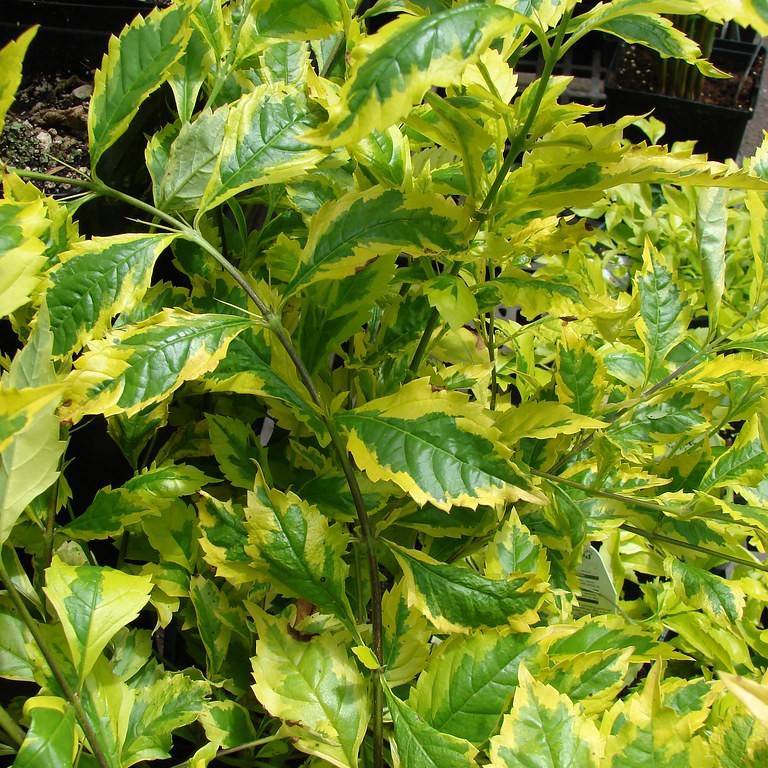
The second group of plants that often go by these names are two cultivars of pigeon berry (Duranta erecta): 'Cuban Gold' and 'Gold Edge'. These herbaceous shrubs produce small, round, golden berry-like fruit and have distinctive bright or variegated golden foliage. You can find more details on each in our Duranta erecta 'Cuban Gold' pigeon berry profile and Duranta erecta 'Gold Edge' pigeon berry care tips.
Both groups of plants are pet-safe, making them a great pick for households with dogs or cats that spend time in the yard. If you spot a plant labeled with either variant at a nursery, scan it with Sproutly to confirm its exact species and care requirements before you bring it home.
Boison Berry Care Basics
While the two main types of plants with this common name have slightly different care needs, these general guidelines will help you keep your plant healthy regardless of which species you have.
For coneflower varieties:
- Plant in full sun, with at least 6 hours of direct light per day
- Use well-draining, loamy soil; these plants are drought-tolerant once established
- Water only when the top 1–2 inches of soil feel dry to the touch
- Deadhead spent blooms regularly to encourage more flowers through the growing season
For Duranta erecta pigeon berry varieties:
- Plant in full sun to partial shade; more light will produce brighter foliage and more abundant fruit
- Use loamy, well-draining soil with a neutral to slightly acidic pH
- Water regularly during the first growing season to help the plant establish a deep root system
- Prune back in early spring to maintain a compact shape and remove any winter-damaged growth
You can save your boison berry plant in your Sproutly library to get customized care reminders, so you never miss a watering or pruning session.
Boisen Berry Growing Tips for Outdoor Gardens
If you’re adding one of these plants to your yard, these tips will help it thrive in your specific growing conditions.
First, confirm your hardiness zone matches the plant’s needs. POWWOW WILD BERRY coneflower grows best in USDA zones 3–9, making it suitable for most of the continental U.S. Duranta erecta pigeon berry thrives in zones 10–11, but can be grown as an annual in cooler climates, or overwintered indoors in a bright, sunny window.
Both types of plants work well in border plantings, pollinator gardens (coneflowers are especially attractive to bees and butterflies), or container gardens on patios. If you’re unsure if a boisen berry plant will grow well in your specific location, you can input your zip code into the Sproutly app to get personalized growing suitability recommendations.
How to Tell These Berry-Named Plants Apart From Lookalikes
A handful of common garden plants are often confused with these common-name variants, but a few key identifying features make them easy to tell apart.
POWWOW WILD BERRY coneflower has distinctive dark purple, daisy-like blooms with a raised, spiky central cone that sets it apart from other purple-flowering perennials. Duranta erecta pigeon berry is easy to identify by its bright golden or variegated foliage and small, round, golden-yellow berries that form after flowering. Common lookalikes like wild blackberries have thorny stems and dark, edible aggregate fruit, which neither of these plants produce.
If you’re struggling to tell a lookalike apart from a true boison berry, the Sproutly plant identification tool can help you confirm its identity in seconds, plus flag any potential toxicity risks if you have pets or small children.
Where to Buy These Plants
You can find these berry-named plants at most local nurseries, native plant sales, or reputable online plant retailers. Since common names vary widely by region, always check plant tags for the scientific name to confirm you’re getting the exact species you want.
If you receive a plant as a gift labeled with either spelling and it doesn’t match the description you expected, you can use Sproutly to identify it and access its full care guide for free.
FAQ
Are boison berry plants toxic to pets?
The most common plants referred to by this common name — POWWOW WILD BERRY coneflower and Duranta erecta pigeon berry cultivars — are considered pet-safe, so they’re a low-risk pick for yards where dogs or cats play. Always confirm your plant’s exact species with a tool like Sproutly to rule out any potential toxicity risks, as some less common berry plants share the same common name.
Can I grow boisen berry in a container?
Yes, both coneflower and pigeon berry varieties sold under this common name grow well in containers, as long as the pot has drainage holes and you use a well-draining potting mix. Container-grown plants may need more frequent watering than those planted directly in the ground, so set up custom care reminders in Sproutly to keep your plant happy.
Why is my boison berry plant not blooming?
The most common reason for lack of blooms in these plants is insufficient sunlight; both coneflower and pigeon berry need at least 6 hours of direct sun per day to produce flowers. Over-fertilizing can also lead to lush foliage but few blooms, so stick to a light, balanced fertilizer once per growing season at most.
Try Sproutly today to identify any mystery plant, access customized care reminders, and get tailored growing tips for your location. Download the app for free at https://heysproutly.com.
Ähnliche Artikel
Weitere Guides, die dir gefallen könnten
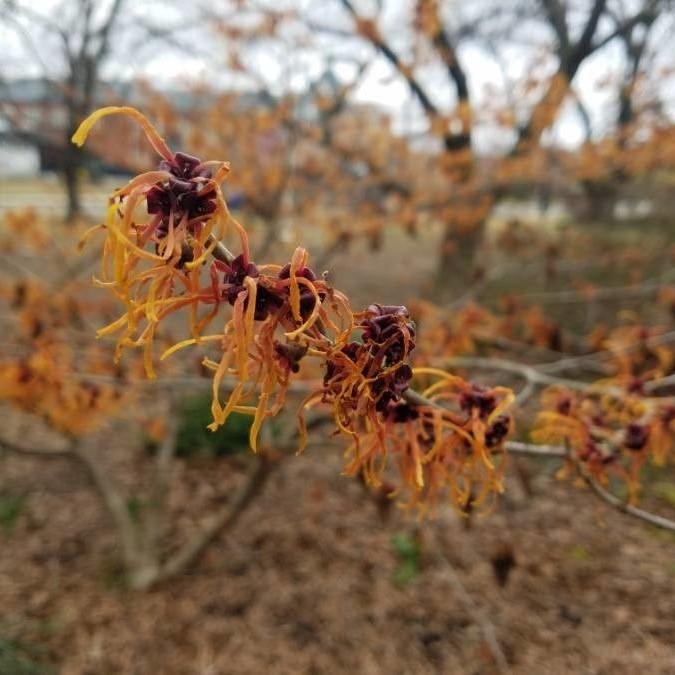
Hamamelis Mollis (Chinese Witch Hazel): Complete Grow & Care Guide
Learn to grow, care for, and enjoy Hamamelis mollis (Chinese witch hazel), a fragrant winter-blooming shrub with vibrant autumn foliage for temperate gardens.
2026-07-26 · 12 min read
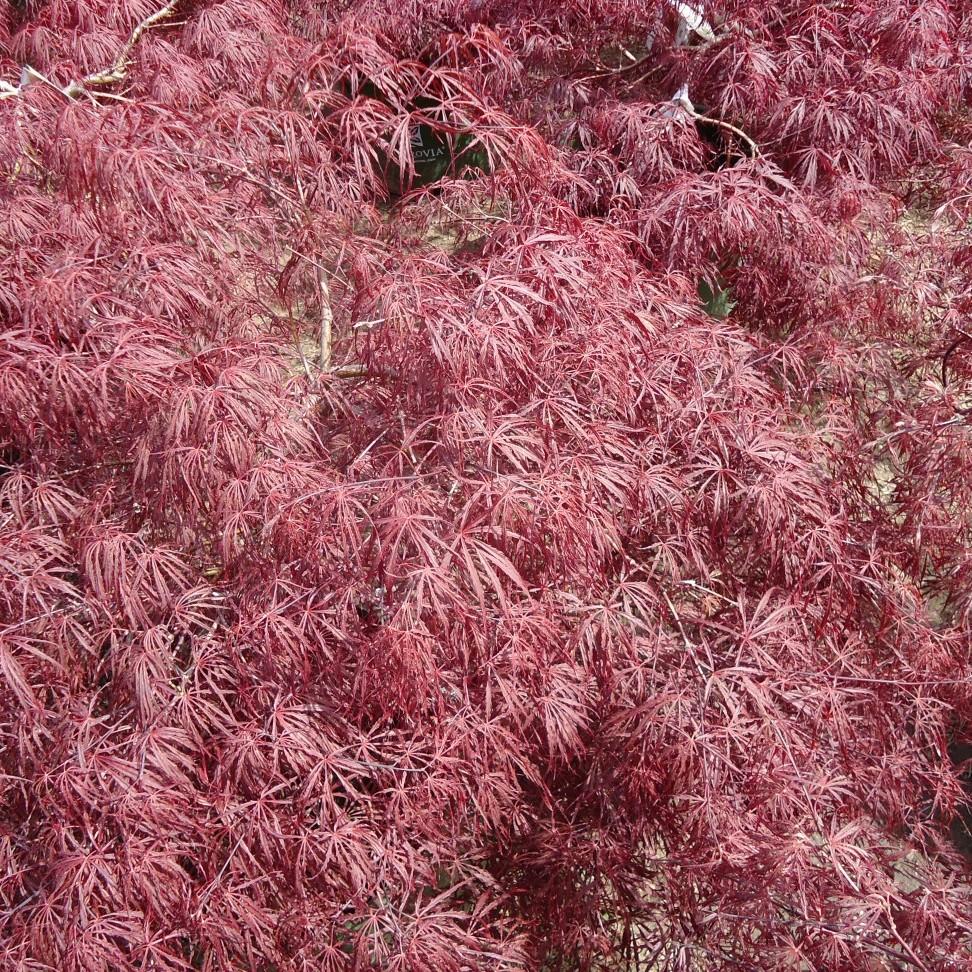
Japanese Maple Plant Description: Key Details for Iijima Sunago, Select Red, and Popular Cultivars
Get clear, beginner-friendly descriptions of Japanese maple trees, including specific details for Iijima Sunago and Select Red cultivars, plus care and pruning tips.
2026-07-26 · 8 min read
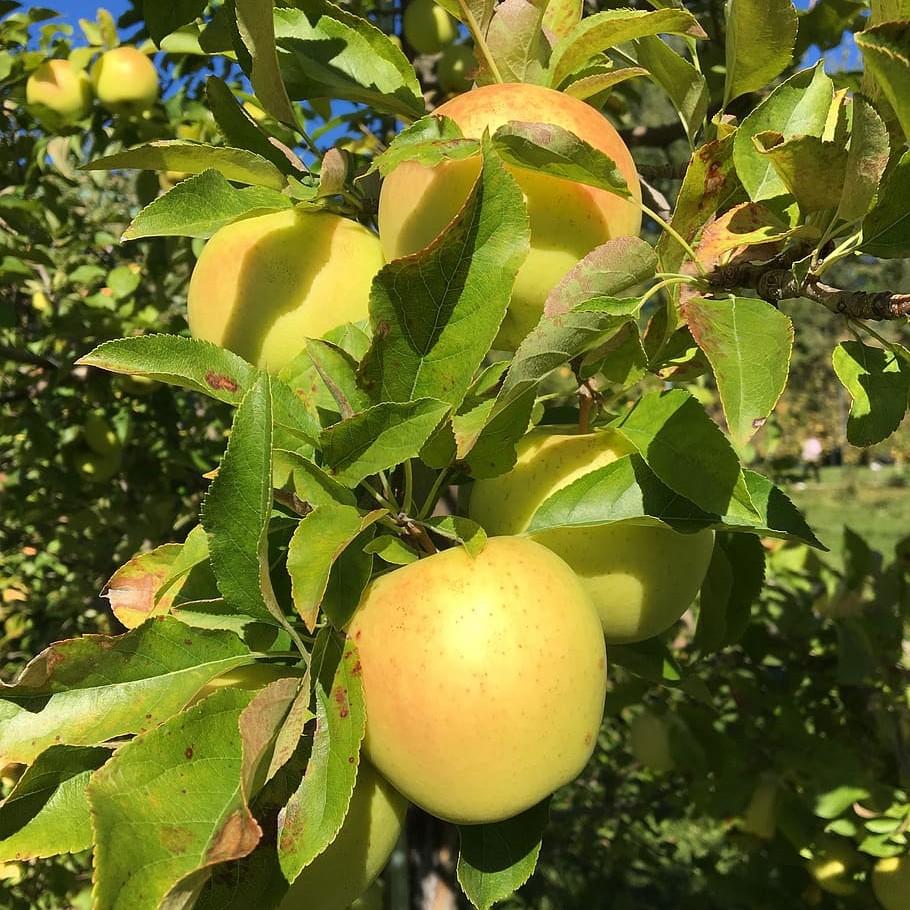
Flowering Crabapple: Grow Guide, Cultivars, and Landscape Uses
Learn to grow and care for flowering crabapple trees, with tips on cultivar selection, bloom care, disease resistance, and using their edible fruit and seasonal foliage.
2026-07-25 · 11 min read