Echium amoenum: Care, Identification, Uses, and Growing Guide for Red Feathers
Learn how to grow, identify, and care for Echium amoenum (Red Feathers), a drought-tolerant, pet-safe flowering herb ideal for full-sun outdoor gardens.
Echium amoenum: Care, Identification, Uses, and Growing Guide for Red Feathers
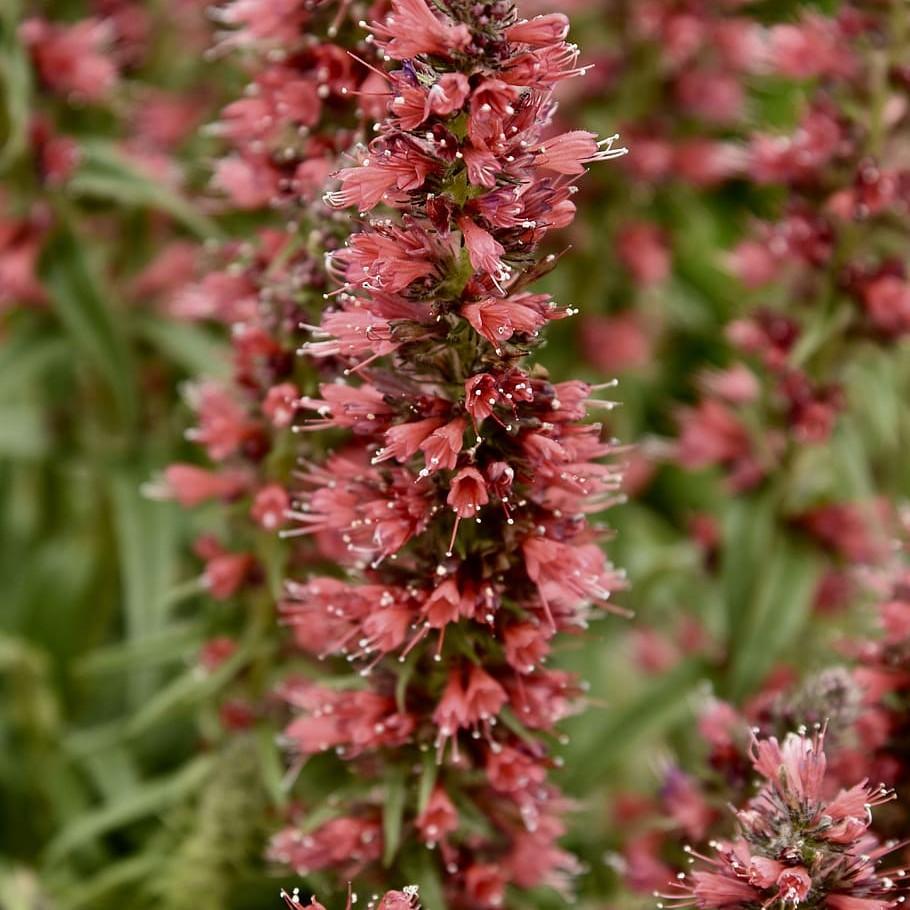
Echium amoenum, commonly called Red Feathers, is a clumping herbaceous perennial native to Iran and the Caucasus. It is drought-tolerant, pet-safe, and grows 12–18 inches tall, producing upright red-pink feather-shaped flower spikes from late spring to mid-summer. It thrives in full-sun outdoor gardens in hardiness zones 4–9.
What Is Echium amoenum?
Echium amoenum, commonly sold as the cultivar 'Red Feathers', is a clumping herbaceous perennial native to mountainous regions of Iran and the Caucasus. It grows 12–18 inches tall and 12–24 inches wide, producing fuzzy, upright red and pink feather-shaped flower spikes from late spring to mid-summer. Its natural tolerance to cold, dry mountain conditions makes it an ideal fit for low-water landscapes across most of the continental U.S.
Key Traits
- Category: Herbaceous perennial
- Light requirement: Full sun (6+ hours of direct daily light)
- Drought tolerance: High (survives 2–3 weeks without supplemental water once established)
- Pet safety: Non-toxic to dogs, cats, and horses
- Hardiness zones: 4–9
Echium amoenum Identification Tips
Mature Echium amoenum has narrow, lance-shaped gray-green fuzzy leaves at its base, with flower spikes that emerge 6–12 inches above the foliage. Each spike is lined with dozens of small, tubular red to soft pink blooms that open gradually from the bottom up, extending the bloom period to 4–6 weeks in most climates. Its compact, clumping growth habit never spreads aggressively, unlike some wild Echium species.
Common Lookalikes to Avoid
- Echium maculatum: Grows as a small shrub (2–3 feet tall) with spotted foliage, a trait not present in true Echium amoenum
- Echium vulgare: Has blue or purple flower spikes, rather than the red/pink blooms of 'Red Feathers'
Pro tip: Use the Sproutly app to snap a photo of your plant for fast identification to confirm you have Echium amoenum, not a related species.
Ideal Growing Conditions for Echium amoenum
Echium amoenum thrives in well-draining, sandy or loamy soil with a pH of 6.0–8.0, and temperatures between 40–90°F. It will not survive standing water or shaded locations, making it a poor fit for low-lying, poorly drained garden beds or indoor spaces. It performs exceptionally well in high-altitude and high-desert regions where many other flowering perennials struggle with low moisture and cold winter temperatures.
Climate Requirements
- Tolerates temperatures as low as -30°F once established, making it suitable for cold mountain and high-desert landscapes
- Avoid high-humidity regions above 70% average summer humidity, as this can trigger root rot and fungal leaf spot
- If grown in a region with high summer humidity, plant in a raised bed to maximize soil drainage and reduce moisture around the root zone
Soil Needs
- Amend heavy clay soil with 3 inches of coarse sand or perlite prior to planting to improve drainage
- Do not add high-nitrogen fertilizer, as this will promote excess foliage growth and reduce flower production
- A light top-dressing of compost in early spring is sufficient to support annual growth and bloom production
Echium amoenum Watering and Maintenance
Newly planted Echium amoenum needs 1 inch of water per week for the first 3 months to establish a deep root system. Once established, water only during extended dry periods of 4+ weeks without rain to avoid overwatering. Overwatering is the most common cause of poor performance for this species, as its deep taproot is adapted to access moisture deep in the soil.
Seasonal Maintenance Tasks
- Spring: Remove any dead foliage from winter, and apply a 1-inch layer of gravel mulch around the base to suppress weeds and retain soil moisture. Avoid organic mulches like wood chips, which can hold excess moisture against the crown of the plant.
- Summer: Deadhead spent flower spikes after blooms fade to encourage a second, smaller flush of flowers in late summer. Leave a few spent spikes in place if you want the plant to self-sow for new seedlings the following year.
- Fall: Cut back all foliage to 2 inches above the soil line after the first hard frost to prevent overwintering pest eggs and reduce the risk of fungal growth during wet winter months.
- Winter: No supplemental care is required for established plants in zones 4–9. If grown in zone 3 or colder, cover the crown with a 2-inch layer of straw for insulation during the coldest months.
Common Pests and Problems Affecting Echium amoenum
Echium amoenum is largely pest-resistant, but it can be affected by two-spotted spider mites during extended hot, dry periods, and root rot if planted in poorly draining soil. Fungal leaf spot may occur if foliage is regularly wetted by overhead irrigation. Deer and rabbits rarely browse this species, due to the fuzzy texture of its leaves and stems.
How to Address Common Issues
- Two-spotted spider mites: Spray foliage with a steady stream of water to dislodge mites, or use neem oil for severe infestations. Apply treatments in the early morning or late evening to avoid burning foliage in direct sun.
- Root rot: Dig up the plant, trim away mushy brown roots, and replant in a raised bed or amended well-draining soil. If more than 50% of the root system is affected, the plant may not recover, so it is best to replace it with a new specimen.
- Fungal leaf spot: Remove affected leaves, and switch to drip irrigation to keep foliage dry. Severe infections can be treated with a copper-based fungicide applied according to product label instructions.
Echium amoenum Garden Pairings and Landscape Uses
Echium amoenum is ideal for rock gardens, xeriscapes, pollinator gardens, and meadow plantings, as its bright red blooms attract bees, butterflies, and hummingbirds. Its compact size also makes it suitable for container planting on full-sun patios, where its upright spikes add vertical interest to mixed planter arrangements. It is a common component of low-water garden collections designed to reduce outdoor water use in arid regions.
Best Companion Plants
- Lavender: Matches Echium amoenum’s full-sun, low-water needs, and purple blooms create a high-contrast color pairing. Both plants thrive in the same well-draining soil conditions.
- Yarrow: Drought-tolerant yellow or white blooms complement 'Red Feathers' spikes and grow well in the same hardiness zones. Yarrow’s flat flower heads also attract a wider range of beneficial insects to the garden.
- Ornamental grasses: Fine-textured grasses like blue fescue provide a soft backdrop for the bold, upright Echium amoenum flower spikes. The contrasting textures create visual interest even when no plants are in bloom.
For more pairing ideas for low-water flowering plants, browse the echium category in the Sproutly plant encyclopedia.
Echium amoenum vs. Other Common Echium Species
Echium amoenum is the smallest commonly grown Echium species, making it the best choice for small gardens or container planting, while larger Echium varieties are better suited for focal points in large landscapes. All common Echium species are full-sun, drought-tolerant, and pet-safe, but they vary widely in size, hardiness, and bloom color. For more guidance on growing related varieties, see our Echium species care tips.
Side-by-Side Comparison
- Echium candicans (Pride of Madeira): Large shrub (4–6 feet tall) with purple-blue flower spikes, hardy to zones 9–11. This Mediterranean native is a popular focal point for coastal California and southern gardens. For growing guidance, see our Pride of Madeira growing guide.
- Echium wildpretii (Tower of Jewels): Biennial that grows 6–10 feet tall with bright pink spikes, requires expert care and is hardy to zones 8–10. It is native to the Canary Islands and requires very well-draining soil to thrive. For care details, see our Tower of Jewels care requirements.
- Echium vulgare (Viper's Bugloss): Biennial herb with blue-purple spikes, often grown for medicinal uses, hardy to zones 3–9. It is a wild native to Europe and Asia, and often self-sows aggressively in garden settings.
- Echium maculatum: Small shrub (2–3 feet tall) with spotted foliage and pink or purple blooms, hardy to zones 5–9. It is sometimes sold mislabeled as Red Feathers, so accurate identification is key to getting the growth habit you expect.
How to Propagate Echium amoenum
Echium amoenum is most easily propagated from seed, sown directly outdoors in fall or early spring. It does not divide well, as its deep taproot is easily damaged during transplanting. Self-sown seedlings will often appear around mature plants in ideal growing conditions, and can be transplanted when they have 2–3 sets of true leaves, though transplant success rate is typically around 50%.
Step-by-Step Seed Propagation
- Scatter seeds directly on the surface of well-draining soil in a full-sun location in late fall, 4–6 weeks before the first expected frost, or early spring after the last frost. Fall sowing often results in higher germination rates, as the seeds require a period of cold stratification to break dormancy.
- Do not cover seeds, as they require light to germinate. Press them lightly into the soil surface to ensure good contact without burying them.
- Keep soil lightly moist until germination, which occurs in 14–21 days when temperatures are between 60–70°F. Avoid overwatering during this period, as saturated soil will cause seeds to rot.
- Thin seedlings to 12 inches apart once they have 2 sets of true leaves to give plants room to grow and develop their full clumping habit.
If you are looking for other flowering perennials to propagate for your garden, see our Amazon Lily Plant: Care Guide, ID Tips, and Growing Requirements for more propagation guidance.
Frequently Asked Questions About Echium amoenum
Is Echium amoenum toxic to pets?
No, Echium amoenum is non-toxic to dogs, cats, and horses, making it a safe choice for pet-friendly outdoor gardens.
How tall does Echium amoenum grow?
Mature Echium amoenum grows 12–18 inches tall, with flower spikes adding an additional 6–12 inches of height during bloom season.
What is the common name for Echium amoenum?
The most common commercial name for Echium amoenum is 'Red Feathers', referring to its distinctive feather-shaped red and pink flower spikes.
Is Echium amoenum a perennial or annual?
Echium amoenum is a herbaceous perennial in hardiness zones 4–9, returning year after year. It can be grown as an annual in regions outside of its hardiness range.
Does Echium amoenum attract pollinators?
Yes, Echium amoenum’s tubular blooms are highly attractive to bees, butterflies, and hummingbirds, making it a popular addition to pollinator gardens.
Get Help Identifying and Caring for Your Echium amoenum
If you’re unsure if you have Echium amoenum or a related Echium species, the Sproutly app can help you confirm your plant’s identity in seconds, and provide personalized care reminders tailored to your local climate and growing conditions. You can also browse the Sproutly plant encyclopedia for more care guidance for drought-tolerant, full-sun flowering plants to pair with your Echium amoenum.
Try Sproutly today to simplify your plant care routine and grow a healthier, more vibrant garden.
قراءات ذات صلة
أدلة أخرى قد تعجبك
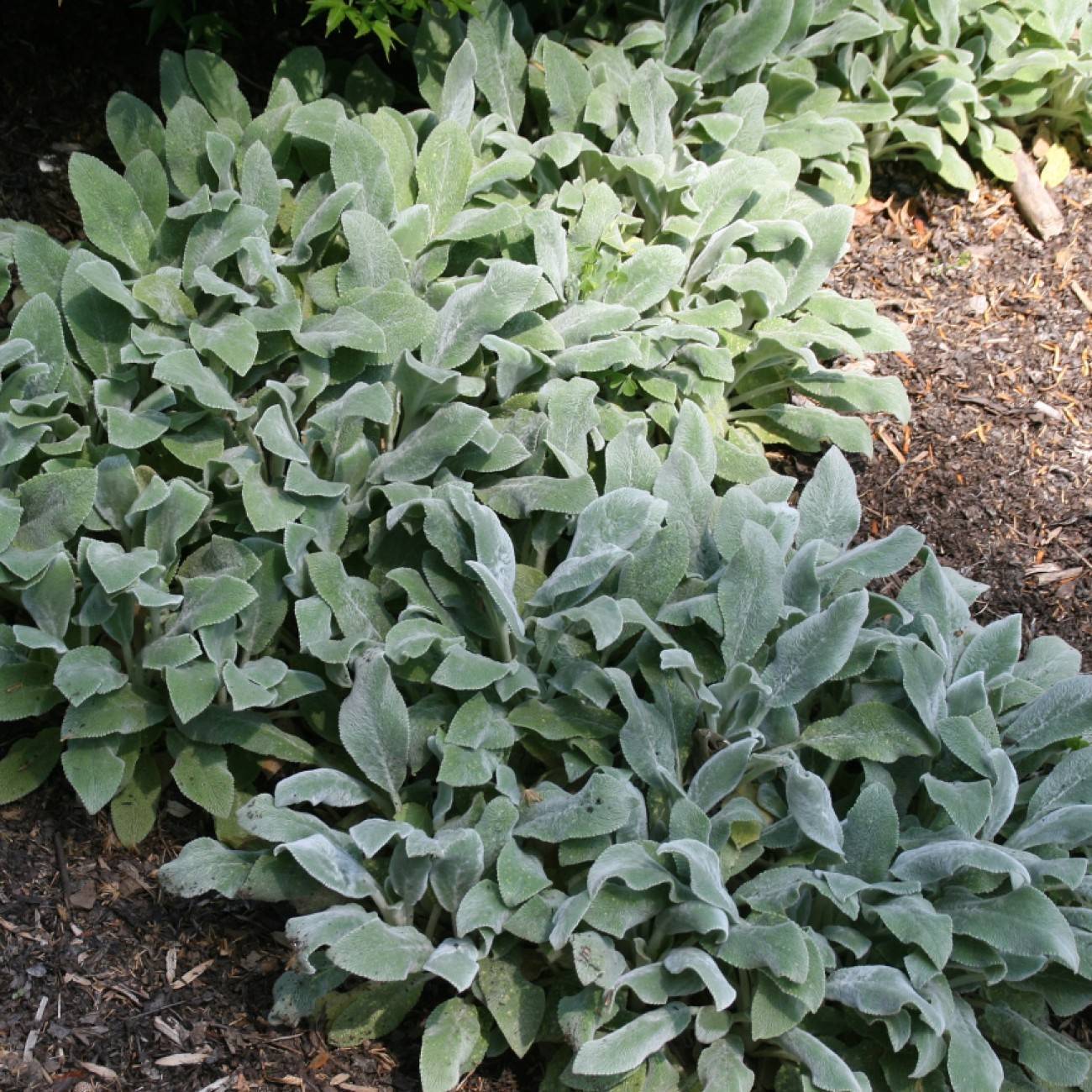
Lambs Ears: Complete Care Guide, Uses, and Growing Tips
Learn how to grow and care for lambs ears (Stachys byzantina), a soft, fuzzy silver perennial perfect for drought-tolerant gardens and ground cover.
2026-08-02 · 20 min read
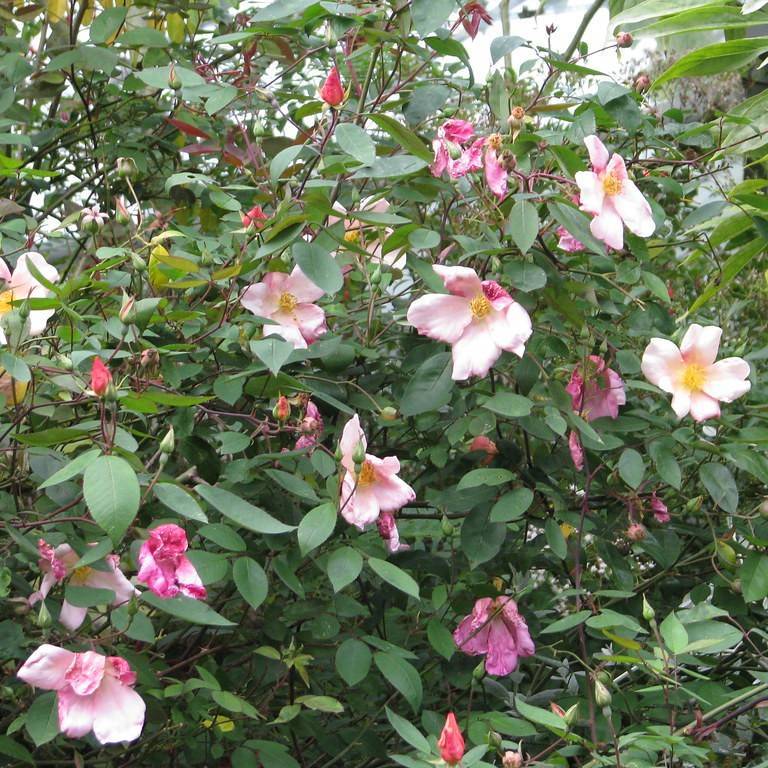
Hibiscus China Rose: Identification, Care, Uses, and Growing Guide
Learn how to identify, grow, and care for hibiscus china rose (Hibiscus rosa-sinensis), plus its edible and traditional medicine uses for home gardeners.
2026-08-01 · 14 min read
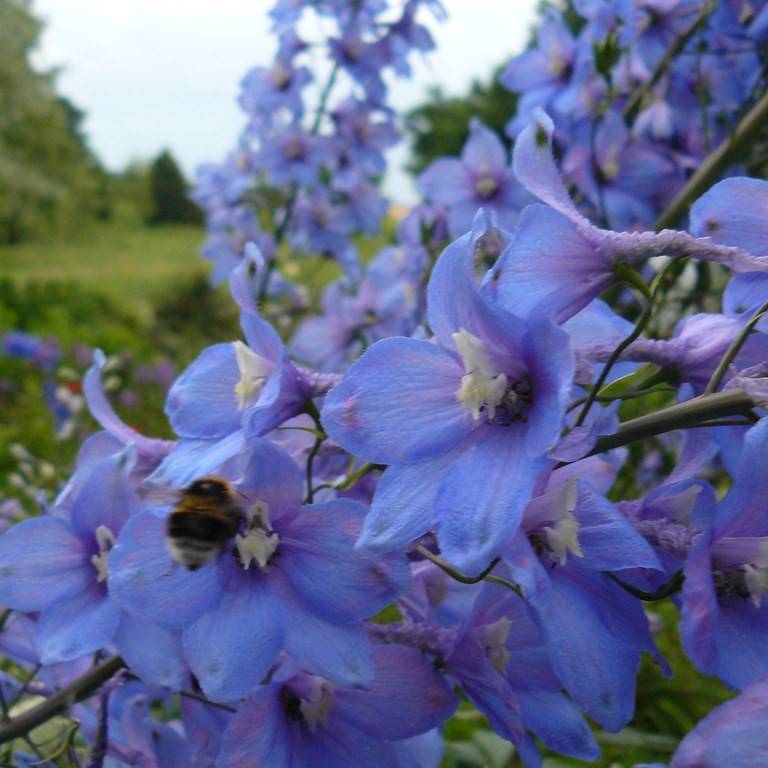
Delphinium Elatum: Care, Cultivars, Toxicity, and Growing Guide
Learn how to grow and care for Delphinium elatum, including sun, water, and soil needs, popular cultivars, and toxicity warnings for home gardeners.
2026-07-31 · 16 min read