10 Stunning Photos Plant Varieties to Add to Your Collection (With ID Tips)
Discover beautiful photos plant varieties, from striking maples to low-maintenance agaves, plus tips to identify and care for every type in your space.
If you’ve ever scrolled social media and stopped mid-swipe at a perfectly framed shot of a vibrant leafy plant or showstopping garden tree, you’ve seen a photos plant in action. These varieties are defined by their bold, photogenic foliage, blooms, or growth habits that look equally good in home decor shots, garden documentation, and your personal plant photo album. Many popular options are also low-fuss, making them accessible for new plant parents who want a collection that looks great without requiring constant maintenance. If you ever encounter a striking specimen while out and about, you can snap a photo and use Sproutly to ID it in seconds to learn its species and care needs.
What Makes a Standout Photos Plant for Your Collection?
The best photogenic plants balance visual appeal with practicality for your specific space. Standout varieties have unique traits that translate well to photos: vivid foliage colors, interesting textural contrast, or striking structural shapes that draw the eye. While some rare, high-maintenance varieties are popular in plant photography circles, most beginner-friendly options are forgiving of missed waterings or less-than-ideal light, so they stay looking photo-ready even if you’re still learning plant care basics.
Every plant on this list has been vetted for both visual appeal and ease of care, with links to Sproutly’s verified plant encyclopedia entries for deeper dives into their specific needs.
Stunning Outdoor Trees for Garden Photos
If you have outdoor yard or garden space, these tree varieties make dramatic focal points that shine in every season of photos.
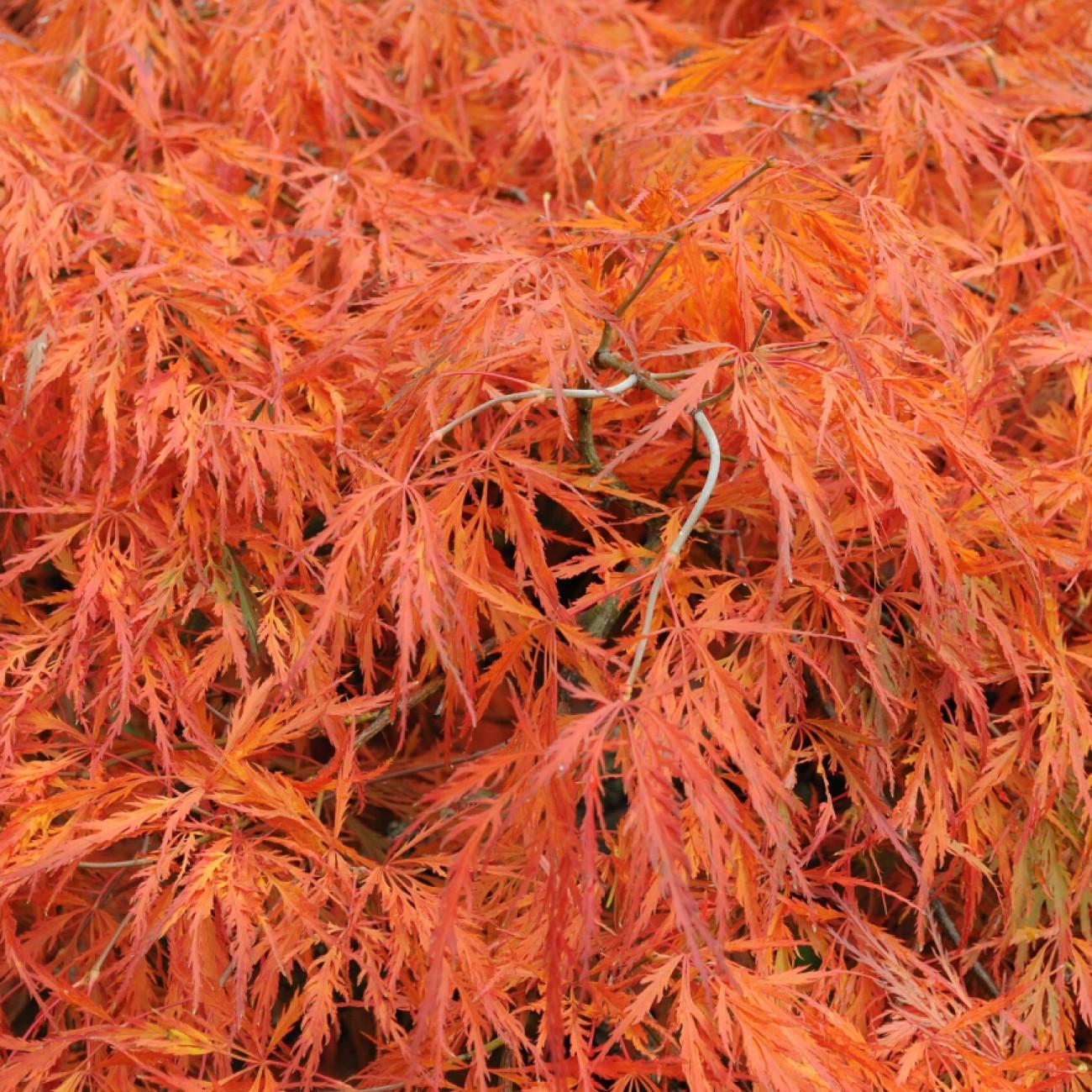
1. Autumn Fire Japanese Maple
This small, deciduous tree is famous for its fiery, bright red fall foliage that looks like it’s glowing in golden hour light. In spring and summer, its delicate palmate leaves are a soft green, creating a subtle contrast that works well in seasonal garden progress photos. It grows best in full sun, prefers consistent humidity, and is pet-safe, making it a great pick for households with outdoor cats or dogs.
2. Bloodgood Japanese Maple
For year-round deep color, the Bloodgood Japanese Maple is unbeatable. Its rich burgundy leaves hold their hue from spring through fall, providing a moody, high-contrast backdrop for lighter garden plants or standalone close-up shots. It also produces small, delicate red flowers in spring that add extra detail to photos. Like the Autumn Fire variety, it thrives in full sun, loves humidity, and is pet-safe.
3. Blue Spanish Fir
This coniferous tree has dense, silvery-blue needles that add cool-toned texture to any outdoor plant collection. Its short, stiff needles catch light beautifully, making it a great subject for winter garden photos when most other plants have dropped their leaves. It grows best in full sun, prefers humid conditions, is pet-safe, and produces small, subtle cones that add extra visual interest for close-up shots.
Low-Maintenance Houseplants Perfect for Indoor Photos
For indoor or patio spaces, these hardy, structural varieties look great in shelf styling shots, flat lays, or corner decor photos, with minimal care required. All of these varieties are pet-safe and can be moved outdoors in mild climates if you want to switch up your photo backdrops.
1. American Century Plant (Agave americana)
This large, sculptural agave has thick, fleshy blue-green leaves with sharp, pointed tips that create a dramatic silhouette in photos. It grows slowly, so it works well as a floor plant for large, empty corners of your home, and it tolerates infrequent watering and bright light perfectly.
2. Cast-iron plant
One of the most forgiving houseplants available, the cast-iron plant has wide, glossy dark green leaves that add a lush, tropical vibe to any photo. It tolerates low light, infrequent watering, and a wide range of temperatures, making it ideal for beginners who want a plant that looks great even if they don’t have a green thumb. Its dense foliage also works well as a backdrop for smaller, more colorful plants in group shots.
3. Agave attenuata Century Plant
Also called the foxtail agave, this variety has soft, curved blue-green leaves that lack the sharp tips of other agave species, giving it a softer, more approachable silhouette. It works well in both indoor planters and outdoor patio beds, and its arching foliage adds movement to static shelf or garden photos.
4. Agave ‘Blue Glow’ Century Plant
A smaller agave variety, ‘Blue Glow’ has thin, silvery-blue leaves with thin red margins that glow when backlit by natural light. It’s perfect for small shelf displays or desk decor, and its compact size makes it easy to move around for different photo setups.
5. Agave havardiana Century Plant
Native to high-altitude regions, this hardy agave has thick, gray-green leaves that form a tight, symmetrical rosette. It tolerates cooler temperatures better than many other agave varieties, so it works well for unheated sunrooms or outdoor gardens in milder temperate zones. Its rigid, geometric shape pops against soft, neutral backdrops in photos.
How to Capture the Best Photos of Your Plant Collection
You don’t need a professional camera to get great shots of your photogenic plants. These simple, beginner-friendly tips will help you capture their best features:
- Use natural indirect light to avoid washing out foliage or creating harsh, unflattering shadows. Position plants near a north or east-facing window for soft, even light, and avoid shooting in direct midday sun unless you want to capture backlit glow through leaves.
- Position plants against neutral backdrops like white walls, light wooden shelves, or plain linen fabric to make their unique colors and textures pop. Avoid busy patterned backgrounds that distract from the plant itself.
- Shoot at eye level with the plant to highlight its natural growth structure. For small tabletop plants, sit or kneel to get on their level; for tall trees, step back and shoot from a distance to capture their full shape.
Clear, well-lit photos also work best if you’re using the Sproutly app to identify a new specimen you picked up from a nursery or a friend’s garden, so taking the time to get a good shot helps with accurate identification too.
How to Identify an Unknown Photogenic Plant From a Photo
If you see a striking plant on social media, in a public garden, or at a local plant swap and want to add it to your collection, you can ID it quickly with Sproutly by following these simple steps:
- Snap a clear photo of the plant’s key identifying features: leaves, stems, any blooms or unique markings, and overall growth habit. Avoid blurry shots or photos where the plant is partially obscured by other objects.
- Upload the photo to the Sproutly app. The tool will cross-reference your image with its database of verified plant species to find the closest match.
- Review the matching species entry for care tips, toxicity info, growth expectations, and links to related varieties that may work for your space.
This process takes less than a minute, and you can save the entry to your personal plant library to track care for your new addition once you bring it home.
Caring for Your New Photos Plant: Quick General Tips
While every species has unique care needs, these basic rules apply to most of the plants featured in this guide:
- Adjust sun exposure based on the species’ requirements. Maples and firs need full sun to thrive, while cast-iron plants can tolerate low to bright indirect light indoors. Agave varieties do best in bright, direct light, whether grown indoors or outdoors.
- For succulent agave varieties, water only when the top 2 inches of soil are completely dry. Overwatering is the most common cause of agave death, so err on the side of underwatering if you’re unsure.
- Keep humidity levels consistent for maple and fir specimens. If you’re growing a young maple indoors temporarily, mist the leaves regularly or place a humidifier nearby to mimic its preferred humid outdoor environment.
If you want a tailored care schedule for any specific plant, you can pull up a custom plan in the Sproutly app after identifying the species.
Final Thoughts: Building a Photogenic Plant Collection That Fits Your Space
It’s easy to get caught up in viral plant trends and pick varieties that look great online, but the best collections are made up of plants that fit your climate, available light, and care experience level. Even small collections of 2-3 complementary plants can make a big visual impact in a home or garden, and you don’t need 50 rare specimens to take great plant photos.
As you build your collection, Sproutly can help you track care for every plant you own to keep them looking healthy and photo-ready year-round, from regular watering reminders to seasonal care tips tailored to your specific growing zone.
FAQ
What is a photos plant?
A photos plant is a colloquial term for any plant with striking, photogenic foliage, blooms, or growth habits that look great in photos, whether for social media, home decor documentation, or garden records.
Are the popular photos plant varieties pet-safe?
Many common photogenic plants, including all the agave, maple, fir, and cast-iron plant varieties listed in this guide, are marked pet-safe, but always verify a plant’s toxicity before bringing it into a home with pets. You can use Sproutly to check toxicity info for any plant you ID.
Can I identify a photos plant from a photo I found online?
Yes, if you have a clear photo of a plant’s key features (leaves, stems, blooms), you can upload it to the Sproutly app to get a species match and detailed care information for that plant.
What’s the best low-maintenance photos plant for beginners?
The cast-iron plant is a great low-fuss option for beginners, as it tolerates low light, infrequent watering, and a wide range of temperatures, while still having bold, glossy foliage that looks great in photos.
Ready to start building your own collection of photogenic plants, or ID a mystery specimen you’ve been curious about? Try Sproutly today to access accurate plant identification, tailored care schedules, and a verified encyclopedia of thousands of plant species to help your collection thrive.
Leitura relacionada
Mais guias que pode gostar
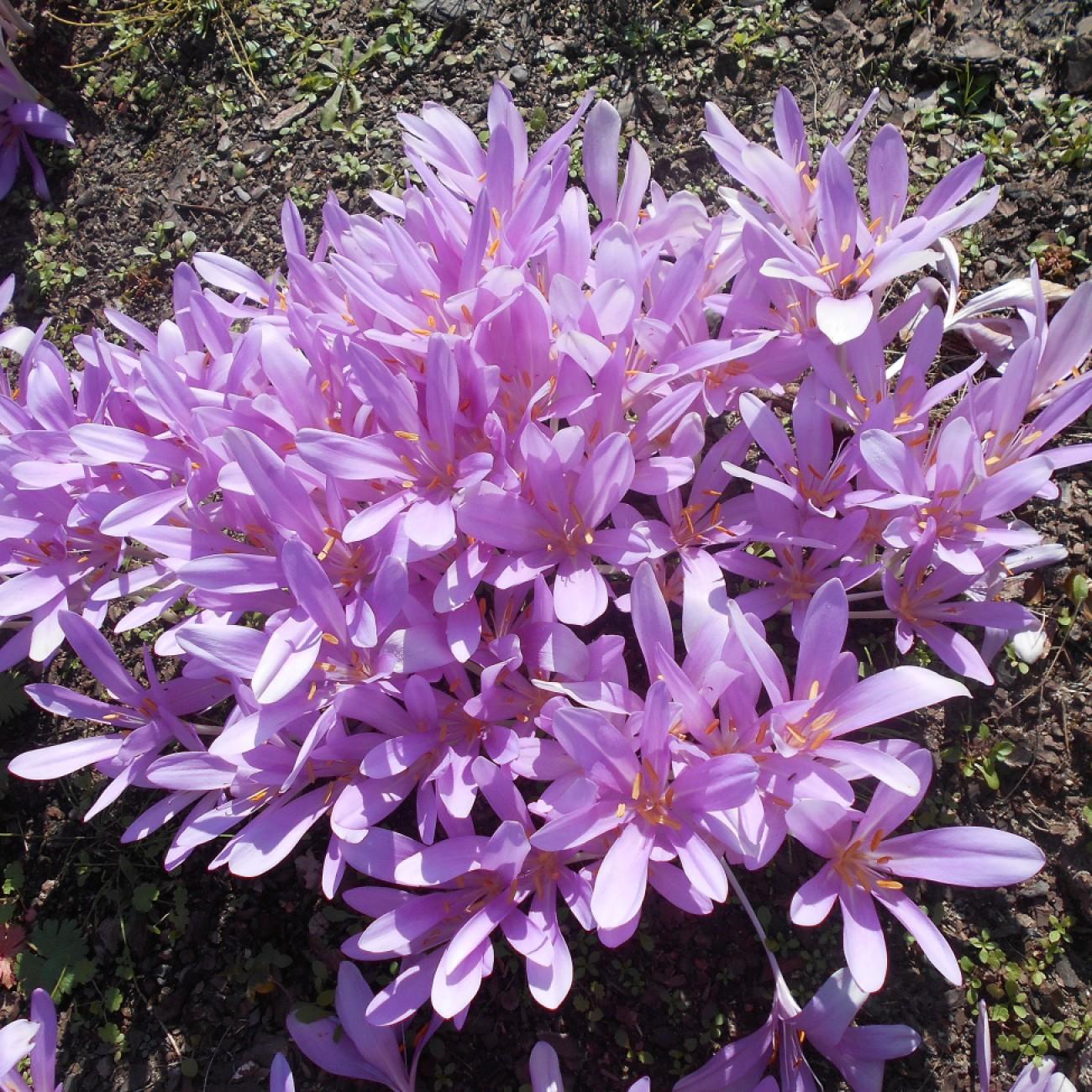
Crocus Sativus: The Complete Guide to Growing, Identifying, and Using Saffron Crocus
Learn all about Crocus sativus, the plant that produces saffron, the world’s most expensive spice. Find care tips, identification guides, and safe growing practices.
2026-06-18 · 9 min read
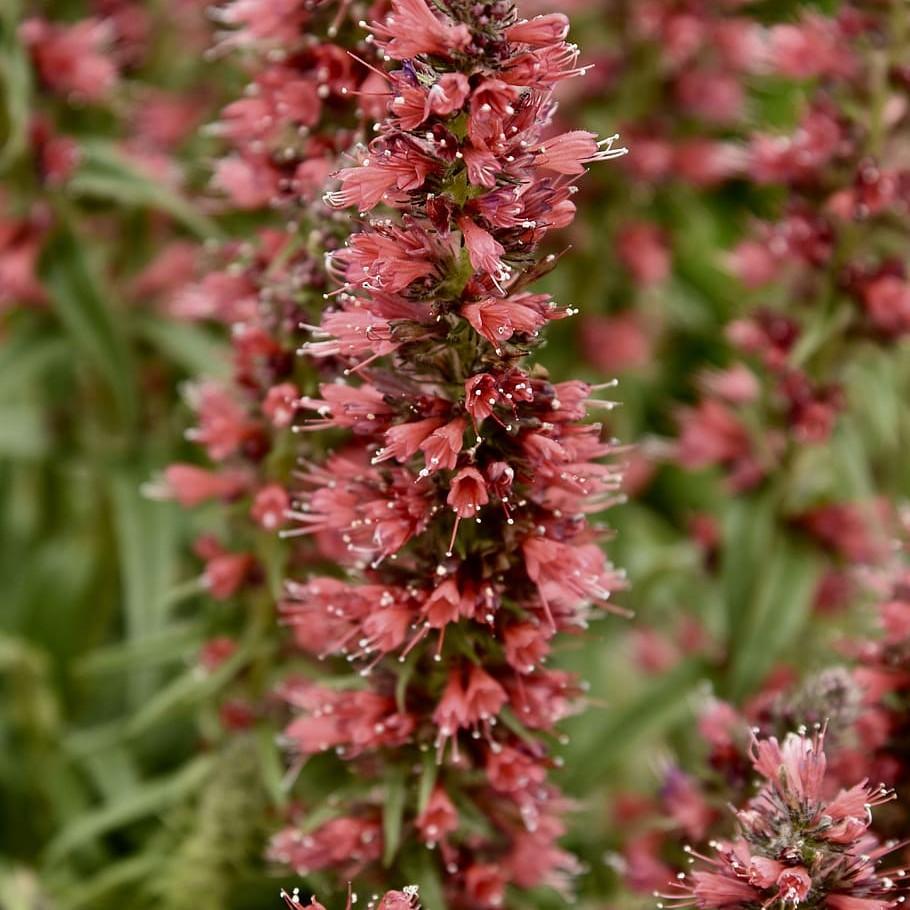
Echium amoenum: Care, Identification, Uses, and Growing Guide for Red Feathers
Learn how to grow, identify, and care for Echium amoenum (Red Feathers), a drought-tolerant, pet-safe flowering herb ideal for full-sun outdoor gardens.
2026-06-18 · 10 min read
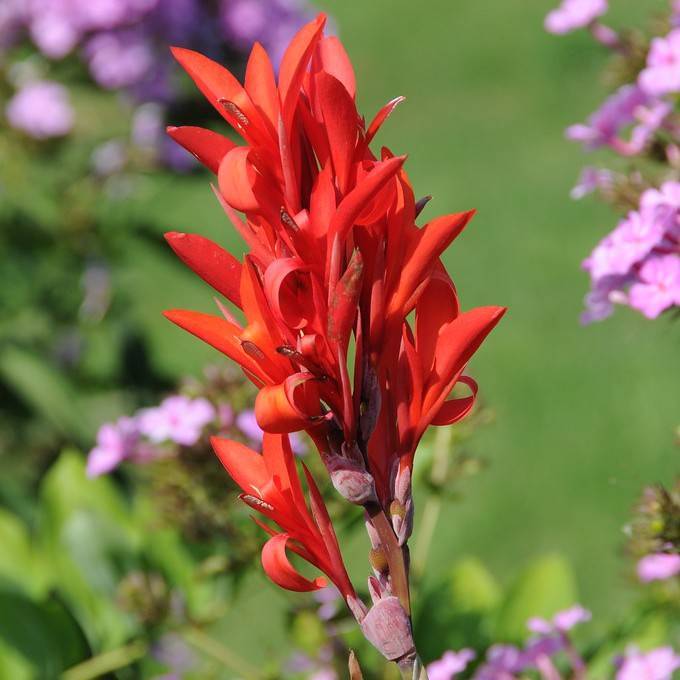
Canna Australia: Care Guide, Planting Tips, and Garden Uses for Australian Growers
Learn to grow, care for, and design with Canna 'Australia' — the bold, sun-loving foliage and orange flowering plant perfect for warm Australian gardens.
2026-06-17 · 20 min read