How to Identify Weeds by Photo: A Simple Step-by-Step Guide for Home Gardeners
Learn how to accurately identify weeds by photo using free tools, key visual cues, and expert tips to keep your garden thriving without guesswork.
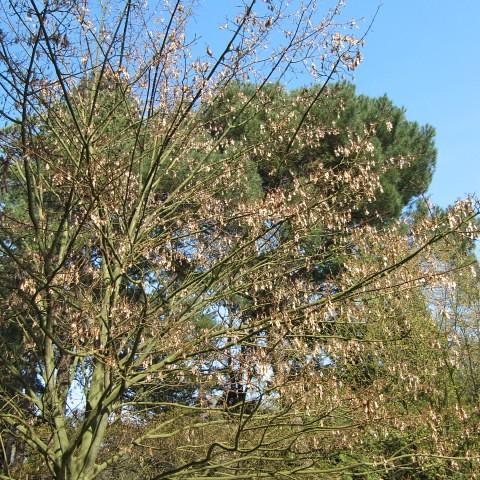

Why Learning to Identify Weeds by Photo Saves You Garden Headaches
Every home gardener has stared at an unknown small plant sprouting in their flower bed and wondered: is this a weed, or something I want to keep? Rushing to yank it out without confirmation can lead to costly, disappointing mistakes. Many beginner and even experienced gardeners accidentally remove beneficial native species, medicinal plants, or young ornamental saplings that look weedy when immature. For example, a tiny broadleaf seedling could easily be written off as a nuisance, only to turn out to be a valuable tree you planted from seed last season. When you identify weeds by photo, you eliminate that guesswork entirely. You get clear confirmation of what you’re working with before you disturb the plant, so you never lose a desirable species to impulsive weeding sessions.
5 Key Visual Cues to Capture for Accurate Photo Weed ID
The quality of your photo directly impacts how reliable your identification result will be. Before you snap a picture of an unknown plant, make sure you capture these non-negotiable details:
- Full plant size and growth habit: Step back a foot or two to show how the plant grows close to the ground, stands upright, or spreads across the soil. Low, creeping growth and clumping upright growth are key distinguishing traits for many common weeds.
- Leaf shape and arrangement: Get a close shot of individual leaves, plus a clear view of how they attach to the stem. Note if leaves grow directly across from each other (opposite arrangement) or staggered on alternate sides of the stem, as this is a critical identification detail for both weeds and desirable plants.
- Flowers or seed heads (if present): Even small, unassuming blooms or fuzzy seed heads are unique to specific species, so capture them if the plant has produced any.
- Stem texture: Take a close shot of the stem to show if it is smooth, hairy, spiky, square, or ribbed, all traits that narrow down possible matches.
- Root structure (if you’ve already pulled the plant): If you already removed the plant before confirming its identity, take a photo of the root system to show if it has a single deep taproot, shallow spreading roots, or rhizomes. For best results, take photos in soft natural shade to avoid harsh midday sun that washes out details, and remove any clutter like mulch, sticks, or nearby plants from the frame so your unknown plant is the clear focus.
Weed vs. Desirable Plant: Common Mix-Ups to Watch For
Many popular garden plants look nearly identical to common weeds in their early growth stages, which is why impulsive pulling is such a risk. These are the most frequent misidentifications home gardeners make: The most common costly mix-up is mistaking young Snakebark Maple saplings for broadleaf weeds. When immature, these trees have small, broad leaves that look almost identical to weeds like dandelion or plantain, especially if they sprouted unexpectedly from dropped seed. Snakebark Maple is a low-maintenance, pet-safe, humidity-loving ornamental tree with medicinal properties, and it thrives in full-sun outdoor gardens. Pulling one by mistake means losing a beautiful, long-lived addition to your landscape. Other common mix-ups include dandelion vs. wild lettuce, and crabgrass vs. young ornamental grass. Dandelion leaves have sharply serrated edges, while wild lettuce leaves are softer and less jagged; wild lettuce is edible and has mild pain-relieving properties, so many gardeners choose to keep it instead of removing it. Crabgrass grows in low, spreading clumps with wide, flat blades, while young ornamental grasses usually grow in tight, upright clumps with finer blades.
Step-by-Step Process to Identify Weeds by Photo Correctly
You don’t need a botany degree to get a reliable ID for unknown garden plants. Follow this simple workflow every time you spot a mystery sprout:
- Take clear photos of all key features: Capture shots of the full plant, individual leaves, stem, any flowers or seed heads, and roots if applicable, from multiple angles. Refer to the visual cue list above to make sure you don’t miss any critical details.
- Cross-reference with basic garden records: If you planted seeds or small transplants in the bed recently, check your planting notes to rule out desired species you may have forgotten about. For example, if you planted native wildflower seeds in the area last fall, the unknown sprout could be a slow-growing flower instead of a weed.
- Use a specialized ID tool: Scan your photos with an AI plant identification tool like Sproutly to get an immediate match. Sproutly’s curated database includes both common garden weeds and desirable ornamental, edible, and native species, so you’ll get clear context on whether the plant is considered a weed in your specific growing region.
- Verify results before taking action: Cross-check the ID result with the visual traits of your plant to confirm the match. Look up the plant’s growth habit and benefits to decide if you want to remove it, leave it, or transplant it to a more suitable spot in your yard.
What to Do After Your Identification
Your next steps depend entirely on what plant you’ve identified, not just whether it is labeled a weed. Use these guidelines to make the best choice for your garden:
- For invasive, fast-spreading weeds that will outcompete your desired plants: Use safe, organic weed removal tips like hand-pulling before the plant goes to seed, mulching heavily to block light, or applying targeted horticultural vinegar to foliage for persistent species. Avoid using synthetic herbicides that can harm beneficial insects and contaminate soil.
- For non-invasive weeds that support pollinators: Many common “weeds” like clover, dandelion, and wild violet are valuable food sources for bees, butterflies, and other beneficial insects. If they aren’t crowding out your desired plants, consider leaving them in a corner of your yard to support local ecosystems.
- For desirable plants you almost mistook for weeds: If you discover your “weed” is actually a Snakebark Maple sapling, wild lettuce, or another beneficial species, move it to a spot where it has room to grow, and follow tailored care guidance to help it thrive.
Common Mistakes to Avoid When Identifying Weeds From Photos
Even with the right tools, small errors can lead to incorrect identification results. Watch out for these common pitfalls:
- Only taking a photo of a single leaf: Many plants have nearly identical leaf shapes when young, so a shot of one leaf doesn’t give enough context for a reliable match. Always capture the full plant and multiple key features.
- Using blurry or poorly lit photos: Dark, grainy, or overexposed photos make it impossible to pick up on fine details like stem texture or leaf arrangement, leading to incorrect matches.
- Relying on generic image search results: Generic image searches often return photos of plants grown in different regions or at different growth stages, and they don’t distinguish between weeds and desirable species. A search result for “broadleaf weed” could easily show a photo of a young ornamental sapling.
- Assuming all “weedy-looking” plants are harmful: Fast growth, spontaneous sprouting, and plain foliage don’t automatically make a plant a weed. Many beneficial native species spread readily and have unassuming blooms, but provide far more value to your garden than short-lived ornamental flowers. Using a specialized plant ID tool like Sproutly cuts down on these errors by referencing a curated database of garden plants and weeds, with context for regional growing conditions to ensure your results are relevant to your location.
Final Thoughts: Simplify Weed ID for a Healthier Garden
Learning to identify weeds by photo doesn’t require expert knowledge, just attention to a few key visual details and the right tools to eliminate guesswork. By taking the time to confirm the identity of every unknown sprout in your garden, you’ll avoid costly mistakes, support beneficial species, and keep your landscape growing exactly how you want it to. Bookmark this guide for the next time you spot an unknown plant in your garden bed, and use Sproutly to speed up identification and get tailored care tips for every plant in your yard, weeds included.
Frequently Asked Questions
Can I accurately identify weeds by photo without a botany background? Yes! As long as you capture clear photos of the plant’s key features (leaves, stem, flowers, and full growth habit), you can use visual guides and AI tools like Sproutly to get a reliable ID without any formal plant training.
What’s the biggest mistake people make when trying to identify weeds by photo? The most common error is only photographing a small part of the plant, like a single leaf. Many young weeds look nearly identical to saplings of desirable trees and ornamental plants, so capturing the full growth habit and multiple features is critical for accurate ID.
How do I tell a weed from a young ornamental tree sapling? Look for unique identifying traits: for example, young Snakebark Maple saplings have smooth, slightly striped bark as they mature, which sets them apart from lookalike broadleaf weeds. If you’re unsure, scan a photo of the plant with Sproutly to confirm its identity before pulling it.
Are all weeds bad for my garden? Not necessarily. Some plants labeled “weeds” support local pollinators, have medicinal properties, or even improve soil health. After you identify a plant by photo, research its benefits and growth habits before deciding to remove it from your garden.
Ready to stop guessing about unknown plants in your garden? Try Sproutly today to get fast, reliable identifications and tailored care tips for every plant in your landscape.
관련 읽을거리
마음에 들 것 같은 더 많은 가이드
Dichondra Argentea (Silver Falls): Complete Care, Growing, and Use Guide
Learn how to grow and care for Dichondra argentea 'Silver Falls', a drought-tolerant, pet-safe trailing perennial perfect for hanging baskets and ground cover.
2026-08-04 · 11 min read
Firecracker Flower: Complete Care, Cultivation, and Identification Guide
Learn how to grow and care for firecracker flower (Crossandra infundibuliformis), a pet-safe, humidity-loving tropical houseplant with bright tubular blooms.
2026-08-04 · 19 min read
Juniperus Squamata Blue Star: Complete Care, Design, and Identification Guide
Learn how to grow, care for, and design with Juniperus squamata blue star, a low-growing, pet-safe evergreen shrub with striking silvery-blue foliage.
2026-08-03 · 14 min read