植物の病気の基礎知識:観葉植物と庭木のよくあるトラブルの見分け方・対処法・予防法
植物の病気の一般的な兆候を見分け、感染した観葉植物や庭木を手当てし、今後のトラブルを防いで植物コレクション全体を健康に保つ方法を解説します。
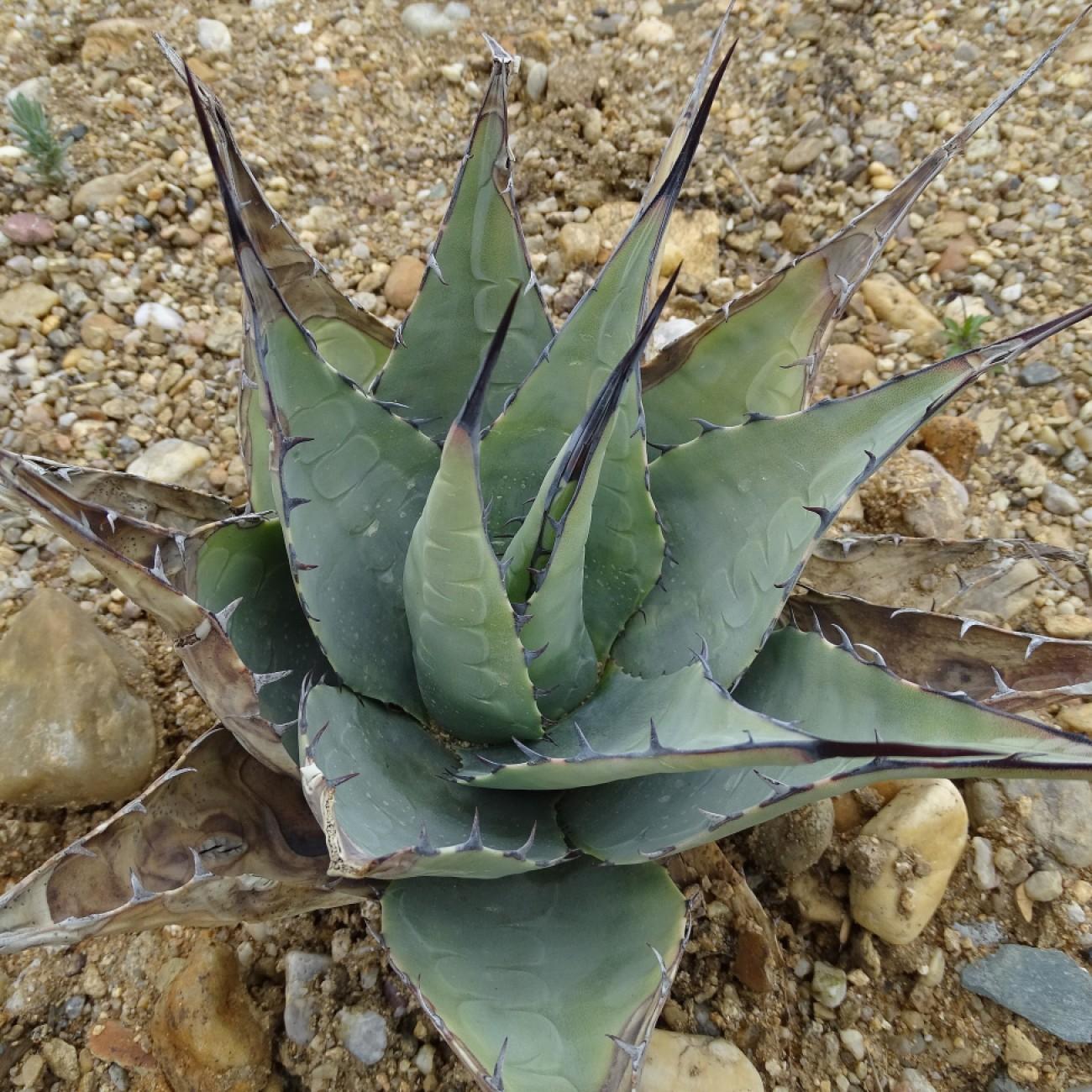
植物の病気の基礎知識:観葉植物と庭木のよくあるトラブルの見分け方・対処法・予防法
アガベの葉に予期せぬ斑点が付いていたり、イロハモミジの葉にふわふわしたカビのようなものが生えていたりしたら、植物に深刻なトラブルが起きているのではと心配になることでしょう。植物の病気は丈夫な種類でも発生することがありますが、対処するのに園芸の高度な学位は必要ありません。このガイドでは、家庭で育てる植物の中でも特に一般的な「手間のかからない観葉植物」と「人気のある観賞用庭木」の2グループに焦点を当て、初心者でも実践できる手順を紹介します。トラブルにすばやく対処して、コレクション全体を健康に保ちましょう。写真からトラブルを診断したい方は、無料の植物診断アプリの使い方ガイドをご覧ください。
観葉植物や庭木の生育不良の原因は何?
植物の正常な成長を妨げる有害な状態は、真菌・細菌・ウイルスなどの病原体によるものと、非感染性の環境ストレスによるものの2つに大別されます。室内の観葉植物でも屋外の庭木でもこうしたトラブルは発生しますが、その多くは水のやりすぎ、風通しの悪さ、不適切な日照、新しく迎えた植物からの感染など、単純な管理の誤りが引き金となっています。
アガベやアスピディストラ(キャストアイアンプラント)の管理方法に記載されているように、乾燥に強い丈夫な種類はこうしたトラブルのリスクが低いものの、「枯らすのが難しい」と評判の植物でも完全に免疫があるわけではありません。被害を最小限に抑える最も効果的な方法は、トラブルが他の植物に広がる前に早期発見することです。
絶対に見逃してはいけない、植物の健康トラブルの5つの初期警告サイン
トラブルの初期の兆候を見つけるのに特別な訓練は必要ありません。週に1度の植物の点検時に以下の項目をチェックに加え、トラブルが深刻化する前に発見しましょう。
- 葉の変色した斑点:アガベの葉やイロハモミジの葉に現れることが多い、黄色・茶色・黒色の斑点。多くの場合、患部の周りにはっきりとした境界線があります。
- 粉状またはふわふわした付着物:葉、茎、土の表面に現れる白または灰色の斑点。真菌の活動の典型的な兆候です。
- 土が湿っているのに突然しおれる:最近水をやったにもかかわらず植物がぐったりと垂れ下がっている場合、病原体の活動によって根が傷んでいる可能性が高いです。
- 新しい芽の成長が阻害される:生育期にもかかわらず、新しい葉が小さい、奇形になる、色が薄いなど、本来の大きさまで成長しない状態。
- 樹液のにじみ出しや樹皮の病変:屋外の庭木の場合、樹皮に柔らかく凹んだ部分があったり、幹から粘り気のある変色した樹液がにじみ出たりしていたら明らかな危険信号です。
見たことのない珍しい症状が現れた場合、Sproutlyアプリを使えば栄養不足や日焼けなど病気以外のトラブルと区別できるので、正確な状況を把握することができます。
手間のかからない観葉植物に多い病原体関連のトラブル
アガベの仲間(アメリカンセンチュリープラント、ブルーグローアガベ、アガベ・ハバルディアナ)やアスピディストラなどの丈夫な観葉植物を育てている場合、最も多いトラブルは放置によるものではなく、手をかけすぎることによるものです。これらの乾燥に強い種類で最も多い病気は、水はけの悪い土に長時間浸かっていることで引き起こされる根腐れです。次いで多いのが真菌性の斑点病で、特に風通しの悪い室内で、葉の表面に水が長時間残っていると発生しやすくなります。
これらのトラブルの対処法は初心者でも簡単です。
- 消毒した剪定ばさみを使い、患部より十分上の位置で切り、感染した葉や茎をすべて取り除きます。
- 再び水をやる前に根鉢全体を完全に乾かします。根腐れがひどい場合は、鉢から植物を取り出して数時間根を乾燥させる必要がある場合もあります。
- 根の大部分まで腐敗が広がっている場合は、新しい水はけの良い土に植え替えましょう。新しい鉢に入れる前に、柔らかく黒くなった根をすべて切り取ってください。
これらの種類は非常に回復力が高いので、管理方法をその植物の必要に合わせて調整すれば、ほとんどの場合すぐに元気を取り戻します。種類ごとの水やりスケジュールについては、今後の水のやりすぎを防ぐためにアメリカンセンチュリープラントの管理ガイドをご確認ください。
人気のある屋外観賞用庭木の健康リスク
オータムファイアイロハモミジ、ブラッドグッドイロハモミジ、ブルースパニッシュモミなどの人気の観賞用庭木は湿度を好む種類のため、生育条件が理想的でない場合、真菌性のトラブルが発生しやすくなります。これらの木に最も多いトラブルはうどんこ病、炭そ病、根腐れで、いずれも水はけの悪い土、植栽間隔が狭く風通しが悪い場所、葉に数時間も水が付着するような頭上からの散水などが引き金となります。
屋外の庭木でこれらのトラブルが発生した場合の対処法は以下の通りです。
- 感染した枝をすべて剪定して取り除き、密集した内部の枝を間引いて樹冠全体の風通しを良くします。
- 木の根元に水をやるように変更し、葉に水がかかるスプリンクラーの使用は避けましょう。
- 剪定と水やり方法の調整を行っても症状が改善しない場合は、製品ラベルの指示に従って有機殺菌剤を散布してください。
その種類が好む日照条件の場所に植栽された木は、直射日光が葉に付着した真菌の胞子を被害が発生する前に死滅させてくれるため、深刻なトラブルが発生する可能性が大幅に低くなります。種類ごとの植栽・管理のコツについては、木に最適な生育環境を整えるためにブラッドグッドイロハモミジの栽培ガイドを参考にしてください。
有害な化学薬品を使わずに病原体のトラブルに対処する方法(ペットに安全な選択肢)
このガイドで紹介している種類はすべてペットに安全なので、犬や猫に危険を及ぼす可能性のある強力な化学薬品による処理は避けたいところです。以下のペットに安全なDIY療法は、軽度から中度のトラブルのほとんどに効果的です。
- ニームオイルスプレー:ほとんどの真菌性のトラブルに効果があり、スプレーが完全に乾けばペットにも安全です。希釈したものを植物の患部全体に散布し、症状が消えるまで7〜10日ごとに繰り返してください。
- 重曹溶液:小さじ1杯の重曹を1クォート(約1リットル)の水に溶かし、溶液が葉に付着しやすくするために食器用洗剤を1滴加えます。うどんこ病に3〜4日ごとに散布し、付着物が消えるまで続けてください。
- 3%過酸化水素水の混合液:過酸化水素水1に対して水3の割合で希釈し、根腐れの治療のために土に直接注ぎます。この溶液は健康な根を傷めることなく、土の中の有害な病原体を死滅させます。
どのような処理を行う場合でも、症状が現れたらすぐに感染した植物を隔離し、トラブルが健康な植物に広がらないようにしましょう。剪定道具は使用ごとに消毒用アルコールで消毒し、交差感染を防いでください。どの処理が自分の植物に適しているかわからない場合、Sproutlyアプリがカスタマイズされた推奨事項を提供し、誤った対処を避ける手助けをします。
コレクション内の植物の病気を予防する実証済みの手順
トラブルは発生してから対処するよりも、予防する方がはるかに簡単です。ほとんどの予防策は普段の管理ルーティンに簡単に組み込むことができます。
- 植物の種類に適した深さまで土が乾いている場合にのみ水をやりましょう。例えばアガベは水やりの間に根鉢全体が乾く必要がありますが、イロハモミジは常に湿っていてべちゃべちゃしていない土を好みます。
- 風通しが良くなるように植物同士に十分な間隔を確保しましょう。室内の観葉植物の場合は鉢同士を2〜3インチ(約5〜7.5センチメートル)離し、屋外の庭木の場合はその種類の植栽間隔のガイドラインに従ってください。
- 可能な限り葉に水がかからないようにし、植物の根元に直接水をやることで葉の湿気を減らしましょう。
- 新しい植物を家に迎える前に、傷や異常な生育の兆候がないか徹底的に検査し、新しく追加した植物は1〜2週間隔離して症状が現れないことを確認しましょう。
- 室内の観葉植物の葉は湿った布で定期的に拭き、病原体の温床となる埃やゴミを取り除きましょう。
植物の自然な抵抗力を高める最も簡単な方法は、その種類ごとの管理要件を厳密に守ることです。健康で適切に管理された植物は、病原体にさらされたとしても自然な防御システムがほとんどの脅威に対抗できるほど強力なため、トラブルが発生する可能性が大幅に低くなります。
持続するトラブルは専門家に助けを求めるべきタイミング
軽度から中度のトラブルのほとんどは家庭で対処できますが、問題が深刻化して自分で対処できない場合もあります。以下のような場合は専門家の助けを求めましょう。
- 植物の70%以上が被害を受けており、健康な部分がほとんど残っていない場合。
- 複数回の処理や管理方法の調整を行っても、トラブルが再発する場合。
- 屋外の庭木の樹皮に広範囲の病変がある、大きな枝が枯れている、幹の根元に目に見える腐敗がある場合。
価値の高い屋外の庭木の場合は、地元の認定樹木医に相談するのが最善の手段です。正確にトラブルを診断し、的を絞った処理を推奨してくれます。観葉植物の場合、症状が病原体によるものなのか単なる管理の問題なのかわからない場合は、Sproutlyアプリで問題を特定し、処理を試みる価値があるのか、コレクションの他の植物を守るためにその植物を処分するべきタイミングなのかを判断する手助けを得られます。
よくある質問
植物は病気から回復できますか?
はい、早期にトラブルを発見し、感染した部分を取り除き、水のやりすぎや風通しの悪さなどの根本的な原因を解消するために管理方法を調整すれば、ほとんどの植物は回復できます。アガベやアスピディストラのような丈夫な種類は特に回復力が高く、軽度のトラブルからはすぐに元気を取り戻すことが多いです。
病原体による植物のトラブルは他の植物にうつりますか?
多くの種類のトラブル(特に真菌性と細菌性のもの)は、水しぶき、汚染された道具、さらには空気の流れを介して近くの植物に広がる可能性があります。症状が疑われる植物は兆候を見つけ次第すぐに隔離し、コレクション全体に広がるのを防ぎましょう。
ペットに安全な植物は病気になりにくいですか?
いいえ、植物がペットに安全であることとトラブルの発生リスクは関係ありません。耐性は種類によって異なります。例えばペットに安全なアガベはこうしたトラブルに非常に強いですが、同じくペットに安全で湿度を好むイロハモミジは、風通しの悪い場所で育てると真菌性のトラブルが発生しやすい場合があります。
植物の病気と通常の管理上の問題を区別する方法は?
日焼けや水のやりすぎなどの管理上の問題は、病原体によるトラブルと症状が似ていることが多いですが、複数の葉や植物に広がっていく進行性の症状に加えて、ふわふわした付着物やにじみ出る病変などの目に見える兆候がある場合は、より深刻な問題であることが多いです。Sproutlyアプリのようなツールを使えば、2つを区別して適切な解決策を見つけることができます。
Sproutlyを試してみませんか
アガベからイロハモミジまで、コレクション内のすべての植物のトラブルを早期に発見し、カスタマイズされた管理アドバイスを受けたいと思いませんか?Sproutlyアプリは、珍しい症状を特定し、種類ごとの管理ガイドにアクセスし、時間の経過に伴う植物の健康状態を追跡することで、問題が発生する前に予防する手助けをします。コレクション全体を元気に育てるために、今すぐSproutlyを試してみましょう。
関連記事
こちらのガイドもおすすめ
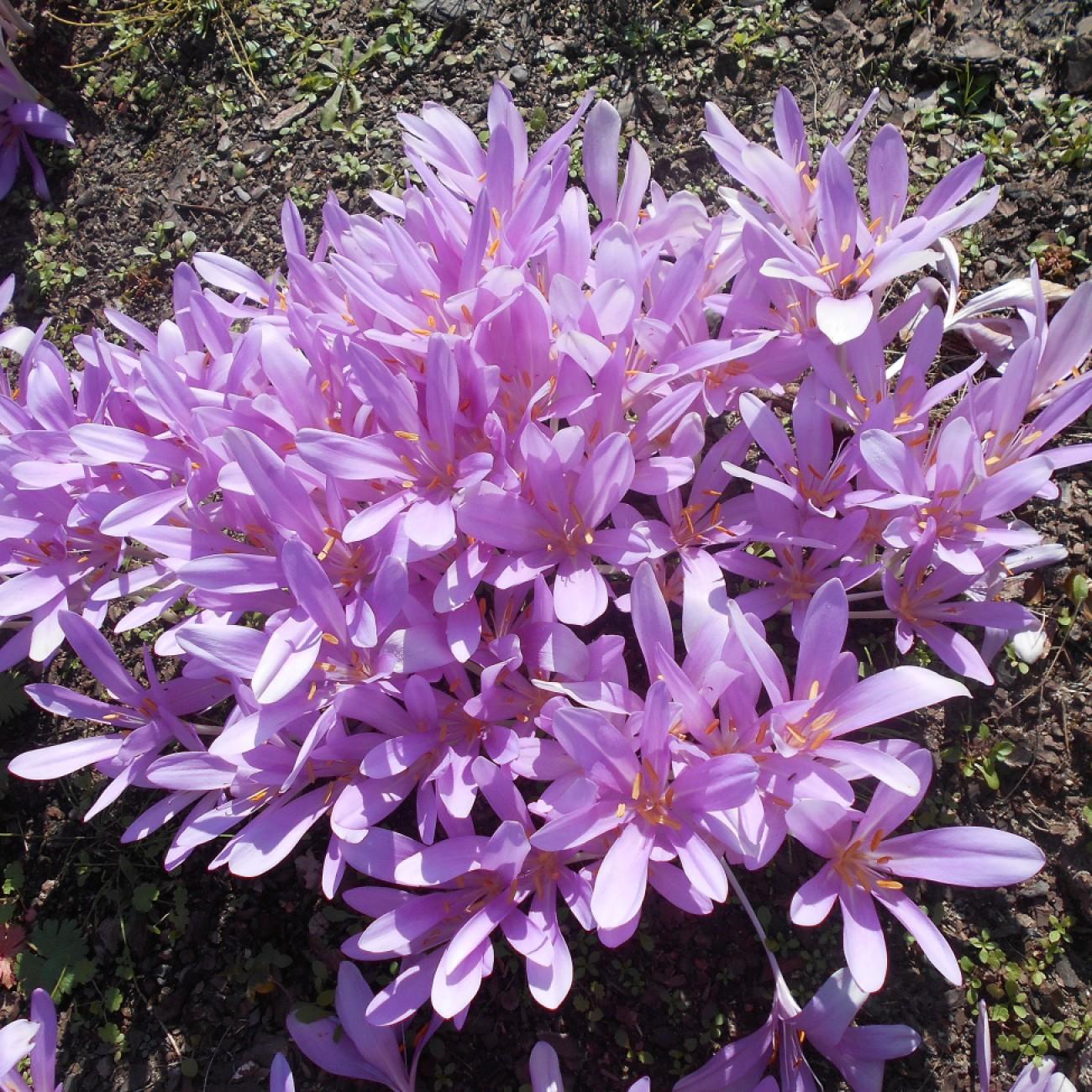
Crocus Sativus: The Complete Guide to Growing, Identifying, and Using Saffron Crocus
Learn all about Crocus sativus, the plant that produces saffron, the world’s most expensive spice. Find care tips, identification guides, and safe growing practices.
2026-06-18 · 9 min read
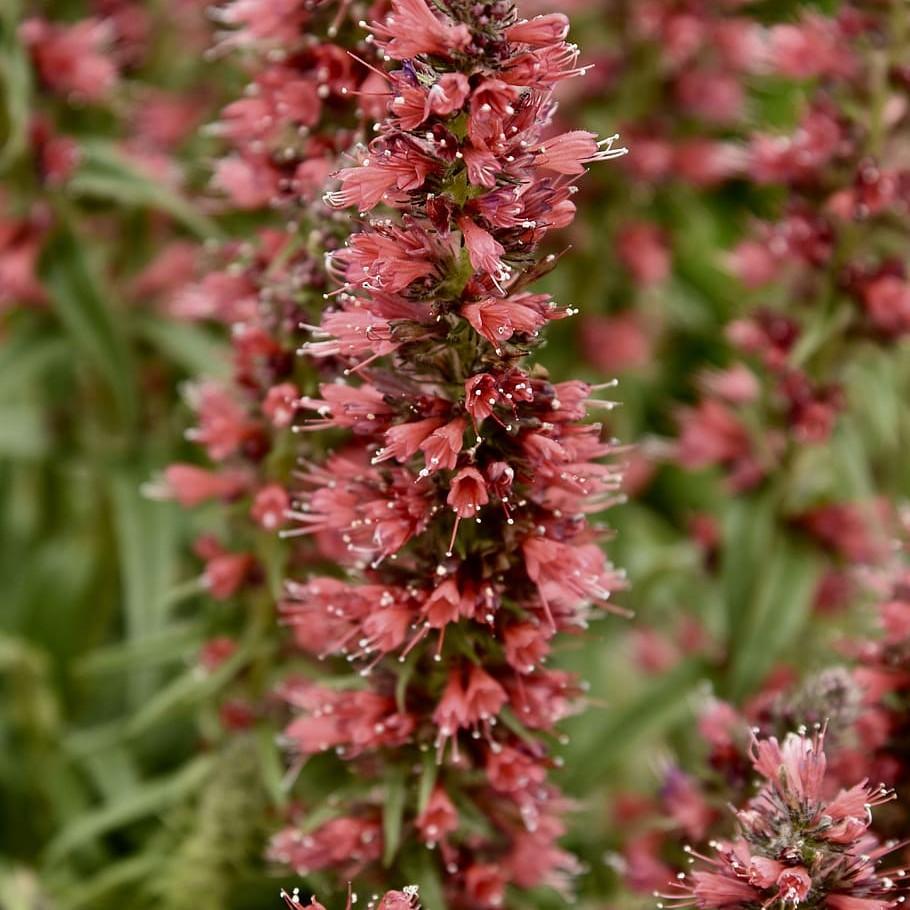
Echium amoenum: Care, Identification, Uses, and Growing Guide for Red Feathers
Learn how to grow, identify, and care for Echium amoenum (Red Feathers), a drought-tolerant, pet-safe flowering herb ideal for full-sun outdoor gardens.
2026-06-18 · 10 min read
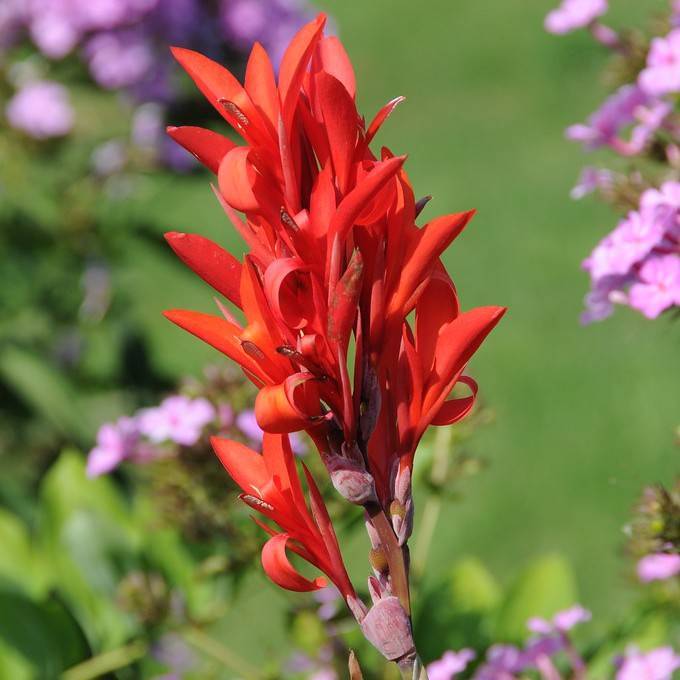
Canna Australia: Care Guide, Planting Tips, and Garden Uses for Australian Growers
Learn to grow, care for, and design with Canna 'Australia' — the bold, sun-loving foliage and orange flowering plant perfect for warm Australian gardens.
2026-06-17 · 20 min read