Fleurs de forêt : 7 variétés indigènes courantes à observer et à cultiver de manière responsable
Apprenez à identifier les fleurs de forêt courantes, à comprendre leurs conditions de culture et à faire pousser des variétés indigènes non toxiques pour les animaux de compagnie dans votre espace extérieur.

Qu'est-ce que les fleurs de forêt et pourquoi sont-elles importantes ?
Les fleurs de forêt sont des plantes à fleurs indigènes sauvages qui poussent naturellement dans les écosystèmes forestiers, adaptées aux conditions de lumière, de sol et d'humidité uniques des zones boisées. Contrairement aux variétés ornementales non indigènes sélectionnées pour leurs fleurs voyantes ou leur croissance uniforme, ces fleurs sauvages ont coévolué avec les pollinisateurs locaux, les oiseaux et la faune sauvage, ce qui en fait un fondement essentiel des réseaux alimentaires sains des forêts. Si vous apprenez encore les bases, notre présentation des différents types de fleurs est un point de départ utile.
De nombreuses variétés courantes ne sont pas toxiques pour les animaux de compagnie, ce qui en fait un choix à faible risque et à haut rendement pour les jardins familiaux. Lorsqu'elles sont plantées chez vous, elles soutiennent les mêmes populations de pollinisateurs locaux qui en dépendent dans la nature, renforçant la biodiversité locale bien au-delà des limites de la forêt.
7 variétés courantes à rechercher
Toutes les variétés ci-dessous ne sont pas toxiques pour les animaux de compagnie, sont largement répandues en Amérique du Nord et en Europe et sont faciles à identifier grâce à quelques caractéristiques clés. Si vous observez une fleur inconnue lors d'une promenade, vous pouvez utiliser Sproutly pour prendre une photo et obtenir une identification instantanée et précise sans perturber la plante.
Campanule adriatique (Campanula garganica 'Dickson's Gold')
- Caractéristiques d'identification : Tapis bas de feuillage doré vif, parsemé de petites fleurs en cloche bleu-violet en forme d'étoile.
- Zones de culture : 3 à 8
- Saison de floraison : Fin du printemps au début de l'été
- Se développe bien dans les clairières de forêt partiellement ombragées et les bords de forêts rocheux.
Achillée des Alpes (Achillea distans)
- Caractéristiques d'identification : Grappes de petites fleurs blanches ou rose pâle à sommet plat au sommet d'un feuillage vert parfumé ressemblant à de la fougère.
- Zones de culture : 3 à 9
- Saison de floraison : Milieu à fin d'été
- Souvent trouvée dans les prairies forestières ouvertes et ensoleillées et les bords de forêts de haute altitude.
Eupatoire perfoliée d'Amérique (Eupatorium perfoliatum 'Milk and Cookies')
- Caractéristiques d'identification : Tiges hautes et robustes avec des feuilles opposées qui enveloppent la tige, surmontées de grappes duveteuses de fleurs blanc crème.
- Zones de culture : 3 à 8
- Saison de floraison : Fin de l'été au début de l'automne
- Préfère les sols forestiers humides et partiellement ombragés près des ruisseaux ou des sources.
Abélia (Abelia 'Edward Goucher' ou 'Rose Creek')
- Caractéristiques d'identification : Arbustes compacts et arqués avec des feuilles vertes brillantes qui deviennent bronze à l'automne, recouverts de petites fleurs blanc ou rose pâle en forme d'entonnoir avec un parfum doux et léger.
- Zones de culture : 6 à 9
- Saison de floraison : Milieu de l'été au début de l'automne
- Pousse aux bords des forêts feuillues, tolérant à la fois l'ombre partielle et le plein soleil.
Marguerite africaine (Arctotis hybrida)
- Caractéristiques d'identification : Touffes basses de feuillage argenté et duveteux, avec de fleurs brillantes ressemblant à des marguerites dans des tons d'orange, jaune, blanc ou violet qui se ferment la nuit ou par temps couvert.
- Zones de culture : 8 à 11
- Saison de floraison : Fin du printemps au début de l'automne
- Se développe bien dans un sol sableux bien drainé dans les clairières de forêt ouvertes et ensoleillées.
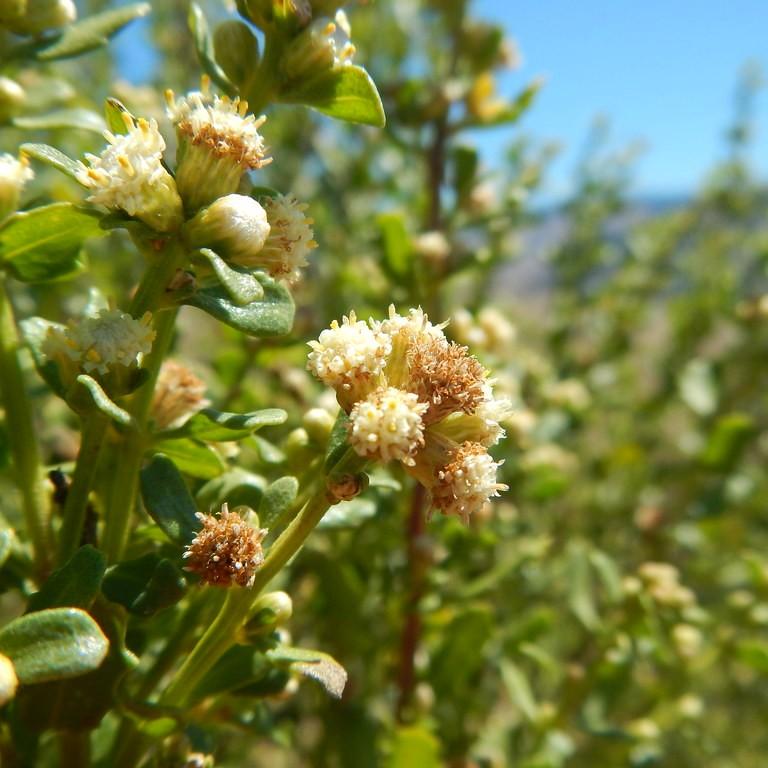
Ajanie (Ajania pacifica)
- Caractéristiques d'identification : Tapis bas et étalés de feuilles lobées vert argenté, surmontés de grappes de petites fleurs jaunes en forme de bouton à la fin de l'automne.
- Zones de culture : 5 à 9
- Saison de floraison : Fin de l'été au milieu de l'automne
- Présente sur les pentes forestières sèches et ombragées et les bords de forêts côtières.
Buddleia à feuilles alternes (Buddleja alternifolia)
- Caractéristiques d'identification : Arbuste à feuilles caduques avec de longues branches arquées couvertes de feuilles étroites vert grisâtre, bordées de grappes denses de petites fleurs violet-lavande parfumées.
- Zones de culture : 5 à 9
- Saison de floraison : Début à milieu d'été
- Pousse dans les bords de forêt ouverts et ensoleillés et les zones boisées perturbées.
Comment identifier des fleurs de forêt inconnues lors de randonnées
L'identification des fleurs sauvages de forêt est simple pour les débutants, à condition de se concentrer sur quelques détails observables clés et d'éviter de perturber les plantes au cours du processus. Suivez ces étapes pour une identification précise et à faible impact :
- Notez la couleur, la taille et la structure de la fleur : Est-ce une forme de cloche, une grappe plate, une seule fleur ressemblant à une marguerite ? Combien de pétales a-t-elle ?
- Vérifiez les feuilles : Sont-elles larges et arrondies, étroites et ressemblant à de l'herbe, duveteuses ou comme de la fougère ? Poussent-elles opposées les unes aux autres sur la tige ou alternent-elles ?
- Enregistrez le lieu de croissance : Est-ce sur un sol forestier sombre et ombragé, une clairière ensoleillée, près d'un ruisseau ou sur une pente rocheuse ?
- Notez la période de l'année : La saison de floraison est une caractéristique d'identification clé pour de nombreuses espèces.
Ne cueillez jamais de fleurs sauvages, car de nombreuses espèces sont protégées, et même les variétés courantes sont des sources de nourriture essentielles pour les abeilles, les papillons et les oiseaux locaux. Si vous ne pouvez pas identifier une fleur à partir de vos observations, utilisez la fonction d'identification des plantes de Sproutly pour confirmer l'espèce à l'aide d'une photo, sans avoir besoin de la cueillir.
Conseils éthiques pour interagir avec les fleurs sauvages de forêt
Une interaction responsable avec les plantes indigènes sauvages garantit que ces écosystèmes restent sains pour les années à venir. Suivez ces règles fondamentales chaque fois que vous rencontrez des fleurs sauvages dans leur habitat naturel :
- Ne cueillez jamais d'espèces protégées ou en voie de disparition. De nombreux groupes de conservation locaux publient des listes de plantes indigènes à risque pour votre région, donc consultez-les avant de partir en promenade.
- Si les règles locales autorisent une cueillette limitée d'espèces non protégées, laissez au moins 70 % d'un parterre intact pour soutenir les pollinisateurs et permettre aux plantes de se ressemer pour les années futures.
- Restez sur les sentiers balisés pour éviter de piétiner la végétation sous-bois délicate, même si cela signifie obtenir une photo légèrement moins bonne d'une fleur.
- Vérifiez les règles des parcs locaux avant de collecter tout matériel végétal. La cueillette est interdite dans la plupart des parcs étatiques et nationaux, ainsi que dans de nombreuses zones de conservation locales.
Comment cultiver des fleurs de forêt dans votre jardin
La plupart des fleurs sauvages de forêt se développent dans des conditions à faible entretien qui imitent leur habitat naturel, ce qui en fait un excellent choix pour les jardiniers qui ne veulent pas passer des heures à s'en occuper de manière contraignante. Suivez ces conseils généraux pour réussir :
- Procurez-vous des plantes auprès de pépinières indigènes réputées, ne déterrez jamais de plantes sauvages dans les zones forestières. Les plantes récoltées dans la nature ont souvent du mal à s'adapter aux conditions du jardin, et leur retrait endommage les écosystèmes locaux.
- Plantez à l'ombre partielle, idéalement avec 2 à 4 heures de lumière tamisée par jour, correspondant aux niveaux de lumière d'une clairière forestière typique.
- Utilisez un sol bien drainé et riche en matière organique, similaire au sol meuble et recouvert de litière de feuilles du sol forestier. Évitez les sols argileux lourds qui retiennent l'excès d'humidité.
- Plantez en touffes de 3 à 5 exemplaires de la même variété pour faciliter la recherche des fleurs par les pollinisateurs.
- Évitez de trop fertiliser. La plupart des fleurs sauvages indigènes de forêt sont adaptées à un sol pauvre en nutriments, et trop d'engrais entraînera une croissance feuillue avec peu de fleurs.
Toutes les variétés énumérées précédemment dans ce guide ne sont pas toxiques pour les animaux de compagnie, donc elles sont une excellente option pour les jardins où les chiens ou les chats se promènent sans surveillance. Si vous avez besoin d'aide pour trouver des espèces qui correspondent aux conditions spécifiques de votre jardin, la bibliothèque de soins aux plantes de Sproutly propose des recommandations adaptées à votre zone de rusticité, à vos niveaux de lumière et au statut de vos animaux de compagnie.
Problèmes de soins courants pour les fleurs sauvages de forêt plantées ou en pot
Bien que ces variétés soient peu contraignantes, elles peuvent rencontrer de petits problèmes si leurs conditions de culture ne correspondent pas à leur habitat naturel. Essayez ces solutions de dépannage simples :
- Les feuilles jaunes signalent souvent trop de soleil direct. Déplacez les plantes en pot vers un endroit plus ombragé, ou plantez un petit arbuste à proximité pour filtrer la lumière pour les spécimens en pleine terre.
- Une croissance rabougrie ou des tiges pourries peuvent provenir d'un excès d'arrosage. Laissez sécher complètement les 2 premiers centimètres de sol entre les arrosages, et amendez le sol lourd avec du compost pour améliorer le drainage.
- L'absence de fleurs peut être causée par trop d'engrais azoté ou un manque de lumière solaire. Arrêtez complètement de fertiliser, et taillez les branches surplombantes si l'emplacement de plantation reçoit moins de 2 heures de lumière tamisée par jour.
Pour des conseils de soins spécifiques à l'espèce, recherchez votre plante dans l'encyclopédie des plantes de Sproutly pour obtenir des calendriers d'arrosage adaptés, des exigences en matière de lumière et des conseils de résolution de problèmes.
Réflexions finales sur l'appréciation et la protection des fleurs de forêt
Les fleurs de forêt sont une partie petite mais essentielle des écosystèmes forestiers, soutenant des milliers d'espèces de pollinisateurs, d'oiseaux et d'insectes qui maintiennent les forêts en bonne santé. Avec quelques conseils d'identification simples, vous pouvez repérer les variétés courantes lors de promenades, et même les cultiver de manière responsable dans votre propre jardin pour étendre ce soutien à l'habitat de votre région locale.
Si vous repérez un parterre particulièrement vibrant de fleurs sauvages lors d'une promenade, pensez à partager des photos sur les réseaux sociaux et à taguer des groupes de conservation locaux pour sensibiliser aux efforts de protection des plantes indigènes dans votre région.
FAQ
Toutes ces fleurs de forêt sont-elles sans danger pour les animaux de compagnie ? De nombreuses variétés courantes de fleurs de forêt ne sont pas toxiques pour les animaux de compagnie, notamment l'abélia, la campanule adriatique et l'achillée des Alpes, mais certaines espèces sauvages peuvent être toxiques. Si vous n'êtes pas sûr de l'identité d'une plante, utilisez Sproutly pour confirmer sa toxicité avant de laisser votre chien ou votre chat s'en approcher.
Puis-je déterrer des fleurs sauvages pour les planter dans mon jardin ? Non, déterrer des fleurs indigènes sauvages peut endommager les écosystèmes locaux et peut être illégal dans les zones protégées. Achetez toujours des variétés indigènes auprès de pépinières réputées qui multiplient les plantes de manière responsable au lieu de les récolter dans la nature.
Quelle est la différence entre ces fleurs de forêt et les fleurs de jardin ordinaires ? Les fleurs de forêt sont indigènes aux habitats forestiers, adaptées aux conditions de faible luminosité et soutiennent les pollinisateurs locaux et la faune qui ont coévolué avec elles. De nombreuses fleurs de jardin sont des variétés ornementales non indigènes sélectionnées pour leur apparence plutôt que pour leur soutien à l'écosystème.
Comment faire fleurir ces fleurs sauvages indigènes dans mon jardin ombragé ? La plupart de ces espèces n'ont besoin que de 2 à 4 heures de lumière tamisée par jour pour fleurir. Évitez de trop fertiliser, car cela peut entraîner une croissance feuillue au lieu de fleurs, et plantez-les dans un sol bien drainé qui imite le sol meuble et organique du sol forestier.
Essayez Sproutly
Que vous identifiiez des fleurs sauvages lors d'une promenade, que vous résolviez des problèmes de soins pour des plantes indigènes dans votre jardin ou que vous recherchiez des variétés indigènes non toxiques pour les animaux de compagnie à ajouter à votre jardin, Sproutly vous couvre. Notre outil d'identification des plantes peut confirmer plus de 10 000 espèces en quelques secondes, et notre bibliothèque de soins comprend des conseils adaptés pour des centaines de plantes indigènes de forêt. Essayez Sproutly dès aujourd'hui pour rendre le soin des plantes indigènes plus simple que jamais.
Lectures associées
D'autres guides qui pourraient vous plaire
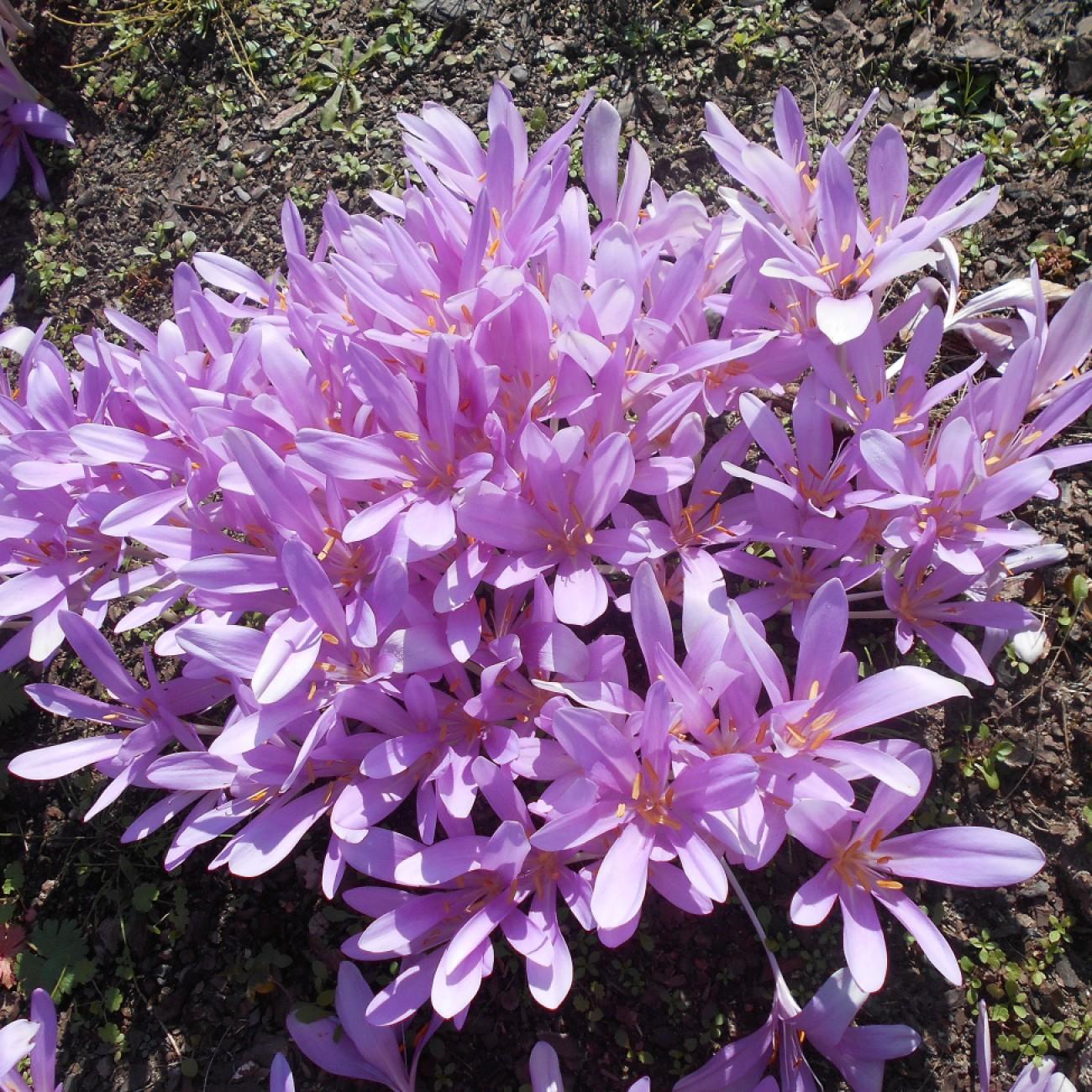
Crocus Sativus: The Complete Guide to Growing, Identifying, and Using Saffron Crocus
Learn all about Crocus sativus, the plant that produces saffron, the world’s most expensive spice. Find care tips, identification guides, and safe growing practices.
2026-06-18 · 9 min read
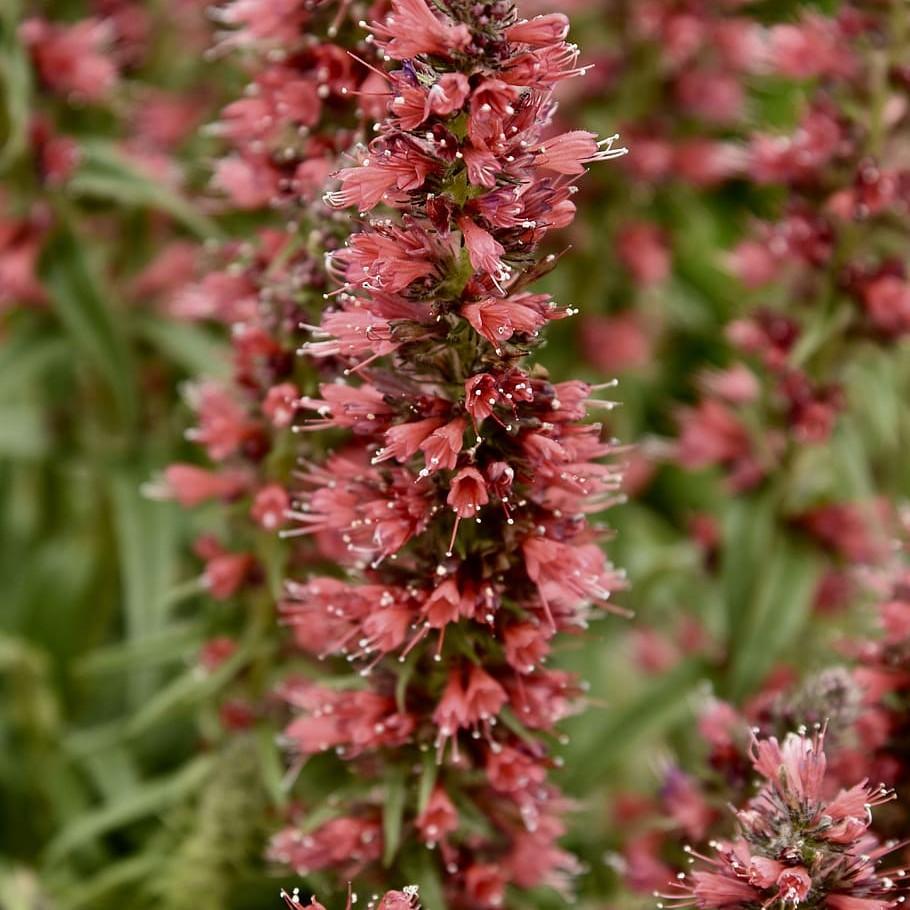
Echium amoenum: Care, Identification, Uses, and Growing Guide for Red Feathers
Learn how to grow, identify, and care for Echium amoenum (Red Feathers), a drought-tolerant, pet-safe flowering herb ideal for full-sun outdoor gardens.
2026-06-18 · 10 min read
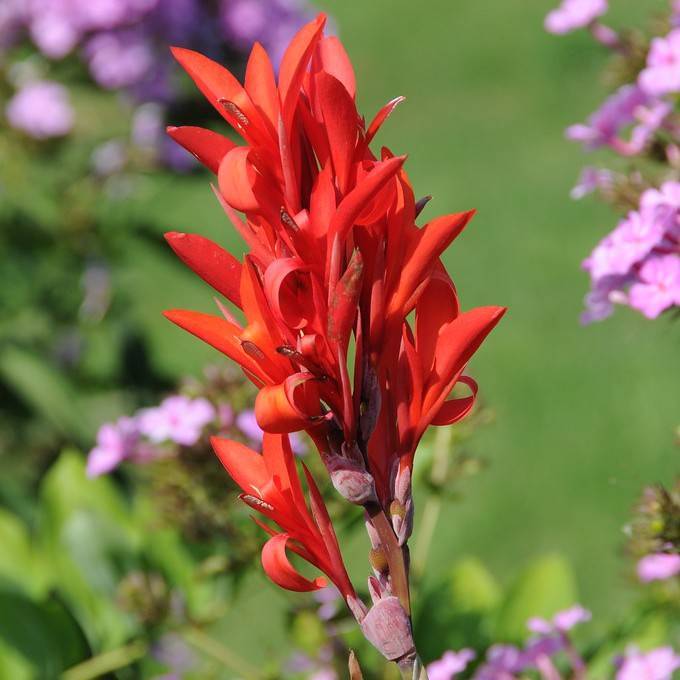
Canna Australia: Care Guide, Planting Tips, and Garden Uses for Australian Growers
Learn to grow, care for, and design with Canna 'Australia' — the bold, sun-loving foliage and orange flowering plant perfect for warm Australian gardens.
2026-06-17 · 20 min read