Cómo identificar una hortensia por su hoja: características clave para diferenciarla de plantas parecidas
Aprende a identificar una hortensia por su hoja con consejos sencillos para principiantes, para reconocer sus rasgos únicos y evitar confundirla con plantas que se le parecen habitualmente.
Cómo identificar una hortensia por su hoja: características clave para diferenciarla de plantas parecidas
Si alguna vez te has quedado mirando un arbusto de hoja ancha en tu jardín o en un nuevo parterre preguntándote si es una hortensia, no eres el único. La mayoría de las guías de identificación se centran en la forma y el color de las flores, pero las hortensias solo florecen unos pocos meses de la temporada de crecimiento, lo que deja a muchos jardineros con dudas el resto del año. Aprender a identificar una hortensia por su hoja es la forma más fiable de confirmar la identidad de la planta durante todo el año, tanto si estás clasificando arbustos heredados en el paisaje, evaluando plántulas espontáneas o eligiendo arbustos sin etiquetar en un intercambio de plantas local.
Esta guía se centra exclusivamente en características específicas de las hojas, así que no tienes que esperar a que florezca para saber con qué planta estás tratando. Cubriremos las características básicas comunes a todas las variedades habituales de hortensia, las diferencias sutiles entre los tipos más populares, cómo diferenciarlas de plantas parecidas comunes y un proceso sencillo paso a paso que puedes usar hoy mismo. Si necesitas una confirmación adicional, Sproutly es una herramienta muy útil para comprobar tu identificación una vez que hayas observado los rasgos de la hoja por tu cuenta.
Por qué identificar una hortensia por su hoja (incluso cuando no florece)
Las flores de hortensia son icónicas, pero solo aparecen desde finales de primavera hasta principios de otoño, dependiendo de la variedad y tu zona de cultivo. Durante el resto del año, las características de las hojas son el único marcador constante que puedes usar para confirmar la identidad de la planta. Esto es especialmente útil si te acabas de mudar a una casa nueva con arbustos establecidos desconocidos, si encuentras una plántula espontánea que ha salido cerca de una hortensia existente o si estás comprando plantas sin etiquetar a pequeños vendedores locales.
Identificar mal un arbusto puede llevar a un cuidado deficiente sin querer: las hortensias tienen necesidades específicas de riego, luz solar y poda que difieren significativamente de las de plantas parecidas, por lo que acertar en la identificación evita esfuerzos desperdiciados y mantiene tu planta sana. Puedes usar la identificación por hoja para plantas de vivero en maceta, plántulas jóvenes y arbustos completamente maduros por igual. Si sigues sin estar seguro después de revisar los rasgos que se describen a continuación, un escaneo rápido con Sproutly resolverá la confusión en segundos.
Características foliares básicas para identificar una hortensia por su hoja
Casi todas las variedades comunes de hortensia comparten cuatro características foliares clave que las diferencian de otros arbustos de hoja ancha. Comprobar las cuatro juntas, en lugar de confiar solo en una, es la forma más fiable de confirmar la identificación.
Forma de la hoja y bordes
La mayoría de las hojas de hortensia son ovadas, es decir, son más anchas en la base y se estrechan hasta una punta distintiva en el extremo. Los bordes de la hoja son uniformemente serrados, o dentados, con pequeñas muescas regulares que van desde la base hasta la punta puntiaguda. La única excepción es la hortensia de hoja de roble, que tiene hojas lobuladas, pero sigue compartiendo los otros tres rasgos básicos que se enumeran a continuación.
Textura de la hoja
Las hojas de hortensia tienen una superficie suave, ligeramente mate o sutilmente peluda, en lugar de un acabado grueso y brillante. Las nervaduras prominentes salen del tallo central de la hoja hacia los bordes, y están ligeramente levantadas en la parte inferior de la hoja, lo que le da una sensación texturizada cuando pasas el dedo por ella. Las hojas jóvenes pueden ser un poco más tiernas y brillantes que las maduras, pero seguirán teniendo estas nervaduras distintivas.
Disposición de las hojas
Uno de los marcadores más constantes de las hortensias es su disposición foliar: las hojas crecen directamente opuestas entre sí en el tallo, en lugar de escalonadas (alternas) a lo largo de la rama. Si miras un tramo de tallo, verás una hoja que crece a la izquierda, otra directamente enfrente a la derecha, y luego un espacio antes del siguiente par de hojas. Este es un rasgo constante en todas las variedades de hortensia, incluso en aquellas con formas de hoja inusuales.
Tamaño de la hoja
La mayoría de las hojas maduras de hortensia miden entre 10 y 20 cm de largo, dependiendo de la variedad y las condiciones de cultivo. Las plántulas jóvenes y las hojas de primavera recién salidas serán más pequeñas, pero las hojas de tamaño completo de una planta madura se encontrarán dentro de este rango.
Si has comprobado los cuatro rasgos y coinciden, probablemente tienes una hortensia. Para mayor seguridad, puedes hacer una foto de la hoja y usar Sproutly para verificar tu identificación e incluso determinar la variedad exacta.
Diferencias foliares entre las variedades comunes de hortensia
Una vez que confirmes que tienes una hortensia, puedes usar variaciones foliares sutiles para averiguar de qué tipo se trata, lo que te ayudará a ajustar su cuidado en consecuencia. Todas estas variedades siguen cumpliendo los rasgos foliares básicos de las hortensia que se han descrito anteriormente, así que puedes usar los marcadores comunes primero antes de comprobar los detalles específicos de cada variedad.
- Hortensia de hoja grande (Hydrangea macrophylla): La hortensia de jardín más común, con hojas más gruesas y brillantes que otras variedades, a menudo con una base ligeramente en forma de corazón. Son las variedades cuyo color de flor cambia según el pH del suelo.
- Hortensia de panícula (Hydrangea paniculata): Tiene hojas más estrechas y alargadas que las hortensias de hoja grande, con una textura mate, menos brillante. Las hortensias de panícula son la variedad más tolerante al sol.
- Hortensia lisa (Hydrangea arborescens): Tiene hojas anchas, casi redondas, con una parte inferior muy suave y peluda. Estas variedades producen flores blancas grandes y redondas.
- Hortensia de hoja de roble (Hydrangea quercifolia): La única hortensia con hojas lobuladas distintivas con forma de hoja de roble. Su follaje se vuelve de color rojo intenso o morado en otoño, lo que las hace fáciles de identificar en esta estación.
Plantas comunes que se confunden con hortensias (cómo diferenciarlas)
Muchos jardineros principiantes confunden las hortensias con otros arbustos de hoja ancha y árboles pequeños, especialmente cuando las plantas son jóvenes y no florecen. Las plantas parecidas más comunes son las variedades de arce, que pueden tener bordes de hoja serrados similares, pero tienen diferencias clave que las hacen fáciles de distinguir con una mirada cercana.
Variedades de arce
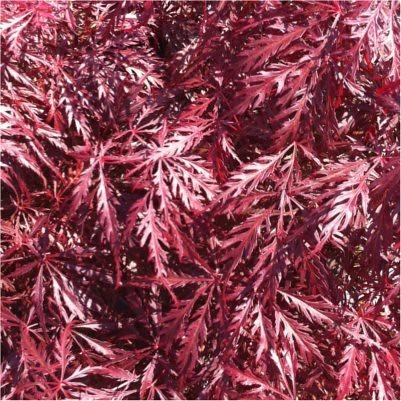
La mayoría de las hojas de arce tienen lóbulos palmeados profundos distintivos que las hortensias estándar (excepto la de hoja de roble) no tienen. Incluso las variedades de arce con lóbulos menos pronunciados, como el Arce de Amur, tienen una textura foliar más fina y delicada que las hortensias. Las variedades de arce japonés de hoja encajada como el Arce japonés Ever Red de hoja calada y el Arce japonés de hoja de cinta tienen hojas muy finamente divididas que no se parecen en nada a las hojas anchas y sólidas de la mayoría de las hortensias. Si estás intentando diferenciar una hortensia de hoja de roble de un arce, comprueba la textura de la hoja: las hojas de la hortensia de hoja de roble tienen una parte inferior suave y peluda, mientras que las hojas de arce son más lisas y a menudo más brillantes.
Viburno
Los vibornos son otra planta parecida común, ya que muchas variedades tienen hojas anchas con bordes serrados. Las diferencias clave son la textura y la disposición: las hojas de viburno suelen ser más gruesas y brillantes que las de hortensia, con serraciones menos prominentes. Algunas variedades de viburno también tienen una disposición foliar escalonada (alterna) en lugar de la disposición opuesta que comparten todas las hortensias.
Si estás indeciso entre una hortensia y una planta parecida, puedes usar Sproutly para escanear la hoja y obtener una identificación rápida y precisa, sin tener que adivinar.
Proceso paso a paso para identificar una hortensia por su hoja
Usa este sencillo proceso de 4 pasos para identificar cualquier planta desconocida como hortensia usando solo sus hojas, sin necesidad de flores:
- Comprueba la disposición de las hojas en un tramo maduro del tallo. ¿Las hojas crecen directamente una frente a la otra en pares, o escalonadas a lo largo del tallo? Las hortensias siempre crecen en pares opuestos.
- Inspecciona la forma y los bordes de la hoja. ¿Observas una forma ovada puntiaguda (o lobulada en el caso de la hortensia de hoja de roble) con bordes serrados uniformes? Si las hojas tienen lóbulos profundos o bordes lisos, probablemente no sea una hortensia estándar.
- Toca la textura de la hoja y comprueba las nervaduras. ¿La hoja tiene una superficie suave, ligeramente mate o peluda, con nervaduras prominentes y levantadas que llegan hasta los bordes? Las hojas gruesas y brillantes sin nervaduras levantadas distintivas no son hojas de hortensia.
- Contrasta con los rasgos específicos de cada variedad si sospechas que se trata de un tipo concreto de hortensia. Por ejemplo, si la hoja es lobulada, comprueba el color otoñal para confirmar que es una hortensia de hoja de roble en lugar de un arce.
Si cualquiera de estos pasos no coincide, probablemente la planta no sea una hortensia. Puedes consultar la sección de plantas parecidas de más arriba o usar una herramienta de identificación de plantas para confirmar.
Qué hacer después de identificar tu hortensia
Una vez que confirmes que tienes una hortensia, el siguiente paso es determinar la variedad exacta, ya que los diferentes tipos tienen necesidades de cuidado ligeramente distintas. Las hortensias de hoja grande, por ejemplo, necesitan sombra parcial y humedad constante para crecer bien, mientras que las hortensias de panícula toleran el sol directo y condiciones más secas. El momento de la poda también varía según la variedad: algunas hortensias florecen en madera vieja (crecimiento del año anterior), mientras que otras florecen en madera nueva (crecimiento de la temporada actual), por lo que podar en el momento equivocado puede eliminar accidentalmente las flores del año siguiente.
La aplicación Sproutly no solo te ayuda a identificar las hortensias por su hoja, sino que también te proporciona recordatorios de cuidado personalizados adaptados a tu variedad exacta de hortensia, incluyendo cuándo regar, abonar y podar para fomentar la floración completa cada año.
Consejos finales para una identificación foliar precisa
Para evitar errores comunes de identificación, ten en cuenta estas sencillas buenas prácticas:
- Comprueba varias hojas de la misma planta. Las hojas jóvenes recién salidas pueden tener formas o texturas ligeramente diferentes a las hojas completamente maduras, así que inspecciona las hojas de la mitad de un tallo maduro para obtener los rasgos más precisos.
- Observa la planta a lo largo de las estaciones si es posible. El color rojo intenso otoñal de la hortensia de hoja de roble es una pista muy clara, por ejemplo, y muchas variedades de hortensia pierden las hojas en invierno, mientras que algunas plantas parecidas de hoja perenne no lo hacen.
- Contrasta siempre varios rasgos en lugar de confiar solo en uno. Los bordes serrados por sí solos no hacen que una planta sea una hortensia, pero la disposición opuesta, los bordes serrados, la textura suave y la forma ovada juntas son un indicador muy fiable.
Si sigues sin estar seguro después de seguir estos pasos, un escaneo rápido con Sproutly resolverá la confusión en segundos.
Preguntas frecuentes
¿Qué aspecto tiene una hoja de hortensia frente a una hoja de arce?
La mayoría de las hojas de hortensia comunes son ovadas con una punta puntiaguda y bordes finamente serrados, sin lóbulos profundos (excepto la hortensia de hoja de roble). La mayoría de las hojas de arce tienen lóbulos palmeados profundos distintivos, y muchas variedades de arce tienen una textura foliar mucho más fina y delicada que las hortensias.
¿Se puede identificar una hortensia por su hoja cuando la planta no florece?
¡Sí! Los rasgos foliares son la forma más fiable de identificar las hortensias durante todo el año, incluso cuando no hay flores presentes. Busca la disposición foliar opuesta, la forma ovada puntiaguda, los bordes serrados y la textura suave, ligeramente mate, con nervaduras prominentes.
¿Todas las variedades de hortensia tienen la misma forma de hoja?
No, hay pequeñas variaciones entre los tipos: las hortensias de hoja de roble tienen hojas lobuladas distintivas con forma de hoja de roble, las hortensias de panícula tienen hojas más estrechas y alargadas, y las hortensias de hoja grande tienen hojas más gruesas y brillantes. Todas siguen compartiendo los rasgos foliares básicos de las hortensias como la disposición opuesta y los bordes serrados.
¿Hay alguna herramienta que me ayude a identificar una hortensia por su hoja rápidamente?
Sí, la aplicación Sproutly te permite escanear una foto de la hoja de una planta para confirmar rápidamente si es una hortensia, e incluso determinar la variedad exacta para que puedas obtener consejos de cuidado personalizados para tu planta.
Prueba Sproutly hoy mismo
¿Listo para confirmar la identidad de tu planta y obtener consejos de cuidado personalizados adaptados a tu variedad exacta de hortensia? Prueba Sproutly hoy mismo para escanear hojas, seguir el crecimiento de tu planta y obtener recordatorios personalizados de riego, abono y poda para ayudar a tu jardín a prosperar.
Lecturas relacionadas
Más guías que podrían interesarte
Wild Flower Names: 8 Common, Distinct Species to Identify and Grow
Learn common wild flower names, key identifying traits, and growing tips for popular native and ornamental species perfect for pollinator gardens and low-maintenance landscapes.
2026-06-24 · 10 min read
Watermelon: Complete Growing, Nutrition, and Usage Guide
Learn how to grow watermelon, plus its nutrition, health benefits, varieties, and potential side effects in this comprehensive, beginner-friendly guide.
2026-06-23 · 12 min read
8 Unique Plant Species to Grow in Full-Sun Outdoor Spaces (All Pet-Safe)
Explore low-fuss, pet-safe plant species for full-sun outdoor gardens, from trailing groundcovers to flowering shrubs that thrive with minimal upkeep.
2026-06-23 · 8 min read