Common Florida Weeds: How to Identify and Manage Unwanted Yard Growth
Spot the most common Florida weeds in your yard, tell them apart from desirable native plants, and learn safe, easy control methods for your Florida landscape.
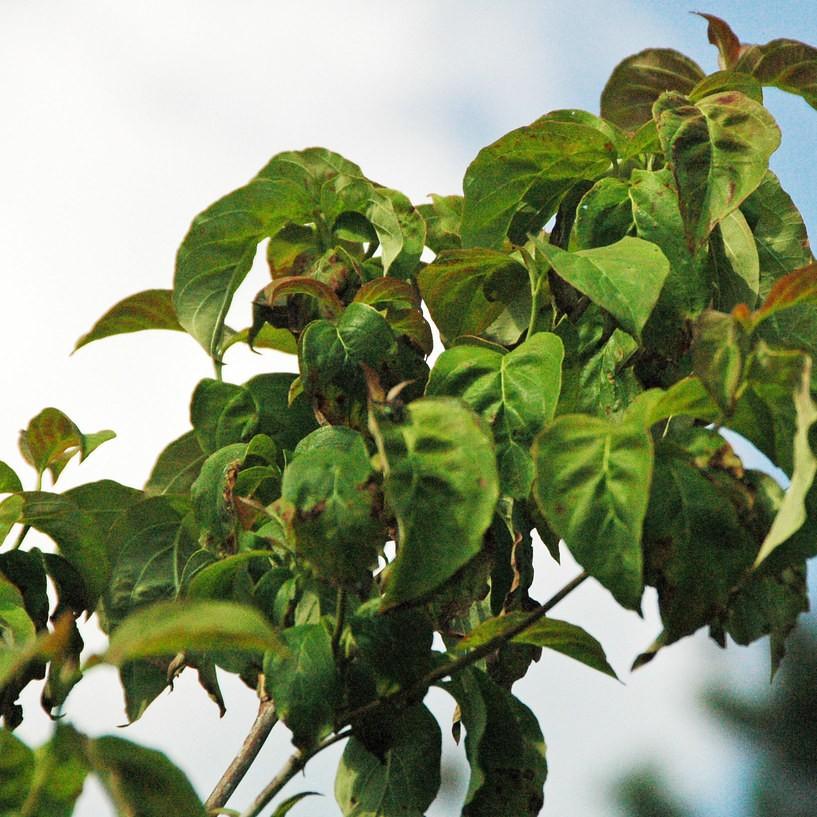
Common Florida Weeds: How to Identify and Manage Unwanted Yard Growth
Florida’s warm, humid climate is a dream for growing tropical flowers, lush lawns, and fresh vegetable gardens—but it’s also the perfect environment for unwanted plants to thrive year-round. Learning to spot common Florida weeds is key to keeping your landscape healthy without wasting time, money, or accidentally removing beneficial native species that support local ecosystems. That same warm, humid climate also supports stunning ornamentals—see our guide to Florida flowering trees identification for the showy varieties worth planting and keeping.
Misidentifying these uninvited guests can lead to ineffective control treatments, damage to your desirable lawn and garden plants, or even the loss of pollinator-friendly natives that are adapted to Florida’s heat and rainfall patterns. Many of these unwanted plants spread aggressively by seed or underground rhizomes, so catching them early prevents small patches from turning into yard-wide infestations that take months to resolve.
10 Most Common Florida Weeds to Look For
Below are the most widespread unwanted plants you’re likely to encounter in your Florida yard, with key ID tips to tell them apart from desired growth:
Crabgrass
- Identifying features: Light green, wide-bladed grass that grows in low, spreading clumps. Seed heads look like thin, curved “fingers” at the top of stems.
- Where it grows: Thrives in thin lawn areas, full sun, and sandy soil.
- Growing season: Germinates in early spring and grows through late fall in most parts of the state.
Dollarweed (Pennywort)
- Identifying features: Round, glossy, bright green leaves with a slight indentation where the stem attaches, roughly the size of a silver dollar. Small white flowers appear on tall stems in summer.
- Where it grows: Thrives in soggy, overwatered lawns, flower beds, and low-lying wet areas.
- Growing season: Year-round in frost-free parts of Florida.
Florida Pusley (Richardia scabra)
- Identifying features: Low-growing, hairy stems with small, oval leaves and clusters of tiny white star-shaped flowers. Grows in tight mats close to the ground.
- Where it grows: Lawns, disturbed soil, and dry, sunny areas.
- Growing season: Warm spring through fall.
Sandspur (Cenchrus)
- Identifying features: Thin, grass-like blades with sharp, spiky burrs that stick to clothing and pet fur. Grows in clumps in low, sparse patches.
- Where it grows: Sandy, well-drained soil, coastal yards, and thin lawn areas.
- Growing season: Summer and early fall.
Air Potato (Dioscorea bulbifera)
- Identifying features: Fast-growing vining plant with heart-shaped leaves and round, potato-like bulbils that grow along the stem. Can climb 70 feet or more into trees, smothering native foliage.
- Where it grows: Wooded edges, fence lines, and shaded yard areas.
- Growing season: Warm, wet summer months.
Doveweed
- Identifying features: Low-growing, fleshy stems with narrow, pointed leaves and small purple or blue flowers. Grows in dense mats that crowd out lawn grass.
- Where it grows: Moist, overwatered lawns and shaded areas.
- Growing season: Mid-summer through early fall.
Chamberbitter
- Identifying features: Small, fern-like leaves arranged in pairs along thin, upright stems. Tiny round seed pods grow under the leaves, exploding when mature to spread seeds up to 10 feet away.
- Where it grows: Flower beds, potted plants, and disturbed soil.
- Growing season: Warm, wet summer months.
Spurge
- Identifying features: Low-growing, mat-forming plant with small, oval leaves and a milky sap that leaks when stems are broken. Tiny white or green flowers appear at the center of leaf clusters.
- Where it grows: Dry, sunny lawn areas, walkway cracks, and flower beds.
- Growing season: Spring through fall.
Virginia Creeper
- Identifying features: Climbing vine with five-leaflet clusters (often confused with three-leaflet poison ivy) and dark blue berries in fall. Can climb walls and trees, causing damage to siding or native foliage.
- Where it grows: Shaded yard edges, wooded lots, and fence lines.
- Growing season: Year-round in warm parts of the state.
Broadleaf Plantain
- Identifying features: Low rosette of wide, oval leaves with prominent parallel veins. Tall, thin seed spikes grow from the center of the rosette in summer.
- Where it grows: Compacted soil, high-traffic lawn areas, and flower beds.
- Growing season: Year-round in frost-free zones.
Common Florida Weeds vs. Beneficial Native Plants You Want to Keep
One of the most common mistakes Florida homeowners make is pulling native saplings and wildflowers, assuming they are unwanted growth. Many native species are drought-tolerant, support local bees and butterflies, and are completely safe for pets, making them valuable additions to your landscape.
The most frequent mix-up is between young dogwood saplings and broadleaf unwanted plants. Dogwood seedlings have oval, pointed leaves with visible veins, similar to some broadleaf weed varieties, but they will mature into small, flowering trees that produce showy white or pink blooms in spring. Popular pet-safe dogwood varieties include the pet-safe Cherokee Brave Flowering Dogwood with deep pink blooms, and the Cherokee Princess Flowering Dogwood with bright white flowers, both of which thrive in Florida’s partial sun and well-drained soil.
Other common mix-ups include native wildflowers like coreopsis and milkweed, which are often mistaken for unwanted growth when they first sprout, and pet-safe clematis varieties for Florida gardens, which can look similar to vining unwanted plants like air potato when young.
If you’re unsure if a plant is an unwanted guest or a desirable native, Sproutly’s plant identification tool can help you confirm in seconds. Just snap a photo of the leaves, stem, and any flowers or fruit, and the app will provide a clear identification, plus details on whether the plant is beneficial, pet-safe, or invasive.
Safe, Effective Control Methods for Unwanted Yard Growth
Once you’ve confirmed a plant is an unwanted invader, choose a control method that fits your landscape preferences and works for Florida’s unique climate:
Manual Removal
Best for small, scattered infestations, manual removal is completely chemical-free and avoids risk to desirable plants.
- Pull weeds within 24 hours of heavy rain, when the soil is loose, to remove the entire root system (broken rhizomes can regrow into new plants).
- For taprooted varieties like broadleaf plantain, use a small weeding tool to loosen the soil around the root before pulling to avoid breaking it off.
- Dispose of pulled plants in yard waste bags, not your compost pile, as many seeds can survive composting temperatures and spread when you use the compost later.
Organic Control
For larger infestations where manual removal is impractical, organic options are low-risk for pets, pollinators, and local waterways:
- Vinegar spray: A 10-20% vinegar solution sprayed directly on weed leaves will kill foliage within a few days. Apply only on sunny, dry days, and avoid spraying desirable plants, as vinegar will kill any foliage it touches. Do not apply before rain, as runoff will reduce effectiveness and may carry vinegar into nearby soil.
- Corn gluten meal: A natural pre-emergent that stops weed seeds from germinating. Apply in late winter or early spring before seeds sprout, and water lightly to activate. Avoid using in areas where you plan to sow grass seed or garden seeds, as it will prevent those from germinating too.
- Mulch topdressing: Add a 2-3 inch layer of wood chip or pine straw mulch to flower beds to smother existing small weeds and block sunlight from reaching new seeds.
Selective Chemical Control
For persistent lawn infestations, selective herbicides target unwanted broadleaf or grassy weeds without harming most common Florida lawn grasses like St. Augustine.
- Always check the product label to confirm it is safe for your specific lawn grass type, and follow all application rates and timing instructions carefully.
- Apply herbicides during dry, calm days to avoid drift onto desirable plants and runoff into local storm drains.
- Avoid applying herbicides during peak pollinator season (mid-spring through early summer) when bees and butterflies are most active, or apply only in the early morning or late evening when pollinators are not foraging.
Preventing Unwanted Growth From Coming Back
The most effective way to manage unwanted plants is to prevent them from establishing in the first place, using Florida-specific strategies tailored to the state’s climate:
- Mow your St. Augustine grass to a height of 3-4 inches. Taller grass shades the soil, preventing weed seeds from getting the sunlight they need to germinate, and develops a deeper root system that outcompetes unwanted growth.
- Avoid overwatering your lawn. Most Florida lawns only need 1-1.5 inches of water per week, including rainfall. Overwatering creates soggy soil that dollarweed, doveweed, and other moisture-loving unwanted plants thrive in.
- Fill bare lawn spots with sod or native groundcovers. Bare soil is an open invitation for weed seeds to blow in and take root. Native groundcovers like beach sunflower or wild petunia grow densely, outcompeting unwanted plants and supporting pollinators.
- Inspect new potted plants and soil additions for weed roots or seeds before planting them in your yard. Many infestations start with unwanted plants hitchhiking in nursery soil.
When to Leave Unwanted Plants (And When to Remove Them)
Not all non-native or fast-growing plants need to be removed immediately. Some common unwanted plants have beneficial uses: dandelion greens are edible and can be harvested for salads, while clover provides nectar for pollinators and fixes nitrogen in the soil to support surrounding grass growth.
Only remove unwanted plants if:
- They are crowding out desirable lawn, garden, or native plants
- They are toxic to pets or humans (like poison ivy, castor bean, or jimsonweed)
- They are classified as invasive species by the Florida Fish and Wildlife Conservation Commission (like air potato), which spread aggressively to natural areas and harm local ecosystems
- They are spreading to neighboring yards or public property
If you’re unsure if a plant is invasive or beneficial, Sproutly’s identification tool includes information on a plant’s status in Florida, so you can make an informed choice.
Easily Identify Any Plant in Your Florida Yard With Sproutly
Trying to tell apart unwanted growth from beneficial native plants can feel overwhelming, especially for new Florida homeowners who are not familiar with the state’s unique plant life. If you spot an unknown plant in your yard, you can snap a photo with the Sproutly app to confirm if it’s a common Florida weed, a native plant, or a garden plant you want to keep.
Sproutly also shares tailored care tips for desirable plants and safe, climate-appropriate removal guidance for unwanted growth, so you can make the best choice for your landscape without guesswork.
FAQ
What are the most common Florida weeds in lawns?
The most widespread lawn weeds in Florida include crabgrass, dollarweed, Florida pusley, sandspur, and doveweed. These thrive in the state’s warm temperatures, frequent rainfall, and common St. Augustine grass lawns.
Are there any common Florida weeds that are toxic to pets?
Some common Florida weeds like castor bean, poison ivy, and jimsonweed are toxic to dogs and cats if ingested or touched. If you’re unsure about a plant in your yard, use Sproutly to identify it and confirm if it’s pet-safe.
When is the best time to control common Florida weeds?
Pre-emergent weed control products work best applied in late winter or early spring before weed seeds germinate. For existing weeds, pull or treat them in early spring before they flower and spread new seeds across your yard.
How do I tell a common Florida weed apart from a native plant?
Look for key identifying features like leaf shape, flower color, and growth habit. If you’re unsure, snap a photo of the plant with the Sproutly app for fast, accurate identification, plus info on whether it’s a beneficial native or an unwanted weed.
Ready to take the guesswork out of identifying plants in your Florida yard? Try Sproutly today to identify unwanted growth, learn care tips for your desirable plants, and build a healthy, thriving landscape suited to Florida’s unique climate.
Related Reading
More guides you may like
Crocus Sativus: The Complete Guide to Growing, Identifying, and Using Saffron Crocus
Learn all about Crocus sativus, the plant that produces saffron, the world’s most expensive spice. Find care tips, identification guides, and safe growing practices.
2026-06-18 · 9 min read
Echium amoenum: Care, Identification, Uses, and Growing Guide for Red Feathers
Learn how to grow, identify, and care for Echium amoenum (Red Feathers), a drought-tolerant, pet-safe flowering herb ideal for full-sun outdoor gardens.
2026-06-18 · 10 min read
Canna Australia: Care Guide, Planting Tips, and Garden Uses for Australian Growers
Learn to grow, care for, and design with Canna 'Australia' — the bold, sun-loving foliage and orange flowering plant perfect for warm Australian gardens.
2026-06-17 · 20 min read