Plant Finder Guide: How to Pick the Right Plants for Your Yard or Home
Use this beginner-friendly plant finder guide to select low-fuss, pet-safe houseplants and outdoor trees that thrive in your unique space.
Plant Finder Guide: How to Pick the Right Plants for Your Yard or Home
Picking new plants for your home or yard can feel overwhelming. Walk into any nursery, and you’ll face rows of greenery with vague labels that don’t tell you if a plant will survive your dim living room, your region’s dry summers, or if it’s safe for your curious cat that chews on every leaf. A plant finder cuts through that guesswork, matching your exact space, skill level, and preferences to plants that will thrive long-term. This guide walks you through how to use these tools effectively, plus curated beginner-friendly picks to search for as you explore.
What Is a Plant Finder, and Why Should You Use One?
At its core, this search tool is built to filter plant options based on your specific growing conditions, needs, and preferences. Instead of spending hours scrolling generic gardening blogs or guessing at plant tags, you input your space’s details and get a tailored list of viable options.
There are three core benefits to using these tools as a beginner:
- You avoid wasting money on plants that can’t survive your space’s light levels, whether that’s a shaded front porch or a bright, south-facing window.
- You can automatically filter out toxic species if you have dogs, cats, or small children, eliminating the risk of accidental poisoning.
- You can match plants to your preferred maintenance routine, so you don’t end up with a fern that needs daily misting if you only remember to water once a week.
An online plant search tool can cut down hours of research by filtering for your exact needs upfront, so you can spend less time researching and more time enjoying your new greenery.
Prep Steps Before Using Any Plant Search Tool
To get the most accurate results from your search, complete these three quick prep tasks first. They take 10 minutes or less, and will prevent you from falling in love with a plant that’s a bad fit for your space.
1. Measure your space’s daily sun exposure
For indoor spots, track how many hours of direct or indirect light the area gets per day. A windowsill that gets 6+ hours of unobstructed sun counts as bright direct light, while a spot a few feet away from that window counts as bright indirect. For outdoor yards, note if the area is full sun (6+ hours of direct sun daily), partial shade (3-6 hours), or full shade (less than 3 hours).
2. Note average humidity levels
Indoor humidity usually sits between 30-50% for most homes, but bathrooms or kitchens may be higher. For outdoor spaces, check your region’s average annual humidity, or note if your yard tends to stay damp after rain or dry out quickly. Many tools let you filter for plants that tolerate dry or humid conditions, so this detail will narrow your results significantly.
3. List your non-negotiables
Write down any hard requirements you have for new plants. Common non-negotiables include pet safety, low-maintenance care, drought tolerance, or fall foliage for outdoor landscaping. Having these listed before you start searching will keep you from filtering past the options that fit your lifestyle.
Top Pet-Safe Houseplants to Search For
If you’re shopping for indoor plants, these low-fuss, pet-safe picks are perfect for beginners. All are available in the Sproutly plant encyclopedia, so you can easily pull up their care details after you select them.
American century plant
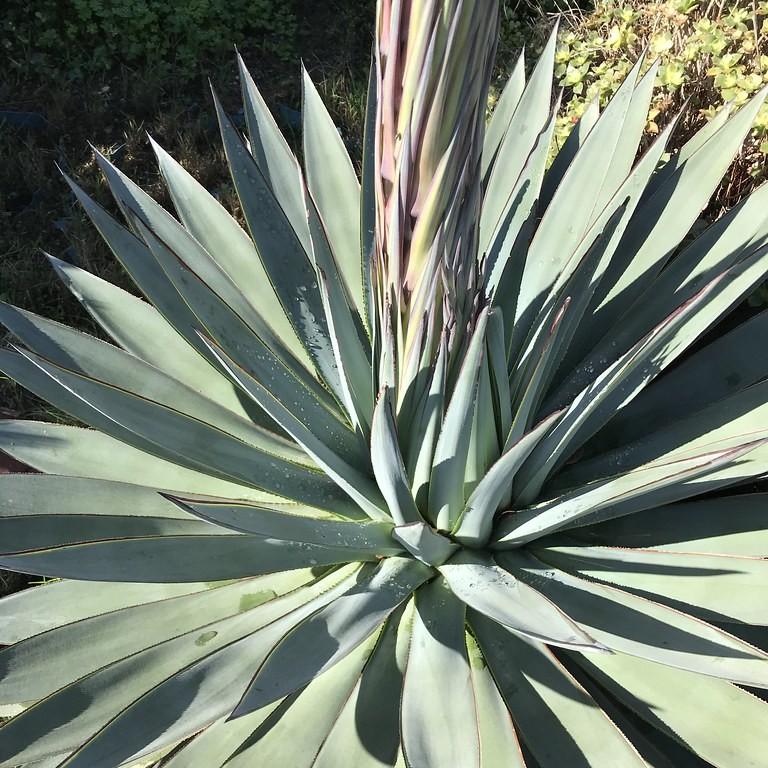
This compact agave variety has thick, spiky blue-green leaves and thrives in bright, direct light. It’s extremely drought-tolerant, so it’s ideal for anyone who forgets to water their plants for weeks at a time. It’s also outdoor-adaptable, so you can move it to a patio in the summer if you live in a warm climate. As an added bonus, it’s non-toxic to dogs and cats, so you don’t have to worry if your pet nibbles on a leaf.
cast-iron plant
True to its name, the cast-iron plant is nearly impossible to kill. It tolerates low light, infrequent watering, and dry indoor air that would make most tropical plants wilt. It has dark, glossy leaves that add a lush, low-profile look to dim corners, and it’s completely pet-safe. It can also be grown outdoors in shaded porches or garden beds in mild climates, making it a versatile pick for any space.
Blue Glow century plant
This smaller agave hybrid has soft blue-green leaves with subtle red edges, making it a stylish pick for sunny windowsills. It needs bright direct light to thrive, and only requires water every 2-3 weeks, depending on the humidity of your home. Like other agave varieties, it’s pet-safe and can be moved outdoors to a full-sun patio during warm months.
Best Full-Sun Outdoor Trees to Look For
If you’re updating your landscaping, these full-sun, pet-safe trees add year-round interest to yards of all sizes. All tolerate full sun and humid conditions, making them a great fit for most temperate regions.
Autumn Fire Japanese Maple
This small, slow-growing tree is famous for its vibrant fall foliage, which shifts from deep green in the summer to bright fiery orange and red in the autumn. It grows best in full sun to partial shade, and prefers humid conditions. It’s pet-safe, so you don’t have to worry about your dog or cat exploring around its base. It tops out at 15-20 feet tall and wide, so it works well in smaller yards as a focal point.
Bloodgood Japanese Maple
A popular landscaping staple, the Bloodgood Japanese Maple has deep burgundy foliage that stays vibrant from spring through fall, turning a bright crimson before dropping leaves for the winter. It’s flowering, producing small red blooms in the spring that attract pollinators, and it’s fully pet-safe. It tolerates full sun, though it may benefit from partial shade in extremely hot climates. It grows up to 20 feet tall and wide, so leave ample space for it to mature.
Blue Spanish Fir
This evergreen conifer has stiff, silvery-blue needles that add year-round color to full-sun yards. It’s native to mountain regions, so it’s tolerant of cold winters and humid conditions, and it produces small, non-toxic cones that are safe for pets. It grows up to 40 feet tall at maturity, so it’s best for larger yards where it has space to spread. It’s also drought-tolerant once established, so it requires minimal maintenance after its first year in the ground.
How to Narrow Results to Match Your Skill Level
One of the biggest benefits of these tools is that they let you filter options to match your gardening experience, so you don’t end up with a high-maintenance plant that requires daily care. Follow these tips to narrow results to your skill level:
- If you’re a total beginner or tend to forget to water, filter for drought-tolerant plants. Agave varieties like the American century plant and Blue Glow century plant are perfect for this, as they store water in their leaves and only need occasional watering.
- If you live in a rainy, humid climate, filter for humidity-loving plants to cut down on maintenance. Trees like the Japanese maple varieties and Blue Spanish Fir thrive in moist conditions, so you won’t have to water them as often during dry spells.
- If you want to minimize upkeep for outdoor plants, filter for native species that are adapted to your region’s temperature and rainfall patterns. These plants will require less supplemental water and pest control than non-native options.
Once you pick a plant, the Sproutly app’s plant identification and care features can help you confirm care needs, so you know exactly how often to water, fertilize, and repot or prune your new greenery.
Common Plant Search Mistakes to Avoid
Even the best tools won’t give you perfect results if you miss key details about your space. Avoid these three common pitfalls to get the most out of your search:
- Not accounting for mature plant size: Japanese maples, for example, can grow up to 20 feet wide at maturity, so they need ample yard space. Don’t pick a tree or large shrub for a small patio unless you confirm it’s a dwarf variety that will stay compact.
- Forgetting to filter for pet safety: Even if you think a plant looks harmless, many common houseplants and landscaping species are toxic to dogs and cats. Always apply the pet-safe filter if you have animals in your home, and double-check the plant’s toxicity rating before purchasing.
- Ignoring hardiness zone recommendations for outdoor plants: Hardiness zones are based on your region’s average minimum winter temperature, and tell you if a plant can survive outdoors year-round in your area. If you pick a plant that’s rated for a warmer zone than yours, it will die when temperatures drop in the winter.
Next Steps After Picking a Plant
Once you’ve selected a plant that fits your space and preferences, follow these steps to set it up for success:
- Double-check the care requirements for your chosen plant in a trusted plant encyclopedia, to confirm the light, water, and humidity needs match what your space offers.
- Test the spot you plan to plant or place your potted plant for a few days to confirm light levels match. For indoor spots, you can use a cheap light meter, or track how many hours of sun the area gets per day. For outdoor spots, note if the area gets shade from nearby trees or buildings at different times of day.
- Use the Sproutly app to snap a photo of your new plant once you bring it home. The app will identify the plant and give you customized care reminders tailored to your specific space and climate, so you never miss a watering or pruning session.
FAQ
What is the best way to use a plant finder online for beginners?
Start with your non-negotiables first: filter for pet-safe plants if you have animals, select your hardiness zone for outdoor plants, and input how much daily sun your space gets. This will narrow your results to only plants that can thrive in your specific conditions, no guesswork required.
Can these tools help me pick low-maintenance plants?
Yes. Most plant finders let you filter for low-water, low-humidity, or hard-to-kill plants. For example, cast-iron plants and century plant varieties are popular low-fuss picks that show up in most low-maintenance plant filters.
Are there search tools that only show pet-safe options?
Many plant finder tools let you filter for non-toxic, pet-safe plants. Common pet-safe picks include Japanese maple trees, agave varieties, and cast-iron plants, all of which are safe for dogs and cats if nibbled.
How do I confirm my search results are accurate?
Cross-check the care requirements listed for your chosen plant with a trusted plant encyclopedia, or use an AI plant care tool like Sproutly to identify your plant and get customized care guidance tailored to your space.
Try Sproutly
Ready to find the perfect plants for your space and keep them thriving? Try Sproutly today to access our full plant encyclopedia, accurate plant identification, and customized care reminders tailored to your home and yard.
قراءات ذات صلة
أدلة أخرى قد تعجبك
Game Plant: The Ultimate Guide to Plants in Gaming & Real-World Lookalikes
Explore game plant origins, their roles in popular titles like Plants vs. Zombies, and real plant varieties that match iconic in-game designs for your home or garden.
2026-08-05 · 10 min read
Dichondra Argentea (Silver Falls): Complete Care, Growing, and Use Guide
Learn how to grow and care for Dichondra argentea 'Silver Falls', a drought-tolerant, pet-safe trailing perennial perfect for hanging baskets and ground cover.
2026-08-04 · 11 min read
Firecracker Flower: Complete Care, Cultivation, and Identification Guide
Learn how to grow and care for firecracker flower (Crossandra infundibuliformis), a pet-safe, humidity-loving tropical houseplant with bright tubular blooms.
2026-08-04 · 19 min read